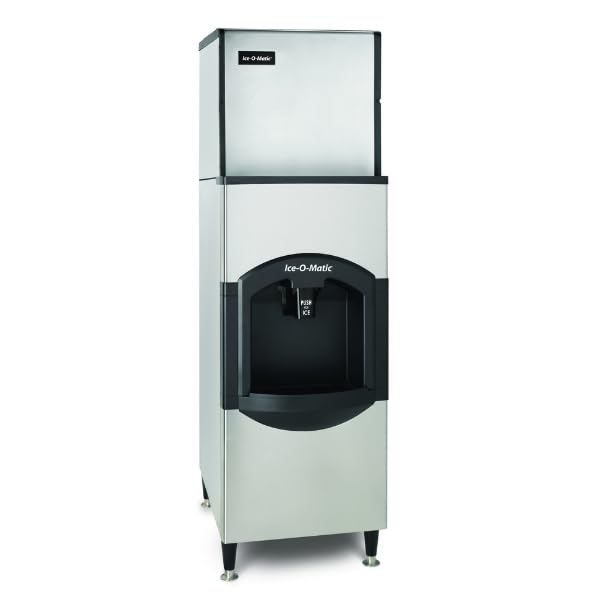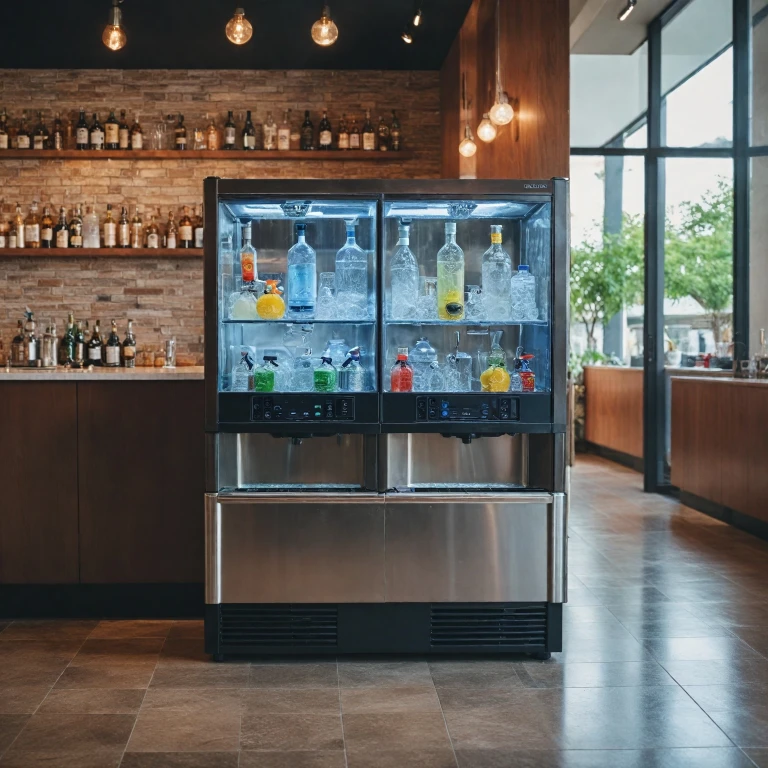
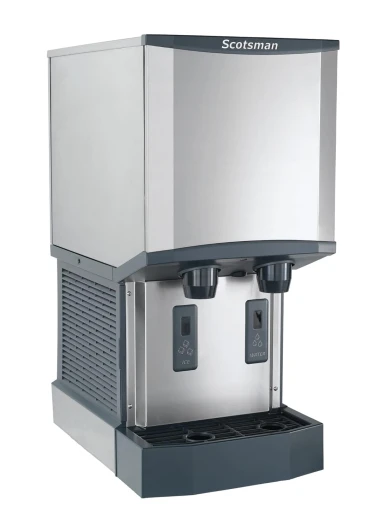

Understanding commercial ice dispensers for professional beverage service
A commercial ice dispenser is more than a cold accessory in food service. It is a critical product that safeguards ice hygiene, optimizes workflow, and stabilizes beverage quality during long service hours. When you evaluate ice machines and dispensers, you assess how reliably they transform water into safe ice at the right capacity for your guests.
In hotels, a well specified hotel ice dispenser reduces queues, limits noise, and keeps ice water available on every floor. The right commercial ice dispenser also protects your staff from repetitive lifting of heavy ice bins, because the machine dispenser delivers ice directly at countertop height. This combination of ergonomic design and sufficient storage capacity makes the dispenser an essential item rather than a luxury accessory.
Professional buyers compare commercial ice machines by capacity in kg or lbs, by dispenser capacity, and by ice storage volume in the bin. They also consider whether an air cooled ice machine or a remote condenser layout best suits their technical room and ventilation constraints. When you match the commercial ice dispenser capacity to your peak demand, you reduce stress on the machines and extend their service life.
Brands such as Manitowoc, Scotsman, and Servend offer commercial ice dispensers that integrate ice maker heads with dedicated ice storage. Many models combine an ice dispenser with a water dispenser to provide ice water from a single footprint. For high traffic locations, a vending machine style ice dispenser can control access while still keeping the ice free for registered guests.

Key performance criteria when selecting a commercial ice dispenser
Performance in a commercial ice dispenser starts with production capacity and storage capacity. You must align the ice machine output in kg or lbs per 24 hours with the dispenser capacity and the bin volume to avoid frequent shortages. In busy hotels or cafeterias, a high capacity ice maker paired with a generous ice storage bin ensures that peak demand never empties the machines.
Professional buyers also examine how the dispenser handles different ice types, from cube ice to nugget ice or flake formats. Nugget ice is popular in healthcare and fast casual concepts, while hotel ice dispensers often rely on standard cubes that melt more slowly in ice water. Matching the ice type to your beverage program and your guests’ expectations is as important as choosing the right commercial ice machine size.
Energy efficiency is another decisive factor, especially when multiple ice makers operate on the same site. An Energy Star rated ice machine or machine dispenser can significantly reduce electricity and water consumption over its lifetime. When you compare price, always factor in long term utility savings and maintenance costs, not just the initial item cost.
Installation constraints influence whether you select an air cooled unit, a water cooled system, or a remote condenser configuration. Air cooled commercial ice machines are simpler to install but require good ventilation around the dispenser and bin. Remote systems move heat and noise away from the service area, which is valuable in premium hotel corridors or quiet lounges where guests expect discreet hotel ice access; for more insights into premium ice quality, see this guide on craft ice machines for elevated drinks.
Hygiene, safety, and user experience in commercial ice dispensing
Hygiene is central when you select any commercial ice dispenser for guest facing areas. The dispenser design must protect ice storage from hand contact, airborne contaminants, and splashing water from nearby sinks. Touch free or lever activated ice dispenser controls reduce cross contamination risks in self service zones.
Modern commercial ice machines often integrate antimicrobial materials in the bin and dispenser chute. Regular cleaning schedules for the ice maker, the water dispenser section, and the ice storage bin are essential to prevent biofilm and mineral buildup. Clear access to internal components makes it easier for technicians to service the machines and maintain safe ice water quality.
User experience also matters, because guests interact directly with the dispenser and the countertop interface. A well designed countertop ice dispenser positions the ice chute at a comfortable height and accommodates tall glasses or insulated bottles. In hotels, a quiet commercial ice dispenser with smooth auger or gravity feed reduces nighttime noise in corridors and improves overall guest satisfaction.
Different brands such as Manitowoc, Scotsman, and Servend offer hotel ice dispensers with integrated water dispenser functions for combined ice water service. Nugget ice machines are particularly appreciated in healthcare and office environments, where softer ice is easier to chew and cools drinks quickly; you can explore more about this style in a dedicated article on pebbles style nugget ice for beverages. Whether you choose a compact countertop ice machine or a larger floor standing vending machine style dispenser, always verify that the dispenser capacity and storage capacity match your real traffic patterns.
Comparing leading commercial ice dispenser brands and configurations
When comparing brands, many buyers start with Manitowoc ice machines because of their broad commercial ice portfolio. A Manitowoc commercial ice dispenser can be paired with modular ice makers to scale capacity as your operation grows. Scotsman and Servend also offer robust ice machines and dispenser combinations that cover hotel ice, quick service, and institutional needs.
Each brand provides different bin sizes, dispenser capacity options, and countertop or floor standing formats. For example, a compact countertop ice dispenser suits a small café, while a high capacity floor model with a large ice storage bin is better for a busy hotel corridor. Remote condenser options are available on many commercial ice machines to reduce heat and noise in guest areas.
Price comparisons should consider not only the initial item cost but also free shipping offers, installation complexity, and long term maintenance. Some suppliers include free shipping on commercial ice machines above a certain price threshold, which can offset the higher cost of a premium ice maker. Always verify what is included in the product offer, from water filters to bin adapters and machine dispenser accessories.
Energy Star certification is increasingly common among modern ice makers and ice machines, and it signals better efficiency and lower operating costs. Whether you choose Manitowoc, Scotsman, or Servend, check the daily ice capacity in kg or lbs, the storage capacity of the bin, and the suitability of the ice type for your menu. For operations that also serve cocktails or premium beverages, it can be helpful to review guidance on how specialized ice makers elevate drink presentation before finalizing your commercial ice dispenser specification.
Installation, maintenance, and lifecycle costs of commercial ice dispensers
Proper installation of a commercial ice dispenser begins with accurate site assessment. You must confirm that the water supply, drain lines, and electrical circuits can support the selected ice machine and dispenser capacity. Adequate clearance around air cooled ice machines is essential to prevent overheating and performance loss.
Remote condenser systems require additional planning because refrigerant lines must be routed to an external unit. This configuration can significantly reduce heat and noise around the dispenser, which is valuable in hotel corridors and premium lounges. However, the higher initial price and more complex installation should be weighed against the long term comfort and energy benefits.
Routine maintenance protects both ice quality and the lifespan of your commercial ice machines. Scheduled descaling, filter changes, and bin sanitizing keep the ice storage area clean and maintain consistent ice water taste. Many operators create a maintenance calendar for each ice maker, ice dispenser, and water dispenser to avoid missed service intervals.
Lifecycle cost analysis should include energy consumption, water usage, spare parts, and potential downtime. Energy Star rated ice machines often justify a slightly higher purchase price through lower utility bills over many years. When you evaluate competing product offers, compare not only the free shipping conditions and warranty terms but also the expected service life of the machine dispenser and the availability of local technicians.
Matching commercial ice dispensers to specific venues and service models
Different venues require different commercial ice dispenser configurations to meet their unique service patterns. Hotels typically favor floor standing hotel ice dispensers with generous storage capacity and quiet operation. In contrast, small offices or cafés may prefer compact countertop ice machines that combine an ice dispenser and water dispenser in a single item.
Healthcare facilities often choose nugget ice machines because the softer ice is easier for patients to chew. A commercial ice dispenser in this context must prioritize hygiene, with touch free controls and easy to clean ice storage bins. Energy Star certified ice makers are also attractive in healthcare, where machines run continuously and energy savings accumulate quickly.
In quick service restaurants, a machine dispenser integrated into the beverage station delivers both ice and ice water at high speed. Here, dispenser capacity and bin size must handle intense peaks without running out of ice during rush periods. An air cooled commercial ice machine is common in these settings, but remote systems may be chosen when heat buildup is a concern.
Vending machine style ice dispensers can be used in public areas where controlled access is required, such as staff lounges or shared residential facilities. Whether you select Manitowoc, Scotsman, or Servend equipment, always align the commercial ice machine output in kg or lbs with your forecasted demand. Careful sizing of ice machines, bins, and countertop or floor standing dispensers ensures that guests experience reliable, convenient access to ice at every service point.
Evaluating value, warranties, and long term reliability
Assessing value in a commercial ice dispenser purchase goes beyond comparing headline price tags. You should evaluate the full package, including free shipping, installation support, and the quality of the bin and dispenser components. A slightly higher price for a robust ice maker with proven reliability often delivers better long term ROI than a cheaper, less durable machine.
Warranty coverage is a strong indicator of manufacturer confidence in their commercial ice machines. Look for clear terms on the ice machine, the ice storage bin, and the machine dispenser assembly, as these parts experience different wear patterns. Some brands offer extended coverage on compressors and evaporators, which are critical for maintaining consistent ice capacity in kg or lbs.
Reliability also depends on how well the ice machines are matched to their operating environment. An air cooled unit placed in a cramped, hot room will struggle, while a properly ventilated or remote system will maintain stable performance. Regular preventive maintenance, combined with quality water filtration, protects both the ice maker and the ice dispenser from scale and sediment damage.
When comparing commercial ice products from Manitowoc, Scotsman, and Servend, consider the availability of local service partners and spare parts. A widely supported commercial ice dispenser can be repaired quickly, reducing downtime and protecting your beverage revenue. By balancing price, free shipping options, Energy Star efficiency, and strong warranties, you can select ice machines and dispensers that serve your guests reliably for many years.