

Understanding what makes ice truly cooled
What Defines Perfectly Cooled Ice?
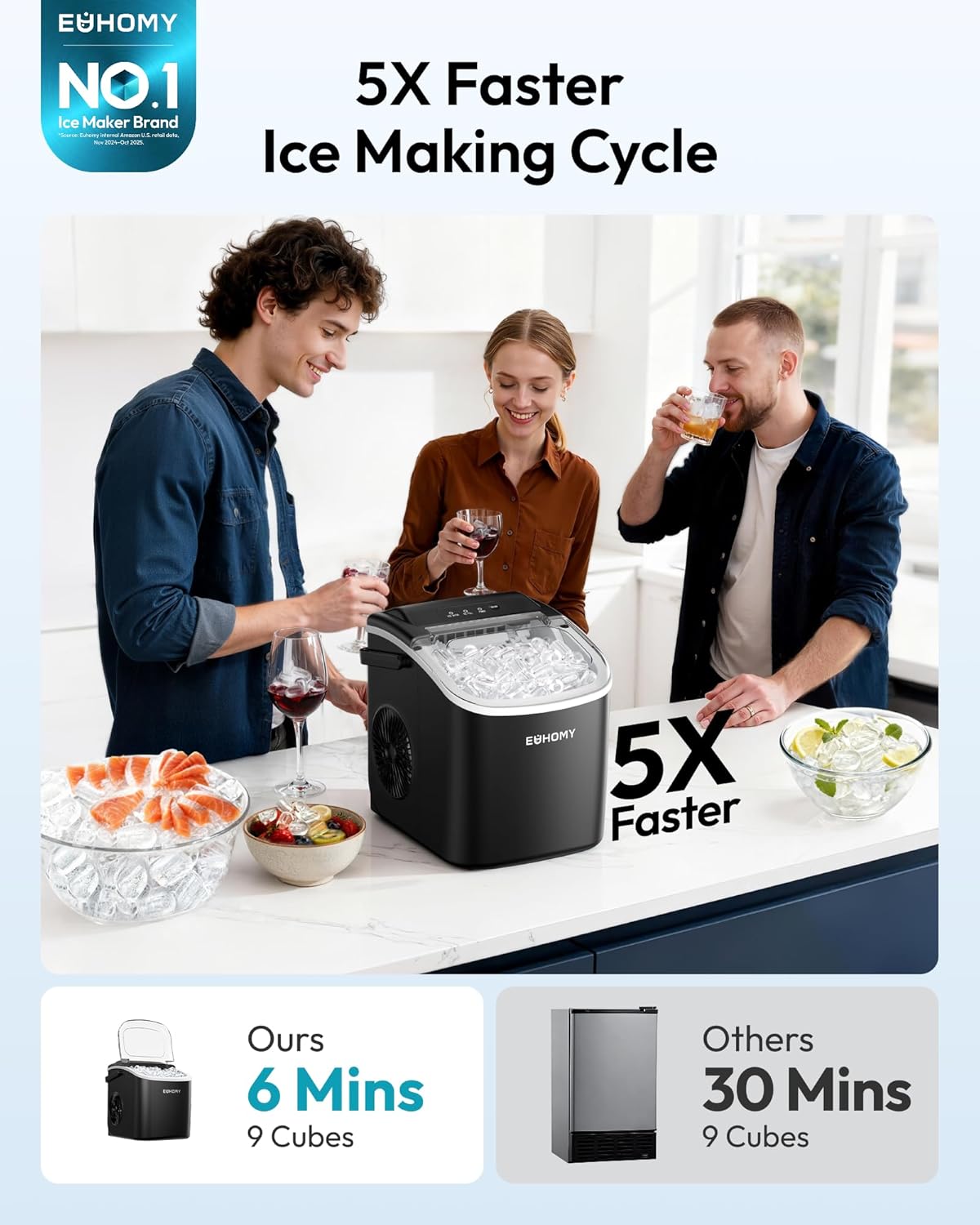
When testing ice makers, one of the first things I look for is how well the machine produces cooled ice. Truly cooled ice is more than just frozen water—it’s about clarity, density, and how slowly it melts. The best ice makers and commercial ice machines are designed to create ice cubes or nuggets that stay cold longer, resist melting, and don’t dilute your drinks quickly. The cooling process, water quality, and the type of equipment all play a part in the final result.
Factors That Influence Ice Cooling
- Water Quality: The purity of the water used in your ice maker impacts both the taste and clarity of the ice. Impurities can cause cloudiness and affect how efficiently the ice cools your beverages.
- Cooling Method: Ice machines use either air cooled or water cooled systems. Water cooled units tend to be quieter and more efficient in hot environments, while air cooled machines are often more cost effective and easier to install.
- Ice Type: The shape and size of the ice—whether it’s cube ice, nuggets, or gourmet—affect how quickly it chills drinks and how long it lasts. Each type of ice has its own cooling properties, which you’ll want to consider when purchasing a new unit.
- Machine Efficiency: Energy efficient and Energy Star rated equipment can produce cooled ice with less energy and lower operating costs, making them a smart choice for both home and commercial use.
Why Clarity and Density Matter
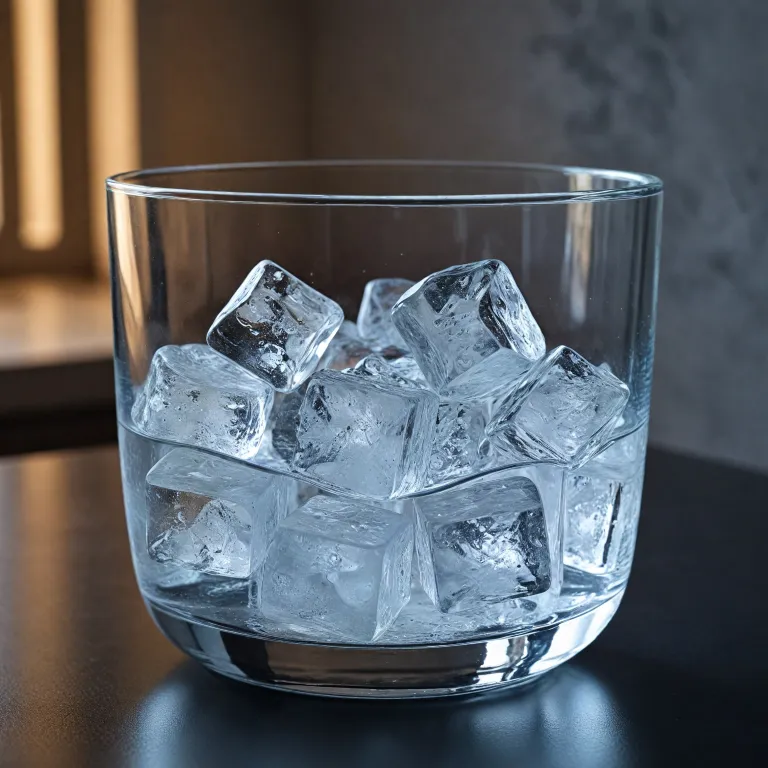
Clear, dense ice cubes are a sign of a well-functioning ice maker. These cubes melt more slowly, keeping your drinks cooler for longer without watering them down. If you’re interested in learning more about how to achieve crystal clear ice cubes at home, check out this guide on the art of crafting crystal clear ice cubes.
Looking Ahead
Understanding what makes ice truly cooled is the foundation for choosing the right ice maker, maintaining your equipment, and troubleshooting common issues. The next steps will cover how to select the most suitable machine for your needs, and how to keep your ice production consistent and efficient.

Choosing the right ice maker for optimal cooling
Key Factors When Selecting Your Ice Maker
When it comes to getting perfectly cooled ice, the choice of ice maker is crucial. Not all machines are created equal, and the right equipment can make a big difference in ice quality, cooling efficiency, and long-term cost. Here are some important points to consider when purchasing an ice maker for your home or business:
- Cooling Method: Ice makers typically use either air cooled or water cooled systems. Air cooled units are more energy efficient and cost effective for most environments, but water cooled machines may be better in hot kitchens or areas with poor ventilation. Commercial ice makers sometimes use a cooling tower for large scale ice production.
- Ice Type: Decide if you need cube ice, nugget ice, or another form. Cube ice is popular for drinks and food service, while nugget ice is softer and ideal for healthcare or specialty beverages. The type of cooled ice you want will influence your machine choice.
- Capacity and Size: Consider the amount of ice you need daily. Commercial ice machines and cooled units are designed for high volume, while smaller makers suit home use. Make sure the unit fits your available space and meets your ice production needs.
- Energy Efficiency: Look for Energy Star rated products. Energy efficient ice makers reduce electricity and water costs over time, making them a smart investment for both home and commercial use.
- Maintenance and Durability: Reliable equipment like Ice Matic or other reputable brands can save you money on repairs. Easy-to-clean machines help maintain cooled ice quality and prevent food contamination.
- Price and Total Cost: The initial price is important, but also consider ongoing costs like water, energy, and maintenance. Sometimes a higher upfront cost leads to better long-term savings.
For those interested in achieving crystal clear, super cooled ice at home, check out these tips for achieving crystal clear ice at home. The right ice maker, paired with proper water quality and care, will help you enjoy consistently cooled ice for any occasion.
Proper maintenance for consistently cooled ice
Routine Cleaning for Optimal Ice Cooling
Keeping your ice maker clean is essential for consistently cooled ice. Over time, minerals from water and tiny food particles can build up inside the machine, affecting both the taste and temperature of your ice cubes. Regularly cleaning your equipment helps maintain efficient cooling and extends the life of your unit. Most commercial ice machines and home ice makers recommend a cleaning cycle every few weeks, but always check your product manual for specific guidance.
Maintaining Water and Air Flow
Both water cooled and air cooled ice makers rely on steady water and air flow for efficient ice production. Blocked vents or dirty filters can cause your machine to overheat, reducing its ability to make super cooled ice. Make sure the air vents are clear and the water supply is free from obstructions. For air cooled units, position the equipment in a well-ventilated area to avoid heat buildup. For water cooled machines, ensure the water lines are clean and free of scale.
Checking for Wear and Tear
Over time, parts like pumps, fans, and seals can wear out, especially in commercial ice makers or high-use environments. Inspect your cooled machine regularly for any signs of leaks, unusual noises, or reduced ice output. Replacing worn components promptly helps keep your ice making process efficient and cost effective, saving on energy and repair costs in the long run.
Energy Efficiency and Cost Control
Maintaining your ice maker also means monitoring its energy consumption. Energy Star certified products are designed to be more energy efficient, which can lower your operating costs. Clean, well-maintained machines use less energy to produce cooled ice, whether you have a cube ice maker, an ice matic, or a large commercial unit. Regular maintenance can help you avoid unexpected increases in energy bills and keep your equipment running smoothly.
When to Call a Professional
If you notice persistent issues with cooling, such as ice that melts quickly or a drop in ice production, it may be time to consult a professional. Some problems, like refrigerant leaks or malfunctioning cooling towers, require specialized knowledge to fix. Investing in professional maintenance can extend the lifespan of your cooled units and ensure you always have perfectly cooled ice on hand.
For more advice on elevating your gatherings with perfect ice, check out this guide to perfect ice for entertaining.
Common issues that affect ice cooling and how to fix them
Identifying and Troubleshooting Cooling Problems
When your ice maker or commercial ice machine isn’t producing cooled ice as expected, several factors could be at play. Recognizing these issues early helps you maintain efficient ice production and avoid unnecessary cost or energy waste.- Insufficient Water Supply: If the water flow to your ice maker is restricted or inconsistent, the unit may not form solid, cooled cubes. Check for clogged filters, kinked hoses, or low water pressure in your equipment.
- Dirty Condenser Coils: Air cooled and water cooled machines rely on clean condenser coils for efficient cooling. Dust or debris buildup can reduce cooling efficiency, leading to softer or partially melted ice. Regular cleaning is essential for both home and commercial ice makers.
- Poor Air Circulation: Air cooled units need proper ventilation. Placing your machine too close to walls or other equipment can trap heat, making it harder for the ice maker to maintain optimal cooling. Ensure there’s enough space around the unit for air to flow.
- Incorrect Temperature Settings: Setting your ice machine’s thermostat too high can prevent the formation of super cooled or solid cube ice. Double-check your settings and adjust as needed for your specific product or model.
- Scale or Mineral Buildup: Hard water can cause scale to form inside the ice making chamber, reducing efficiency and affecting the quality of cooled ice. Use recommended cleaning products and consider a water filter for your equipment.
- Energy Efficiency Issues: Older machines or non-Energy Star units may consume more energy and struggle to maintain consistent cooling. Upgrading to a more energy efficient or cost effective model can improve performance and lower your operating cost.
Quick Fixes for Common Ice Cooling Issues
- Inspect water lines and replace filters regularly to ensure a steady water supply.
- Clean condenser coils and internal components as part of routine maintenance.
- Check for proper air flow around your cooled machine, especially in commercial settings.
- Monitor and adjust temperature settings based on your ice production needs.
- Descale your ice maker with approved products to prevent buildup and maintain cooling efficiency.
When to Consider Professional Help
If you’ve addressed these common issues and your ice maker still isn’t producing cooled ice, it may be time to consult a qualified technician. Persistent problems could indicate a failing compressor, malfunctioning cooling tower, or other internal faults that require expert attention. Investing in regular maintenance for your cooled units not only extends the life of your equipment but also ensures you get the best value for the price you paid during purchasing. Staying proactive with your ice making equipment helps you deliver consistently cooled ice, whether you’re serving food and drinks at home or running a busy commercial operation. Efficient, reliable ice production is key to quality and customer satisfaction.Tips for storing and serving cooled ice
Best Practices for Storing Ice
Once your ice maker has produced perfectly cooled ice, proper storage is key to maintaining its quality. Whether you use a commercial ice machine or a home unit, keeping ice at the right temperature and away from contaminants ensures it stays fresh and clear. Here are some practical tips:
- Always use a clean, dedicated ice bin or container. Food-safe plastic or stainless steel bins are ideal for storing cube ice or nugget ice.
- Keep the storage area well-insulated. A cooled unit or a commercial ice bin helps maintain the right temperature and prevents melting.
- Never store ice with food items. This avoids cross-contamination and keeps your cooled ice tasting pure.
- Use a scoop rather than hands to serve ice. This simple habit preserves hygiene and the integrity of your ice cubes.
Serving Cooled Ice for Best Results
Serving ice at its best is about more than just temperature. The type of ice—whether cube, nugget, or super cooled—can affect the drinking experience. Here’s how to get the most from your ice maker’s output:
- Serve ice immediately after production for maximum cooling effect. Freshly made ice from energy efficient machines is less likely to clump together.
- For events or commercial use, rotate your ice supply. Use older ice first to maintain freshness and reduce waste.
- If using air cooled or water cooled machines, ensure the serving area is not exposed to heat sources, which can accelerate melting.
- Consider the drink type. Cube ice is ideal for cocktails, while nugget ice works well for soft drinks and blended beverages.
Additional Considerations for Cost and Efficiency
Efficient storage and serving practices not only preserve ice quality but also help control the cost and energy use of your equipment. Energy Star rated ice makers and well-insulated cooled units can reduce overall energy consumption. When purchasing or upgrading your ice making equipment, factor in the price of accessories like storage bins and scoops to ensure a cost effective setup.
Comparing cooled ice types: cubes, nuggets, and more
Comparing Popular Ice Types for Cooling Performance
When it comes to getting the most out of your ice maker, understanding the differences between ice types is key. The type of ice your machine produces can impact everything from cooling efficiency to cost and energy use. Here’s a breakdown of the most common forms of cooled ice and how they stack up for various needs:
- Cube Ice: Classic cube ice is a staple in both home and commercial ice makers. It’s known for its slow melting rate, making it ideal for cooling drinks without watering them down quickly. Cube ice is often produced by air cooled or water cooled units, and is a reliable choice for most food and beverage applications.
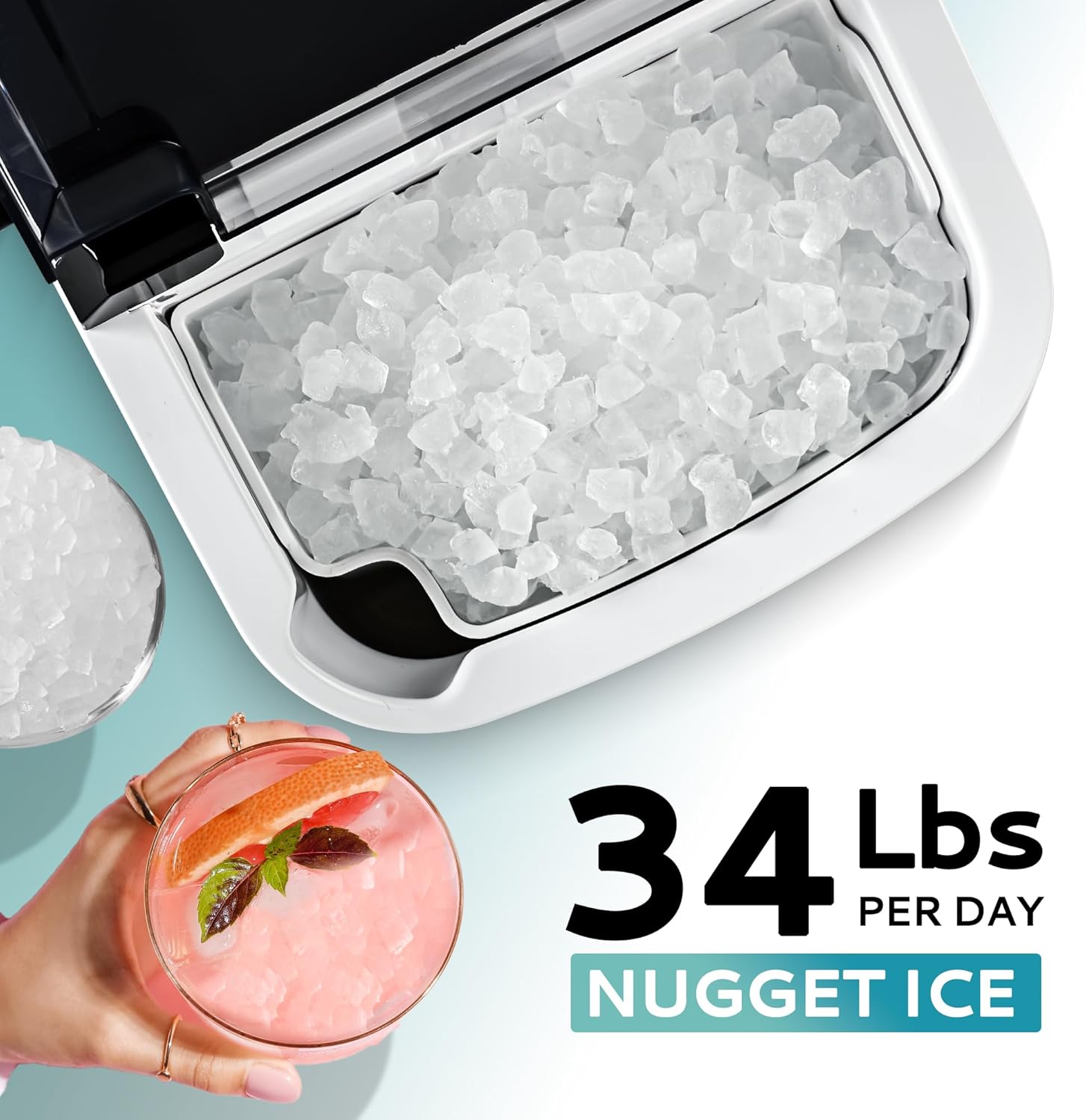
- Nugget Ice: Sometimes called "chewable ice," nugget ice is softer and absorbs flavors well. It’s popular in restaurants and healthcare settings. Nugget ice makers tend to be more energy efficient, but the initial price of the equipment can be higher compared to standard cube ice machines.
- Flake Ice: Flake ice is thin and flexible, perfect for displaying seafood or keeping food fresh in commercial environments. Flake ice machines are often used in food service and medical industries, where rapid cooling is essential. These units can be water cooled or air cooled, depending on the installation and cooling tower setup.
- Gourmet Ice: Also known as super cooled or clear ice, gourmet ice is crystal clear and melts very slowly. It’s favored in upscale bars and restaurants. While the cost of purchasing a gourmet ice maker is higher, the quality of the cooled ice is unmatched for premium cocktails and presentations.
| Ice Type | Cooling Efficiency | Best For | Energy Use | Cost Effectiveness |
|---|---|---|---|---|
| Cube | High | General drinks, commercial use | Moderate | Good |
| Nugget | Moderate | Soft drinks, healthcare, food service | Low | Moderate |
| Flake | Very High | Food displays, rapid cooling | Moderate | Good |
| Gourmet | High | Premium cocktails, upscale venues | High | Lower |
When purchasing an ice maker, consider not only the type of cooled ice you need but also the energy star rating, water and air cooling options, and the overall cost of the unit. Commercial ice machines, like those from Ice Matic, offer a range of products to suit different cooling and ice production needs. Whether you’re looking for a cost effective solution for your home or an efficient cooled machine for your business, matching the ice type to your application will help you get the best results from your equipment.