

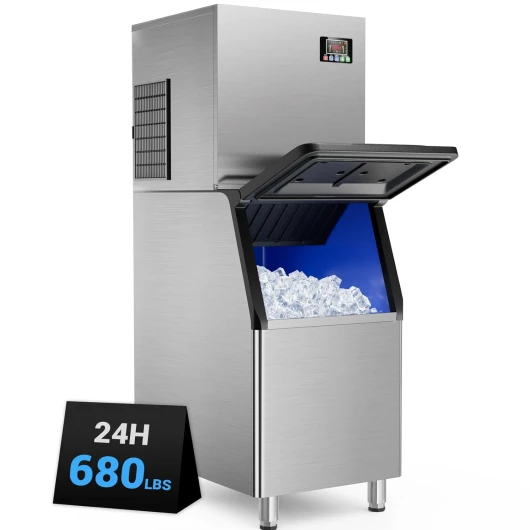
Understanding the different types of commercial ice makers
Exploring Commercial Ice Maker Varieties
When selecting a commercial ice maker, understanding the different types of machines available is crucial. Each type serves specific business needs, from restaurants to healthcare facilities. The right choice depends on your required ice shape, storage, and installation space.
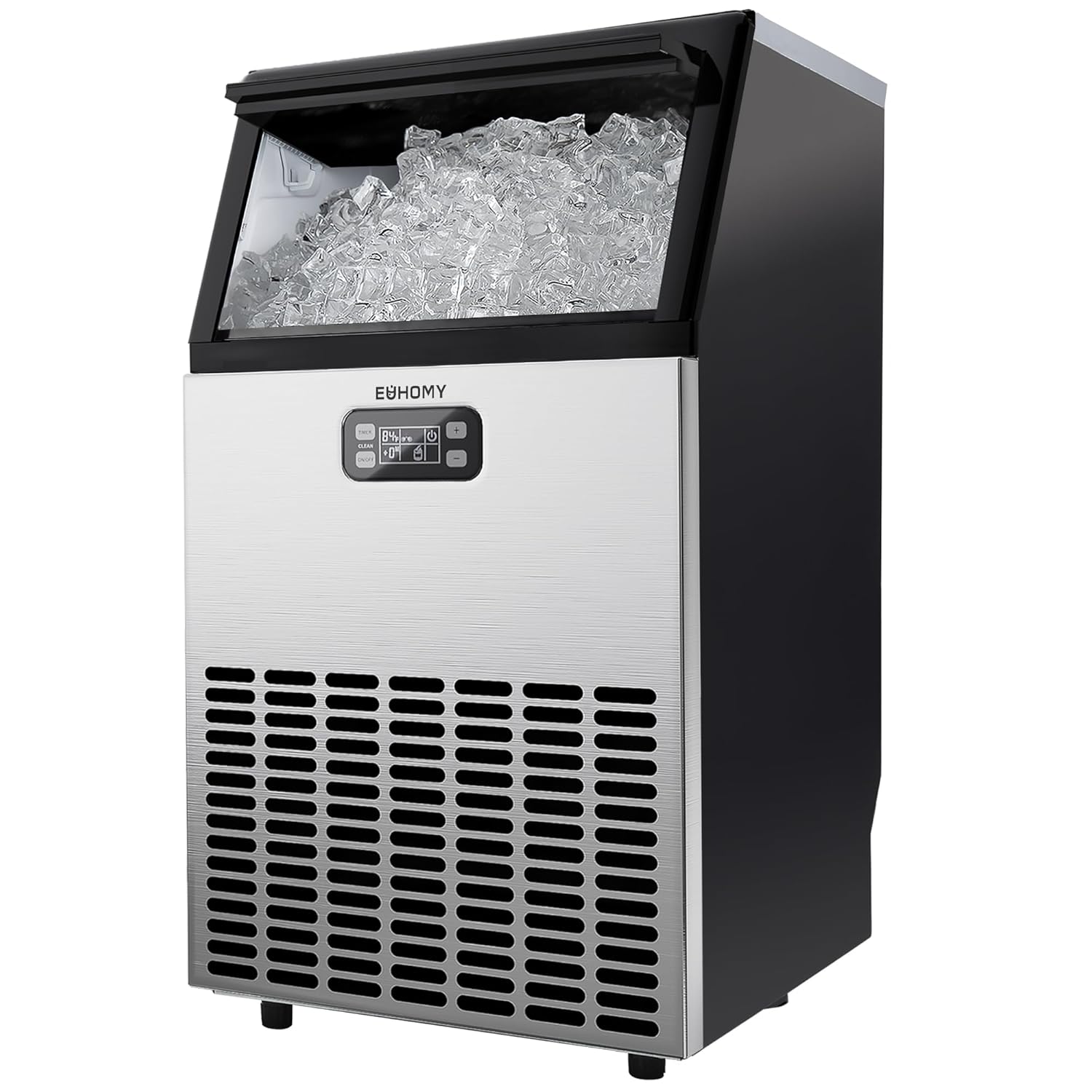
- Cubers (Cube Ice Machines): These machines produce classic cube ice, available in full cube and half dice shapes. Cube ice is ideal for beverages, as it melts slowly and looks appealing in drinks. Many commercial ice makers offer stainless steel construction for durability and easy cleaning.
- Flake Ice Makers: Flake ice is soft and moldable, perfect for food displays, seafood, and healthcare use. Flake ice machines are valued for their ability to chill items quickly without damaging delicate foods.
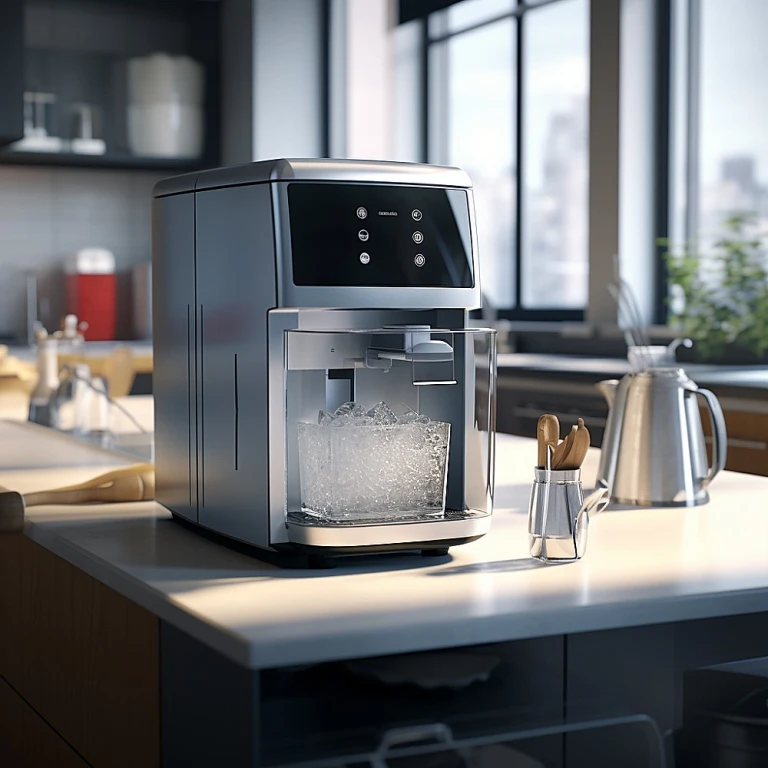
- Nugget Ice Makers: Nugget ice, also known as chewable ice, is popular in bars and healthcare settings. It absorbs flavors well and is easy to chew. If you want to learn more about the benefits of nugget ice, check out this detailed guide on Scotsman nugget ice machines.
- Undercounter Ice Machines: These compact machines fit under counters, making them suitable for small bars or cafes. They often come with an integrated ice bin for convenient storage.
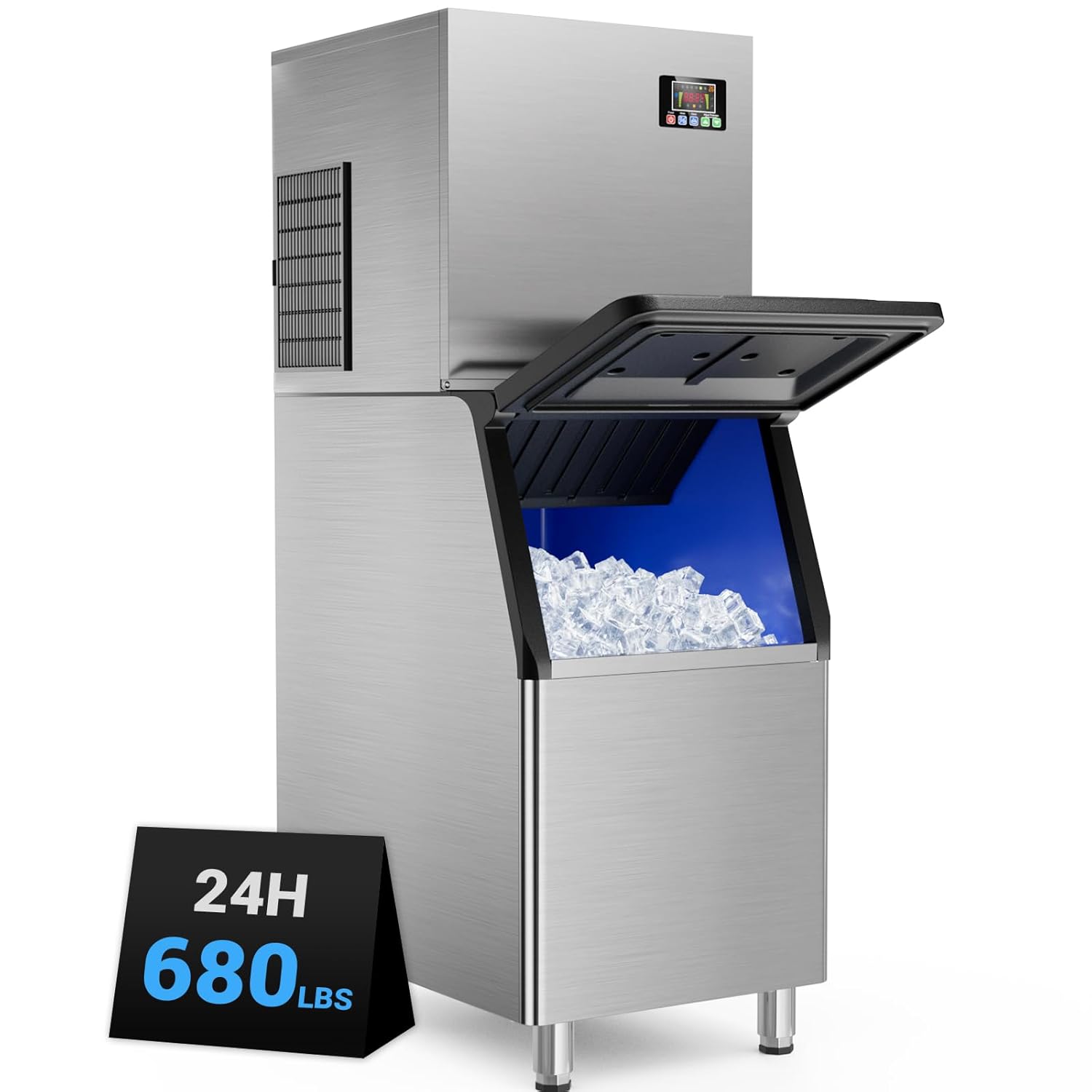
- Modular Ice Machines: Modular units are designed to sit on top of a separate ice bin or dispenser. They are ideal for high-volume needs, as you can pair them with bins of various sizes to match your storage requirements.
Cooling Methods and Storage Options
Commercial ice makers use different cooling methods. Air cooled ice machines are common due to their energy efficiency and ease of installation. Water cooled ice makers are quieter and perform better in hot environments, but they use more water. Consider your location and utility costs when choosing between air cooled and water cooled options.
Storage is another key factor. Some machines come with a built-in ice bin, while others require a separate storage bin. The bin size should match your daily ice requirements to avoid running out during peak hours.
| Type | Ice Shape | Best For | Typical Storage |
|---|---|---|---|
| Cube Ice Machine | Full Cube, Half Dice | Beverages, Bars | Integrated or Modular Bin |
| Flake Ice Maker | Flake | Food Displays, Healthcare | Modular Bin |
| Nugget Ice Maker | Nugget | Healthcare, Soft Drinks | Integrated or Modular Bin |
| Undercounter Ice Machine | Cube, Nugget | Small Cafes, Bars | Built-in Bin |
As you continue your search, keep in mind the current price and features of each machine. Stainless steel models are preferred for their longevity and ease of cleaning. Also, consider the ice production rate, measured in lbs per day, to ensure the machine meets your business’s needs. Later sections will cover features, sizing, and maintenance to help you make an informed decision about your next commercial ice maker.

Key features to look for in a commercial ice maker
Essential Elements That Make a Difference
When evaluating a commercial ice maker, it’s important to focus on the features that will impact your daily operations and long-term satisfaction. Not all ice machines are created equal, and the right combination of features can help you avoid headaches down the road.
- Ice Production Capacity: Consider how many pounds (lbs) of ice your business needs per day. Commercial ice makers are rated by their maximum daily output. If you run a busy restaurant or bar, look for machines that can keep up with peak demand.
- Type of Ice: The kind of ice produced matters. Options include cube ice, half dice, flake ice, and nugget ice. Each type serves different needs—cube ice is ideal for drinks, while flake ice works well for food displays. For more on specialized machines, check out this guide to professional shaved ice machines.
- Cooling Method: Commercial ice makers use either air cooled or water cooled systems. Air cooled ice machines are more energy efficient and easier to install, but may require more ventilation. Water cooled ice makers are quieter and perform better in hot environments, but use more water.
- Storage Bin Size: The ice bin or storage bin holds ice until you need it. Make sure the bin is large enough to store the full output of your machine, especially during busy periods.
- Material and Build Quality: Stainless steel construction is preferred for durability and hygiene. It resists corrosion and is easier to clean, which is crucial in commercial kitchens.
- Ease of Maintenance: Look for features like removable air filters, accessible machine bin, and automatic cleaning cycles. These will save you time and help maintain food safety standards.
- Size and Installation: Undercounter ice makers are great for tight spaces, while larger floor models offer higher capacity. Always check the dimensions and ensure you have the right space and utilities for installation.
- Price and Value: Compare the current price of different models, but also consider long-term costs like energy use, water consumption, and maintenance. Sometimes, a higher upfront price means better efficiency and reliability.
Comparing Popular Commercial Ice Makers
| Model | Ice Type | Daily Output (lbs) | Cooling | Storage Bin | Material | Current Price |
|---|---|---|---|---|---|---|
| Maxx Ice MIM50 | Full Cube | 65 | Air Cooled | 25 lbs | Stainless Steel | $$ |
| Undercounter Ice Maker | Half Dice | 100 | Air Cooled | 35 lbs | Stainless Steel | $$$ |
| Commercial Flake Ice Machine | Flake Ice | 150 | Water Cooled | 50 lbs | Steel | $$$$ |
Choosing the right commercial ice maker means balancing your needs for ice type, output, and storage with the available space and your budget. Prioritize features that will make your daily workflow smoother and ensure your machine stands up to the demands of your business.
Assessing your business’s ice requirements
Calculating Your Daily Ice Needs
Before choosing a commercial ice maker, it’s crucial to estimate how much ice your business uses on a typical day. Restaurants, bars, hotels, and healthcare facilities all have different requirements. Start by reviewing your current ice usage and consider peak times. For example, a busy restaurant may need up to 2 lbs of ice per customer, while a hotel might require more for room service and events. Don’t forget to account for future growth or seasonal spikes.
Matching Ice Types to Your Service
Commercial ice makers produce various types of ice, each suited for different applications. Here’s a quick overview:
- Cube ice: Ideal for cocktails and soft drinks, offering slow melt and clarity.
- Half dice: Smaller cubes, perfect for quick cooling and high-volume dispensing.
- Flake ice: Great for food displays and healthcare, as it molds easily and cools rapidly.
- Nugget ice: Chewable and popular in healthcare and specialty drinks.
Consider what type of ice best matches your menu and customer expectations. The right choice can enhance both food and beverage presentation.
Storage Bin and Machine Capacity
It’s not just about how much ice your machine can produce in 24 hours. You also need to think about storage. The ice bin or storage bin should be large enough to hold your peak demand, but not so big that ice sits unused and melts. Stainless steel bins are durable and easy to clean, while undercounter ice makers save space in smaller kitchens. Air cooled and water cooled ice machines have different installation and efficiency needs, so factor in your available space and ventilation.
Considering Your Budget and Current Price Trends
Commercial ice makers come in a range of prices, depending on capacity, type, and features. Compare the current price of different machines, keeping in mind that higher upfront costs for stainless steel or air cooled models may mean lower maintenance over time. Don’t forget to check the price current for replacement parts and cleaning supplies.
Other Factors: Water Quality and Energy Efficiency
Water quality directly affects ice clarity and machine longevity. If your water is hard or contains impurities, consider a filtration system. Also, look for energy-efficient models that reduce operating costs and environmental impact. Some machines are ENERGY STAR certified, which can be a smart investment for long-term savings.
For more tips on integrating the right ice maker into your business setup, check out this guide on enhancing your outdoor kitchen with the perfect ice maker.
Installation and space considerations
Space Planning for Commercial Ice Machines
Before purchasing a commercial ice maker, it’s essential to evaluate the available space in your business. Commercial ice machines come in various sizes, from compact undercounter ice makers to large modular units with separate storage bins. Measure the area where you plan to install the machine, considering not just the footprint but also the height and clearance needed for ventilation and maintenance access.
- Undercounter ice makers are ideal for bars or small cafes with limited space, fitting neatly beneath counters.
- Modular machines paired with a separate ice bin offer higher capacity but require more room and careful planning for the bin and machine placement.
- Self-contained units combine the ice maker and storage bin in one, simplifying installation but often at the cost of lower storage capacity.
Water and Drainage Requirements
Every commercial ice machine needs a reliable water supply and proper drainage. Check that your location can provide the necessary water pressure and quality. Some machines, like air cooled ice makers, may require additional clearance for airflow. Drainage is crucial—gravity drains are common, but if your drain is higher than the machine, a drain pump may be necessary. Stainless steel water lines are recommended for durability and food safety.
Electrical and Ventilation Considerations
Commercial ice makers typically require a dedicated electrical circuit. Confirm the voltage and amperage requirements before installation. Air cooled machines need adequate ventilation; avoid placing them in tight spaces or near heat sources. Water cooled ice makers are less sensitive to ambient temperature but may increase water usage and utility costs.
Matching Machine Capacity to Storage Bin
It’s important to match the ice production capacity of your machine to the size of your storage bin. For example, a machine that produces 500 lbs of cube ice per day should be paired with a bin that can hold at least half that amount to avoid overflow and ensure a steady supply. Consider the type of ice—nugget ice, flake ice, half dice, or full cube—as storage needs can vary.
Accessibility and Workflow
Think about how staff will access the ice maker during busy hours. Place the machine and bin in a location that minimizes walking distance and avoids bottlenecks. For high-volume operations, a stainless steel ice bin with a sliding view window can speed up service and improve food safety.
Maintenance and cleaning best practices
Keeping Your Commercial Ice Maker Running Smoothly
Regular maintenance is essential for any commercial ice maker. Whether you have an air cooled ice machine, an undercounter ice maker, or a large stainless steel unit, proper care ensures consistent ice production and helps maintain the current price value of your investment. Neglecting cleaning or routine checks can lead to issues with ice quality, machine efficiency, and even food safety.Essential Cleaning Steps
- Always disconnect the machine from power and water before cleaning.
- Remove all ice from the bin and storage areas.
- Use a food-safe cleaner specifically designed for ice machines. Avoid harsh chemicals that can damage stainless steel or internal components.
- Clean the ice bin, storage bin, and all surfaces that come in contact with ice or water.
- Rinse thoroughly to remove any cleaner residue.
- For air cooled machines, check and clean the condenser coils to prevent overheating.
Routine Maintenance Tips
- Inspect water filters regularly and replace them as recommended by the manufacturer. Clean water ensures better tasting ice and reduces scale buildup.
- Check for scale or mineral deposits inside the machine. Flake ice and nugget ice makers are especially prone to buildup, which can affect ice cube shape and machine performance.
- Examine the ice maker’s drain lines and ensure they are clear to prevent water backup.
- Test the machine’s controls and sensors to ensure accurate ice production and bin fill levels.
Scheduling Professional Service
Even with regular cleaning, commercial ice machines benefit from professional servicing. Schedule a deep clean and inspection at least twice a year. A technician can check for wear on moving parts, ensure the refrigeration system is working efficiently, and verify that the machine meets food safety standards.Best Practices for Longevity
- Keep the area around the ice maker clean and free from dust or debris.
- Avoid overfilling the storage bin, as this can block air flow and reduce ice quality.
- Monitor the current price of replacement parts and plan for timely upgrades to maintain efficiency.
- Store ice scoops outside the bin to prevent contamination.
Common mistakes to avoid when buying a commercial ice maker
Overlooking the Right Size and Capacity
Choosing a commercial ice maker that doesn’t match your business’s actual ice requirements is a common pitfall. If the machine’s daily output (measured in lbs) is too low, you’ll run out of ice during peak hours. On the other hand, a machine that’s too large wastes energy and space. Always assess your current and future needs, considering both the ice bin storage and the type of ice—cube, half dice, nugget, or flake ice.Ignoring Water and Air Cooling Needs
Not all ice machines are created equal when it comes to cooling. Air cooled ice makers are efficient but require good ventilation. If your space is limited or gets hot, water cooled machines might be better, but they use more water. Failing to match the cooling method to your environment can lead to reduced performance and higher costs.Neglecting Installation Requirements
Many buyers underestimate the importance of installation. Commercial ice makers need proper clearance, access to water lines, and drainage. Undercounter ice machines and larger models with stainless steel finishes might have specific requirements. Double check your space and ensure your bin and machine fit together, especially if you’re adding a storage bin or ice bin.Forgetting About Maintenance and Cleaning
Skipping regular cleaning can lead to food safety issues and machine breakdowns. Stainless steel surfaces, water filters, and the ice bin all need routine care. Not following the manufacturer’s cleaning schedule may void your warranty and shorten the lifespan of your commercial ice machine.Focusing Only on Price
While the current price is important, don’t let it be your only guide. Lower priced machines may lack durability or energy efficiency. Consider the total cost of ownership, including maintenance, water, and energy use. Sometimes, investing in a higher quality maker with a reliable storage bin or advanced features pays off in the long run.- Check the machine’s daily ice output in lbs and match it to your business’s needs
- Choose between air cooled and water cooled ice makers based on your space and water availability
- Ensure your installation area supports the machine’s size and ventilation needs
- Prioritize regular cleaning and maintenance for food safety and machine longevity
- Balance current price with long-term reliability and efficiency