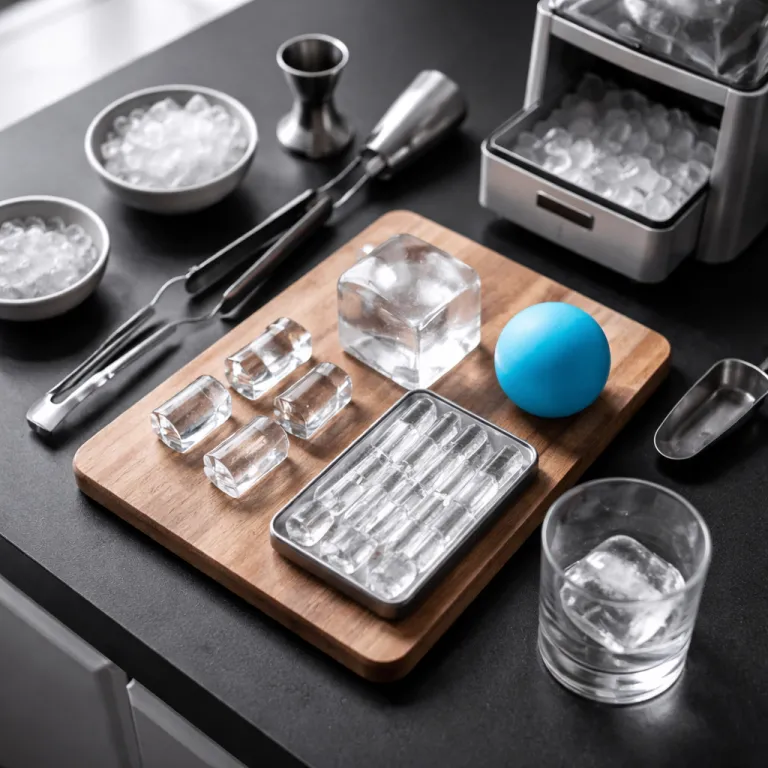
Home bar ice trends as the new specialty coffee moment
Home bar ice trends are following the same curve that specialty coffee rode from niche obsession to everyday ritual, with ice quality becoming as visible as grind size and water temperature. As more people host drinks at home, they notice how ice shape, cube size, and clarity change the taste, aroma, and pacing of each drink, just as extraction time reshaped coffee. The gap between basic freezer cubes and quality ice from dedicated ice makers is now as obvious as the difference between instant coffee and a carefully pulled espresso.
In testing dozens of ice makers and compact ice machines for home bars, I see buyers moving from “any frozen cube is fine” to demanding specific shapes and sizes for different cocktails. A big clear cube in a whisky cocktail slows dilution, while smaller cubes or crushed ice suit summer parties where guests sip lighter drinks for longer sessions. This shift in home expectations mirrors what happened when latte art and precise extraction times became the visible language of coffee culture in bars and at home.
Shape and clarity are powerful because they are easy to signal and hard to fake. When a guest sees clear cubes in a lowball glass or a tall Collins filled with sparkling craft ice, they instantly read quality, even before the first drink touches their lips. That visual promise only holds if the ice maker, the filtered water, and the storage—such as the ice bucket or ice well—are all tuned for quality ice rather than just frozen water.
For the cocktail hobbyist, this means home bar ice trends are no longer about buying the biggest cube tray and hoping for the best. You are choosing between nugget ice for casual cocktails, clear cube machines for spirit‑forward drinks, and hybrid ice makers that can switch between cocktail ice formats. The right ice maker becomes a piece of craft equipment, not an afterthought, and the quality of each ice cube or batch of ice cubes becomes part of your cocktail recipes rather than a background detail.
Convenience still matters, and it always will for the median home buyer who just wants cold drinks. Yet even those buyers now compare ice machines by how fast they produce cubes, how quiet they run, and whether they can deliver clear cubes instead of cloudy blocks of frozen water. That is exactly how coffee shifted, when people started comparing extraction profiles and grinder burrs instead of just asking whether a machine could make something hot in a mug.
As a tester, I watch how guests react when I serve the same drink with different ice shapes. A simple highball with filtered‑water clear ice in one glass and soft nugget ice in another becomes a live demonstration of surface area and dilution, and people rarely go back to generic cubes after that. In side‑by‑side pours, a 50 mm clear cube can keep a whisky highball within a narrow temperature band for twenty to thirty minutes, while a glass packed with 20 mm cubes or crushed ice will noticeably dilute flavor in under ten. Home bar ice trends are being written in those small moments, one drink at a time, as craft ice moves from bars into the home with the same inevitability that café‑style coffee moved into kitchens.
From cubes to craft ice ecosystems in the home bar
The most important shift in home bar ice trends is that buyers now think in terms of an ice ecosystem rather than a single tray of cubes. Instead of asking whether an ice maker can simply freeze water, serious cocktail fans ask how many shapes, sizes, and textures of ice cubes they can keep on hand for different cocktails. This mindset turns the home bar into a miniature back bar, where craft ice, storage, and workflow all support better drinks.
In practice, that ecosystem starts with the right ice maker and filtered water, because quality ice begins long before the cube hits the glass. A premium ice maker with a built‑in filter can remove off‑flavors from tap water, which protects the taste of delicate cocktail recipes and spirit‑forward drinks that rely on slow dilution from a single big cube. If you are weighing whether to invest in a premium machine, a detailed guide to a premium ice maker for home entertaining can help you understand how better filtration, insulation, and compressor design translate into more consistent cocktail ice.
Once the water is clean, the next decision is which ice maker or ice machine format best fits your home bar habits. Nugget ice machines create soft, chewable frozen pellets that are perfect for long summer sessions, tiki drinks, and tall drinks where high surface area keeps everything cold and refreshing. Clear cube machines, by contrast, focus on a single large cube or a few clear cubes that melt slowly, making them ideal for whisky, stirred cocktails, and any drink where you want to protect aroma and taste.
Storage is the often ignored third pillar of this ecosystem, yet it shapes real‑world quality. An insulated ice bucket on the counter can keep craft ice from sweating and refreezing into a block, while a dedicated ice well in a bar cart lets you separate crushed ice from larger cubes or a single big cube batch. When I test machines, I always evaluate how the ice behaves after thirty minutes in an ice bucket, because home bar ice trends are about serving guests over an evening, not just the first perfect drink.
Workflow matters as much as hardware. If your ice maker can produce several sizes of ice cubes but the controls are confusing, you will default to one cube size and never exploit the full range of shapes and sizes that modern machines offer. The best home setups keep things simple, with one setting for everyday drinks, one for cocktail ice, and one for crushed ice or nugget ice, so you can move from casual drinks to serious cocktails without rethinking your entire process.
Think of your home bar as a small professional station where every piece has a job. The ice maker supplies quality ice in the right shapes, the filtered water protects taste, the ice bucket and ice well preserve texture, and your cocktail recipes tie everything together into a coherent experience. When those elements align, home bar ice trends stop feeling like a fad and start feeling like a permanent upgrade to how you drink at home.
Technology and innovation in the latest home ice makers
Technology is closing the gap between professional bars and home setups, and that is where home bar ice trends become truly interesting. The latest generation of ice makers and compact ice machines brings shape precision, app control, and smarter filtration into kitchens that once relied on simple trays of frozen water. This collapse of the equipment gap means a cocktail hobbyist can now produce craft ice that rivals what you see in high‑end bars.
Shape precision is the headline feature in many new models, because it directly controls surface area and therefore dilution. Systems like GE Profile CustomSize Ice let you toggle between several cube sizes, so you can choose a big cube for a slow‑melting whisky drink or smaller cubes for shaken cocktails that need faster chilling. In typical configurations, that can mean shifting from roughly 18–22 mm “everyday” cubes to 38–50 mm cocktail cubes within the same machine. When you can dial in cube size from your phone, you start treating ice as an ingredient, not a background utility, and that mindset is at the heart of modern home bar ice trends.
Filtration and circulation technology have also improved, which matters more than most buyers expect. By constantly moving water and freezing it in layers, clear ice machines push out trapped air and impurities, producing clear cubes that look great and melt predictably in cocktails. Pair that with filtered water and you get quality ice that does not carry chlorine notes into delicate summer spritzes or spirit‑forward drinks, which is a difference you can taste even in simple highballs.
Smart features are no longer gimmicks when they solve real hosting problems. App‑connected ice makers can start a batch before guests arrive, alert you when the ice bucket is full, or switch from standard cubes to cocktail ice formats as you move from casual drinks to more serious cocktails. For buyers who entertain monthly, this kind of automation keeps the focus on guests and drink quality instead of worrying whether the ice is running out in the middle of service.
Hardware design has evolved alongside software. Better insulated bins keep ice cubes from partially melting and refreezing into clumps, while improved augers handle crushed ice without jamming, which used to be a common failure point in older ice machines. If you want to understand how compressors, evaporators, and storage interact inside these systems, a technical breakdown of an ice machine’s essential components can help you read spec sheets with a more critical eye.
From a testing standpoint, I now judge machines less by peak output and more by how consistently they deliver quality ice across different modes. A unit that can shift from clear cubes to crushed ice without flavor carryover or texture issues is far more valuable than a machine that only excels at one cube size. In my own trials, compact home units that produce 35–45 pounds of ice per 24 hours across at least two formats tend to keep up with typical weekend entertaining far better than smaller 20‑pound‑per‑day models. That is the direction home bar ice trends are heading, toward multi‑format single units that can handle everything from soft drinks for kids to precise cocktail ice for serious home mixologists.
What to buy now for a resilient home bar ice setup
With so many options, the key question for buyers following home bar ice trends is simple: what should you invest in now that will still feel relevant several years from today? The answer depends on how often you entertain, what kind of cocktails you serve, and how much counter space you can dedicate to an ice maker or compact ice machine. Rather than chasing every new feature, focus on a flexible foundation that treats ice as a core ingredient in your drinks, not an afterthought.
If you host monthly and care about presentation, start with a reliable countertop nugget or cube machine that uses filtered water and offers at least two ice sizes. A well‑reviewed smart nugget model, such as the Opal‑style machines tested in depth in a hands‑on nugget ice maker review, can cover everyday drinks, tall cocktails, and casual entertaining without overwhelming your home bar. Pair that with a set of silicone molds for one big clear cube per glass, and you already have a two‑format craft ice toolkit that handles most cocktail recipes with ease.
For buyers who lean heavily into whisky, stirred cocktails, and spirit‑forward drinks, a dedicated clear cube machine is worth serious consideration. These ice makers prioritize clarity and slow‑melting performance, giving you quality ice that respects aroma and taste even when a drink sits for twenty minutes. Combine that with a heavy insulated ice bucket and a small ice well on your bar cart, and you can stage clear cubes for guests while keeping backup cubes and crushed ice ready for longer sessions.
Space‑constrained buyers should think in terms of modular upgrades. A compact ice maker that fits under a cabinet, a narrow ice bucket that doubles as a bottle chiller, and stackable trays for specialty shapes and sizes can still deliver craft ice without turning your home into a commercial bar. The goal is not to own every gadget, but to ensure that for each style of drink you love, you have at least one form of cocktail ice or crushed ice that suits its ideal surface area and dilution profile.
Whatever path you choose, remember that water quality and maintenance are non‑negotiable. Use filtered water whenever possible, empty and dry the bin between sessions, and clean the interior of your ice maker or ice machine according to the manual so that quality ice stays free from off‑flavors. When you treat the machine with the same respect you give your spirits and mixers, your home bar ice trends will feel less like a tech experiment and more like a natural extension of your craft.
Home entertaining is not going away, and that is why investing in thoughtful ice setups now makes sense. As multi‑format machines, temperature‑controlled storage, and even ice‑specific cocktail menus spread from bars into the home, the buyers who already understand cube size, shape, and taste will adapt fastest. You do not need a commercial bar to serve great drinks; you just need the right combination of ice maker, storage, and attention to the frozen ingredient that quietly shapes every cocktail you pour at home.
Key figures shaping home bar ice trends
- Consumer surveys from major appliance brands consistently show strong enthusiasm for chewable nugget ice in United States households, which helps explain why nugget‑focused ice makers and ice machines dominate many new countertop launches for casual drinks and cocktails at home (brand and retailer trend reports; for example, internal 2023–2024 survey summaries shared at industry briefings).
- Dedicated clear ice makers now form a distinct home bar category, with manufacturers reporting growing residential demand for clear cubes that enhance both the visual appeal and taste of whisky and spirit‑forward cocktails (company product briefs, home‑bar market analyses, and launch presentations that highlight rising clear‑cube attachment rates).
- Smart ice technology is accelerating, with recent trade‑show coverage highlighting app‑driven ice makers that emphasize shape precision, multiple cube sizes, and remote scheduling to support home entertaining where ice quality and availability must better match professional bars (roundups from consumer‑technology outlets and appliance‑show floor reports).
- Systems such as GE Profile CustomSize Ice offer multiple selectable ice dimensions through connected platforms like SmartHQ, giving home users control over surface area and melt rate that previously belonged only to professional bar programs (manufacturer specifications and product documentation that detail cube‑size ranges and production capacity per 24 hours).