


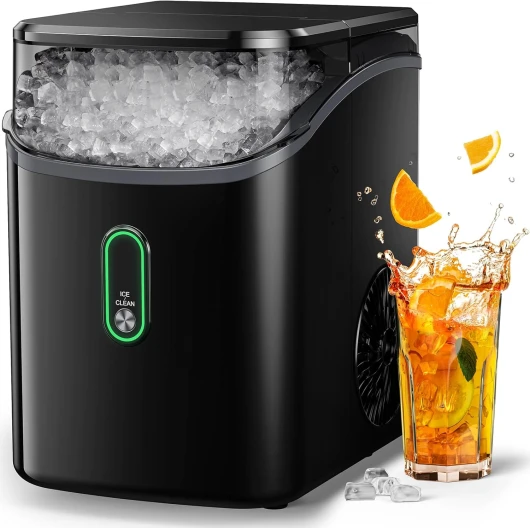
Understanding your ice maker’s unique maintenance needs
Recognizing the Specific Needs of Your Ice Maker
Every ice maker, whether it’s a compact home appliance or a robust commercial ice machine, has its own set of maintenance requirements. Understanding these unique needs is the first step to ensuring your machine delivers clean ice and operates efficiently over time. Not all machines are built the same—differences in design, water filter systems, and even the type of ice produced (like nugget, cube, or flake) mean that your maintenance approach should be tailored to your specific model.
- Read the machine manual: Always start by reviewing the manufacturer’s instructions. The manual will outline recommended cleaning routines, suitable cleaning solutions, and how to safely remove and service parts.
- Know your machine’s materials: Stainless steel ice makers often require different cleaning products compared to plastic or composite models. Using the right machine cleaner helps prevent damage and keeps your appliance looking new.
- Understand your water quality: Hard water can cause mineral buildup in your ice maker, affecting both ice production and the taste of your ice. If your area has hard water, you may need to clean and descale your machine more often.
- Commercial vs. home machines: Commercial ice makers typically have higher ice production rates and larger ice bins, which means they may need more frequent maintenance and service checks than home models.
Regular maintenance not only extends the life of your ice maker but also ensures you’re always serving quality, clean ice. If you’re unsure about warranty coverage or service requirements for your specific model, it’s a good idea to review the Scotsman ice maker warranty information for more details on what’s covered and recommended service intervals.
As you move forward, keep in mind that proper cleaning, filter checks, and attention to water quality are all essential parts of a comprehensive maintenance plan. These steps will help you avoid common issues and keep your ice machine running smoothly.

Cleaning routines to prevent buildup and odors
Keeping Your Ice Maker Fresh and Odor-Free
Regular cleaning is one of the most important steps in maintaining your ice maker, whether you own a commercial ice machine or a home appliance. Over time, minerals from hard water, dust, and food particles can build up inside your machine, leading to unpleasant odors and affecting the quality of your ice. If you want clean ice every time, it’s essential to follow a consistent cleaning routine.
- Unplug and Empty: Always unplug your ice maker before cleaning. Remove all ice from the ice bin and discard any cubes that have been sitting for a while.
- Use the Right Cleaning Solution: Check your machine manual for recommended cleaning solutions. Many manufacturers suggest a mix of warm water and a machine cleaner designed for ice makers. Avoid harsh chemicals that could damage stainless steel parts or leave residues.
- Clean Removable Parts: Take out any removable parts, such as the ice bin, water filter, and trays. Wash these with warm water and mild detergent, then rinse thoroughly to remove any soap.
- Wipe Down Interior and Exterior: Use a soft cloth and your cleaning solution to wipe down the inside of the ice maker, paying special attention to corners and crevices where buildup can hide. Don’t forget the exterior, especially if your machine is stainless steel.
- Rinse and Dry: After cleaning, rinse all surfaces with clean water to remove any cleaner residue. Dry thoroughly before reassembling.
- Sanitize Regularly: For commercial ice machines, regular sanitizing is a must. Follow your manufacturer’s guidelines for frequency and products to use.
Neglecting cleaning routines can lead to reduced ice production, poor water quality, and even damage to machine parts. If you notice your ice has an unusual taste or odor, it’s a clear sign your machine needs attention. For more on how specific components like the bin control thermistor affect your ice maker’s performance, check out this guide on the role of the AM-50BAJ bin control thermistor in your ice maker.
Consistent maintenance and cleaning will help your ice maker deliver high-quality, clean ice every time, extending the life of your appliance and ensuring the best results for your home or business.
Water quality and its impact on ice production
Why Water Quality Matters for Ice Production
Water quality plays a huge role in the performance and longevity of your ice maker. Whether you own a commercial ice machine or a home appliance, the water you use directly affects the taste, clarity, and safety of your ice. Poor water quality can lead to mineral buildup, cloudy ice, and even damage to internal parts over time.
- Hard water contains minerals like calcium and magnesium that can accumulate inside your machine, reducing efficiency and requiring more frequent cleaning.
- Impurities in water can cause unpleasant odors or tastes in your ice, making regular maintenance and cleaning even more important.
- Using a high-quality water filter helps remove contaminants and extends the life of your ice maker parts.
Tips for Maintaining Clean Ice and Optimal Performance
- Check your water source regularly. If you notice changes in taste or clarity, it may be time to service your filter or consider a different water solution.
- Follow your machine manual for recommended filter replacement intervals. Some commercial ice machines require more frequent filter changes due to higher usage.
- Use warm water and a machine cleaner designed for ice makers to remove mineral deposits from stainless steel surfaces and the ice bin.
- Always use a cleaning solution approved for your specific appliance to avoid damaging sensitive parts.
If you experience ongoing issues with ice production or water quality, it’s a good idea to reach out for expert support. For more guidance on maximizing your ice maker’s performance, check out this resource on getting the most from ice maker tech support.
Checking and replacing filters for better ice
Why Regular Filter Checks Matter
One of the most overlooked parts of ice maker maintenance is the water filter. Whether you own a commercial ice machine or a home appliance, the filter plays a crucial role in ensuring clean ice and optimal ice production. Over time, filters can become clogged with minerals, debris, and contaminants from hard water, which can impact the quality of your ice and even damage your machine.
How to Inspect and Replace Your Water Filter
- Check your machine manual: Every ice maker model has specific recommendations for filter maintenance. Refer to your manual for the correct filter type and replacement schedule.
- Inspect regularly: Look for signs of discoloration, buildup, or reduced water flow. These are indicators that your filter may need service or replacement.
- Replace on time: Most manufacturers suggest changing the water filter every 6 months, but this can vary based on water quality and usage. Commercial ice makers in high-demand settings may require more frequent changes.
Tips for Effective Filter Maintenance
- Always use a compatible filter designed for your specific ice maker or commercial ice machine.
- When replacing the filter, flush the system with warm water to remove any trapped particles or cleaning solution residue.
- After installing a new filter, run a cleaning cycle to ensure clean ice and prevent any taste or odor issues.
- Keep spare filters on hand, especially if your ice maker is critical for business operations.
Benefits of Keeping Filters Clean
Maintaining your water filter not only improves ice quality but also extends the lifespan of your ice maker. Clean filters help prevent scale buildup on stainless steel parts, reduce the need for deep machine cleaning, and ensure your appliance operates efficiently. Regular filter service is a simple yet effective way to support overall machine maintenance and keep your ice bin filled with fresh, clean ice.
Troubleshooting common ice maker issues
Quick Fixes for Common Ice Maker Problems
If your ice maker stops producing clean ice or the ice bin isn’t filling as it should, don’t panic. Many issues with ice machines can be resolved with a few practical steps. Here are some tips to help you troubleshoot before calling for service:- Check the water supply: Make sure the water line is connected and the valve is open. Low water quality or hard water can also impact ice production, so consider using a water filter if you haven’t already.
- Inspect the filter: A clogged or old filter can reduce water flow and affect the quality of your ice. Replace the filter as part of your regular maintenance routine.
- Clean the machine regularly: Buildup inside the ice maker or ice bin can cause odors and slow down ice making. Use a machine cleaner and warm water to remove mineral deposits and keep parts in good condition. Refer to your machine manual for specific cleaning solution recommendations.
- Check for ice jams: Sometimes, ice cubes get stuck and block the mechanism. Gently remove any jammed ice to restore normal operation.
- Monitor the temperature: If your appliance is not cold enough, ice production will slow. Make sure the ice maker is set to the correct temperature and that the condenser coils are clean.
- Inspect stainless steel surfaces: For commercial ice machines, keeping stainless steel parts clean prevents corrosion and maintains efficiency.
Seasonal maintenance and storage tips
Preparing Your Ice Maker for Seasonal Changes
Seasonal shifts can affect your ice maker’s performance and longevity, especially if you use your machine in a commercial setting or store it for extended periods. Proper maintenance during these times will help ensure clean ice and reliable ice production when you need it most.
- Deep Cleaning Before Storage: Always perform a thorough cleaning with a machine cleaner or a recommended cleaning solution before shutting down your appliance for the season. Remove all ice from the ice bin and wipe down all stainless steel surfaces with warm water to prevent residue and odors.
- Drain and Dry: Water left inside the machine or its parts can lead to mold, scale, or even freeze damage. Drain all water lines and let the interior dry completely. This step is crucial for both home and commercial ice makers.
- Check and Replace Filters: If your ice maker uses a water filter, replace it before storage or after long periods of inactivity. This helps maintain water quality and ensures your first batch of ice is clean and fresh.
- Inspect for Wear: Look over all accessible parts, including hoses, the ice bin, and any removable components. Replace any worn or cracked parts to avoid leaks or contamination when you restart the machine.
- Store in a Safe Environment: Keep your ice machine in a dry, temperature-controlled space. Avoid areas prone to dust, pests, or extreme temperatures, as these can impact the machine’s internal components and ice making ability.
- Restarting After Storage: When it’s time to use your ice maker again, run a full cleaning cycle with a machine cleaner and flush the system with clean water. This removes any dust or residue that may have settled during storage.
Following these tips will help you maintain the quality and reliability of your ice maker, whether it’s a compact home appliance or a large commercial ice machine. Regular seasonal maintenance extends the life of your machine and ensures you always have access to clean, high-quality ice.