


Understanding what makes ice clear
What Makes Ice Crystal Clear?
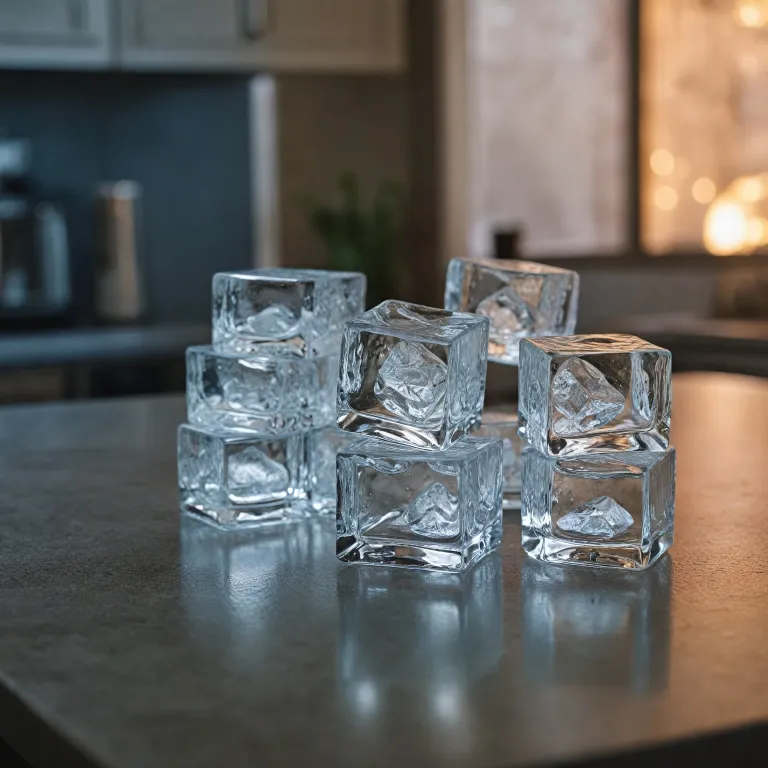
When you drop a perfectly clear ice cube into your cocktail, it’s not just about looks. Clear ice melts slower, chills your drink without watering it down, and elevates the whole experience. But what actually makes ice clear? It comes down to how water freezes and what’s inside it.
- Water Purity: The fewer impurities and minerals in your water, the clearer your ice will be. Tap water often contains minerals and tiny particles that get trapped as the ice freezes, making it cloudy.
- Freezing Method: The way water freezes affects clarity. Rapid freezing in a typical home freezer traps air and impurities, resulting in cloudy ice cubes. Slow, directional freezing—like the cooler method—pushes air and impurities to one end, leaving the rest crystal clear.
- Air Bubbles: As water freezes from all sides in a standard ice tray or mold, air gets trapped in the center, creating a cloudy core. Using an ice mold designed for directional freezing or a dedicated ice maker can help reduce this.
For those aiming for the best results at home, understanding these basics is the first step. Whether you’re using an ice tray, ice molds, or experimenting with the cooler method, your approach to water and freezing will make a big difference. If you want more in-depth tips on making perfectly clear ice cubes at home, check out this guide to making perfectly clear ice cubes at home.
Next, we’ll look at the factors in your home ice maker setup that can affect ice clarity, and how to get the most out of your machine for crystal clear results.

Factors that affect ice clarity in home ice makers
Why Home Ice Often Turns Cloudy
When you make ice at home, you might notice that your cubes or spheres are often cloudy instead of crystal clear. This cloudiness is usually caused by tiny air bubbles and impurities trapped inside the ice as it freezes. In most home freezers, water freezes from the outside in, which pushes air and minerals toward the center of the cube. This is why the center of your ice cubes is often the cloudiest part.
Key Factors That Influence Ice Clarity
- Water Quality: Tap water often contains minerals and impurities that get trapped in the ice. Using distilled water or filtered water can help reduce cloudiness and make your cubes clearer.
- Freezing Method: The way you freeze water matters. Standard ice trays and molds in your freezer freeze water from all sides, which traps air and impurities. Directional freezing, such as the cooler method, allows water to freeze from one direction, pushing air and minerals out and resulting in clearer ice blocks or spheres.
- Temperature: Freezing water too quickly can trap more air, making the ice cloudy. Slower freezing, often achieved with a dedicated ice maker or insulated cooler, can produce clearer cubes or blocks.
- Ice Maker Design: Some home ice makers are designed to mimic commercial machines by controlling the freezing direction or using pumps to circulate water. These features help create crystal clear ice cubes, spheres, or blocks ideal for cocktails and craft drinks.
Common Ice Shapes and Their Clarity
- Ice Cubes: Standard cubes from a tray or mold are usually more cloudy than those made with directional freezing or a specialized ice maker.
- Ice Spheres: Spheres made in insulated molds or with the right method can be very clear, especially when using distilled water and slow freezing.
- Block Ice: Large blocks, often made with the cooler method, can be cut with a serrated knife or ice pick for serving. These blocks tend to be clearer due to the slower, directional freeze.
For more detailed tips on achieving crystal clear ice at home, check out this guide on tips for achieving crystal clear ice at home.
Choosing the right ice maker for the clearest ice
Features to Look for in a Clear Ice Maker
When you want crystal clear ice cubes for your cocktails or entertaining, not all ice makers are created equal. The right machine can make a big difference in the clarity and quality of your ice. Here are some key features and methods to consider when choosing an ice maker for the clearest results:
- Directional Freezing Technology: This method freezes water from one direction, usually top-down, pushing air and impurities to the bottom. Machines using this technique, or allowing for the cooler method, consistently produce clear ice blocks and spheres.
- Insulated Ice Molds or Trays: Some ice makers come with insulated molds or trays that slow down the freezing process, helping to create crystal clear cubes or spheres. Look for models that include these accessories or are compatible with third-party ice molds.
- Water Filtration: Built-in water filters help remove minerals and particles from tap water, which can cause cloudy ice. If your ice maker doesn’t include a filter, consider using distilled water for best results.
- Ice Shape Options: Machines that offer different shapes—like ice spheres, cubes, or block ice—give you flexibility for cocktails or whiskey. Larger cubes or spheres melt slower and look more impressive in a glass.
- Removable Ice Trays or Bins: Easy-to-remove trays or bins make it simpler to extract your clear ice without cracking or chipping. This is especially important if you want to use an ice pick or serrated knife to shape your ice block for craft cocktails.
Comparing Home Ice Makers for Clarity
| Ice Maker Type | Clarity Potential | Best For |
|---|---|---|
| Standard Freezer Ice Trays | Cloudy | Everyday use, not for cocktails |
| Insulated Ice Molds | Clear to Crystal Clear | Craft ice, whiskey, cocktails |
| Countertop Clear Ice Makers | Crystal Clear | Entertaining, premium drinks |
| Cooler Method (DIY) | Crystal Clear | Large block ice, ice spheres |
Choosing the best ice maker depends on your needs and how much effort you want to put into the process. For the clearest results, look for machines that use directional freezing or allow you to use the cooler method. If you’re serious about craft ice, investing in a dedicated clear ice maker or high-quality ice molds will pay off in the clarity and appearance of your cubes and spheres.
Best practices for maintaining your ice maker
Routine Cleaning for Crystal Clear Results
Keeping your ice maker clean is essential for producing clear ice cubes and avoiding cloudy ice. Over time, mineral deposits from tap water and mold buildup can affect both the taste and clarity of your ice. Regular cleaning helps prevent these issues and ensures your cubes stay crystal clear, especially if you use your ice maker frequently for cocktails or entertaining.
- Unplug your ice maker before cleaning to ensure safety.
- Remove all ice, trays, and ice molds. Wash them with warm water and mild soap, then rinse thoroughly.
- Wipe down the interior with a soft cloth and a solution of equal parts water and vinegar. This helps dissolve mineral buildup and keeps your ice block or ice sphere molds in top condition.
- Check for any mold or residue in hard-to-reach areas, especially around the water reservoir and freezing components.
- Let all parts dry completely before reassembling and restarting your machine.
Preventing Mineral Buildup and Mold
Mineral deposits from hard water can cloud your ice cubes and affect the freezing process. Using distilled water or filtered water in your ice maker helps reduce these deposits, leading to clearer ice blocks and spheres. If you notice white spots or a chalky residue on your ice tray or molds, it’s a sign that minerals are accumulating.
- Descale your ice maker every few months using a manufacturer-approved descaling solution.
- Inspect the water lines and reservoir for any buildup or blockages that could impact water flow and freezing efficiency.
- Replace water filters as recommended by the manufacturer to maintain the best water quality for clear ice.
Proper Storage and Handling of Ice
Even with the best ice maker, how you store and handle your ice cubes can impact their clarity. Avoid leaving ice in the freezer for too long, as it can absorb odors and develop a cloudy appearance. For craft ice or large block ice, use a dedicated cooler or ice tray to keep the cubes separated and prevent them from sticking together.
- Transfer fresh ice to a clean, airtight container or cooler as soon as it’s made.
- Use an ice pick or serrated knife to break block ice or large cubes for cocktails, ensuring you don’t introduce contaminants.
- Rinse ice spheres or cubes with cold distilled water before serving to remove any surface frost and enhance clarity.
By following these best practices, you’ll maintain your ice maker in top condition and consistently enjoy crystal clear ice for every drink and occasion.
Water preparation tips for crystal-clear ice
Preparing Water for Crystal Clear Ice
Getting the clearest ice cubes at home starts with the water you use. Even the best ice maker or ice mold can’t overcome poor water quality. Here are practical steps to help you achieve crystal clear ice for your cocktails, coolers, or any occasion.
- Use Distilled or Filtered Water: Tap water often contains minerals and impurities that cause cloudy ice. Distilled water is free from these, making it the top choice for clear cubes. If distilled water isn’t available, use filtered water to reduce cloudiness.
- Boil and Cool the Water: Boiling water helps remove dissolved gases that can create bubbles and cloudiness in your ice. Let the water cool before pouring it into your ice tray, ice molds, or block ice mold.
- Directional Freezing Method: This technique mimics commercial ice makers. Use a small cooler or insulated container inside your freezer. Fill it with prepared water and leave the top open. The ice will freeze from the top down, pushing impurities to the bottom. Once mostly frozen, remove the block and trim off the cloudy section with a serrated knife or ice pick for the clearest results.
- Slow Freezing: Slower freezing allows air bubbles to escape before the water solidifies. Set your freezer to a slightly warmer setting if possible, or use a cooler method to slow down the process.
- Keep Molds and Trays Clean: Residue in your ice tray or ice molds can affect clarity. Wash thoroughly with warm water before each use to avoid introducing particles into your ice cubes or spheres.
Whether you’re making craft ice spheres, block ice for carving, or standard cubes, these water preparation tips will help you get closer to that crystal clear ice you see in high-end cocktails. Remember, the right water and freezing method make all the difference in achieving the best results from your home ice maker.
Troubleshooting cloudy ice issues
Common Causes of Cloudy Ice
Even with the best ice maker and careful water preparation, you might still find your ice cubes coming out cloudy. Understanding the root causes can help you achieve that crystal clear look for your cocktails and drinks.
- Water Quality: Tap water often contains minerals and impurities that get trapped during freezing, leading to cloudy ice. Using distilled water or water that has been boiled and cooled can help reduce cloudiness.
- Freezing Method: Rapid freezing in a standard freezer or ice tray traps air bubbles and impurities. Directional freezing, such as the cooler method, allows gases and minerals to escape, resulting in clearer cubes or blocks.
- Ice Maker Maintenance: Residue, scale, or mold inside your ice maker can affect clarity. Regular cleaning ensures your ice stays clear and safe for consumption.
- Temperature Fluctuations: If your freezer or ice maker temperature isn’t consistent, it can cause uneven freezing and cloudy spots in your ice cubes or spheres.
Steps to Fix Cloudy Ice Problems
- Switch to Distilled Water: Try using distilled water in your ice molds or trays. This removes most minerals that cause cloudiness.
- Use the Cooler Method: Fill a small insulated cooler with water and place it in your freezer. This directional freezing method helps create clear block ice by forcing impurities to the bottom.
- Clean Your Ice Maker Regularly: Follow the manufacturer’s instructions for cleaning. Remove and wash ice trays, molds, and any removable parts to prevent buildup.
- Control Freezing Speed: Slower freezing helps air and impurities escape. If possible, adjust your freezer to a slightly warmer setting or use larger molds for slower freezing.
- Trim Cloudy Edges: For craft ice or ice spheres, use an ice pick or serrated knife to trim away cloudy sections, leaving only the clear ice for your cocktail presentation.
When to Seek a Different Solution
If you’ve tried all the best practices and your ice is still cloudy, consider upgrading your ice maker. Some models are designed specifically for crystal clear ice cubes or spheres, using directional freezing or built-in filtration. Also, check if your current ice tray or mold is designed for clear ice production, as some generic molds may not deliver the results you want.
Remember, achieving perfectly clear ice is a combination of the right water, freezing method, and regular maintenance. With a bit of troubleshooting, you can enjoy crystal clear cubes, spheres, or block ice for any occasion.