
Understanding why ice turns cloudy
Why Does Ice Often Look Cloudy?
If you’ve ever noticed that your ice cubes look cloudy instead of crystal clear, you’re not alone. Most home freezers and even some ice makers produce ice that’s white or cloudy in the center. This isn’t just about appearance—cloudy ice can affect the taste and presentation of your cocktails and drinks, especially when you want that professional, clear ice look in your glasses.
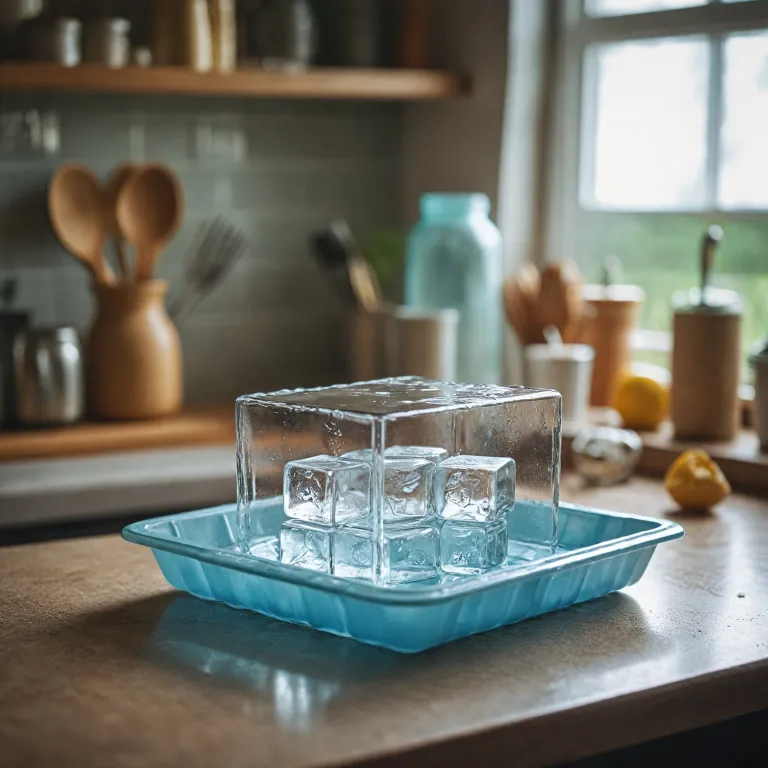
The main reason ice turns cloudy is due to trapped air bubbles and impurities in the water. As water freezes, it pushes air and minerals toward the center of the cube, creating that familiar white core. This is especially common when using tap water, which often contains dissolved gases and minerals. The freezing process in a standard tray or mold is usually quick and uneven, which doesn’t give these impurities a chance to escape.
Another factor is the direction in which the water freezes. In most home freezers, ice freezes from the outside in, trapping air and particles inside. This is why techniques like directional freezing or using a small cooler can help produce clearer ice blocks or spheres. The method you use, the water quality, and even the type of ice cube tray or mold all play a role in how clear your ice will be.
- Cloudy ice is mostly caused by air bubbles and minerals trapped during freezing
- Tap water usually leads to more cloudy cubes than distilled water
- Freezing direction and speed matter for ice clarity
Understanding these basics will help you avoid common mistakes and choose the right steps for making clear ice at home. For more tips on achieving perfectly clear ice cubes, check out this guide to making perfectly clear ice cubes at home. This knowledge will also help you get the most out of your ice maker, whether you’re preparing ice spheres for cocktails or large blocks for cutting with an ice pick.

Choosing the right water for clear ice
How Water Quality Impacts Ice Clarity
When aiming for crystal clear ice cubes at home, the type of water you use is a crucial step. Most cloudy ice forms because of impurities and air bubbles trapped during freezing. Tap water often contains minerals, chlorine, and microscopic particles that can make your ice cloudy. For cocktails clear enough to impress, water clarity is just as important as the freezing method.
- Distilled water is one of the best choices for making clear ice. It has fewer minerals and impurities, reducing the chance of cloudy ice cubes.
- Filtered water is a good alternative if you don’t have distilled water. A quality filter can remove many of the particles and chemicals that cause ice to look cloudy.
- Boiling water before freezing can help release trapped air, but it won’t remove minerals. For the clearest ice spheres or cubes, combine boiling with distilled or filtered water.
Remember, even with the right water, the freezing process and your ice mold or tray play a big role in the final result. Directional freezing, for example, helps push air and impurities to one end of the ice block, making the rest of the cube crystal clear. This method is often used with a small cooler in your freezer to control how the ice freezes.
For more detailed tips on achieving ice clear enough for any drink, check out this guide on tips for achieving crystal clear ice at home. It covers everything from choosing the right water to using the best ice cube tray or mold for your needs.
Choosing the right water is just one part of the process. The next step is understanding how your ice maker or freezing method affects the clarity of your cubes and spheres, which can make all the difference in your cocktails and glasses.
The role of your ice maker in ice clarity
How Your Ice Maker Impacts Ice Clarity
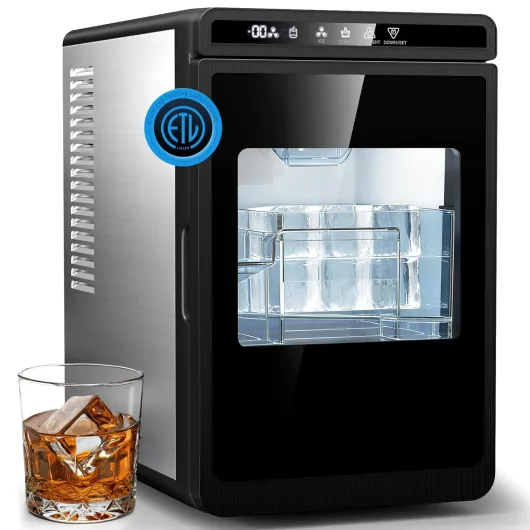
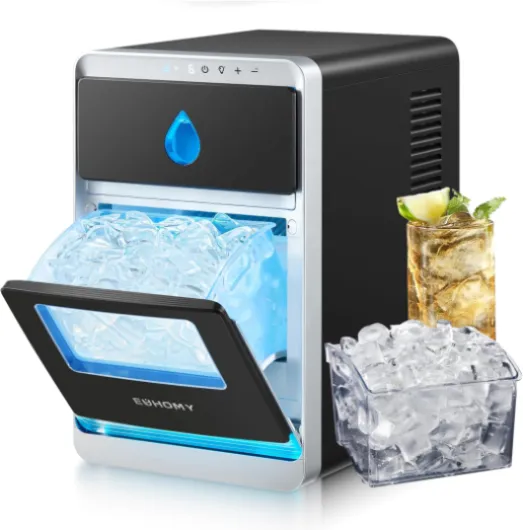
The quality of your ice maker plays a major role in whether your ice cubes turn out crystal clear or cloudy. Most home freezers and standard cube trays freeze water from all directions at once. This traps air bubbles and minerals, leading to cloudy ice cubes that melt quickly and can affect the taste and look of your cocktails.
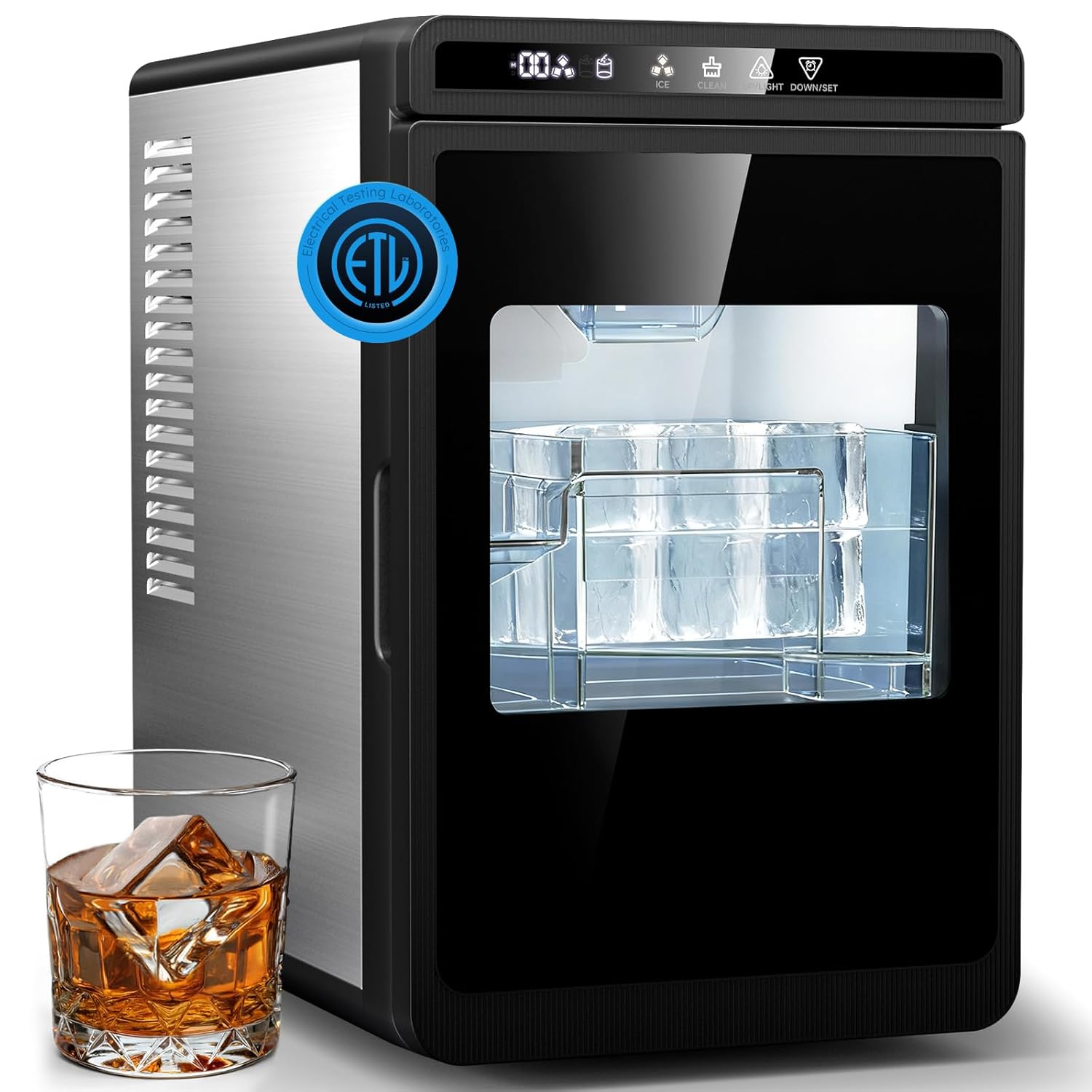
Modern ice makers, especially those designed for clear ice, use a process called directional freezing. This method freezes water from one direction, usually top to bottom, which pushes air and impurities to the bottom of the mold or tray. As a result, the top portion of the ice block or sphere is much more clear, perfect for serving in glasses or for cutting into cubes for cocktails clear of cloudiness.
- Directional freezing: Creates clear ice by controlling how water freezes and where air bubbles go.
- Insulated molds or small coolers: Help slow the freezing process, which is key for crystal clear cubes or ice spheres.
- Water quality: Even with a good ice maker, using distilled water or filtered tap water will improve clarity.
Some ice makers even offer specialized trays or molds for making large cubes, spheres, or blocks. These are ideal for cocktails, as they melt slower and keep your drink cold without diluting it quickly. If you want to cut ice for a specific glass or create an ice pick effect, starting with a clear ice block from your ice maker is much easier than working with cloudy ice.
Keep in mind, the performance and longevity of your ice maker matter too. Regular maintenance ensures your machine continues to produce clear ice cubes and prevents mineral buildup that can make ice cloudy. For more details on keeping your ice maker in top shape and understanding your warranty, check out this guide on understanding the Scotsman warranty for your ice maker.
Step-by-step guide to making clear ice
Follow These Steps for Crystal Clear Ice at Home
If you want your cocktails clear and your ice cubes looking like glass, follow this practical step-by-step guide. These methods help minimize air bubbles and impurities, giving you ice that’s perfect for any drink.- Prepare the Water
Start with filtered or distilled water. Tap water often contains minerals and air that make ice cloudy. For the clearest results, boil the water, let it cool, then boil it again. This helps remove dissolved gases that can cause cloudiness. - Choose the Right Mold or Tray
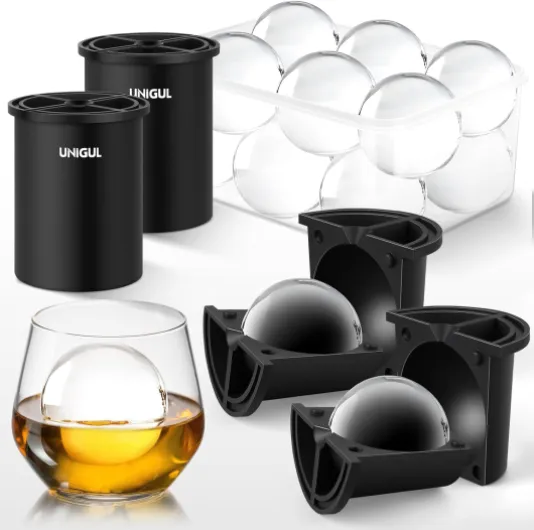
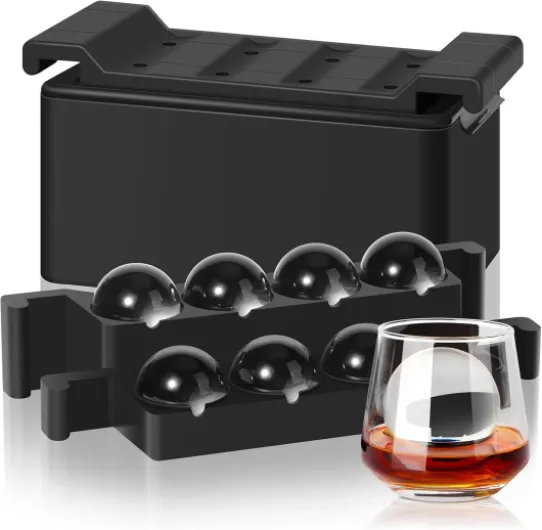
Use a silicone ice cube tray or a dedicated ice sphere mold. These are easier to remove the ice from and help maintain the shape of your cubes or spheres. For larger cubes or an ice block, use a small cooler that fits in your freezer. - Directional Freezing Method
Place your mold or tray inside a small insulated cooler. Leave the lid off. The cooler slows down the freezing process, forcing the ice to freeze from the top down. This pushes air and impurities to the bottom, resulting in crystal clear ice on top. Once frozen, you can cut ice to your preferred size using an ice pick. - Remove and Store the Ice
Take the clear ice out of the mold or cooler. If there’s a cloudy layer at the bottom, trim it off with a knife or ice pick. Store the clear cubes or spheres in a sealed bag or container in your freezer to prevent them from absorbing odors. - Serve and Enjoy
Add your crystal clear ice cubes or spheres to your glasses. Whether it’s for a cocktail, a neat drink, or even just water, clear ice elevates the look and experience of your beverage.
- Directional freezing is the key to ice clarity.
- Using distilled water and a slow freezing process helps keep your ice clear.
- Always use clean molds and trays to avoid introducing impurities.
With a bit of patience and the right technique, you’ll have ice that’s as clear as crystal, perfect for impressing guests and enjoying your favorite cocktails.
Common mistakes to avoid when making clear ice
Frequent Pitfalls That Lead to Cloudy Ice
- Using tap water: Tap water often contains minerals and impurities that can make your ice cubes cloudy. For crystal clear ice, always use filtered or distilled water. This helps reduce the presence of air bubbles and other particles that cloud your cubes.
- Freezing too quickly: Rapid freezing traps air and impurities inside the ice, resulting in cloudy cubes. Slower freezing, such as with a small cooler or by using directional freezing methods, allows air to escape and produces clearer ice blocks or spheres.
- Improper mold or tray: Using a standard ice cube tray can lead to uneven freezing. Silicone molds or directional freezing trays are better for making clear ice spheres or cubes, as they help control the freezing process and minimize trapped air.
- Not pre-boiling water: Boiling water before freezing can help remove dissolved gases, which contribute to cloudy ice. Let the water cool before pouring it into your mold or tray for best results.
- Overfilling the mold: Filling your ice mold or tray to the brim can cause water to spill and freeze unevenly, leading to cloudy ice and misshapen cubes. Leave a little space at the top for expansion.
- Disturbing the freezing process: Moving your tray or cooler while the water is freezing can introduce air bubbles, resulting in less clear ice cubes. Place your mold in the freezer and avoid opening the door until the ice is fully set.
- Neglecting your ice maker: If you use an ice maker, regular maintenance is key. Mineral buildup or dirty components can affect water clarity and ice quality. Clean your ice maker as recommended to keep your ice crystal clear for cocktails and drinks.
How to Recognize and Fix Cloudy Ice
- If your ice cubes are consistently cloudy, review your water source and freezing method. Try switching to distilled water and using a directional freezing technique with a small cooler for better results.
- For ice spheres or large blocks, use an ice pick to cut away cloudy sections and keep only the clear center for serving in glasses or cocktails.
- Regularly inspect your ice cube tray or mold for cracks or residue that could introduce impurities into your ice.
By avoiding these common mistakes, you will enjoy crystal clear ice cubes and spheres that elevate your cocktails and make every drink look and taste better.
Maintaining your ice maker for optimal performance
Keeping Your Ice Maker in Top Shape
Regular maintenance is essential if you want to keep producing crystal clear ice cubes for your cocktails and drinks. Even the best ice maker can start making cloudy ice if it’s not properly cared for. Here are some practical steps to help you maintain your machine and ensure your ice cubes stay clear and free of unwanted flavors:- Clean the ice maker regularly: Mineral deposits from tap water, as well as mold and bacteria, can build up inside your machine. Use a manufacturer-approved cleaner and follow the recommended cleaning schedule. This helps prevent cloudy ice and keeps your cubes tasting fresh.
- Change the water filter: If your ice maker has a water filter, replace it as directed. A clogged filter can reduce water clarity and introduce impurities, making it harder to achieve crystal clear ice blocks or spheres.
- Inspect the ice tray and mold: Residue and mineral buildup in the cube tray or ice sphere mold can cause air bubbles and cloudy ice. Rinse these parts with warm water and a mild detergent, then dry thoroughly before reassembling.
- Check the freezer temperature: For clear ice, your freezer should be set just below freezing. If it’s too cold, ice can freeze too quickly, trapping air and creating cloudy cubes. Use a thermometer to monitor the temperature and adjust as needed.
- Use distilled or filtered water: As discussed earlier, water quality is key for clear ice. Regularly refill your machine with distilled or filtered water to reduce mineral content and prevent scale buildup.
- Empty the ice bin: Don’t let ice cubes sit in the bin for too long. Old ice can absorb odors and become cloudy. Use fresh ice for cocktails clear enough to impress your guests.
| Maintenance Task | Frequency | Why It Matters |
|---|---|---|
| Clean ice maker | Monthly | Prevents mold, keeps ice clear |
| Change water filter | Every 6 months | Removes impurities, improves taste |
| Inspect tray/mold | Every use | Reduces air bubbles, ensures clarity |
| Check freezer temp | Weekly | Prevents rapid freezing, avoids cloudy ice |