
What sets soft serve apart from traditional ice cream
Comparing Soft Serve and Traditional Ice Cream: Texture, Ingredients, and Experience
When deciding between soft serve and traditional ice cream for your ice maker needs, it’s important to understand what truly sets these frozen desserts apart. Both are beloved treats, but their differences go beyond just how they’re served.
- Texture and Air Content: Soft serve is known for its smooth, creamy texture. This is achieved by incorporating more air (also called overrun) into the mixture during the freezing process. Traditional ice cream, or hard ice cream, contains less air, resulting in a denser, richer dessert. The higher air content in soft serve makes it lighter and easier to dispense straight from the machine.
- Fat Content and Ingredients: Traditional ice cream typically has a higher milk fat content, often between 10% and 20%. This gives it a creamy, indulgent mouthfeel. Soft serve usually contains less milk fat, sometimes as low as 3% to 6%, and rarely includes egg yolks. The lower fat content and absence of egg yolks in soft serve contribute to its lighter, softer consistency. Both desserts start with a liquid base, but the proportions of milk, cream, and sugar vary.
- Serving Temperature and Consistency: Soft serve is served at a slightly warmer temperature than traditional ice cream, which keeps it soft and easy to swirl. Traditional ice cream is stored and served at colder temperatures, making it firmer and requiring a scoop to serve.
- Flavor and Variety: Both soft serve and traditional ice cream can be made in a range of flavors. However, soft serve machines often allow for quick flavor changes and the addition of mix-ins or swirls, while traditional ice cream is more commonly found in pre-set flavors.
- Frozen Yogurt and Other Variations: Many ice makers can also produce frozen yogurt, which shares a similar texture to soft serve but uses yogurt in the base for a tangier flavor and lower fat content.
Understanding these differences is key when choosing the right ice maker or cream machine for your needs. Whether you’re after the creamy texture of traditional ice cream or the light, smooth consistency of soft serve, your choice will impact everything from maintenance to the types of desserts you can offer. If you’re interested in maximizing cooling for your frozen desserts, check out this guide on how to safely use dry ice in a cooler for maximum cooling.
How ice makers adapt to soft serve and ice cream production
How Ice Makers Handle Different Frozen Desserts
Ice makers designed for soft serve and traditional ice cream production use different methods to achieve the ideal texture and flavor. The main difference comes down to how each machine freezes and incorporates air into the mixture, which directly affects the creaminess and mouthfeel of the final product.
- Soft serve machines are built to freeze a liquid base quickly while whipping in a high amount of air (overrun). This results in a smooth, creamy texture soft enough to dispense directly into a cone or cup. The higher air content makes soft serve lighter and gives it that signature swirl. These machines often handle a lower fat content mix, sometimes including frozen yogurt or other frozen dessert bases.
- Traditional ice cream makers freeze the mixture more slowly and churn it less aggressively. This creates a denser, hard ice cream with less air, a richer flavor, and a higher fat content. Some models use egg yolks in the mix for a custard-like texture, while others focus on classic milk and cream combinations. The result is a firmer, scoopable dessert with a creamy texture and intense flavor.
Both types of ice makers must maintain precise temperature control to prevent ice crystals from forming, which can ruin the smoothness of the dessert. The choice of machine also affects the types of flavors and mix-ins you can use. For example, soft serve machines are ideal for serving classic vanilla or chocolate, while traditional ice cream makers can handle a wider range of flavors and chunky mix-ins.
If you want to dive deeper into how soft ice is produced in specialized machines, check out the ultimate guide to soft ice from your ice machine for more technical details and tips.
Key considerations for choosing an ice maker for soft serve
Choosing the Right Ice Maker for Soft Serve: What Matters Most
When selecting an ice maker for soft serve, there are a few unique requirements to keep in mind. Soft serve is known for its smooth, creamy texture and higher air content compared to traditional ice cream. This means your machine needs to handle a specific frozen dessert mixture and maintain the right balance of temperature, air, and mix consistency.
- Mix Compatibility: Soft serve machines are designed to work with liquid base mixes that often have lower milk fat content than traditional ice cream. Make sure your ice maker can process the type of mix you plan to use, whether it’s dairy-based, frozen yogurt, or a non-dairy alternative.
- Air Incorporation: The creamy texture of soft serve comes from the air whipped into the mixture during freezing. Look for a machine that allows you to adjust air content, so you can control how light or dense your soft serve will be.
- Temperature Control: Soft serve is served at a slightly warmer temperature than hard ice cream, which keeps it smooth and easy to dispense. A good ice maker for soft serve should offer precise temperature settings to avoid icy or runny results.
- Capacity and Output: Consider how much soft serve you need to produce. Machines vary in size and output, so choose one that matches your demand, whether you’re serving a few desserts at home or running a busy dessert shop.
- Flavor Flexibility: Some soft serve ice makers let you serve multiple flavors or swirl two together. If variety is important, look for a machine with this capability.
- Cleaning and Maintenance: Since soft serve uses a liquid base and incorporates air, regular cleaning is crucial to prevent buildup and maintain flavor quality. Check how easy it is to disassemble and clean the machine.
It’s also wise to consider the reliability and warranty coverage of your chosen ice maker. For more details on what to expect from manufacturer warranties, you can read about understanding the Scotsman warranty for your ice maker.
By focusing on these factors, you’ll be better equipped to choose a soft serve ice maker that delivers the creamy, smooth dessert texture you want, with the flexibility to experiment with different flavors and mixtures.
Key considerations for choosing an ice maker for traditional ice cream
Choosing the Right Ice Maker for Traditional Ice Cream
When selecting an ice maker for traditional ice cream, it’s important to focus on the unique requirements of this classic frozen dessert. Traditional ice cream relies on a higher fat content, often from cream and milk, and sometimes includes egg yolks for a rich, creamy texture. The process is different from soft serve, as traditional ice cream is churned and then hardened, resulting in a denser, smoother product with less air content.
- Churning and Freezing Power: Traditional ice cream needs a machine that can churn the mixture while freezing it evenly. Look for ice makers or ice cream machines with strong motors and efficient freezing systems to prevent ice crystals and ensure a smooth, creamy texture.
- Capacity and Batch Size: If you plan to make larger quantities or multiple flavors, consider a machine with a bigger bowl or continuous freezing capability. Batch size can impact the consistency of the frozen dessert, especially with higher fat content mixtures.
- Mix Compatibility: Traditional ice cream mixtures can be thick, especially with higher milk fat or the addition of egg yolks. Make sure your ice maker can handle these heavier mixes without straining the motor or compromising the final texture.
- Texture Control: Some machines offer settings to adjust the hardness or creaminess of the finished product. This is useful if you want to experiment with different levels of air content or create variations like frozen yogurt or hard ice cream.
- Material and Build Quality: Stainless steel bowls and high-quality paddles help maintain the right temperature and ensure even mixing, which is crucial for achieving the desired creamy texture in traditional ice cream.
Traditional ice cream machines are designed to handle the demands of a denser, richer dessert. They differ from soft serve machines, which focus on incorporating more air for a lighter, smoother texture soft enough to serve immediately. When choosing a machine, always consider the type of frozen dessert you want to create, the fat content of your mix, and how much control you need over the final product’s texture and flavor.
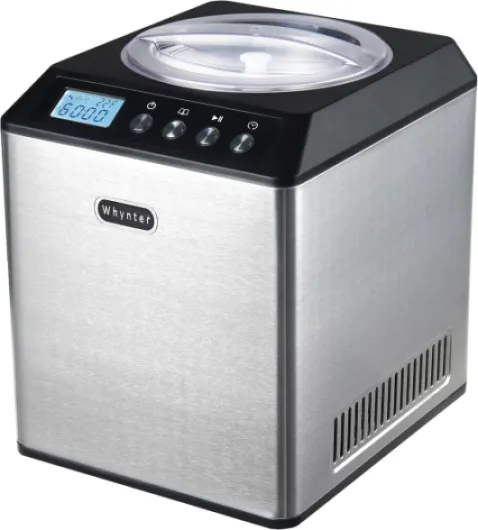
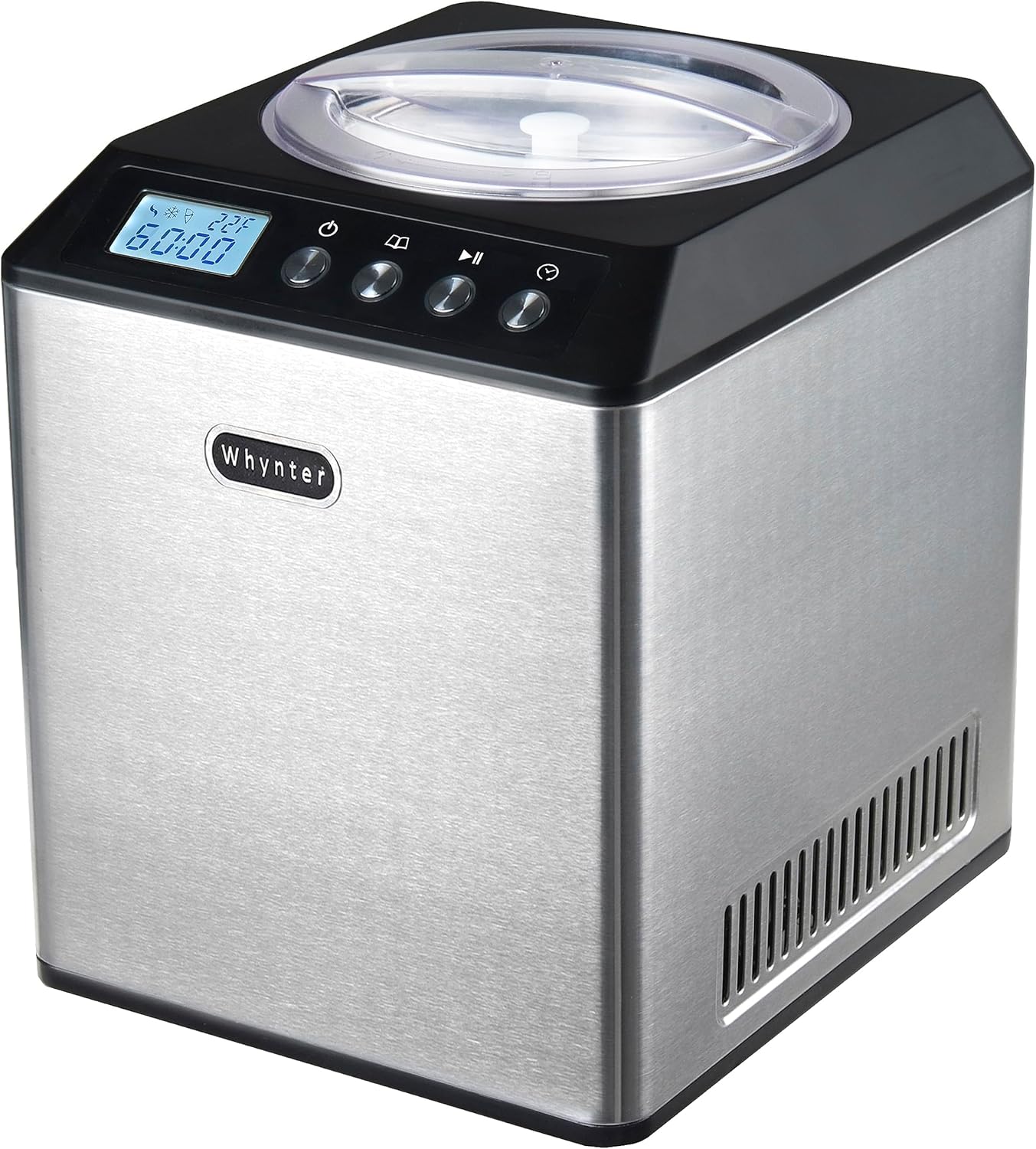
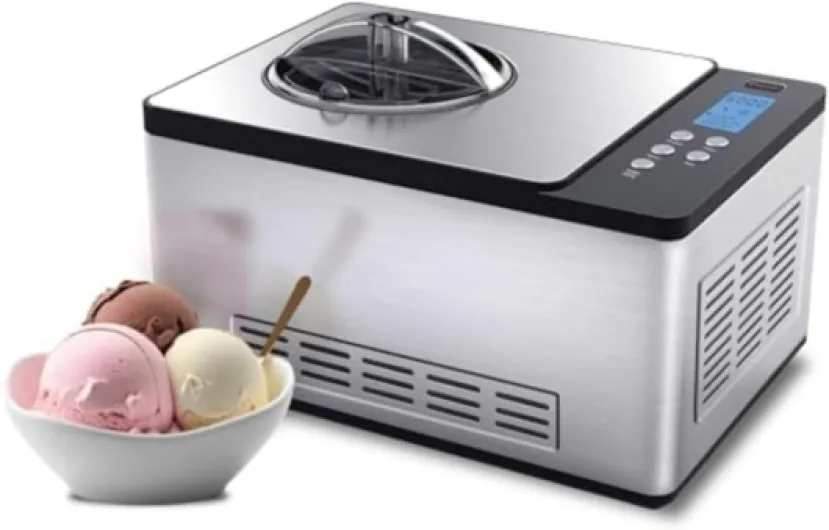
- + Automatic operation
- + Built-in compressor
- + LCD digital display
- + Timer function
- + No pre-freezing required

Maintenance and cleaning differences between soft serve and ice cream machines
Cleaning routines for soft serve and traditional ice cream machines
When it comes to maintaining your ice maker, the type of frozen dessert you produce—whether soft serve or traditional ice cream—makes a big difference in your cleaning and maintenance routine. Both machines handle milk, cream, and sugar mixtures, but their internal mechanisms and the way they process air and fat content mean unique care requirements.
- Soft serve machines require frequent cleaning, often daily, because the mixture sits at a temperature where bacteria can grow if not properly managed. The liquid base, which may include milk, cream, and sometimes egg yolks, is kept just above freezing, making hygiene a top priority.
- Traditional ice cream makers usually operate with a batch process. The mixture is frozen hard and then stored, so the risk of bacterial growth is lower. However, the higher fat content and thicker texture can leave residue, so thorough cleaning after each batch is still essential.
Key areas to focus on for each machine type
For soft serve machines, pay special attention to the dispensing nozzles and the internal mix hopper. These areas are in constant contact with the creamy mixture and air, which can lead to buildup affecting both flavor and texture soft qualities. Regular sanitizing helps maintain the smooth, creamy texture that defines soft serve desserts.
With traditional ice cream machines, the dasher (the part that churns the mixture) and the freezing chamber need careful cleaning. The higher fat and milk content can stick to surfaces, impacting the next batch’s flavor and creamy texture. Some machines have removable parts for easier washing, while others require manual scrubbing.
Maintenance tips for optimal performance
- Always use cleaning solutions recommended by your machine’s manufacturer to protect internal components and preserve flavor integrity.
- Check gaskets and seals regularly, especially in soft serve machines, to prevent leaks and maintain the right air content in your frozen dessert.
- For both machine types, run a rinse cycle between different flavors to avoid cross-contamination and ensure each batch of ice cream or frozen yogurt tastes fresh.
By understanding the maintenance needs of your chosen ice maker, you’ll ensure your soft serve or traditional ice cream remains safe, creamy, and full of flavor for every serve.
Which is right for you: soft serve or traditional ice cream
Finding Your Ideal Frozen Dessert Experience
Choosing between soft serve and traditional ice cream for your ice maker setup depends on what you want from your frozen dessert. Each option brings its own unique qualities in terms of texture, flavor, and serving style. Here’s what to keep in mind as you decide:
- Texture and Creaminess: Soft serve is known for its smooth, airy, and creamy texture, thanks to higher air content and lower fat content. Traditional ice cream, on the other hand, is denser and richer, often containing more milk fat and sometimes egg yolks for a hard, creamy finish.
- Serving and Variety: If you want to serve ice quickly and offer a variety of flavors, soft serve machines are efficient and versatile. They’re great for frozen yogurt, mix-ins, and dessert bars. Traditional ice cream makers are ideal for those who prefer classic, hard ice cream with a higher fat content and robust flavor profile.
- Ingredients and Mixture: Soft serve typically uses a liquid base with lower fat and higher air content, while traditional ice cream relies on a richer mixture of cream, milk, and sometimes egg yolks. This affects both the flavor and the creamy texture of the final product.
- Maintenance and Cleaning: Soft serve machines often require more frequent cleaning due to the liquid mix and continuous operation. Traditional ice cream makers may need less frequent but more thorough cleaning, especially if you’re working with higher fat mixtures.
Ultimately, your choice comes down to your menu, customer preferences, and how you want to serve frozen desserts. If you’re looking for a smooth, creamy, and quick-serve option, soft serve is a strong choice. For those who value a rich, hard, and traditional ice cream experience, a traditional ice cream machine will deliver the classic flavors and textures you expect. Consider your space, cleaning routines, and the type of dessert experience you want to create before making your decision.