
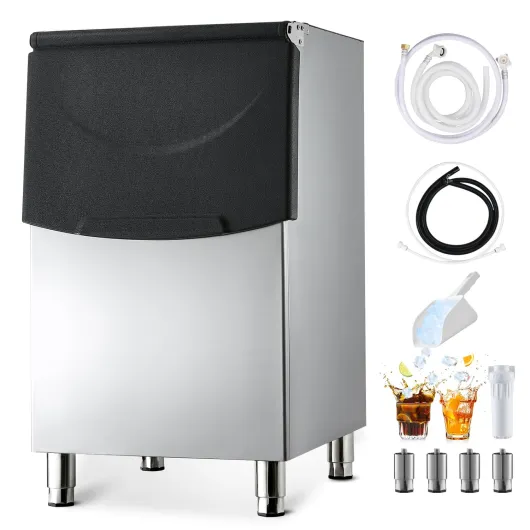
Understanding ice machines with bins
What Sets Ice Machines with Bins Apart?
When looking for the right ice equipment for your business or home, understanding the basics of ice machines with bins is essential. These units combine an ice maker and a storage bin, allowing you to produce and store large quantities of ice efficiently. Whether you need a commercial ice machine for a restaurant or a modular ice maker for a hotel, knowing the differences between models can help you make a better decision.
Types of Ice Machines and Storage Bins
There are several types of ice machines with bins, each designed for specific needs:
- Modular ice machines: These are separate units that sit on top of a storage bin. They are ideal for high-volume environments and can be paired with bins of various storage capacities.
- Undercounter ice makers: Compact and designed to fit under counters, these machines are perfect for bars, cafes, or small kitchens where space is limited.
- Ice dispensers: These combine ice production, storage, and dispensing in one unit, often used in healthcare or self-service areas.
Each type offers different advantages in terms of storage capacity, ice type (cube, nugget ice, etc.), and installation flexibility. For example, air cooled and water cooled ice machines have different requirements and efficiencies, which can impact your choice.
Why Storage Matters
The storage bin is just as important as the ice maker itself. A well-matched bin ensures you always have enough ice on hand during peak hours. Commercial ice makers with bin options can store anywhere from 100 lbs to over 1000 lbs of ice, depending on the model. This is crucial for businesses that rely on a steady supply of ice water, drinks, or food preservation.
Popular Brands and Accessories
Brands like Manitowoc offer a wide range of machines and bins, including air cooled and remote cooled models. When choosing your equipment, consider available parts accessories and the ease of finding replacement components for maintenance. Accessories like scoops, ice dispensers, and custom ice stamps can further enhance your ice service. If you want to add a personal touch to your drinks, check out this guide on how to personalize your drinks with a custom ice stamp.
Key Considerations Before Buying
Before making a purchase, think about your daily ice needs, available space, and whether you need a commercial or undercounter ice machine. The right combination of machine and bin will ensure you have reliable ice storage and production, setting the foundation for smooth operations. Later sections will cover features, capacity, installation, and maintenance tips to help you make an informed decision.
Key features to look for in ice machines with bins
Essential Elements for Efficient Ice Production
When selecting commercial ice machines with bins, it’s important to focus on features that directly impact performance, reliability, and ease of use. The right combination of machine and storage bin ensures you always have enough ice on hand, whether you’re running a busy restaurant, bar, or healthcare facility.
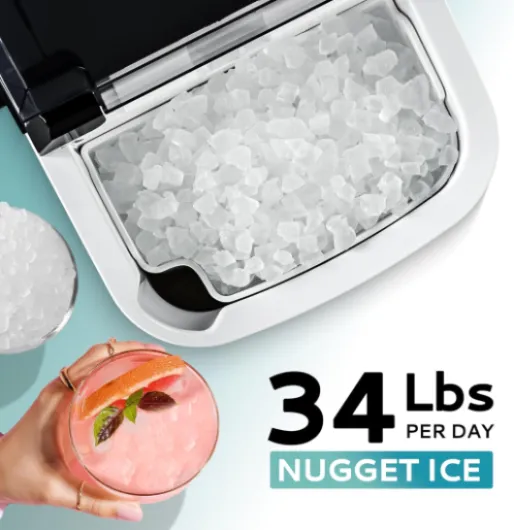
- Type of Ice Produced: Ice makers offer various forms such as cube, nugget ice, and flake. Modular ice machines often pair with separate storage bins, while undercounter ice makers combine both in one unit. Consider your application—cube ice is ideal for drinks, while nugget ice is popular in healthcare and soft drinks.
- Cooling Method: Air cooled ice machines are common for their energy efficiency and lower water usage, but water cooled models may be better in hot environments. Remote cooled options can reduce noise and heat in your workspace by placing the condenser elsewhere.
- Storage Capacity: The bin’s storage capacity, measured in lbs, should match your peak usage. A larger ice storage bin means you can handle busy periods without running out. Modular ice machines with bins allow for flexible storage solutions.
- Ease of Dispensing: Some commercial ice dispensers are designed for quick, sanitary access, while others offer manual scooping. Consider whether you need a dispenser or a simple bin based on your workflow.
- Durability and Materials: Stainless steel bins and equipment resist corrosion and are easier to clean. Look for robust construction, especially for high-volume environments.
- Parts and Accessories: Availability of replacement parts and accessories, like bin control switches or ice water dispensers, can make maintenance simpler and extend the life of your machine. For example, understanding how to choose and install a bin control switch mount is valuable for long-term reliability.
- Brand Reputation: Brands like Manitowoc are known for their commercial ice machines, modular ice makers, and undercounter ice solutions. Machines Manitowoc are often praised for their efficiency and support.
Matching the right features to your needs will help you get the most from your ice maker with bin, ensuring consistent ice production and easy operation. As you continue your search, keep these features in mind to find equipment that fits your space, usage, and budget.
Matching machine capacity to your usage
How Much Ice Do You Really Need?
Choosing the right commercial ice machine with bin starts with understanding your actual ice usage. Overestimating can lead to wasted energy and space, while underestimating means you’ll run out of ice during peak times. Consider your daily needs, but also think about busy periods and special events. For example, restaurants, bars, and healthcare facilities all have different requirements for ice, water, and storage capacity.
- Daily Output: Calculate how many pounds (lbs) of ice you need per day. Modular ice makers and undercounter ice machines come in a wide range of capacities, from 50 lbs to over 1000 lbs per day.
- Storage Bin Size: The bin should hold enough ice to get you through your busiest hours. If your machine produces 500 lbs of ice but your bin only stores 200 lbs, you’ll need to plan for frequent emptying or risk running out.
- Type of Ice: Cube, nugget, and flake ice each serve different purposes. For example, nugget ice is popular in healthcare and beverage dispensers, while cube ice is common in bars and restaurants.
- Peak Demand: Factor in your busiest times. If you run a café that serves iced drinks all afternoon, your ice maker with bin needs to keep up without constant refills.
- Future Growth: Consider if your business might expand. Choosing a modular ice machine with a larger storage bin can help you avoid upgrading equipment too soon.
It’s also important to match the cooling method to your environment. Air cooled ice machines are efficient but need good ventilation, while water cooled models may be better for hot kitchens or areas with limited airflow. Remote cooled options separate the condenser for quieter operation and less heat in your workspace.
Don’t forget about accessories and parts. Ice dispensers, undercounter ice makers, and additional storage bins can help you adapt your setup as your needs change. Reliable brands like Manitowoc ice machines offer a variety of equipment and parts accessories to fit different commercial settings.
Finally, regular maintenance and the right filtration are crucial for performance and longevity. For more on optimizing your ice maker’s output and protecting your investment, check out this guide on enhancing your ice maker’s performance with the right filters.
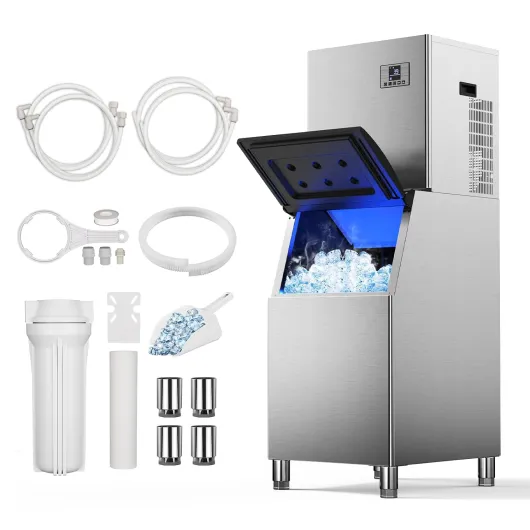
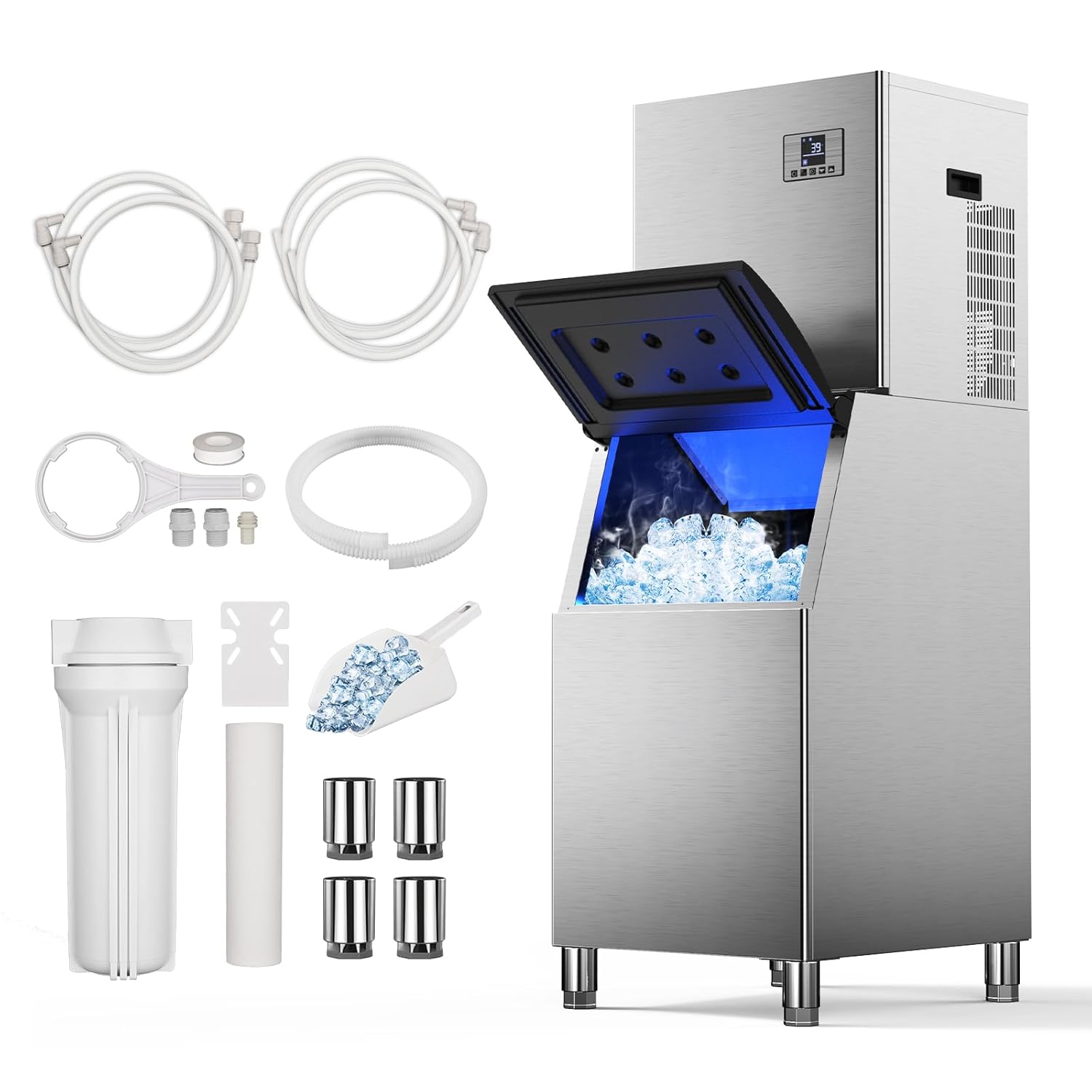
- + High capacity: Produces 680 lbs of ice per day
- + Large storage: 580 lbs ice storage bin
- + Fast ice production: 210 ice cubes in 5-15 minutes
- + Auto-cleaning: Easier maintenance with automatic cleaning feature
- + Quick ice readiness: Ice ready in 8-15 minutes

Installation considerations for ice machines with bins
Site Preparation and Space Requirements
Before installing a commercial ice maker with bin, assess the available space. Modular ice machines and undercounter ice makers have different footprints, so measure carefully. Ensure there’s enough clearance for air cooled models, as restricted airflow can impact performance. Consider the location of the ice storage bin and whether you need easy access for staff or customers, especially if you’re installing an ice dispenser or nugget ice machine in a high-traffic area.
Water and Drainage Connections
Reliable water supply is crucial for any ice machine. Check that your plumbing can handle the water demand of your chosen equipment, whether it’s a large commercial ice maker or a compact undercounter ice machine. Proper drainage is also essential. Most ice machines with bins require a floor drain to handle melted ice and water overflow. Make sure the drain is close to the installation site and meets local codes.
Electrical and Ventilation Needs
Ice machines, especially those with high lbs storage capacity, often need dedicated electrical circuits. Verify voltage and amperage requirements before installation. For air cooled ice makers, good ventilation is key to efficient operation. Avoid placing the machine in tight corners or near heat-producing equipment. Remote cooled ice machines may need additional planning for condenser placement.
Accessibility for Maintenance
Plan for regular maintenance by leaving enough space around the machine and bin. Easy access to parts accessories, such as filters and pumps, will help keep your ice maker running smoothly. Manitowoc ice machines and other leading brands often recommend specific clearances for service access. Don’t forget to account for the bin door and any accessories like scoops or dispensers.
Special Considerations for Different Machine Types
- Modular ice machines: Require separate ice storage bins and may need more installation steps.
- Undercounter ice makers: Fit under counters but still need ventilation and drainage.
- Ice dispensers: Often installed in customer-facing areas, so aesthetics and accessibility matter.
Proper installation not only ensures your commercial ice equipment performs at its best but also extends the life of your machine and bin. Always consult the manufacturer’s guidelines and consider professional installation for complex setups, especially with high-capacity or remote cooled ice machines.
Maintenance tips for longevity and performance
Routine Cleaning for Optimal Performance
Regular cleaning is essential for any commercial ice machine with bin. Ice makers, especially air cooled or water cooled models, can accumulate mineral deposits, mold, and bacteria over time. Clean both the machine and the storage bin at least every six months, or more frequently in high-usage environments. Use manufacturer-approved cleaning solutions and always follow the recommended procedures to avoid damaging internal components.Checking and Replacing Filters
Filters play a crucial role in maintaining ice quality and protecting your equipment. Whether you have a modular ice maker, undercounter ice machine, or a large commercial ice dispenser, inspect water filters regularly. Replace them as needed to prevent scale buildup and ensure your ice is clear and safe. Neglecting filter changes can reduce efficiency and lead to costly repairs.Inspecting Key Parts and Accessories
Keep an eye on essential parts accessories such as the evaporator, condenser, and pumps. For air cooled ice machines, ensure vents and fans are free from dust and obstructions. For remote cooled or water cooled equipment, check for leaks and proper water flow. Modular ice makers and ice dispensers may require additional attention to connections between the machine and storage bin.Managing Storage Capacity and Ice Quality
Monitor the storage bin for signs of melting or clumping, which can indicate issues with insulation or temperature control. Remove old ice regularly to maintain freshness, especially in bins with large lbs storage capacity. Nugget ice, cube ice, and other specialty shapes can be more prone to sticking together, so gentle agitation may be needed.Professional Maintenance and Service
Schedule professional servicing at least once a year for your commercial ice machine. Certified technicians can inspect your manitowoc ice machines, undercounter ice makers, or modular ice equipment for wear and tear, ensuring all components are functioning correctly. This proactive approach helps extend the lifespan of your ice maker and reduces the risk of unexpected downtime.- Always follow the manufacturer's maintenance guidelines for your specific model
- Keep a log of cleaning and service dates for reference
- Use only recommended replacement parts and accessories
Comparing popular models of ice machines with bins
How Leading Ice Machines with Bins Stack Up
When comparing commercial ice makers with bins, it’s important to focus on real-world performance, storage capacity, and the type of ice produced. Here’s a look at some of the most popular options on the market, including modular ice machines, undercounter models, and air cooled equipment.| Model | Type | Ice Production (lbs/24hr) | Storage Bin Capacity (lbs) | Cooling Method | Ice Type | Best For |
|---|---|---|---|---|---|---|
| Manitowoc Indigo NXT Series | Modular | Up to 600 | Up to 430 | Air cooled | Full or half cube | High-volume restaurants, hotels |
| Scotsman Prodigy Plus | Modular | Up to 500 | Up to 370 | Air or water cooled | Nugget ice | Healthcare, beverage service |
| Hoshizaki KM Series | Undercounter | Up to 300 | Up to 100 | Air cooled | Crescent cube | Bars, small cafes |
| Ice-O-Matic ICE Series | Modular | Up to 900 | Up to 600 | Remote or air cooled | Cube ice | Large venues, banquet halls |
What Sets These Machines Apart
- Production and Storage: Commercial ice makers with bins vary widely in daily output and storage bin size. For example, modular ice machines like those from Manitowoc and Ice-O-Matic offer high lbs production and large storage bins, making them suitable for demanding environments.
- Cooling Methods: Air cooled and water cooled options are available. Air cooled ice machines are often easier to install and maintain, while water cooled models may be better for hot kitchens or where air circulation is limited.
- Ice Types: Nugget ice, cube ice, and crescent cubes each have their own advantages. Nugget ice is popular for healthcare and soft drinks, while full cube and crescent cubes are preferred for cocktails and food service.
- Installation and Accessories: Some models are modular, allowing you to pair the ice maker with a separate storage bin or dispenser. Others are undercounter units, ideal for tight spaces. Accessories like ice dispensers and parts accessories can further customize your setup.