
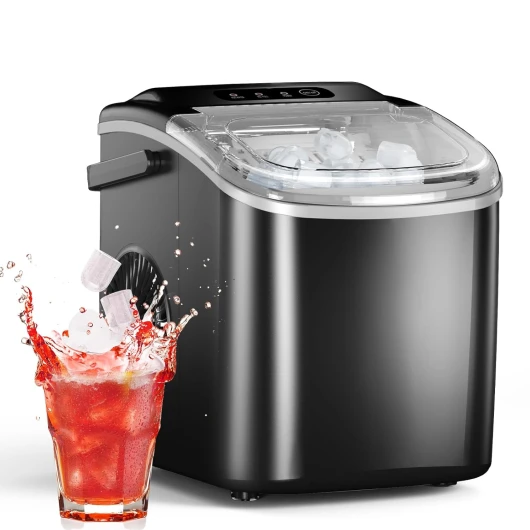
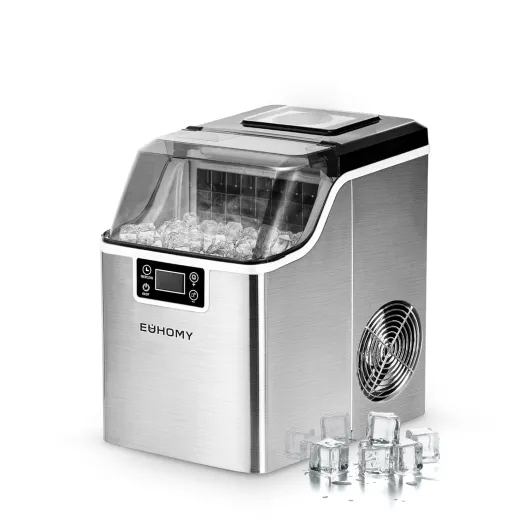
Understanding what a large ice maker really offers buyers
A large ice maker is designed to deliver consistent ice output for homes and small commercial spaces. When you compare one ice machine to another, focus on daily capacity in kg and storage bin volume in litres, because these two figures determine whether the product can keep up with parties, family use, or light bar service. Serious buyers also look beyond the headline price to understand long term running costs and the real value behind the rated stars and verified user feedback.
Most large ice makers are specified in lbs per day, yet you should always convert those machine lbs into kilograms to compare models fairly across brands and regions. For example, a machine rated at 50 lbs of ice per day produces around 22 kg, which is usually enough clear ice cubes for a busy household but may be too small for a snooker club bar that needs continuous commercial ice during tournaments. Matching the ice machine capacity to your lifestyle avoids overpaying the regular price for a commercial unit that never runs near full output.
Buyers often underestimate how much ice they actually need, especially when they start using nugget ice for cocktails, smoothies, and soft drinks. Nugget ice and crystal clear cubes melt at different speeds, so a large ice maker that can produce both types gives you flexibility for regular family use and special events without needing multiple ice makers. When you evaluate any ice maker or ice machines range, check how quickly the bin refills from empty to full and whether the machine is air cooled, because ventilation strongly affects performance in compact kitchens.

Key features that define a high performing large ice maker
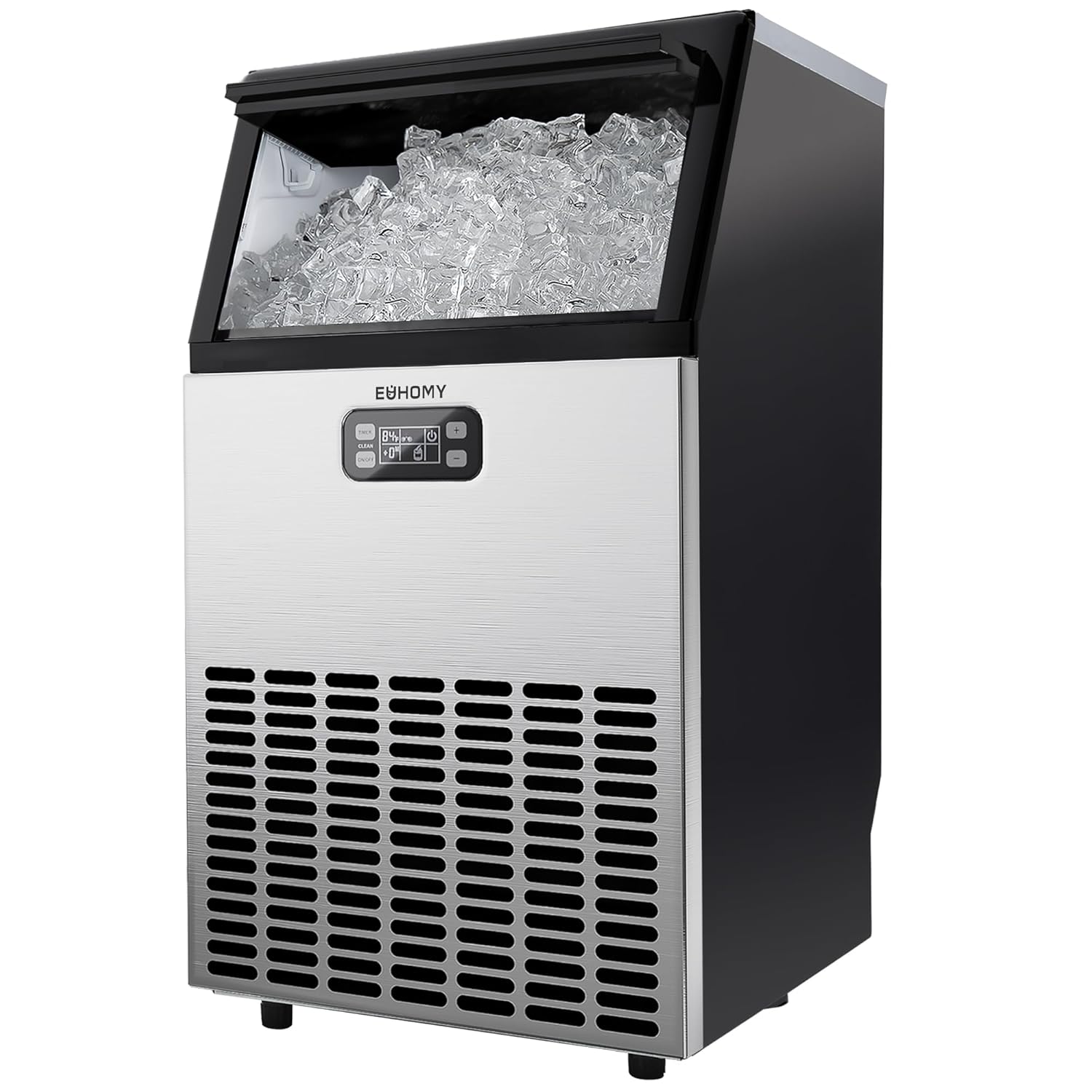
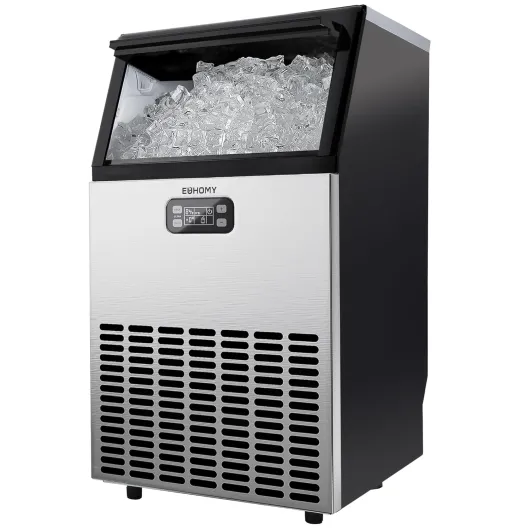
Capacity, storage, and build quality are the three pillars that define a serious large ice maker. Look for a stainless steel cabinet and door, because stainless surfaces resist corrosion from constant moisture and make the product easier to clean in busy kitchens or small commercial bars. A black trim or black control panel can help the machine blend with darker interiors, but the real priority is a robust stainless steel body that protects the internal ice maker components for many years.
Every large ice machine should clearly state its bin capacity, usually in litres or in lbs of ice cubes, and this bin size must align with your peak demand. If you run a snooker hall or café, a larger bin lets the commercial ice maker bridge busy periods without running dry, while a smaller bin may be enough for regular home use with occasional guests. When you see a bin sale or bundle promotion, compare the regular price and sale price carefully, and calculate the unit price per kg of daily ice output to judge whether the discount is meaningful.
Energy efficiency is another critical factor, especially for buyers who run their ice makers many hours per day. Models with an Energy Star style efficiency focus often use better insulation and more efficient compressors, which can reduce electricity costs over the life of the machine and justify a slightly higher initial price. If you are considering ice machines with integrated bins, consult a detailed guide on choosing the right ice machines with bins so that your final product choice balances capacity, footprint, and long term running costs.
Ice quality, bin design, and storage hygiene for large ice makers
For many ice maker buyers, ice quality matters as much as sheer volume. A well designed large ice maker can produce crystal clear ice cubes that look elegant in cocktails, while cheaper ice machines may deliver cloudy cubes that dilute drinks faster and feel less premium. If you value clear ice for whisky or high end spirits, choose a product that specifically advertises clear ice or crystal clear performance rather than only quoting machine lbs capacity.
The storage bin is central to both hygiene and convenience, because it holds the full stock of ice between cycles. A well insulated bin keeps ice cubes solid for longer, reduces clumping, and helps the commercial ice machine cycle less frequently, which can extend component life and lower energy use. When you see a bin sale or bin and machine bundle, check whether the bin interior is food grade plastic or stainless steel, and whether the lid seals tightly enough to protect ice from kitchen odours.
Regular cleaning of the bin and internal water paths is essential, especially in warm environments or in snooker club bars where the ice maker runs almost continuously. Many modern ice makers include cleaning alerts and simple flush programs, but you still need to wipe the bin walls and scoop regularly to maintain verified hygiene standards. Before you commit to a large ice maker with a separate bin, review a specialist guide on choosing the right ice bin, because the wrong bin size or material can undermine even the best rated stars machine.
Comparing nugget ice, clear cubes, and snooker ice for different uses
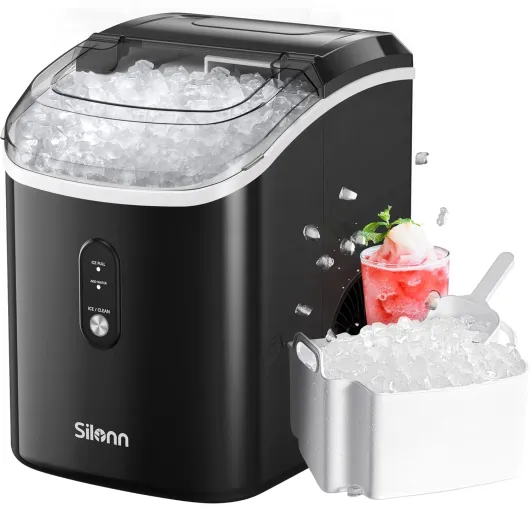
Not all ice from a large ice maker is the same, and understanding the differences helps you choose the right product. Nugget ice is softer and more chewable, making it ideal for smoothies, soft drinks, and healthcare settings where patients appreciate gentle texture, while clear ice cubes are harder and melt more slowly in premium spirits. Some commercial ice machines can produce both nugget ice and clear ice, but many home ice makers specialise in one type, so match the machine to your most frequent drinks.
In snooker clubs and sports bars, snooker ice usually refers to medium sized cubes that chill drinks quickly without over diluting them during long games. A large ice maker serving a snooker venue must balance fast production in lbs per day with a bin large enough to stay full through peak evening hours, especially when multiple tables are busy. When you compare regular price and sale price offers, consider how much revenue each kg of commercial ice supports in drink sales, rather than focusing only on the upfront unit price of the machine.
Home buyers often prefer a compact black or stainless steel finish that matches existing appliances, while still demanding professional quality ice cubes. Look for verified reviews that mention consistent nugget ice texture, crystal clear cubes, and quiet air cooled operation, because these details reveal more than generic rated stars alone. If you plan to bag ice for parties or small events, a dedicated guide on choosing the right ice bags for your ice maker will help you size your bin and machine lbs capacity correctly.
Evaluating ratings, price structures, and total cost of ownership
When comparing large ice makers, many buyers start with the headline price, but a more rigorous approach looks at total cost of ownership. Begin by listing the regular price, any current sale price, and the expected lifespan of the ice machine in years, then divide to estimate an annual unit price for the product. This method often shows that a slightly more expensive stainless steel commercial ice maker with better insulation and Energy Star style efficiency can be cheaper over time than a budget model with poor durability.
Ratings and reviews also require careful interpretation, because not all rated stars are equal. Focus on verified buyer feedback that describes real world use, such as how quickly the bin reaches full capacity, whether the machine maintains crystal clear ice cubes in warm kitchens, and how noisy the air cooled system becomes under load. A pattern of consistent four or five stars from verified users who run the ice maker daily is more meaningful than a few perfect ratings from occasional use.
Shipping and after sales support significantly affect the overall value of a large ice maker. Free shipping can offset a slightly higher regular price, especially for heavy ice machines measured in dozens of lbs, while paid shipping may still be acceptable if the seller offers strong warranty coverage and responsive service. Always confirm whether spare parts, cleaning kits, and optional bin sale bundles are readily available, because these extras help keep your ice makers running reliably and protect your investment in both home and commercial settings.
Installation, maintenance, and practical tips for long lasting large ice makers
Correct installation is essential for any large ice maker, whether it is a home appliance or a compact commercial ice machine. Ensure the unit has enough clearance on all sides for proper air cooled ventilation, because restricted airflow forces the machine to work harder, increases energy use, and can shorten compressor life. Position the bin so that you can easily reach the full ice load without bending awkwardly, especially if you regularly lift several kg or lbs of ice cubes into coolers.
Water quality has a direct impact on both ice clarity and machine reliability. Hard water leads to scale buildup inside the ice maker, which can reduce output, cloud clear ice, and eventually damage internal components, so consider a simple inline filter or softening solution if your local supply is very mineral rich. Regular cleaning following the manufacturer’s schedule keeps nugget ice and crystal clear cubes tasting fresh, while also maintaining hygiene standards that match those expected from commercial ice machines.
Routine checks of seals, hoses, and the bin interior help you spot issues before they become costly repairs. Wipe stainless steel and black exterior panels with non abrasive cleaners to preserve the product finish, and always empty the bin if you plan to switch the machine off for several days. By treating your large ice maker as a long term investment rather than a disposable appliance, you protect its rated stars performance, maintain strong resale value, and ensure reliable ice for everything from family dinners to busy snooker nights.
Key statistics about large ice makers and buying decisions
- Up to 70 % of buyers underestimate their peak ice demand when choosing a large ice maker for home or light commercial use.
- Energy efficient ice machines can reduce electricity consumption by 10 to 20 % compared with non optimized models of similar capacity.
- Regular cleaning and descaling can extend the functional lifespan of a large ice maker by 2 to 3 years in demanding environments.
- Stainless steel cabinets typically show 30 % fewer visible wear issues than painted or plastic housings over long term use.
- Models with well insulated bins can cut compressor cycling by up to 25 %, improving both efficiency and component durability.
Common questions about choosing a large ice maker
How much ice capacity do I really need from a large ice maker ?
Estimate your peak usage by counting drinks per hour during your busiest occasions, then multiply by the average ice per drink to calculate daily demand in kg. For most households, a large ice maker producing 20 to 30 kg per day is sufficient, while small commercial venues or snooker clubs may require 40 kg or more. Always add a safety margin so the bin can stay full without the machine running at maximum output constantly.
Is nugget ice or clear cube ice better for everyday use ?
Nugget ice is softer and easier to chew, which many people enjoy in soft drinks and blended beverages, while clear cubes are harder and melt more slowly in spirits. For everyday family use, a nugget ice maker can feel more versatile, especially for children and smoothies. However, if you regularly serve whisky or cocktails, a machine that produces crystal clear cubes may be the more elegant choice.
Do I need a commercial ice machine for home entertaining ?
Most households do not need a full commercial ice machine, because modern large ice makers designed for residential use already offer generous capacity. You might consider a commercial ice model if you host frequent large events, run a home based catering activity, or supply ice for a snooker club or sports team. In those cases, the higher price and larger bin can be justified by the consistent output and durability.
How important is stainless steel construction in a large ice maker ?
Stainless steel construction significantly improves durability, corrosion resistance, and ease of cleaning compared with painted or plastic exteriors. In humid kitchens or commercial bars, stainless steel panels protect the product from rust and wear, helping the machine maintain its rated stars performance over time. For buyers planning long term use, the slightly higher regular price of stainless steel models is usually offset by better reliability and appearance.
What should I check in the warranty and after sales support ?
Look for a clear warranty that covers both parts and labour for a reasonable period, especially for the compressor and key ice maker components. Confirm that the seller or manufacturer offers accessible service centres, spare parts, and technical support, because these factors matter more than a small difference in sale price. Strong after sales support ensures your large ice maker remains a dependable source of ice for many years, whether you use it at home or in a commercial setting.