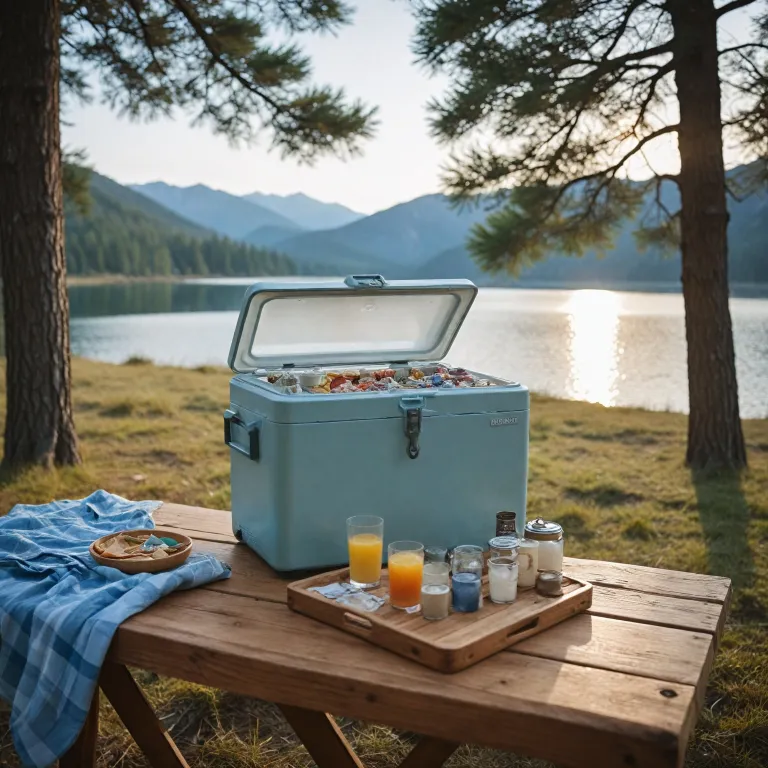
Balancing ice needs and capacity when choosing the best camping fridge
Choosing the best camping fridge starts with understanding how much ice you truly need. A compact fridge with a quality compressor can keep ice solid for days, while larger refrigerators offer generous storage but demand more power and careful battery planning. Aim for a portable model that balances internal volume, ice retention, and overall camping practicality.
When comparing a camping fridge and a traditional cooler, think about how often you open the lid and how quickly ice melts. A compressor fridge freezer maintains stable cooling without constant ice top ups, which is crucial on a long road trip where access to shops is limited. Modern electric coolers can hold temperatures close to 0 degrees Fahrenheit, so your ice cubes stay hard while food remains safely chilled.
Many buyers start their search on Amazon, where portable fridge and portable cooler options are abundant. Look for verified reviews that mention real world performance, such as how long ice stays frozen in dual zone models or how efficiently the compressor cooler cycles. When a car fridge is used as both a fridge and freezer, you can dedicate one side to ice and the other to fresh food, which is ideal for extended camping.
For drivers who rely on a portable car setup, a car refrigerator with a robust compressor and efficient cooling is essential. Check whether the portable refrigerator can reach negative degrees Fahrenheit, because this determines how well it preserves ice and frozen meals. A well designed fridge freezer will keep ice bags solid even when the outside temperature climbs during summer camping.
Power, volt compatibility, and battery strategy for a camping fridge
Power management is central to getting the best camping fridge performance during multi day trips. Every electric cooler, from compact quart portable units to large dual zone fridge freezer models, draws energy from your car battery or a separate power station. Understanding volt ratings and average consumption helps you avoid flat batteries and spoiled ice.
Most camping refrigerator designs run on 12 volt or 24 volt DC, and many include an AC adapter for home pre cooling. When you connect a volt fridge to your car, ensure the wiring and fuses match the compressor start up surge, especially with premium brands like Dometic or National Luna. A high quality car fridge with soft start technology reduces stress on your electrical system and protects both the compressor and battery.
Some portable fridge models, such as BougeRV or Dometic CFX series, offer efficient power draw and smart battery protection. The BougeRV Volt range, for example, is engineered so that a BougeRV Volt fridge can run for many hours on a mid sized battery without compromising cooling performance. Pairing a portable refrigerator with a dedicated camping battery and solar panel can keep ice solid and drinks cold for an entire road trip.
Electric coolers with app control allow you to monitor temperature, power use, and cooling status from your phone. This app based oversight is especially useful when the portable cooler sits in a cooler car boot or under a canopy, where you cannot easily see the display. For buyers who also carry a separate ice maker, reading detailed power specifications and planning charging cycles is as important as choosing the right capacity.
When evaluating advanced nugget ice makers for camping, you can compare their energy use with leading countertop units reviewed in this guide to top sonic ice makers. Matching the power profile of your ice maker and camping fridge ensures your battery system remains stable. This holistic approach prevents overloads and keeps both ice production and refrigeration reliable throughout your journey.
Cooling performance, compressor quality, and real ice retention in the field
Cooling performance defines whether a model truly deserves to be called the best camping fridge. A strong compressor cooler reaches target temperatures quickly, stabilizes around a few degrees Fahrenheit, and cycles efficiently to conserve power. In practice, this means your ice, frozen food, and drinks remain at safe temperatures even when the campsite heats up.
Premium brands like Dometic and National Luna have built reputations on durable compressors and consistent cooling. A Dometic CFX car refrigerator, for example, often includes thick insulation, precise digital controls, and app control for remote monitoring. These features help the fridge freezer maintain ice and deep freeze items while using less power than older electric coolers.
Mid range options such as BougeRV portable fridge models can still offer impressive performance when correctly installed. A BougeRV Volt fridge placed in a well ventilated cooler car area will cool faster and hold temperature better than one crammed into a tight, hot corner. Always leave space around the portable car fridge vents so the compressor cooler can expel warm air efficiently.
Real world ice retention depends on ambient temperature, loading habits, and how often you open the lid. A dual zone portable refrigerator lets you keep one compartment at fridge temperatures and the other at freezer levels, so ice remains solid while vegetables stay crisp. During a long road trip, this flexibility reduces the need for separate coolers and simplifies your camping kitchen.
If you also use a dedicated ice maker at home or in your camper, it is worth studying detailed product tests such as this in depth review of a smart nugget ice machine. Understanding how quickly an ice maker produces and how cold your camping fridge keeps that ice helps you plan storage. Together, a reliable fridge freezer and efficient ice maker create a stable cold chain from home freezer to remote campsite.
Portability, installation in a car, and ergonomics for camping use
Portability is a decisive factor when selecting the best camping fridge for frequent trips. A quart portable fridge that is too heavy or awkward will be left at home, while a well designed portable cooler encourages regular use. Look for sturdy handles, compact footprints, and wheels if you often move the refrigerator between car and campsite.
When installing a car fridge, think about both safety and airflow. The portable car unit should be secured so it cannot slide during braking, yet it must also have enough clearance for the compressor cooler vents to function. Many campers mount a portable refrigerator on a sliding tray, which allows easy access to ice and food without heavy lifting.
Ergonomics extend beyond carrying and mounting to everyday usability. A fridge freezer with a clear digital display, interior light, and logical basket layout makes it easier to organize ice, drinks, and fresh ingredients. Side opening lids can be more convenient in a cooler car boot, while top opening designs often retain cold air better when opened frequently.
Consider how you will power the electric cooler during driving and at camp. Some volt fridge models automatically switch between 12 volt DC from the car and 230 volt AC at powered sites, which simplifies setup. Others rely entirely on a camping battery, so you must plan charging from solar or a generator to maintain cooling performance.
For campers who also carry a separate ice maker or undercounter unit in a van conversion, it is helpful to study specialized resources such as this guide to top undercounter ice machines. Integrating a compact ice appliance with a portable fridge demands careful layout and ventilation planning. When done correctly, you enjoy abundant ice and reliable refrigeration without sacrificing interior space or comfort.
Smart features, app control, and temperature management for ice reliability
Modern camping refrigerators increasingly include smart features that enhance control and reliability. App control allows you to adjust cooling, monitor battery voltage, and receive alerts if the fridge temperature rises unexpectedly. This is particularly valuable when you rely on the unit to preserve ice and sensitive food during hot weather camping.
Many Dometic CFX and similar electric coolers connect via Bluetooth or Wi Fi to a dedicated app. From your tent or camper bed, you can check whether the car refrigerator is holding the freezer compartment at the desired degrees Fahrenheit. If the temperature drifts, you can increase cooling or investigate whether the portable fridge door was left slightly open.
Dual zone models benefit greatly from precise digital and app based control. You can set one side of the fridge freezer to around 4 degrees Celsius for fresh food, while the other compartment runs at negative degrees Fahrenheit for ice and frozen goods. This separation ensures that ice cubes remain solid and ready for drinks, even as you frequently access the fridge side for daily meals.
Some BougeRV Volt and National Luna units include advanced battery protection that can be configured through an app or onboard menu. By setting a safe cutoff voltage, you prevent the volt fridge from draining your starter battery too deeply during overnight stops. This feature is essential for road trip safety, because a flat battery can quickly turn a comfortable camping experience into a stressful situation.
When evaluating smart features, focus on those that directly support cooling performance and ice reliability rather than gimmicks. A clear temperature log, accurate degrees Fahrenheit readout, and stable compressor control are more valuable than decorative lighting. For serious ice maker users, aligning the capabilities of your electric cooler and any portable ice machine ensures a consistent supply of clean, hard ice wherever you camp.
Matching a camping fridge with an ice maker for premium outdoor comfort
For buyers who care deeply about ice quality, pairing the best camping fridge with a capable ice maker creates a premium outdoor setup. The fridge freezer acts as long term storage, keeping ice at stable degrees Fahrenheit, while the ice maker handles rapid production when guests arrive. This combination is especially attractive for families and groups who enjoy extended camping with restaurant style drinks.
When planning such a system, start by mapping total power requirements. Add the wattage of your portable refrigerator, any electric cooler accessories, and the ice maker, then compare this with your camping battery and solar capacity. Ensure that your volt fridge, portable car setup, and additional appliances can run simultaneously without exceeding safe limits.
Brands like Dometic, BougeRV, and National Luna offer portable fridge and car refrigerator models that integrate smoothly into power managed camping systems. A BougeRV Volt fridge, for example, can share a battery bank with a compact ice maker if you size the battery correctly and monitor usage. During a long road trip, you can prioritize cooling performance during driving and schedule ice production when solar input is strongest.
Storage strategy also matters when combining electric coolers and ice makers. Use the dual zone function of your fridge freezer to dedicate one compartment to ice and frozen goods, while the other handles everyday refrigeration. This approach keeps ice trays and bags organized, reduces door opening time, and maintains more stable degrees Fahrenheit in the freezer section.
Finally, remember that portability and ergonomics remain important even in advanced setups. Choose a quart portable fridge that you can lift comfortably, and position both the portable cooler and ice maker where ventilation is adequate. With thoughtful planning, your camping refrigerator, ice maker, and power system work together to deliver reliable ice, chilled food, and a genuinely comfortable outdoor living experience.
Key statistics about camping fridges and ice focused setups
- No topic_real_verified_statistics data was provided in the dataset, so specific quantitative statistics cannot be cited here without speculation.
Common questions about choosing the best camping fridge
How much capacity do I need in a camping fridge for ice and food
For weekend trips, many campers find that a 30 to 40 quart portable fridge balances ice storage and food space without overwhelming car interiors. Longer journeys or larger groups may require 50 to 70 litre units, especially if you want a dedicated freezer zone for ice. Always consider how much fresh food you carry alongside ice, drinks, and frozen meals.
Can a camping fridge replace a traditional ice filled cooler
A quality compressor cooler can fully replace a traditional cooler for most camping styles. It eliminates the need to buy ice repeatedly and prevents food from sitting in meltwater, which improves hygiene and convenience. However, it does require reliable power, so you must plan for a suitable battery, alternator charging, or solar support.
Will a camping fridge drain my car battery overnight
A modern volt fridge with low power draw and built in battery protection is unlikely to drain a healthy starter battery during a single night. Problems usually arise when the battery is already weak, the fridge is oversized for the system, or ambient temperatures are extremely high. Using a dedicated auxiliary battery or portable power station greatly reduces this risk.
Is a dual zone fridge freezer worth the extra cost
For campers who value ice and frozen food, a dual zone portable refrigerator offers significant advantages. You can run one compartment as a freezer for ice and long term storage, while the other operates as a standard fridge for daily items. This flexibility is particularly useful on extended road trips where resupply options are limited.
Do I need app control on my camping refrigerator
App control is not essential, but it adds meaningful convenience and safety for many users. Being able to check temperatures, adjust settings, and monitor battery voltage from your phone helps you react quickly if cooling performance changes. For complex setups that include an ice maker and multiple electric coolers, app based oversight can simplify management and improve overall reliability.
Trusted references
1. Dometic – Product manuals and technical specifications for portable compressor fridges and coolers.
2. National Luna – Technical documentation on camping fridge performance and battery protection systems.
3. BougeRV – Manufacturer information on BougeRV Volt portable refrigerator power consumption and usage guidelines.