
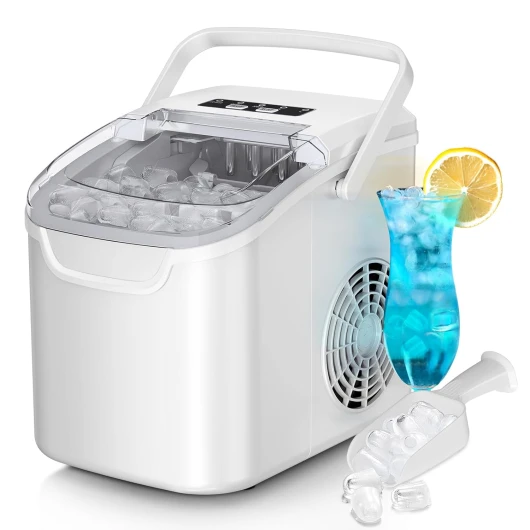
Choosing an isomatic ice machine for consistent commercial service
Selecting an isomatic ice machine requires balancing capacity, footprint, and reliability. In a busy bar or restaurant, the right ice machine supports smooth service, protects beverage quality, and stabilizes operating costs. Buyers who understand ice types, air cooled systems, and bin sizing make more confident long term investments.
Start by estimating your daily demand in kilograms rather than guessing from past shortages. Convert manufacturer specifications from lbs ice into kilograms, and compare several ice machines that produce between 70 and 200 kg per day. Remember that real world output of any commercial ice machine drops in hot kitchens, so leave at least a 20 percent safety margin.
Next, evaluate which ice format best suits your menu and clientele. Classic cube ice and half cube ice from an isomatic ice machine work well for mixed drinks, while pearl ice and nugget ice suit soft drinks and healthcare hydration. Flake ice and cooled flake formats are ideal for seafood displays, buffet stations, and rapid product chilling in prep areas.
Air cooled condensers remain the most common choice for an isomatic ice machine in small venues. An air cooled commercial ice model is easier to install than a water cooled unit, and it avoids additional water charges in regions with strict metering. However, ensure there is enough free air circulation around the machine to prevent heat buildup and performance loss.
Finally, consider whether you need an undercounter ice configuration or a modular head with a separate bin. Undercounter ice machines save space in compact bars, but a separate bin often stores more quality ice for peak periods. Matching the bin volume to your peak three hour service window prevents staff from running short or overproducing and wasting ice.
Understanding ice types, matic technologies, and elevation constraints
Different ice formats from an isomatic ice machine influence drink dilution, mouthfeel, and presentation. Cube ice and half cube shapes melt slowly, keeping cocktails balanced, while pearl ice and nugget ice provide a chewable texture that many guests appreciate. Flake ice and cooled flake options deliver excellent surface contact for food displays and rapid chilling of bottled beverages.
When comparing matic technologies, examine how each ice maker manages water flow, freezing cycles, and harvest efficiency. A well designed matic ice system reduces wasted water, improves energy efficiency, and delivers more lbs ice per kilowatt consumed. Some elevation series designs also optimize airflow and condenser performance at higher altitudes, where thinner air can reduce cooling capacity.
High altitude locations require special attention to the elevation series specifications of each commercial ice model. Manufacturers often derate production for ice machines installed above certain elevations, which can significantly affect available cube ice or pearl ice during peak hours. Always verify that the chosen isomatic ice machine maintains adequate output in your specific region.
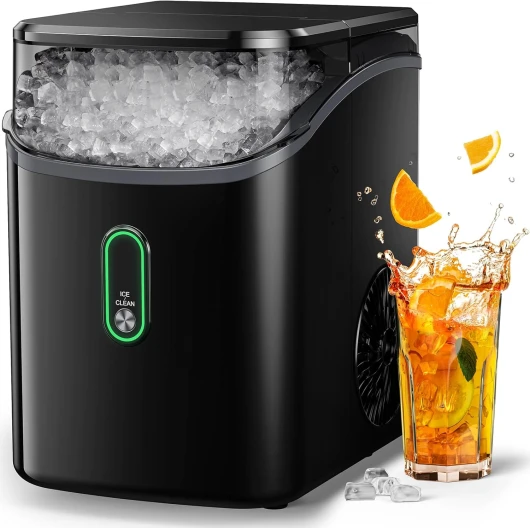
For operators focused on chewable textures, a dedicated nugget ice or pearl ice maker may be preferable to standard cube ice machines. Countertop nugget and pebble style units can complement a larger back of house machine, especially in cafés or self service beverage stations. A detailed test of a pebble ice machine for chewable nugget ice illustrates how quickly these compact products can satisfy guest demand.
Do not overlook the impact of ambient air temperature and ventilation on any air cooled ice machine. Crowded back bars with poor airflow can cause an isomatic ice machine to cycle more frequently, reducing efficiency and shortening component life. Providing at least several centimetres of clearance around the cabinet and keeping intake grills free of dust preserves long term performance.
Finally, consider how your staff will interact with the bin and dispenser throughout the day. A well positioned bin reduces bending and lifting, while a clearly labeled control panel on the ice maker simplifies training for new employees. These ergonomic details contribute to consistent handling of quality ice and reduce the risk of contamination or spills.
Evaluating price, free shipping options, and total cost of ownership
Price is important when choosing an isomatic ice machine, but it should never be the only criterion. A lower initial price can hide higher energy consumption, more frequent service calls, and shorter component life. Evaluating total cost of ownership over several years gives a more realistic view of each ice machine investment.
When comparing offers, examine whether the retailer includes free shipping or charges separately for transport and handling. Free shipping on a heavy commercial ice unit can represent a significant saving, especially for remote locations. However, verify that the shipping service includes lift gate delivery or inside placement if your site lacks a loading dock.
Some suppliers highlight free shipping but add hidden fees for scheduling, packaging, or extended delivery zones. Read the full terms carefully and confirm that the quoted price covers the complete ship process from warehouse to your premises. Transparent pricing builds trust and allows you to compare different ice machines and bins on a fair basis.
Beyond freight, factor in installation, water filtration, and potential electrical upgrades. An air cooled isomatic ice machine may require a dedicated circuit, proper drainage, and a high quality water filter to protect the evaporator and maintain quality ice. Investing in filtration reduces scale buildup, improves taste, and can extend the life of both the machine and the bin.
For operators exploring compact solutions, a countertop nugget or pebble style ice maker can complement a larger back room unit. A detailed review of a compact pebble ice machine with self cleaning shows how these products can deliver reliable nugget ice without complex installation. Such machines often quote capacity in lbs ice per day, so remember to convert to kilograms for consistent planning.
Finally, consider warranty coverage and the availability of authorized service partners in your region. A slightly higher price for an isomatic ice machine backed by strong support can be more economical than a cheaper unit with limited assistance. Reliable after sales service ensures that your commercial ice production remains stable during peak trading periods.
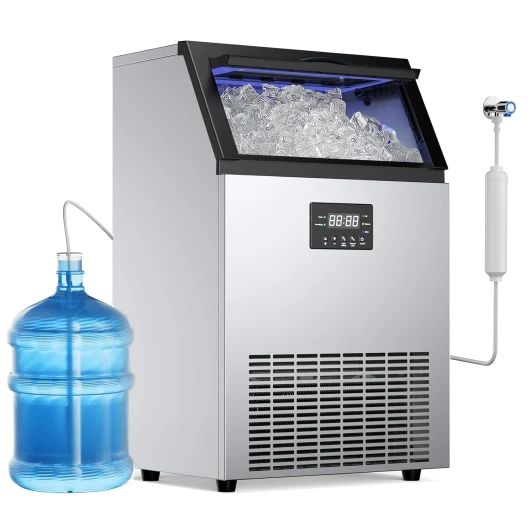
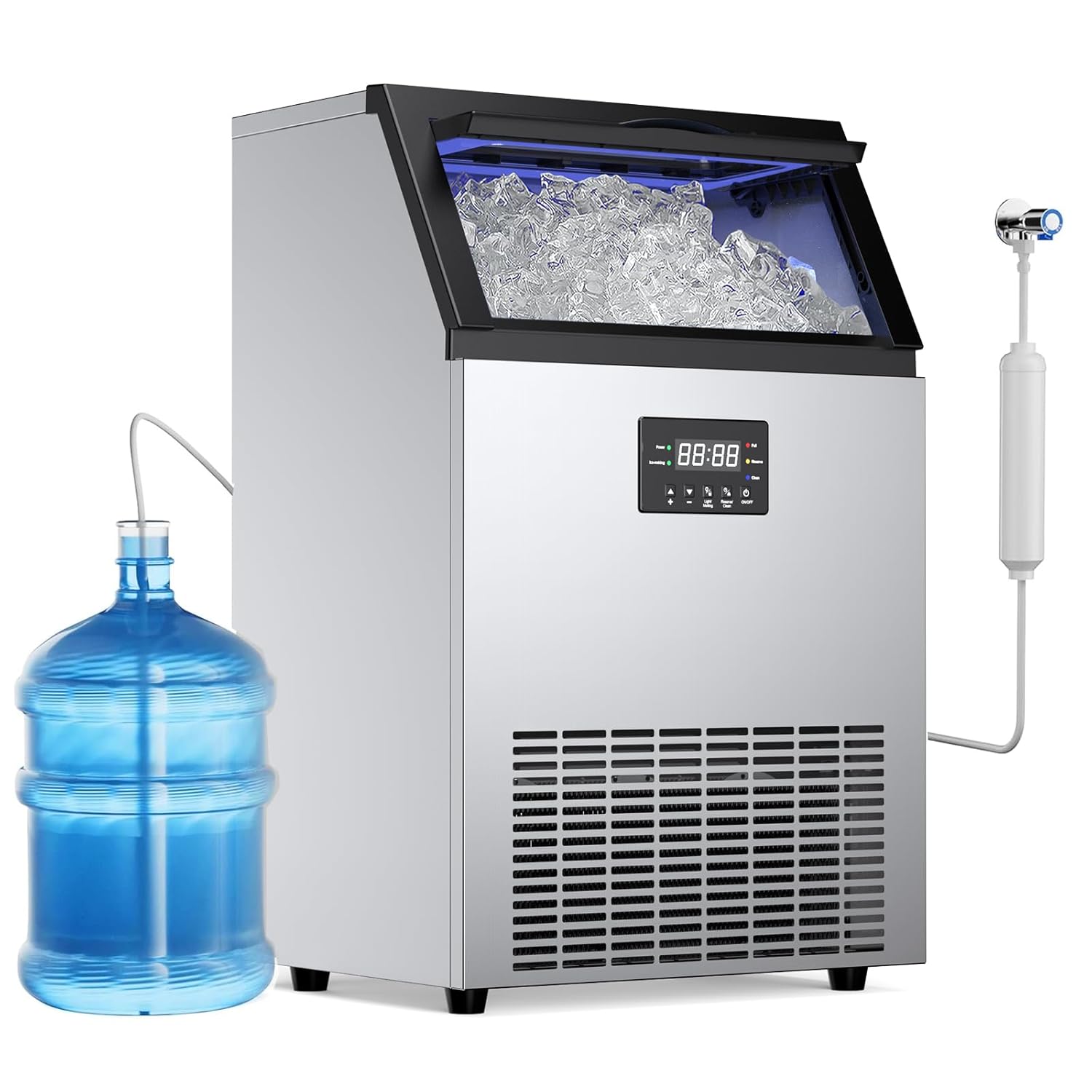
- + High capacity: 200 lbs of ice production per day
- + Fast ice making: Clear ice cubes ready in 8-15 minutes
- + Versatile installation: Suitable for freestanding or under counter use
- + Effective filtration: Micron water purification filter removes 99% impurities

Comparing brands, models, and specialized matic mfi technologies
Brand reputation plays a central role when selecting an isomatic ice machine for demanding environments. Established manufacturers of commercial ice equipment typically offer better parts availability, clearer documentation, and more consistent performance. Evaluating independent tests and field feedback helps you distinguish between marketing claims and real world reliability.
Within the matic family of technologies, some lines focus on specific ice formats or operating conditions. For example, matic mfi designs often target flake ice or cooled flake production for food displays, healthcare, or industrial applications. These machines prioritize continuous output and gentle handling of ice, rather than the hard cube ice preferred in cocktail bars.
When assessing different ice machines, pay attention to model codes such as cim, which may indicate particular production capacities or feature sets. A cim series unit might emphasize energy efficiency, smart diagnostics, or compatibility with certain bin sizes. Understanding these designations allows you to match the machine to your operational priorities and available space.
Some distributors, such as burkett and similar specialists, curate a range of commercial ice products from multiple brands. Working with a knowledgeable dealer can simplify comparisons between cube ice, pearl ice, and flake ice models, as well as between undercounter ice and modular configurations. They can also advise on suitable bin combinations and accessories for your specific workflow.
When reviewing technical sheets, examine how each isomatic ice machine manages air cooled condensers, water usage, and sanitation features. Look for self cleaning cycles, antimicrobial surfaces, and easy access panels that reduce maintenance time. These design elements contribute directly to consistent quality ice and lower lifetime service costs.
For buyers interested in chewable textures, compare nugget ice and pearl ice machines side by side. A detailed test of a countertop nugget ice maker illustrates how production rate, bin capacity, and self cleaning functions affect daily usability. Applying similar scrutiny to larger commercial units ensures that your final choice aligns with both guest expectations and back of house routines.
Installation, water quality, and hygiene for isomatic ice machines
Proper installation is essential for any isomatic ice machine to reach its rated capacity. Position the ice maker on a level surface, ensure adequate clearance for air cooled ventilation, and verify that electrical connections meet manufacturer specifications. A professional installer can also confirm that the drain line slopes correctly to prevent standing water and potential contamination.
Water quality directly influences both the taste of ice and the longevity of internal components. Hard water accelerates scale buildup on evaporator plates, reducing efficiency and compromising cube ice clarity. Installing a suitable filtration system protects the machine, supports consistent quality ice, and can reduce the frequency of deep cleaning interventions.
Hygiene protocols should treat ice as a food product rather than a simple cooling medium. Staff must use dedicated scoops, avoid touching ice with bare hands, and keep the bin lid closed when not in use. Regular cleaning of the bin interior, gaskets, and external surfaces prevents biofilm formation and maintains guest confidence.
Many modern ice machines include self cleaning cycles that circulate cleaning solutions through the water circuit. While these features simplify maintenance, they do not replace manual inspection of the bin, drain, and air filters. Schedule periodic professional servicing to check refrigerant levels, inspect the condenser, and verify that the air cooled system operates within design parameters.
When planning installation, consider noise levels and heat rejection from the isomatic ice machine. Air cooled units expel warm air into the surrounding space, which can affect nearby refrigeration equipment and staff comfort. Locating the machine away from sensitive areas, while still keeping it accessible, balances operational efficiency with a pleasant working environment.
Finally, document all maintenance activities, including filter changes, cleaning cycles, and service visits. A clear log supports warranty claims, helps diagnose recurring issues, and demonstrates due diligence in food safety audits. This disciplined approach ensures that your commercial ice production remains safe, efficient, and aligned with regulatory expectations.
Capacity planning, bin sizing, and operational efficiency
Accurate capacity planning ensures that your isomatic ice machine meets demand without excessive oversizing. Begin by mapping peak service periods, such as lunch and evening rushes, and estimating ice usage per drink or plate. Multiply these figures to determine the required lbs ice or kilograms for each critical window.
Bin sizing is just as important as the nominal production of the ice maker. A bin that is too small forces the machine to cycle off when full, wasting potential capacity during quiet periods. Conversely, an oversized bin may encourage staff to produce more cube ice, pearl ice, or flake ice than necessary, leading to melt loss and energy waste.
Consider how different ice formats affect storage and handling. Half cube ice and cube ice stack efficiently in the bin, while nugget ice and pearl ice settle more densely and may bridge differently around the scoop area. Flake ice and cooled flake products require careful leveling to prevent compaction and ensure easy access during service.
Operational efficiency also depends on how quickly staff can access ice during busy shifts. Position the bin close to beverage stations or prep counters, minimizing walking distance and congestion. In some layouts, a secondary undercounter ice unit near a satellite bar can relieve pressure on the main commercial ice machine.
Monitor actual consumption over several weeks and compare it with the rated output of your isomatic ice machine. If you consistently run short, consider adjusting production schedules, adding a small supplemental ice maker, or upgrading to a higher capacity model. If you regularly end the day with a full bin, you may be able to reduce operating hours and save energy.
Finally, train staff to respect the limits of the bin and avoid overloading it with water or foreign objects. Clear procedures for cleaning, scooping, and closing the lid protect both the machine and the quality ice inside. This disciplined approach keeps your ice machines running smoothly and supports a consistent guest experience.
Assessing value, support, and long term reliability
Assessing the overall value of an isomatic ice machine involves more than comparing headline specifications. Reliability, service support, and parts availability all influence the real return on your investment. A machine that produces consistent quality ice with minimal downtime often proves more economical than a cheaper alternative that frequently fails.
Before purchasing, investigate the manufacturer’s service network and the responsiveness of local technicians. Ask whether common components for your chosen commercial ice model, such as pumps, valves, and control boards, are stocked regionally. Fast access to parts reduces downtime and protects revenue during peak trading periods.
Evaluate the clarity of user manuals, wiring diagrams, and cleaning instructions provided with the ice maker. Well written documentation simplifies staff training, supports safe operation, and reduces the risk of user error. This is particularly important for complex systems that produce multiple ice formats, such as cube ice, nugget ice, and flake ice.
When comparing offers, consider whether the supplier includes extended warranties, preventive maintenance plans, or remote support. Some distributors, including specialists like burkett, may bundle installation, calibration, and follow up visits into a single product package. These services can offset a higher initial price by reducing unexpected repair costs over the life of the machine.
Long term reliability also depends on matching the machine to its operating environment. An air cooled isomatic ice machine installed in a cramped, overheated room will struggle, regardless of brand reputation. Providing adequate ventilation, stable water pressure, and regular maintenance allows the equipment to perform as designed for many years.
Ultimately, the best value comes from a balanced decision that considers capacity, ice format, energy use, support, and total cost. By analyzing these factors carefully, ice maker buyers can select ice machines that serve their guests reliably while controlling operating expenses. This strategic approach turns the isomatic ice machine from a simple appliance into a dependable asset for the business.
Frequently asked questions about isomatic ice machines
How much ice capacity does a typical isomatic ice machine provide
Without a specific dataset, capacity figures vary widely between models and applications. Buyers should review manufacturer specifications for daily production in kilograms and compare them with their own peak service needs. Allowing a safety margin above calculated demand helps maintain reliable service during unusually busy periods.
Which ice type is best for bars, restaurants, or healthcare settings
Bars often prefer cube ice or half cube ice for slower dilution in cocktails. Restaurants and quick service outlets may favor nugget ice or pearl ice for soft drinks and blended beverages. Healthcare environments frequently choose flake ice or cooled flake formats for patient hydration and therapeutic applications.
What factors influence the price of an isomatic ice machine
Key drivers of price include production capacity, ice format, energy efficiency, and build quality. Additional features such as self cleaning cycles, advanced controls, and corrosion resistant materials also affect cost. Buyers should weigh these elements against long term operating expenses and the value of reliable commercial ice production.
How important is water quality for ice machine performance
Water quality is critical for both taste and equipment longevity. Hard or contaminated water can cause scale buildup, reduce efficiency, and increase the need for maintenance. Installing appropriate filtration and following a regular cleaning schedule protects the isomatic ice machine and preserves consistent quality ice.
When should a business consider adding a second ice machine
A second ice machine becomes relevant when peak demand regularly exceeds current capacity or when service areas are far apart. Adding a supplemental undercounter ice unit or a dedicated nugget ice maker can relieve pressure on the main system. Monitoring actual consumption and staff feedback over time helps determine the right moment for this investment.