

Understanding quick freezing cycles in ice makers
How Quick Freeze Cycles Work in Modern Ice Makers
When you hear about a fast freeze cycle in an ice maker, it means the machine is designed to speed up the ice making process. Unlike regular ice makers, these machines use advanced cooling technology to drop the water temperature quickly, turning it into ice cubes or bullet ice in a fraction of the time. The process usually involves a powerful compressor and efficient evaporator, which together create the ideal environment for rapid ice production. This is especially useful for countertop ice makers, where space and time are both important factors.
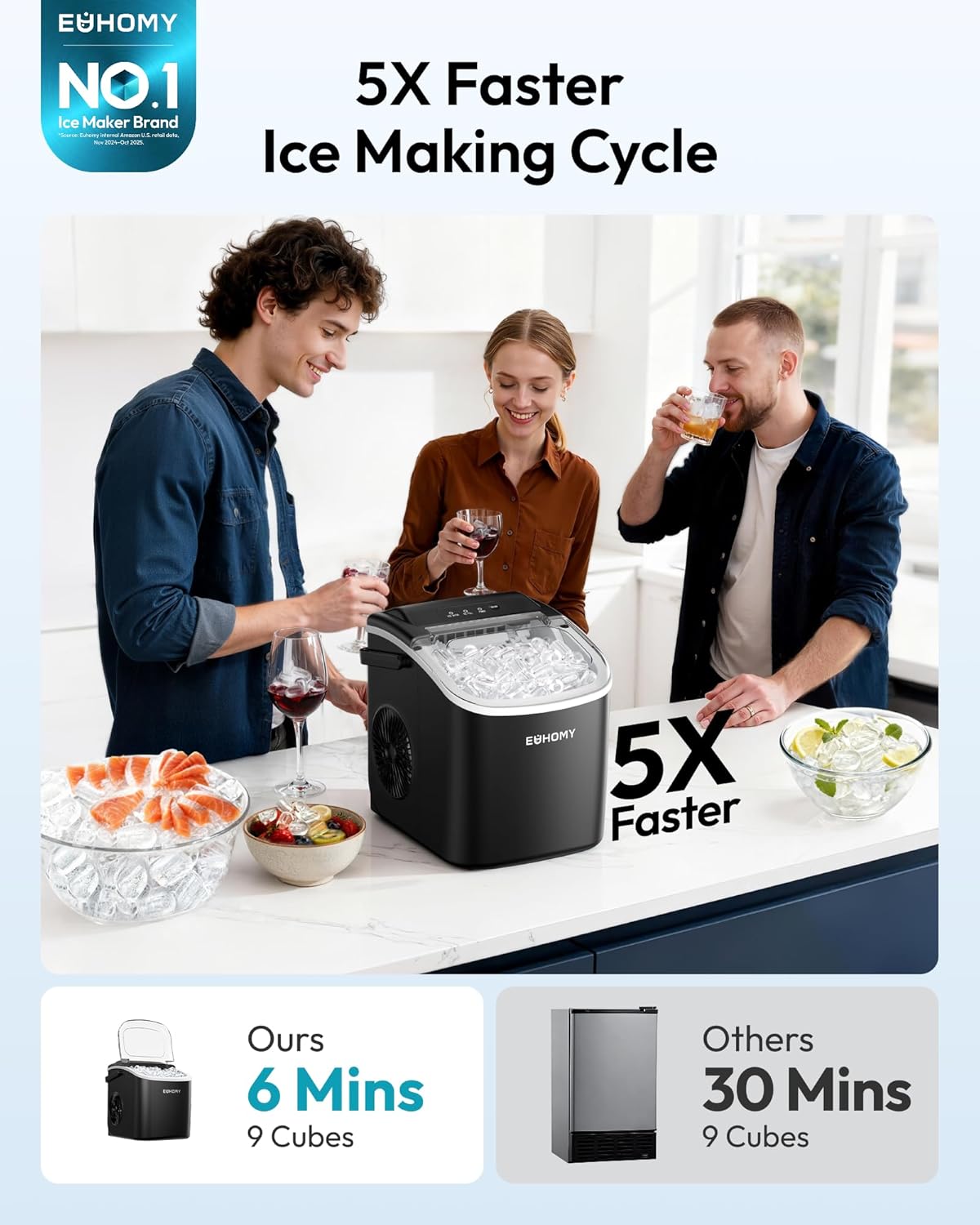
- Quick freeze cycles can produce a batch of ice cubes in as little as 6 to 10 minutes, compared to the longer cycles of regular ice machines.
- Some machines offer options for different ice shapes, such as bullet ice, nugget ice, or clear ice, depending on your needs.
- The float switch inside the maker helps regulate water levels, ensuring the machine only runs when there is enough water for the next cycle.
With the right ice maker, you can enjoy a steady supply of ice for drinks, parties, or daily use without waiting for hours. The fast freeze cycle is a real game changer for anyone who values convenience and efficiency in the kitchen. If you want to learn more about how these machines can transform your kitchen experience, check out this guide to the benefits of a premium ice maker.
Benefits of owning an ice maker with a quick freezing cycle
Why Quick Freeze Cycles Matter in Everyday Use
Having an ice maker with a fast freeze cycle can truly change how you experience your kitchen. The main advantage is the ability to produce ice cubes much faster than regular machines. This means you spend less time waiting for ice, whether you’re hosting a party or just need to cool your drink after a long day. Countertop ice makers with rapid cycles can deliver bullet ice or clear ice in as little as 6 to 10 minutes, compared to the longer wait with traditional ice cube trays or slower machines.
- Convenience: The quick freeze cycle lets you make ice on demand, so you’re always ready for guests or family gatherings.
- Consistent Ice Production: Fast cycles ensure a steady supply of ice cubes, which is especially helpful if you use a lot of ice for water, cocktails, or iced coffee.
- Versatility: Many machines offer options for different ice types, like bullet ice or nugget ice, giving you flexibility for various drinks and uses.
- Energy Efficiency: Modern ice makers with quick cycles often use less energy per batch, making the ice making process more efficient and cost-effective over time.
Another benefit is the improved freshness of your ice. With a faster freeze cycle, ice cubes spend less time in the machine, reducing the chance of absorbing odors from the water reservoir. This means your ice will taste cleaner and fresher, which is important for both regular use and special occasions.
Some countertop ice machines also feature a float switch to monitor water levels, ensuring the ice production process runs smoothly without interruption. This small detail can make a big difference in daily use, as it helps prevent the machine from running dry or overflowing.
For those interested in enhancing their kitchen experience even further, some ice makers now come with LED lighting. This not only adds a modern touch to your countertop but also makes it easier to see the ice making process, especially in low-light settings. If you want to learn more about this feature, check out this article on ice makers with LED lighting.
Ultimately, investing in a fast-freezing ice maker means you’ll always have ice ready when you need it, at a regular price that fits most budgets. Whether you’re looking for a machine for daily use or special events, the benefits of a quick freeze cycle are clear.
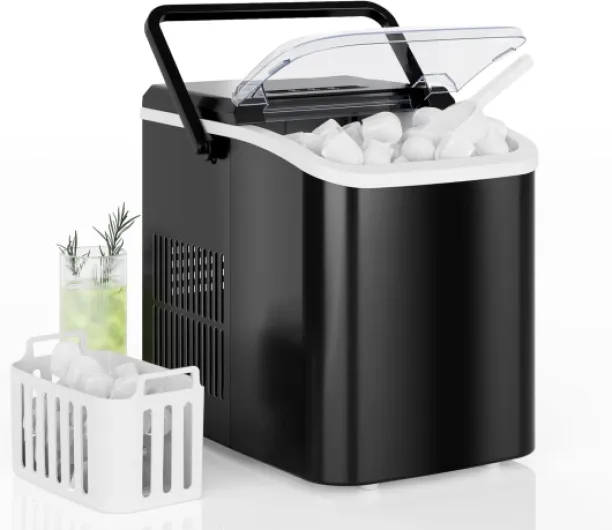
- + Fast Ice Production: 9 bullet ice cubes in just 6 minutes
- + Self-Cleaning Function: Easy maintenance
- + Portable: Ideal for home, kitchen, RV, and camping
- + Compact Design: Saves space on countertop
- + Quiet Operation: Doesn't disturb your environment

Key features to look for in a fast-freezing ice maker
What Sets Fast-Freezing Ice Makers Apart?
When you’re shopping for an ice maker with a quick freeze cycle, it’s easy to get overwhelmed by the options. Not all ice machines are created equal, especially when it comes to speed and efficiency. Here are some key features that make a real difference in your kitchen’s ice making process:
- Freeze Cycle Speed: The main advantage of these machines is how quickly they can turn water into ice cubes. Look for models that clearly state their ice production time per cycle. Some countertop ice makers can deliver fresh bullet ice in as little as 6-8 minutes per batch.
- Ice Cube Type: Fast-freezing machines often offer bullet ice, which is popular for its quick formation and easy removal. Some advanced models also produce clear ice or nugget ice, which can be a bonus if you’re particular about your drinks.
- Water Reservoir Capacity: A larger water tank means less refilling and more continuous ice making. This is especially useful if you entertain often or have a busy household.
- Float Switch Technology: A float switch helps regulate water levels, preventing overflow and ensuring the machine only runs when needed. This feature can extend the life of your ice maker and improve reliability.
- Ease of Use: User-friendly controls, clear indicators, and simple cleaning processes are essential. Some machines have a one-touch switch for starting the freeze cycle, making operation hassle-free.
- Size and Portability: Countertop ice makers are ideal for most kitchens due to their compact size. Make sure the dimensions fit your available space, especially if you plan to move the machine around.
- Ice Production Capacity: Check the daily ice output. A good fast-freezing ice maker should produce at least 20-30 pounds of ice per day, which is more than enough for most home needs.
- Price and Value: Compare the sale price and regular price, but also consider the features and durability. Sometimes, spending a bit more upfront saves money in the long run.
For a deeper look at how these features translate to real-world performance, you might want to experience the efficiency of the Klaris ice maker. It’s a solid example of what a fast-freezing, user-friendly machine can offer.
Remember, the right ice maker will not only speed up your ice making process but also fit seamlessly into your daily routine. Prioritize features that match your lifestyle and ice needs for the best results.
Common challenges when choosing a quick freezing ice maker
What Makes Choosing the Right Quick Freezing Ice Maker Tricky?
When you’re in the market for an ice maker with a fast freeze cycle, it’s easy to get overwhelmed. Not all machines deliver the same results, and several factors can make the decision more complicated than expected.
- Variety of Ice Types: Some machines produce bullet ice, others make clear ice or nugget ice. Each type has a different freeze cycle and affects the taste, clarity, and melting time of your ice cubes. Matching your needs with the right ice type is essential.
- Countertop vs. Built-in: Countertop ice makers are convenient for small kitchens, but their ice production and storage capacity can be limited compared to larger ice machines. Think about how much ice you’ll need at a time and how often you entertain guests.
- Water Quality and Float Switch Issues: The quality of water you use impacts the ice making process. Hard water can lead to scale buildup, affecting the freeze cycle and triggering float switch malfunctions. This can stop the machine mid-cycle or reduce ice production.
- Price vs. Performance: Fast-freezing machines often come at a higher sale price or regular price. It’s important to balance the price with the features you actually need, like ice cube size options, cycle speed, and ease of cleaning.
- Noise and Energy Use: Some fast freeze cycle machines are noisier or consume more energy during the making process. If your ice maker will be on your countertop, consider how much noise you can tolerate during regular use.
Common Buyer Frustrations
- Inconsistent Ice Production: Even with a quick freeze cycle, some machines struggle to keep up during peak times, especially if the water reservoir isn’t refilled promptly.
- Difficulty Cleaning: Fast-freezing ice makers can be harder to clean due to more complex internal components. Regular maintenance is key to keeping your machine running smoothly and producing clear, fresh-tasting ice cubes.
- Misleading Capacity Claims: Some makers advertise a high ice production rate, but this often refers to 24-hour output, not the amount available at one time. Check the storage bin size and actual cycle time for a realistic expectation.
Understanding these challenges will help you make a more informed decision when choosing a quick freezing ice maker for your kitchen. Consider your space, ice preferences, and maintenance habits to find the best fit for your needs.
Maintenance tips for optimal performance
Keeping Your Ice Maker Running Smoothly
Maintaining your ice maker with a fast freeze cycle is essential for consistent ice production and long-term reliability. Whether you have a countertop ice machine or a larger unit, regular care will help you avoid common problems and keep your machine making clear, bullet, or nugget ice efficiently.
- Clean the Water Reservoir and Lines: Over time, mineral deposits and impurities in water can build up inside your ice maker. Clean the water reservoir and internal lines every few weeks to prevent blockages and maintain the quality of your ice cubes.
- Descale the Machine: If your water is hard, scale can form inside the freeze cycle components. Use a manufacturer-recommended descaling solution to keep the freeze process efficient and extend the life of your ice machine.
- Check the Float Switch: The float switch helps regulate water levels during the ice making process. Make sure it moves freely and isn’t obstructed by debris or mineral buildup, as this can affect ice production and the overall cycle.
- Inspect and Clean the Ice Bin: Remove leftover ice cubes and wipe down the bin regularly. This prevents odors and ensures your ice stays fresh, especially if you use your maker ice frequently.
- Monitor the Water Supply: Always use clean, filtered water for your ice makers. This reduces the risk of cloudy ice and helps the machine maintain a regular freeze cycle, producing clear or bullet ice every time.
- Run a Cleaning Cycle: Many modern ice machines have a dedicated cleaning cycle. Run this process as recommended in your user manual to flush out impurities and keep the machine in top condition.
Simple Habits for Better Ice Making
- Empty the ice bin if you won’t use the ice for a while, to avoid stale cubes.
- Wipe down the exterior and control panel to keep your countertop ice maker looking good and working well.
- Check for leaks or unusual noises during the freeze cycle, which could signal a maintenance issue.
By following these tips, you’ll help your ice maker deliver consistent ice production, whether you’re making water ice for drinks or stocking up for a party. Regular maintenance also helps you get the most value for the sale price or regular price you paid for your machine, ensuring it stays reliable over time.
Troubleshooting frequent problems with quick freezing ice makers
Quick Solutions for Common Ice Maker Issues
If your ice maker with a fast freeze cycle is not performing as expected, don’t worry. Most countertop ice machines and other ice makers share a few common problems that are easy to troubleshoot. Here are some practical tips to help you get your machine back to making clear ice, bullet ice, or nugget ice efficiently:- Ice Maker Not Producing Ice: First, check the water reservoir. If the water level is too low, the machine won’t start the freeze cycle. Refill with clean water and restart the process.
- Small or Misshapen Ice Cubes: Mineral buildup from hard water can affect the ice making process. Regular cleaning with a mixture of water and vinegar helps maintain optimal ice production and keeps cubes clear and uniform.
- Machine Not Freezing Quickly: If the freeze cycle takes longer than usual, ensure the machine is not placed in direct sunlight or near a heat source. Ambient temperature can impact the time needed for the freeze cycle.
- Ice Stuck in the Maker: Sometimes, cubes get stuck due to overfilling or a jammed float switch. Gently remove any stuck ice and check the float switch for proper movement.
- Unusual Noises: Rattling or buzzing sounds may indicate loose parts or trapped ice. Turn off the machine, inspect for obstructions, and secure any loose components.
- Leaking Water: Check that the water reservoir and drain plug are properly sealed. A loose connection can cause leaks and disrupt the ice making process.