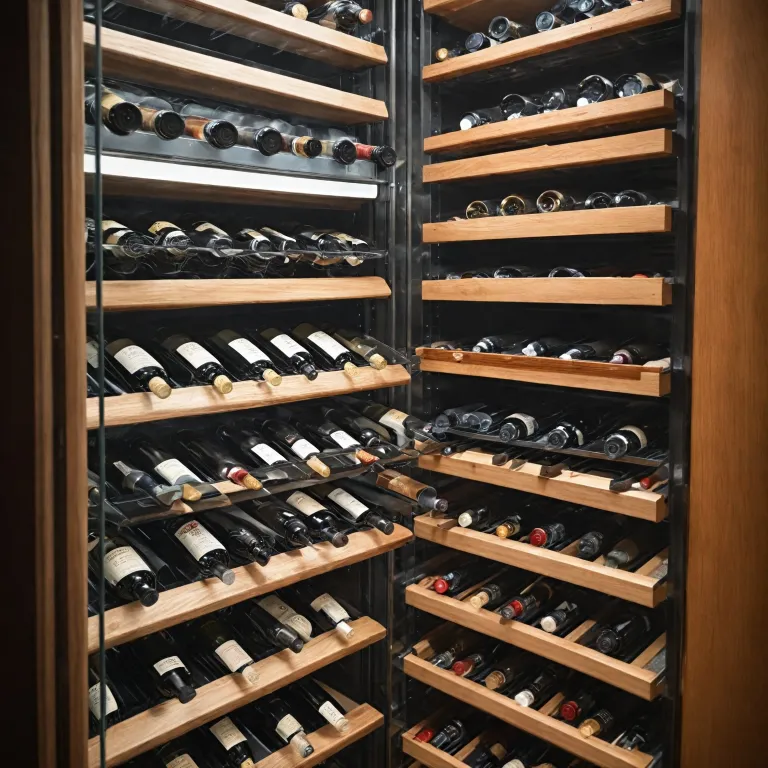
Understanding what makes the best wine storage refrigerator
Selecting the best wine storage refrigerator starts with understanding how wine reacts to temperature, light, and vibration. A serious wine enthusiast quickly learns that a standard fridge runs too cold and too dry, so dedicated wine fridges and wine coolers are engineered to protect aromas and textures. When you compare models, focus on how each wine refrigerator manages stable temperatures, humidity, and airflow rather than only looking at design.
The best wine storage refrigerator keeps wine at a proper serving and aging range, usually between 5 °C and 18 °C depending on reds whites. A single zone wine fridge maintains one fixed temperature, which suits a focused collection of either reds or whites, while a dual zone wine cooler allows you to store reds whites together at different temperatures. Look for precise temperature control with digital displays, because small fluctuations can dull delicate bottle wine over time.
Construction quality also separates basic wine fridges from premium wine cellar style appliances. A stainless steel cabinet with a tight sealing glass door reduces temperature swings and protects wine from UV exposure, while adjustable shelves help you fit various bottle sizes without wasting space. When you evaluate the best wine storage refrigerator for your home, consider how many bottles you realistically need to store, how much floor space you have, and whether a freestanding or built in refrigerator design will integrate better with your kitchen or bar.
Balancing single zone and dual zone designs for different collections
Choosing between a single zone and a dual zone wine refrigerator depends on how you drink and serve wine. If you mainly enjoy reds at a consistent serving temperature, a single zone wine fridge or compact beverage cooler may be the best balance of simplicity and cost. However, mixed collections of reds whites benefit from a dual zone wine cooler that separates each style into its ideal temperature band.
In a dual zone wine fridge, one zone typically runs around 5–8 °C for whites and sparkling wine, while the second zone wine compartment stays closer to 12–18 °C for reds. This dual temperature approach means you can pour bottle wine directly from the refrigerator without waiting for it to warm or cool on the counter. When comparing dual zone models, check that each zone has independent temperature control and clear digital readouts, because shared controls can limit flexibility.
Capacity and layout matter as much as the number of zones in the best wine storage refrigerator. Some wine coolers advertise high bottle counts but rely on tight stacking that makes it hard to access individual bottles without disturbing the whole shelf. Measure your available space carefully in centimetres and look at inch dual specifications, especially if you plan to slide the wine fridge under a counter or next to other fridges. For outdoor entertaining or large gatherings, pairing a wine refrigerator with a dedicated ice maker and a well managed cooler for maximum cooling can keep every beverage at the proper temperature.
Key construction features that protect wine quality over time
The best wine storage refrigerator is more than a stylish appliance ; it is a controlled environment that protects every bottle wine from avoidable damage. A high quality wine fridge uses insulated walls, a solid frame, and a well engineered door seal to maintain stable temperatures with minimal energy use. Stainless steel exteriors resist corrosion and match modern fridges, while interior finishes should be smooth and easy to clean.
Pay close attention to the glass door on any wine refrigerator you consider. Double or triple pane glass with UV filtering helps shield wine from light, which can prematurely age delicate whites and sparkling bottles. A sturdy door with a reliable hinge and handle also reduces vibration, and this matters because constant micro movement can disturb sediment and affect how wine develops in both single zone and dual zone wine coolers.
Shelving design inside wine fridges strongly influences day to day usability. Wooden shelves absorb small vibrations and allow bottles to slide smoothly, while metal shelves in stainless steel frames offer strength for heavier collections. Check that shelves extend far enough to read labels without fully removing a bottle, and confirm that the interior space can handle larger formats without forcing the door. If you entertain often with chilled desserts, understanding the differences between soft serve and traditional ice cream can help you coordinate freezer, beverage cooler, and wine storage zones more efficiently.
Capacity planning, layout, and integration in your living space
Thoughtful capacity planning ensures that the best wine storage refrigerator you choose will serve you well for many years. Start by counting how many bottles you currently own, then add a realistic buffer for growth, because most wine enthusiasts expand their collections once they have proper wine storage. Remember that stated bottle counts often assume standard 750 ml Bordeaux shapes, so mixed shapes and larger formats reduce the effective capacity of many wine fridges.
Consider how you will organize reds whites, sparkling wine, and everyday bottle wine within the refrigerator. Dual zone wine coolers allow you to dedicate one zone to ready to drink wines and the other to longer term storage, while single zone models may work best as a secondary wine beverage station near a dining area. Adjustable shelves and flexible racks help you adapt the interior space as your preferences change, especially if you move from casual drinking to more serious wine cellar style collecting.
Integration with your room layout is equally important for both aesthetics and performance. Built in wine fridges require proper ventilation clearances, so always follow the manufacturer’s instructions in centimetres and inch dual measurements to avoid overheating. Freestanding wine coolers offer more placement freedom but should still sit away from direct sunlight and heat sources, and they pair well with a dedicated ice maker station supported by guidance from resources such as this freestanding ice maker comparison. Whether you choose a compact wine fridge or a larger wine refrigerator, ensure the door can open fully without hitting cabinets or other fridges.
Temperature control, noise, and energy performance in wine fridges
Reliable temperature control is the defining feature of the best wine storage refrigerator, because wine is highly sensitive to heat and cold. Look for wine fridges with electronic thermostats, clear digital displays, and tight temperature ranges, ideally within 1–2 °C of your set point. A well designed wine refrigerator will recover quickly after the door opens, protecting both reds whites from repeated thermal shock.
Compressor based wine coolers are common because they handle wider temperature ranges and larger capacities, but they can generate more vibration and noise. Many premium models use vibration dampening mounts and carefully balanced fans to keep sound levels low, which is important if the wine fridge sits near a living room or bedroom. Thermoelectric wine fridges run more quietly and with fewer moving parts, yet they usually suit smaller collections and moderate ambient temperatures, so they may not be the best choice for very warm spaces.
Energy performance matters for both operating costs and environmental impact. A stainless steel wine refrigerator with good insulation, an efficient compressor, and LED lighting will typically consume less electricity than older fridges with poor seals and incandescent bulbs. When comparing models, check energy labels, consider how often you open the glass door, and think about whether a single zone or dual zone configuration better matches your usage patterns. For many households, a balanced wine beverage strategy that combines a moderate capacity wine cooler with a separate beverage cooler for beer and soft drinks offers the best mix of efficiency and convenience.
Design details, security, and maintenance for long term reliability
Design details can transform a basic wine fridge into the best wine storage refrigerator for your lifestyle. Soft interior lighting showcases labels through the glass door without exposing wine to harsh heat, while reversible doors allow flexible placement in tight spaces. Stainless steel trims, clean handles, and coordinated finishes help your wine refrigerator blend with existing fridges and kitchen appliances.
Security features matter if you store valuable bottle wine or share a home with children or frequent guests. Many wine coolers and wine fridges include lockable doors, which protect both your investment and your serving plans for special occasions. A solid lock combined with a sturdy stainless steel frame and well anchored shelves keeps your wine cellar style refrigerator stable even when fully loaded.
Regular maintenance keeps temperature control accurate and extends the life of your wine refrigerator. Clean the door gasket periodically, vacuum ventilation grilles, and check that the interior space remains dry and free from mould. Calibrate the thermostat occasionally with a reliable thermometer to confirm that both single zone and dual zone compartments hold the proper temperatures for reds whites, and adjust your wine beverage rotation so that older bottles move forward while newer bottles settle undisturbed at the back.
Statistics that highlight the value of dedicated wine storage
- Households that invest in a dedicated wine refrigerator often report significantly fewer spoiled bottles compared with those using standard fridges.
- Temperature fluctuations greater than 3 °C can noticeably affect wine quality over extended storage periods, especially for delicate whites.
- Dual zone wine coolers have grown in popularity as more consumers seek to serve reds whites at separate, proper temperatures from a single appliance.
- Energy efficient wine fridges with LED lighting and improved insulation can reduce electricity consumption compared with older refrigerator models of similar capacity.
- Stainless steel and glass door designs remain the most requested finishes for modern wine fridges and beverage cooler combinations in contemporary kitchens.
Common questions about choosing the best wine storage refrigerator
How is a wine refrigerator different from a regular fridge ?
A wine refrigerator runs at higher, more stable temperatures than a standard fridge, which is usually too cold and dry for wine. Wine fridges also minimize vibration and often use UV protected glass doors to shield bottles from light. These differences help preserve aromas, flavours, and textures over both short and long term storage.
Do I really need a dual zone wine cooler for reds whites ?
You do not always need a dual zone wine cooler, but it offers clear advantages if you regularly serve both reds whites. One zone can hold whites and sparkling wine at cooler temperatures, while the other keeps reds slightly warmer for ideal serving. If your collection focuses on a single style, a well calibrated single zone wine fridge may be sufficient.
What capacity should I choose for my first wine fridge ?
For a first wine fridge, many buyers underestimate how quickly their collections grow once they have proper wine storage. It is wise to choose a wine refrigerator that holds at least 25–50 percent more bottles than you currently own. This extra space allows you to take advantage of mixed case purchases and seasonal offers without overcrowding shelves.
Can I place a wine cooler in a warm kitchen or near an oven ?
Most wine coolers can operate in a warm kitchen, but they should not sit directly beside an oven or in strong sunlight. Excess ambient heat forces the wine fridge to work harder, which can shorten its lifespan and destabilize temperatures. Leave adequate ventilation space around the refrigerator and follow the manufacturer’s installation guidelines carefully.
Is a glass door safe for long term wine storage ?
A glass door is safe for long term wine storage if it includes UV protection and proper insulation. Double or triple pane glass with a good seal helps maintain stable temperatures and blocks harmful light. Many of the best wine storage refrigerator models combine a glass door with stainless steel frames to balance visibility, protection, and style.