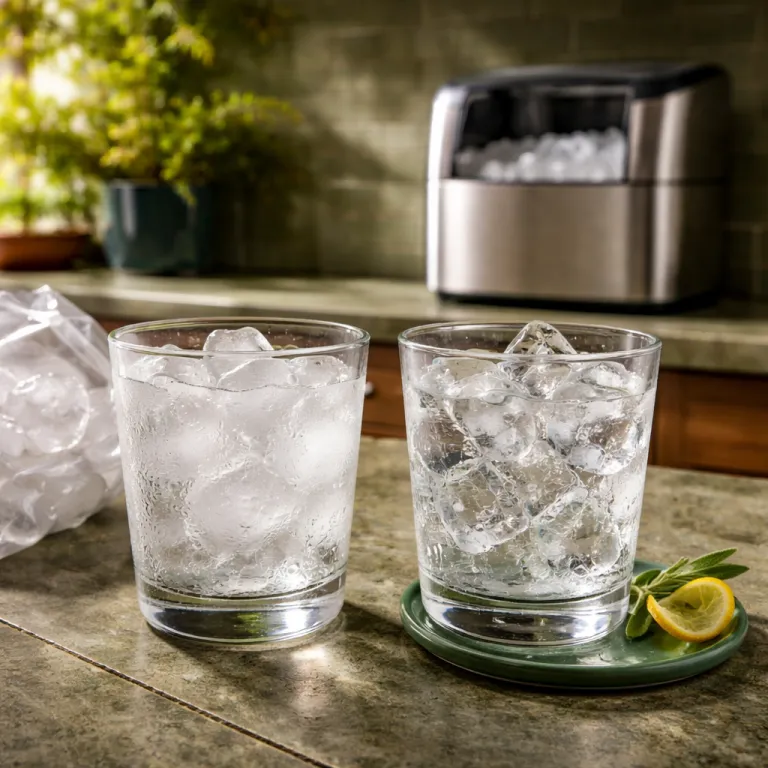
Mapping bad ice taste to five common off flavor profiles
When a buyer asks why does my ice taste bad, I start by matching the ice taste to one of five predictable profiles. Each profile links to a specific part of the ice maker system, from the water supply and water filter to the freezer air and ice bin, which makes it much easier to fix bad tasting cubes without replacing the appliance. Once you can describe whether the ice tastes musty, metallic, chemical, like the refrigerator, or simply stale, you can target the right maintenance steps and restore clean ice quickly.
Musty or earthy tasting ice usually points to biofilm, which is a thin layer of microbial growth on plastic water ice paths, the ice bin walls, or the reservoir of portable ice makers. This biofilm traps organic particles from the water and slowly releases both smell and taste into every ice cube, so the ice tastes bad even when the water quality on paper looks fine. A full cleaning service with a food safe sanitizer, followed by two batches of discarded tasting ice, almost always removes this musty taste ice profile, which aligns with cleaning guidance from major refrigerator and ice machine manufacturers and food safety recommendations from agencies such as the CDC.
Metallic or rusty ice tastes often come from mineral buildup inside the maker or from a copper water supply line after plumbing work. Hard water leaves scale on the evaporator where freezer ice forms, and that scale can trap metals that leach into fresh cubes, so the ice taste shifts from neutral to sharp and unpleasant. In these cases, descaling the ice maker on the schedule recommended in the owner’s manual and adding an appropriate water filter for your local water quality, such as an NSF/ANSI 42 and 53 certified refrigerator cartridge, will help both the taste and the long term maintenance schedule.
Chemical or swimming pool style tasting ice usually signals a chlorine spike in municipal water or a saturated water filter cartridge. When the filter media is exhausted, it can let more chlorine and organic byproducts through, so the ice tastes bad even though the tap water seems acceptable in a glass. If your ice cubes suddenly taste chemical while the refrigerator water still seems fine, replace the water filter immediately, as most brands advise every six months or sooner for heavy use, and run at least two full ice bin loads of clean ice to flush the system in line with NSF filter capacity ratings.
That classic fridge or freezer ice flavor, where the ice tastes like last week’s leftovers, comes from shared air between the freezer compartment and the ice bin. Uncovered food, spills, and open packages release volatile compounds that the porous surface of each ice cube absorbs, so the ice taste mirrors whatever sits near it. Sealing foods, cleaning the freezer, and moving the ice bin away from strong smelling items will usually restore neutral tasting ice within a day, especially when combined with a quick wipe of the bin itself and removal of any obviously spoiled items.
Finally, flat or stale tasting ice often traces back to slow melt and refreeze cycles in a warm or overfilled ice bin. When cubes partially melt against each other and then refreeze, they trap freezer air and odors, so the ice tastes dull, slightly stale, and sometimes vaguely bad even if the water quality is good. Emptying the bin weekly, breaking up clumped cubes, and keeping a steady turnover of fresh ice water cubes will keep both smell and taste under control and prevent that lingering freezer burn character that many people describe as cardboard like or dusty.
How water lines, filters, and supply quirks shape ice taste
Many homeowners are surprised that their ice tastes worse than their tap water, yet the reason often lies in the hidden path from the water supply to the ice maker. A long run of PEX or copper tubing from a basement supply line to a refrigerator or undercounter maker can pick up flavors that a quick glass of ice water from the sink never shows. When you ask why does my ice taste bad but the sink water tastes fine, that buried plumbing route is usually the missing piece of the puzzle.
Water sitting for hours in a warm section of tubing can develop a plastic like smell or slightly stale taste, especially before the first batch of ice cubes each day. This standing water then becomes the source for freezer ice, so the first ice bin load often tastes bad while later cubes taste fresher as cooler water flows through. Flushing the line by dispensing several glasses of water ice or discarding the first batch of tasting ice after long idle periods can help stabilize both taste and quality, and mirrors the flushing steps many manufacturers describe for new installations and seasonal restarts.
Filter cartridge timing is another frequent culprit when ice tastes off, even in otherwise high quality ice makers. A saturated water filter often shows up as foggy or cracked ice cubes, odd shapes, or slow production, and these visual problems usually arrive just before the ice tastes noticeably bad. If you see cloudy ice cube centers or thin, misshapen cubes in the bin, treat that as a clear signal that the filter and the entire maker need attention rather than waiting for a strong off flavor to appear.
From a testing standpoint, I find that replacing the water filter on schedule prevents most bad tasting ice complaints in family kitchens. When filters run months past their rated capacity, they can start releasing trapped contaminants back into the water supply stream, which makes the ice taste worse than unfiltered tap water. Marking the replacement date on a small label inside the refrigerator or near the ice maker helps busy households stay ahead of this invisible maintenance task and aligns with the six month replacement interval printed on many certified refrigerator filters and inline cartridges.
For buyers planning a new installation, routing the water supply thoughtfully is one of the best long term investments in clean ice. Keep tubing runs as short as practical, avoid routing lines near heat sources, and use food grade materials that do not impart plastic taste to water. If you expect heavy entertaining or frequent filling of large ice bags for parties, pairing the installation with a higher capacity water filter rated for your expected gallons per day, such as an NSF certified inline carbon block, will keep both volume and taste ice performance consistent.
Households that bag and store extra ice cubes for events should also think about storage accessories, not just the machine. Choosing the right food grade ice bags for your ice maker needs, especially thicker bags with secure closures, helps protect fresh cubes from freezer air and prevents them from picking up bad tasting odors over time. When the storage system matches the quality of the maker and the water, the ice taste stays neutral from the first pour to the last drink of the night, even when cubes are stored for several weeks.
When the problem is the water, not the ice maker
Sometimes the most honest answer to why does my ice taste bad is that the incoming water quality is simply not ideal for freezing. Hard water, well water with sulfur notes, or post renovation plumbing with new copper can all create bad tasting cubes even in the best rated ice makers. In these cases, no amount of basic maintenance will fully fix the ice taste until the water itself is treated and verified.
Hard water carries high levels of calcium and magnesium, which leave scale on the freezing plate and change how ice cubes form and melt. This mineral buildup not only shortens the service life of the maker but also traps off flavors that slowly leach into each ice cube, so the ice tastes chalky or metallic. A dedicated scale reduction water filter or a small point of use softener on the water supply line can dramatically improve both taste and long term maintenance costs when sized according to local hardness levels published by your municipality or water utility.
Well water often brings its own challenges, especially when natural sulfur or iron is present in the aquifer. These compounds can make ice water smell like rotten eggs or metal, and once frozen into cubes, the bad tasting notes become even more concentrated as the drink warms. In such homes, a multi stage filtration system with sediment, carbon, and possibly an iron or sulfur specific cartridge is usually required before the ice maker can produce clean ice consistently and without lingering odor.
After plumbing renovations, new copper lines can briefly release higher levels of copper into the water, which gives tasting ice a sharp metallic edge. If your ice tastes suddenly different right after a kitchen upgrade, run the tap until the water runs cold, then flush several full ice bin loads to clear the line. When the metallic taste ice persists beyond a few days, a certified laboratory water test or a kit that follows NSF or local health department guidance will help you choose the right filtration tier rather than guessing.
For families who care about refined home drinks, pairing good water with a well maintained maker is essential. Guidance on how to create perfect frozen ice cubes for refined home drinks often starts with stable water quality, because even the clearest cubes will taste bad if the source water carries strong mineral or chemical notes. Once the water is right, the freezer ice, the ice bin, and the refrigerator environment can all be tuned to protect that clean profile and keep cocktails tasting consistent.
As a tester, I always recommend a simple taste comparison between tap water, filtered refrigerator water, and fully melted ice water from the same maker. If the tap already tastes bad, no machine can magically produce great tasting ice until the water quality is addressed at the source. When the tap tastes fine but the ice tastes off, the focus should shift back to the maker, the filter, and the freezer environment rather than the municipal supply, using the flavor profiles above as a troubleshooting checklist.
The cleaning sequence that fixes most bad tasting ice
Once you know the flavor profile and have ruled out obvious water supply issues, a structured cleaning routine usually answers the question of why does my ice taste bad. In hands on testing and in line with many manufacturer recommendations, a four step sequence of draining, descaling, sanitizing, and rinsing solves the majority of ice taste complaints in family kitchens. This process restores both smell and taste while also extending the service life of the ice maker.
Start by turning off the maker, emptying the ice bin, and draining any internal reservoir or water ice tank completely. Removing all standing water prevents old, stale tasting pockets from mixing with fresh water later, which is a common reason why clean ice still tastes bad after a partial cleaning. Wipe visible surfaces with a soft cloth to remove loose debris before moving to chemical cleaners so that the descaler and sanitizer can reach the actual buildup.
The second step is descaling, which targets mineral deposits on the freezing surfaces and internal tubing. Use a manufacturer approved descaling solution mixed with water, such as a citric acid based cleaner designed for ice machines, run it through a full cycle if the design allows, then let it sit for the recommended duration so it can dissolve buildup that affects both ice taste and cube shape. Rinse thoroughly until the water runs clear and no cleaner smell remains, because leftover solution can make tasting ice unpleasant and may conflict with food safety guidance.
Sanitizing comes next and focuses on killing biofilm and bacteria that cause musty or sour smelling ice cubes. Apply a food safe sanitizer to the reservoir, ice bin, and any removable parts, then let them air dry completely to avoid diluting the product and weakening its effect. This step is especially important for countertop ice makers, where warm interiors and intermittent use can create ideal conditions for biofilm growth and recurring odor.
The final step is a double rinse with plain water, followed by discarding at least the first two full batches of cubes. Running two complete cycles ensures that any residual cleaner, loosened mineral, or sanitizer is flushed out before you judge the new ice taste, which protects both your drinks and your confidence in the machine. Only after these two batches of tasting ice are thrown away should you evaluate whether the ice tastes neutral again and decide if a second deep clean is necessary.
For buyers comparing models, it is worth reading how to choose the ideal ice machine for freezer and countertop use with cleaning in mind. Machines with easy access to the ice bin, removable parts, and clear drain paths make this maintenance routine faster, which means you are more likely to keep up with it and avoid sudden bad tasting ice problems. A design that encourages regular cleaning will quietly protect both water quality and everyday family drinks over the full life of the appliance.
Prevention routines so your ice never tastes like the freezer again
Once the immediate why does my ice taste bad crisis is solved, prevention keeps the problem from returning. A simple routine of weekly wiping, monthly draining, and quarterly deep cleaning balances effort with real world family schedules while protecting both ice taste and machine reliability. Skipping the quarterly step is usually what leads to the sudden moment when ice tastes like the freezer again after months of good performance.
Each week, take a minute to empty the ice bin partially, break up clumped cubes, and wipe the bin walls with a clean, damp cloth. This removes early biofilm and food particles before they can create musty smelling ice or stale tasting cubes that make every drink feel slightly off. Check nearby freezer items at the same time, sealing open packages so their odors do not drift into the bin and change how the ice tastes.
Once a month, drain any internal reservoir or water ice tank completely and refill with fresh water, even if the maker seems to be working well. This step prevents layers of old water from lingering at the bottom, where they can slowly degrade water quality and make new cubes taste bad despite a clean filter. It also gives you a chance to inspect the water supply line for kinks, leaks, or visible discoloration that might affect both taste and safety.
Every three months, repeat the full four step cleaning sequence of drain, descale, sanitize, and double rinse, then discard the first two batches of tasting ice. Mark this quarterly deep clean on a family calendar or set a reminder on your phone, because consistent timing matters more than perfection in technique. When this schedule is followed, most households never again face persistent bad tasting ice or unexplained freezer ice odors, and filter replacement dates are easier to remember.
Pay attention to early warning signs between cleanings, such as a faint fridge smell in ice water, slightly cloudy cubes, or a new aftertaste that appears only in certain drinks. These subtle changes often appear days or weeks before the ice tastes truly bad, giving you time to act with a quick wipe down or an early filter change. Treat your senses as part of the maintenance toolkit, just like a brush or a bottle of descaler, and do not ignore recurring metallic or chemical notes that may justify a professional water test.
For families who entertain often, keeping a small reserve of clean ice in sealed containers can also help. Store extra ice cubes in airtight bags or boxes rather than leaving them loose in the freezer, so they do not absorb odors or moisture that make the ice taste like the freezer over time. With these habits in place, your ice maker becomes a reliable partner for everyday hydration and special occasions alike, consistently delivering fresh, neutral tasting ice.
FAQ
Why does ice from my freezer taste worse than ice from a bag?
Bagged ice is usually produced with filtered water and stored in sealed packaging, so it is protected from freezer odors and moisture. Home freezer ice often sits uncovered in an open ice bin, where it absorbs smells from nearby food and slowly becomes stale as cubes melt and refreeze. Improving water quality, sealing foods, and using closed containers for ice cubes will narrow the gap between store bought and home tasting ice.
How often should I replace the water filter in my refrigerator ice maker?
Most refrigerator water filters are rated for about six months of typical family use, but heavy ice and water consumption can shorten that interval. Signs that the filter is overdue include cloudy or oddly shaped cubes, slower production, and a sudden change in ice taste even though tap water seems normal. Replacing the water filter on schedule and flushing at least two full ice bin loads afterward keeps both water quality and ice taste stable and follows the timelines printed in most user manuals.
Can a dirty freezer really make my ice taste bad?
Yes, a dirty or cluttered freezer is one of the most common reasons why ice tastes like the freezer. Uncovered leftovers, spills, and open packaging release volatile compounds that the porous surface of each ice cube absorbs over time. Regularly cleaning the freezer, sealing foods, and keeping the ice bin away from strong smelling items will protect both smell and taste in your cubes.
Is cloudy ice always a sign of poor water quality?
Cloudy ice can come from trapped air as water freezes quickly, which is harmless, but it can also signal mineral buildup or a saturated filter. When cloudiness appears suddenly along with changes in taste or smell, it usually points to water quality or maintenance problems inside the maker. Descaling the machine, replacing the filter, and flushing several batches of ice water will clarify whether the issue was cosmetic or taste related.
Should I turn off my ice maker when I go on vacation?
Turning off the ice maker before a long trip is wise, because stagnant water and unused cubes can develop stale or musty flavors. Empty the ice bin, drain any reservoir, and, if possible, shut off the water supply to prevent slow leaks or contamination while you are away. When you return, run a quick rinse cycle and discard the first batch of cubes to restore fresh tasting ice, then confirm that the taste remains stable over the next day.