Understanding black mold in ice machines
What is black mold and why does it matter in ice makers?
Black mold is a type of fungus that can thrive in moist environments, making ice machines and ice makers a common spot for its growth. When mold develops inside your ice machine, it can appear as dark patches or even as a slimy residue, sometimes referred to as mold slime. This contamination not only affects the taste and safety of your ice cubes, but it can also pose health risks to anyone consuming the ice or working with the machine.
How does black mold impact your ice and machine?
When black mold forms in your ice maker, it can lead to contaminated ice, unpleasant odors, and visible slime inside the ice bin or water reservoir. Mold growth can also clog your water filter and reduce the efficiency of your machine. Regular cleaning and maintenance are essential to keep your ice clean and safe for consumption. Mold ice is not just a nuisance; it can also damage your equipment over time, leading to costly repairs or replacements.
Where does black mold typically grow in ice machines?
Black mold tends to develop in areas where water sits or air circulation is poor. Common spots include the water reservoir, ice bin, and any crevices where moisture can accumulate. If your machine is not allowed to dry properly between uses, or if cleaning maintenance is neglected, mold growth becomes much more likely. Employees should be trained to recognize these problem areas and ensure regular cleaning to prevent mold buildup.
Understanding the importance of proper controls
Modern ice makers often include features to help prevent mold, but understanding how these components work is key. For example, the role of the bin control thermistor is crucial in maintaining the right temperature and reducing moisture, which can help prevent mold growth. Knowing how your machine operates and what parts are responsible for moisture control can make cleaning and maintenance much easier and more effective.
- Black mold thrives in moist, poorly ventilated areas of ice machines
- It can contaminate ice, affect health, and damage equipment
- Regular cleaning, drying, and proper maintenance are essential to prevent mold slime and ensure clean ice
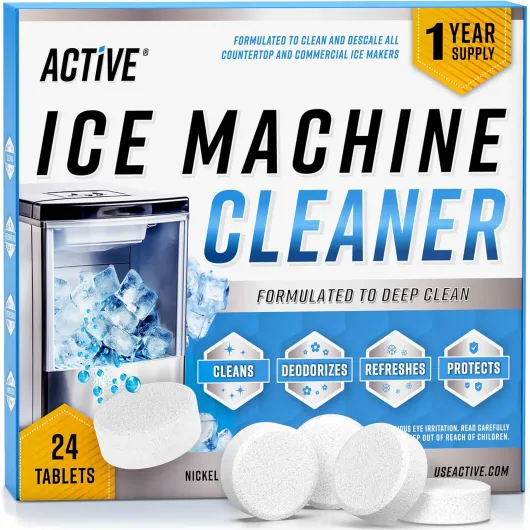
- + 24 Clean Tablets for long-lasting use
- + Compatible with multiple brands: Frigidaire, Opal, GE Profile, Kitchenaid
- + Effective scale remover for countertop and nugget ice makers
- + Bulk supply for 1 year
- + Easy to use with tablets format

Signs your ice machine may have black mold
Common Warning Signs of Mold in Your Ice Maker
Spotting mold growth early in your ice machine is crucial for maintaining clean ice and protecting health. Mold, especially black mold, can develop quickly in the moist, cool environment inside ice makers. Here are some signs to watch for:
- Unusual Odors: If your ice or water smells musty, earthy, or unpleasant, this could be a sign of mold or slime inside the machine.
- Visible Discoloration: Black, green, or pink spots in the ice bin, water reservoir, or on the ice cubes themselves often indicate mold or slime growth. Pay close attention to hard-to-reach areas and corners.
- Cloudy or Odd-Tasting Ice: Mold contamination can cause ice cubes to appear cloudy or taste off. Clean ice should be clear and tasteless.
- Slippery Surfaces: If you notice a slimy film on machine surfaces, especially in the ice bin or water filter area, this is often caused by mold slime or bacterial buildup.
- Frequent Clogging: Mold and slime can clog the water filter or block the water reservoir, reducing ice production and affecting machine performance.
Regular cleaning maintenance is essential to prevent mold and keep your ice maker producing safe, easy ice. Employees should be trained to recognize these signs and take action quickly. If you notice any of these issues, it’s important to clean mold from your machine right away to avoid contaminated ice and potential health risks.
For more details on how specific components like the bin control thermistor can affect mold growth and machine performance, check out this guide on the role of the AM-50BAJ bin control thermistor in your ice maker.
Staying alert to these warning signs and performing regular cleaning with warm water, vinegar, or approved cleaning products will help keep your ice machines clean and prevent mold growth. Don’t forget to let all parts air dry thoroughly before restarting the machine.
Why black mold forms in ice machines
Common causes of mold and slime inside ice makers
Mold and slime growth in ice machines is more common than many realize. These contaminants thrive in the damp, cool environment inside your ice maker, especially when regular cleaning and maintenance are overlooked. Mold spores are present in the air and can settle inside the machine, especially in areas where water sits, like the water reservoir, ice bin, or on the surfaces where ice cubes form.
- Moisture and warmth: Even though ice makers are cold, the combination of moisture and occasional warmth from the surrounding air creates an ideal environment for mold and slime to develop.
- Stagnant water: Water left sitting in the machine, especially in the reservoir or filter, can quickly become a breeding ground for mold growth. This is why a clean water filter and regular draining are essential.
- Organic debris: Tiny food particles or dust can enter the machine, providing nutrients for mold and slime. Employees handling ice without washing hands can also introduce contaminants.
- Poor air circulation: Lack of airflow inside or around the machine can cause dampness to linger, encouraging mold slime to form on surfaces and in hidden corners.
Neglecting cleaning maintenance is a major factor. Without routine cleaning, mold can quickly take hold, leading to contaminated ice and potential health risks. Using improper cleaning products or skipping steps like drying the machine after cleaning can also leave behind moisture that encourages mold ice to form.
Another factor is the water quality. Hard water or water with high mineral content can leave deposits inside the machine, making it harder to keep clean and giving mold more places to grow. Using vinegar or warm water during cleaning can help dissolve these deposits, but always follow manufacturer guidelines to prevent damage.
To keep your ice maker producing clean ice, it’s important to understand these causes and address them through regular cleaning and proper maintenance. For more tips on ensuring your ice cubes stay crystal clear and free from contaminants, check out this guide on how to make perfectly clear ice cubes at home.
How to safely remove black mold from your ice machine
Step-by-step guide to cleaning mold from your ice maker
Dealing with mold in your ice machine is crucial for both health and machine performance. Mold, slime, and bacteria can contaminate ice cubes, water reservoirs, and even the air around your ice maker. Here’s how to safely remove mold and restore clean ice production.- Unplug and empty the machine: Always disconnect your ice maker from power before starting. Remove all ice cubes and empty the ice bin and water reservoir.
- Disassemble removable parts: Take out trays, bins, and filters. This makes cleaning easier and ensures you reach all areas where mold growth and slime can hide.
- Prepare a cleaning solution: Mix warm water with either a commercial ice machine cleaner or a solution of vinegar and water (one part vinegar to ten parts water). Vinegar is effective for breaking down mold and mineral buildup, but always check your manufacturer’s recommendations for approved cleaning products.
- Scrub all surfaces: Use a soft brush or cloth to scrub the inside of the machine, focusing on corners, the water reservoir, and any visible mold or slime. Don’t forget the ice bin and water filter area, as these spots often harbor mold growth.
- Rinse thoroughly: After cleaning, rinse all parts with clean water to remove any cleaning solution residue. This step is important to prevent contaminated ice and maintain the taste of your ice cubes.
- Dry completely: Allow all components to air dry fully before reassembling. Moisture left behind can encourage mold to return.
- Replace filters if needed: If your ice maker uses a water filter, replace it as part of your cleaning maintenance routine. A clogged or old filter can contribute to mold and slime buildup.
- Run a cleaning cycle: Some ice machines have a cleaning mode. Run this cycle with fresh water to flush out any remaining debris.
Safety tips for employees and home users
- Wear gloves and a mask to avoid direct contact with mold and cleaning chemicals.
- Ensure good ventilation during cleaning to reduce exposure to mold spores and fumes.
- Dispose of any contaminated ice and thoroughly clean the ice bin before use.
Preventing black mold in your ice machine
Routine Steps to Keep Mold and Slime Away
- Regular cleaning maintenance: Schedule a deep clean of your ice machine at least once every month. This helps prevent mold growth and keeps your ice cubes safe for consumption.
- Keep it dry: After cleaning, always let the ice bin, water reservoir, and other removable parts air dry completely. Mold and slime thrive in damp environments, so drying is key.
- Change the water filter: Replace your ice maker’s water filter according to the manufacturer’s recommendations. A clean filter helps prevent contaminated ice and reduces the risk of mold slime buildup.
- Use the right cleaning products: Avoid harsh chemicals that can damage your machine or leave residues. Food-safe cleaners or a solution of vinegar and warm water are effective and safe for most ice makers.
- Monitor for leaks and standing water: Check for any leaks or pooling water inside or around the machine. Excess moisture encourages mold ice and slime growth.
- Train employees: If your ice machine is in a commercial setting, make sure all employees know how to clean and maintain the machine properly. Consistent cleaning routines help prevent mold and keep your ice clean.
Extra Tips for Easy Ice and a Healthy Machine
- Leave the lid open when possible: If your ice maker is not in use, leaving the lid or door open allows air to circulate and helps the machine dry out, making it harder for mold to grow.
- Inspect regularly: Look for early signs of mold, slime, or unusual odors. Early detection makes cleaning easier and prevents health risks from contaminated ice.
- Don’t forget the small parts: Clean the ice scoop, water lines, and any removable trays. Mold can hide in these areas and contaminate your ice.
By following these easy steps, you can keep your ice maker mold-free and ensure your ice machines always produce clean, safe ice for everyone.
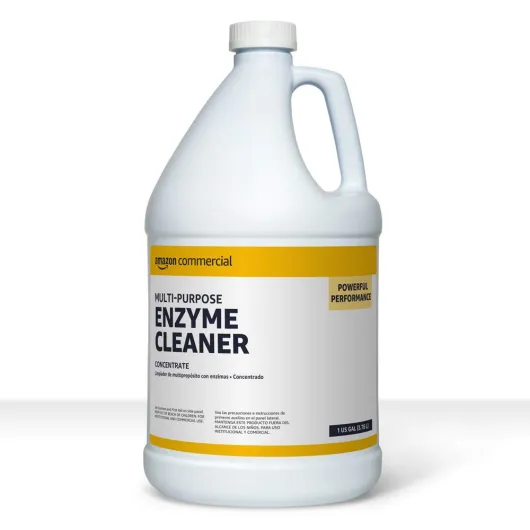
Choosing the right cleaning products for your ice machine
What to Look for in Ice Machine Cleaning Products
Choosing the right cleaning products is essential for keeping your ice maker free from mold, slime, and other contaminants. Not all cleaners are suitable for ice machines, so it’s important to select products that are safe for both your machine and your health. Here’s what to consider:
- Food-Safe Formulas: Always use cleaning solutions labeled as food-safe and designed specifically for ice machines. These products are formulated to remove mold, slime, and mineral buildup without leaving harmful residues that could contaminate your ice cubes.
- Avoid Harsh Chemicals: Stay away from bleach or ammonia-based cleaners. These can damage internal components and may leave behind odors or residues that affect the taste and safety of your ice.
- Effectiveness Against Mold and Slime: Look for cleaners that specifically mention their ability to remove mold, slime, and biofilm. Some products are designed to break down organic growth in water reservoirs, ice bins, and other machine parts.
- Easy Rinse: Choose cleaning agents that rinse away easily with warm water. This helps prevent any lingering chemicals from mixing with your next batch of ice.
- Compatibility: Make sure the cleaner is compatible with your specific ice maker model. Some machines require certain types of cleaning maintenance products to avoid voiding warranties or damaging components.
Natural Alternatives: Vinegar and Warm Water
For those who prefer a more natural approach, a solution of vinegar and warm water can help clean mold and mineral deposits. However, vinegar may not be as effective against heavy mold growth or slime, and it’s important to rinse thoroughly to avoid any lingering taste in your ice. Remember, natural methods are best for regular maintenance, not for tackling severe contamination.
Other Maintenance Essentials
- Replace Water Filters: Regularly changing your water filter helps prevent mold growth and keeps your ice clean. A clogged filter can lead to contaminated ice and encourage mold slime in the water reservoir.
- Dry Components: After cleaning, allow all parts—especially the ice bin and water reservoir—to air dry completely. Moisture left behind can encourage mold growth.
- Employee Training: If you manage a team, make sure employees understand the importance of proper cleaning maintenance. Consistent routines help prevent mold and keep your machine clean and safe.
Choosing the right cleaning products and following a regular maintenance schedule will make it easy to prevent mold in your ice maker. This ensures clean ice, protects your health, and extends the life of your machine.