

Understanding the importance of ice in ice baths
The Role of Ice in Effective Cold Plunge Therapy
Ice baths have become a popular recovery method for athletes and wellness enthusiasts. The core of this therapy is the combination of cold water and a large amount of ice, which rapidly lowers the temperature in the bath tub or plunge tub. This cold plunge process helps reduce muscle soreness, inflammation, and speeds up recovery after intense workouts. The quality and quantity of ice used directly impact the effectiveness of your cold plunge experience.
Why Ice Quality and Quantity Matter
Not all ice is created equal. The type of ice—whether it's clear ice cubes, large ice blocks, nugget ice, or bullet ice—affects how quickly your bath cools and how long it stays cold. Clear ice melts slower and keeps the water at a consistent temperature, while smaller cubes or silicone ice can chill the bath quickly but may melt faster. Commercial ice makers and countertop ice machines can produce different types and sizes of ice, so choosing the right ice maker is crucial for regular ice baths.
- Large ice blocks are ideal for keeping the plunge tub cold for longer sessions.
- Clear ice cubes offer a clean, slow-melting option for maintaining cold water temperature.
- Portable ice makers are convenient for home use and can quickly supply enough ice for a single bath.
Choosing the Right Ice Maker for Your Needs
When planning for regular ice baths, it's important to estimate how much ice you'll need and select an ice maker or machine that can meet those demands. Factors like the size of your bath tub, the desired water temperature, and how often you take cold plunges all play a role. If you're looking for guidance on selecting the best ice maker for your specific needs, check out this resource on choosing the right cube ice machine.
Understanding the importance of ice in your cold plunge routine sets the foundation for making informed decisions about ice makers, maintenance, and troubleshooting. The right machine ensures you always have enough ice cubes or blocks for effective recovery and optimal bath temperature.
Key features to look for in an ice maker for ice bath
Essential Qualities for Your Ice Bath Maker
Choosing the right ice maker for your cold plunge or recovery routine can make a big difference in your experience. Not all ice machines are created equal, especially when it comes to filling a large bath tub or plunge tub with enough cold water and ice to reach the ideal temperature. Here are the most important features to consider when shopping for the best ice maker for ice baths:
- Ice Production Capacity: Look for machines that can produce a large amount of ice quickly. For regular ice baths, you’ll want an ice maker that can deliver at least 25-50 pounds of ice per day. Commercial ice makers or portable ice makers with high output are often preferred for this reason.
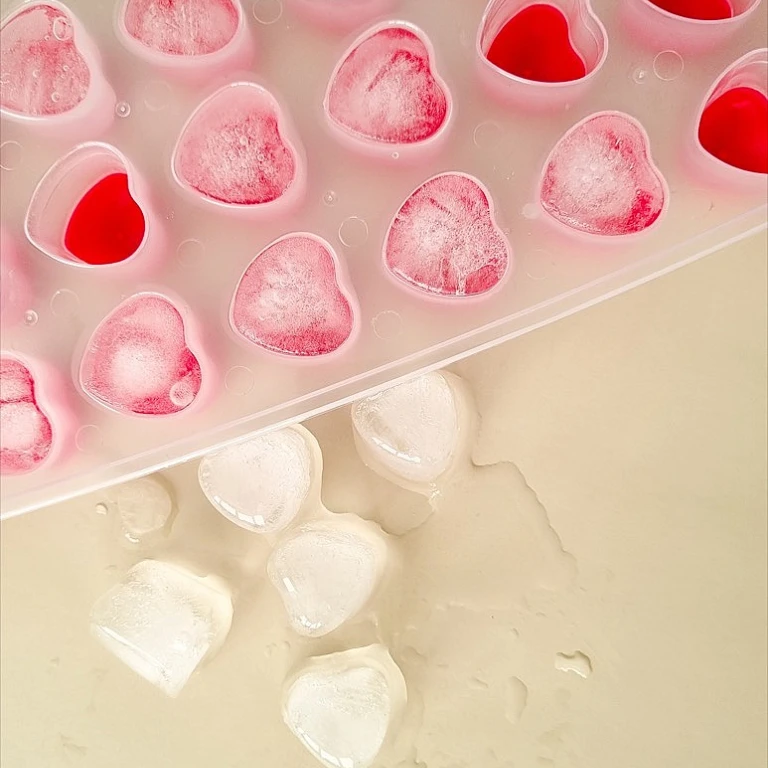
- Type of Ice: The shape and clarity of the ice matter. Clear ice cubes or ice blocks melt slower and cool water more efficiently than bullet ice or nugget ice. Some users prefer silicone ice molds for making large ice blocks, while others opt for countertop ice makers that produce clear ice cubes.
- Size and Portability: If you have limited space or plan to move your ice maker between locations, a portable ice machine or compact countertop ice maker is a practical choice. For dedicated cold plunge setups, a larger commercial ice machine may be worth the investment.
- Ease of Use: Simple controls, easy water refilling, and quick ice dispensing are important for hassle-free operation. Some ice makers even have self-cleaning features, which can help with maintenance (more on that later).
- Durability and Build Quality: Since ice baths require frequent use, choose a machine built to last. Stainless steel construction and reliable components are key for long-term performance.
- Noise Level: Some ice makers can be quite loud. If you’re using your machine in a home gym or quiet space, check for reviews mentioning noise levels.
- Water Source and Drainage: Consider whether the machine needs a direct water line or can be filled manually. For large ice baths, a continuous water supply is often more convenient.
Many buyers also look for machines that can make both ice cubes and ice blocks, depending on their needs. If you’re interested in creative ways to use your ice maker beyond cold plunge therapy, check out these creative ice maker recipes for inspiration.
Ultimately, the best ice maker for your ice bath setup will depend on your bath size, frequency of use, and personal preferences. Take time to compare features and read reviews before making your decision.
Comparing different types of ice makers
Types of Ice Makers for Cold Plunge Baths
When choosing an ice maker for your ice bath or cold plunge routine, it’s important to understand the main types of machines available. Each type produces different ice shapes and volumes, which can impact your recovery experience and how quickly you can chill your bath tub water to the right temperature.
- Countertop Ice Makers: These compact machines are popular for home use. They’re portable, easy to set up near your plunge tub, and can produce bullet ice or nugget ice quickly. If you want a convenient solution for regular ice baths, a countertop ice machine is a practical choice. However, they may not produce enough large ice cubes for bigger bath tubs or frequent cold water therapy sessions.
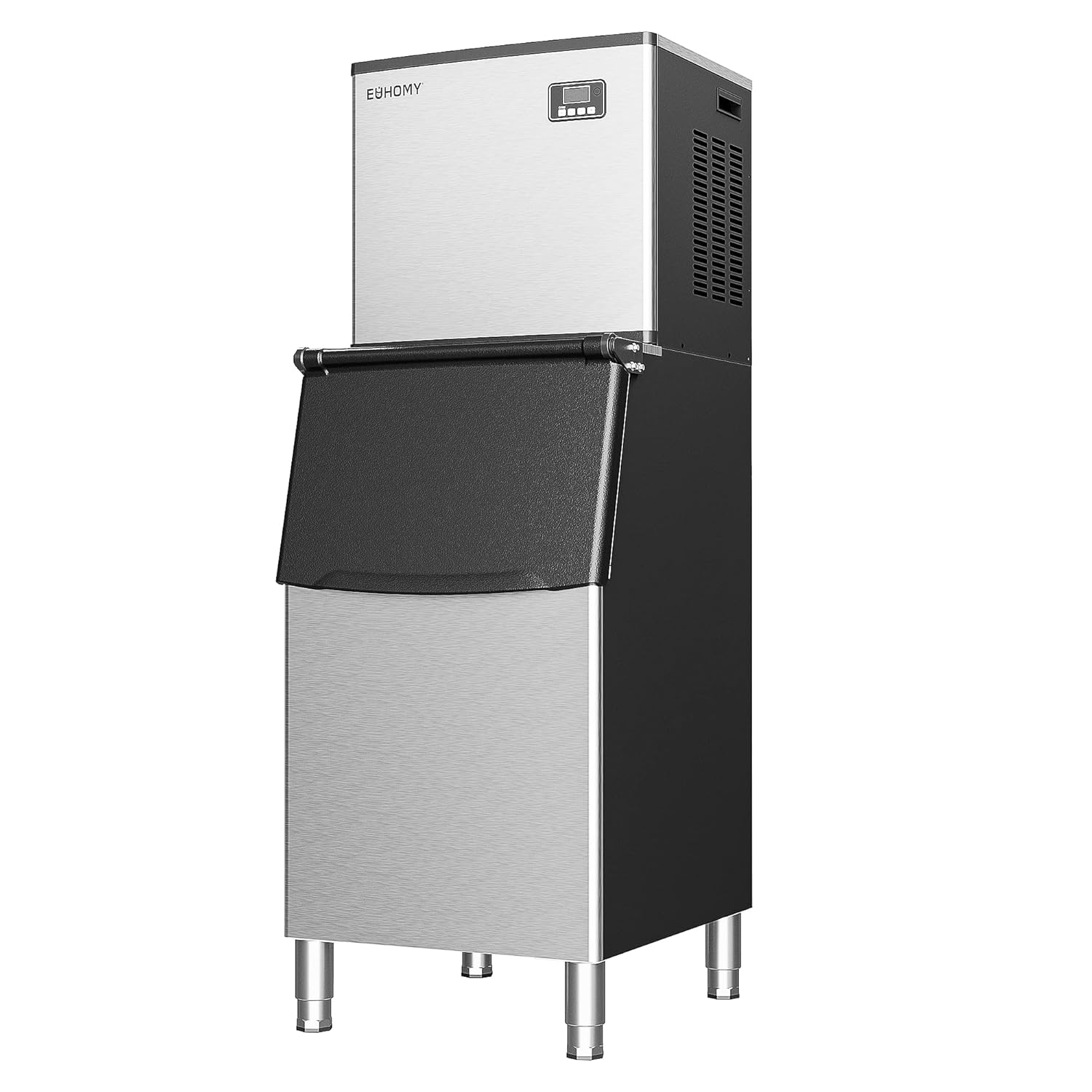
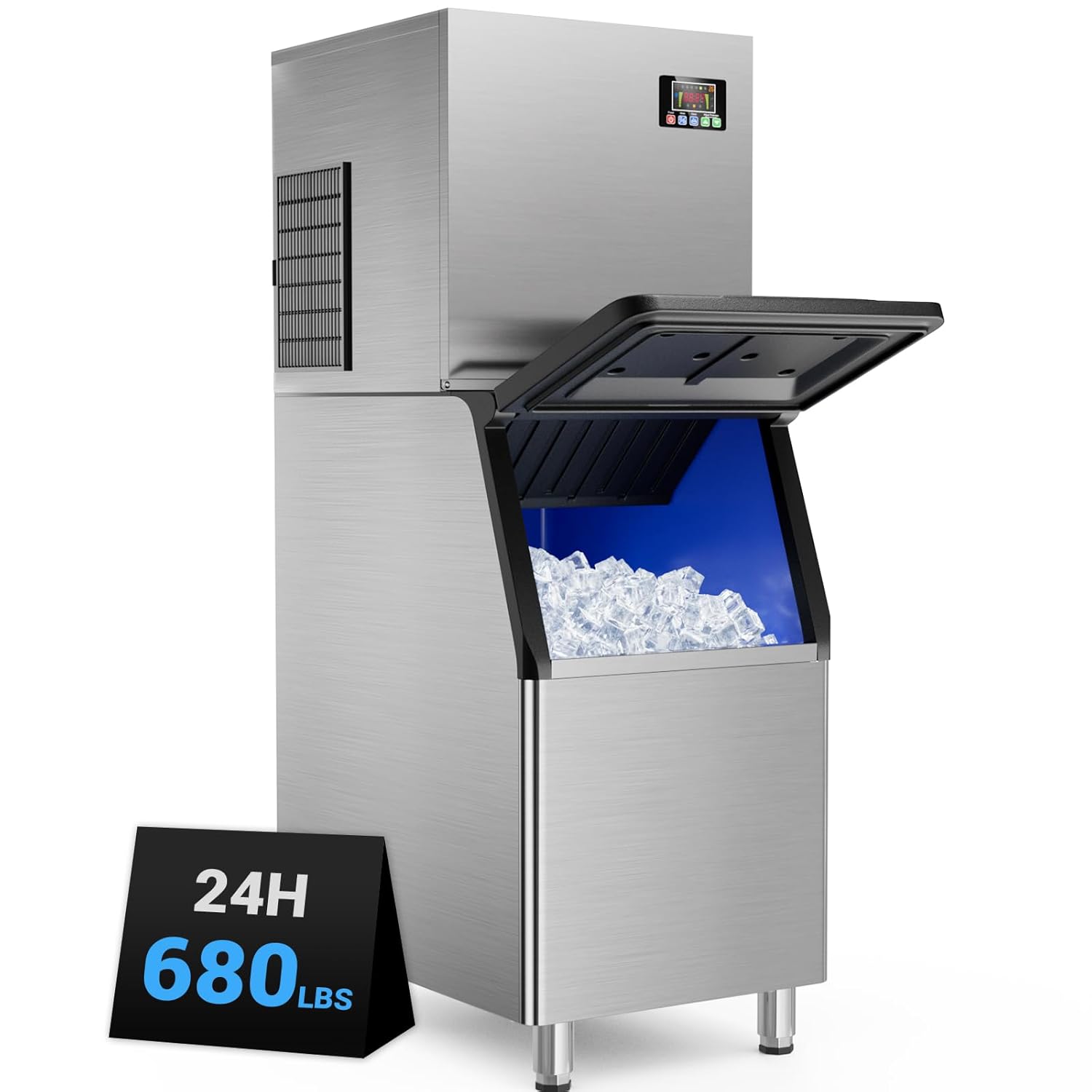
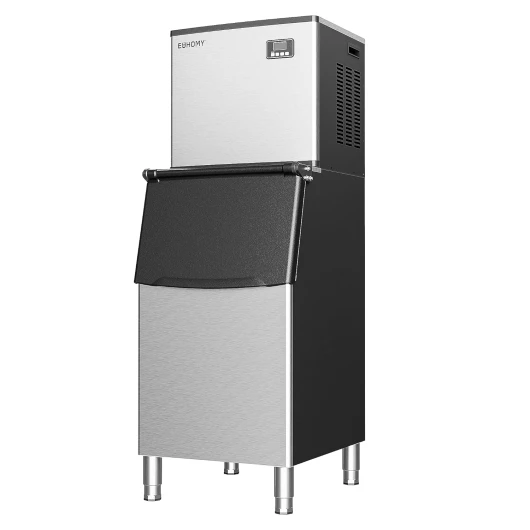
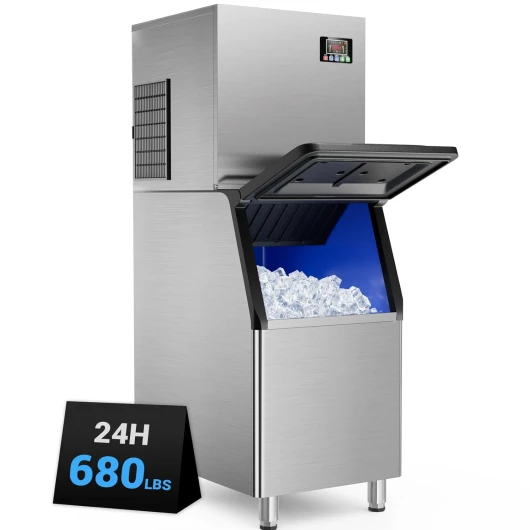
- Commercial Ice Makers: Designed for high output, these machines are ideal if you need a large volume of ice for multiple cold plunge baths or group recovery sessions. They can make clear ice cubes, ice blocks, or even specialty shapes. Commercial makers are larger and require more space and maintenance, but they’re the best option for consistent, large ice production.
- Portable Ice Makers: These are similar to countertop models but often lighter and easier to move. They’re great for those who want to use their ice machine in different locations or take it to events. Portable makers typically produce bullet ice or nugget ice, which melts faster but is easy to distribute in a bath tub.
- Clear Ice Makers: If you prefer clear ice cubes for your plunge, these machines freeze water slowly to remove air bubbles, resulting in dense, slow-melting cubes. Clear ice is ideal for maintaining cold water temperature longer in your tub, but these makers can be more expensive and take longer to produce ice.
- Ice Block Makers: For those who want to chill a large bath quickly, ice block machines create big blocks of ice. These are perfect for filling a large plunge tub or bath with minimal effort. However, they require more storage space and planning, as ice blocks take longer to freeze and handle.
Choosing the Right Ice Machine for Your Needs
When comparing ice makers, consider the following:
- Ice Output: How much ice do you need per session? For frequent ice baths, a commercial or large countertop ice maker may be necessary.
- Ice Shape: Nugget ice and bullet ice melt quickly, while clear ice cubes and ice blocks last longer in cold water. Choose based on your preferred bath temperature and recovery goals.
- Space and Portability: Countertop and portable ice makers fit easily in most homes, while commercial and block makers need more room.
- Maintenance: Some machines require more cleaning and care, especially if you use them for multiple baths or in humid environments.
- Budget: Prices vary widely. Countertop and portable makers are more affordable, while commercial and clear ice machines are an investment for serious cold plunge enthusiasts.
Whether you’re looking for the best ice machine for a single bath or need a large ice maker for regular cold plunge therapy, matching your needs with the right type of ice maker ensures a reliable and enjoyable recovery experience.
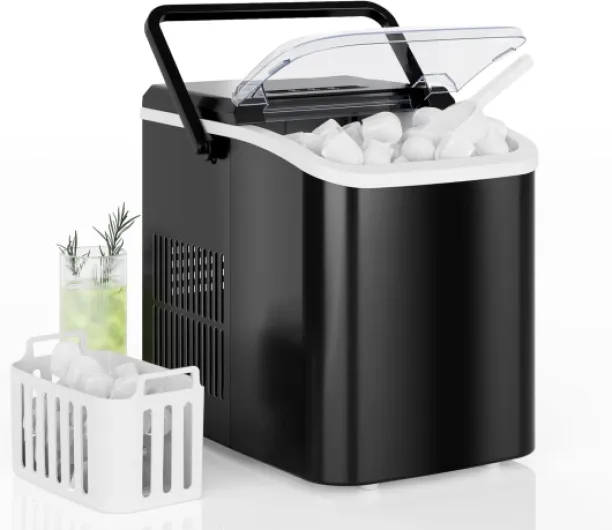
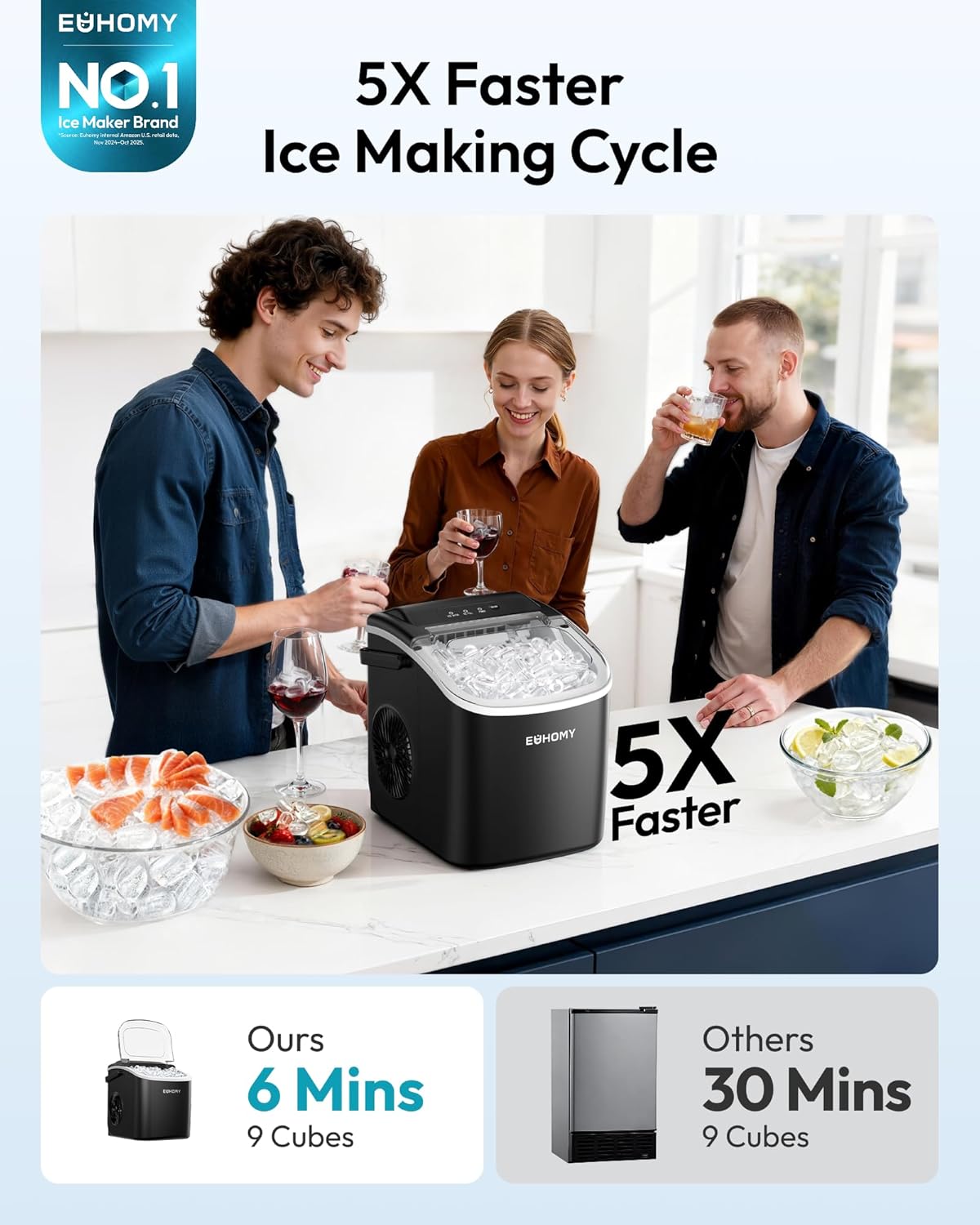
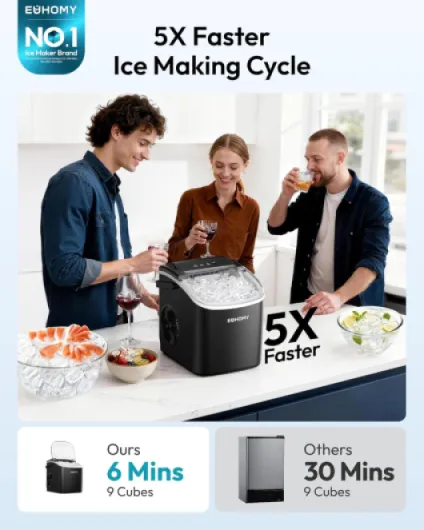
- + Fast Ice Production: 9 bullet ice cubes in just 6 minutes
- + Self-Cleaning Function: Easy maintenance
- + Portable: Ideal for home, kitchen, RV, and camping
- + Compact Design: Saves space on countertop
- + Quiet Operation: Doesn't disturb your environment

Estimating your ice needs for regular ice baths
Calculating How Much Ice You Need for a Cold Plunge
Getting the right amount of ice for your ice bath is key to achieving the ideal cold water temperature for recovery. The amount of ice you need depends on several factors, including the size of your bath tub or plunge tub, your starting water temperature, and how cold you want your bath to be. Here’s how to estimate your ice needs for regular cold plunge sessions:
- Bath Size: Larger tubs require more ice to cool the water effectively. A standard bath tub or plunge tub (about 80-100 gallons) typically needs 40-60 pounds of ice to reach temperatures around 50-59°F (10-15°C).
- Starting Water Temperature: If your tap water is already cold, you’ll need less ice. Warmer water will require more ice cubes or blocks to reach the desired temperature.
- Desired Temperature: For most recovery and cold plunge benefits, aim for water between 50-59°F. If you want a colder plunge, add more ice blocks or clear ice cubes.
- Ice Type: Large ice blocks melt slower and keep the bath cold longer, while nugget ice or bullet ice cools the water quickly but melts faster. Clear ice and silicone ice cubes are popular for their slow-melting properties.
Practical Tips for Regular Ice Baths
- For frequent ice baths, consider a commercial ice maker or a portable ice machine with a large capacity. Countertop ice makers are convenient for smaller baths but may require multiple batches.
- Keep extra ice on hand in a freezer or insulated cooler, especially if you plan multiple cold plunge sessions in a day.
- Use a thermometer to monitor water temperature and adjust your ice quantity as needed.
- Photo documentation of your setup can help track what works best for your routine and recovery goals.
| Bath Size | Ice Needed (lbs) | Recommended Ice Maker Type |
|---|---|---|
| Small (40-60 gal) | 20-30 | Countertop or portable ice maker |
| Medium (60-80 gal) | 30-50 | Large portable or commercial ice maker |
| Large (80-100+ gal) | 50-70 | Commercial ice machine or multiple makers |
Remember, the best ice maker for your ice baths depends on your plunge tub size, frequency of use, and how quickly you want to reach your target cold water temperature. Many buyers on Amazon look for machines that can produce large, clear ice cubes or blocks for longer-lasting cold. Whether you choose a dedicated ice chiller, a countertop ice maker, or a commercial ice machine, planning your ice needs in advance ensures a consistent and effective cold plunge experience.
Maintenance tips for your ice maker
Keeping Your Ice Maker in Top Shape
Regular maintenance is essential to ensure your ice maker delivers clear, cold ice for every plunge. Whether you use a portable ice machine for your bath tub or a large commercial ice maker for frequent cold plunge sessions, a few simple habits can extend the life of your machine and keep your ice baths safe and refreshing.- Clean the Water Reservoir: After each use, empty and rinse the water tank. Stagnant water can lead to mineral buildup and affect the taste and clarity of your ice cubes.
- Descale Regularly: Hard water can cause scale to form inside your ice maker. Use a manufacturer-approved descaling solution every few weeks, especially if your bath water is mineral-rich.
- Wipe Down Surfaces: Use a soft cloth to clean the exterior and interior surfaces. Pay special attention to the ice chute and storage bin, where moisture can encourage mold or mildew.
- Check the Filters: Some ice makers, especially countertop and commercial models, have water filters. Replace or clean these filters as recommended to maintain the best ice quality for your cold plunge tub.
- Inspect for Ice Blockages: Large ice cubes or blocks can sometimes jam the machine. Remove any stuck ice and avoid overfilling the bin to keep the maker running smoothly.
Storage and Seasonal Use
If you only use your ice maker for recovery baths or cold plunge therapy during certain seasons, store it properly:- Drain all water from the machine and let it dry completely before storing.
- Keep the maker in a cool, dry place away from direct sunlight or freezing temperatures.
- Cover the machine to prevent dust from entering the ice cube compartment.
Maintaining Ice Quality
For the best cold plunge experience, focus on ice clarity and temperature:- Use filtered or distilled water for clearer ice cubes and blocks.
- Regularly empty the ice bin to prevent older ice from melting and refreezing, which can affect the texture and chill of your bath.
- If your machine offers different ice types (nugget ice, bullet ice, or large clear cubes), experiment to find what works best for your plunge tub and recovery needs.
Troubleshooting common ice maker issues
Quick Fixes for Common Ice Maker Problems
Even the best ice maker for your cold plunge tub can run into issues. If your machine isn’t producing enough ice for your bath or the cubes aren’t as clear as you’d like, don’t worry—most problems have simple solutions. Here’s a quick guide to troubleshooting the most frequent issues with ice makers used for ice baths and recovery routines.
- Ice maker not making ice: Check if the water reservoir is filled. Low water levels or a disconnected water line can stop production. Make sure your machine is plugged in and the power is on.
- Small or misshapen ice cubes: This often means there’s not enough water or the water temperature is too high. Use cold water for the best results, especially if you want large, clear ice blocks for your plunge tub.
- Cloudy or soft ice: Hard water or mineral buildup can affect ice clarity. Regularly clean your ice maker and use filtered water to get clear ice cubes or blocks for your bath tub.
- Ice maker is noisy: Some noise is normal, but loud grinding or rattling may indicate a jammed ice cube or a loose part. Unplug the machine and inspect for any stuck cubes or debris.
- Ice melts too quickly: If your ice cubes or blocks are melting before you can fill your plunge tub, try pre-chilling the bath water or using a chiller. Also, ensure your ice maker is producing the right type of ice—nugget ice and bullet ice melt faster than large block ice.
When to Call for Professional Help
If you’ve tried these steps and your ice machine still isn’t working, it might be time to contact the manufacturer or a professional technician. This is especially important for commercial ice makers or large countertop ice machines from Amazon or other retailers. Regular maintenance and prompt repairs will keep your ice baths cold and your recovery routine on track.
| Problem | Possible Cause | Quick Solution |
|---|---|---|
| No ice production | Empty water tank, power issue | Refill water, check power |
| Cloudy ice | Mineral buildup | Clean machine, use filtered water |
| Small cubes | Warm water, low water level | Use cold water, refill tank |
| Noisy operation | Ice jam, loose part | Unplug and inspect |
Keeping your ice maker in top shape ensures you always have enough ice for your cold plunge, whether you’re using a portable ice maker, a commercial ice machine, or a silicone ice block mold. Regular cleaning and quick troubleshooting will help you get the most out of your investment and keep your ice baths at the perfect temperature for recovery.