

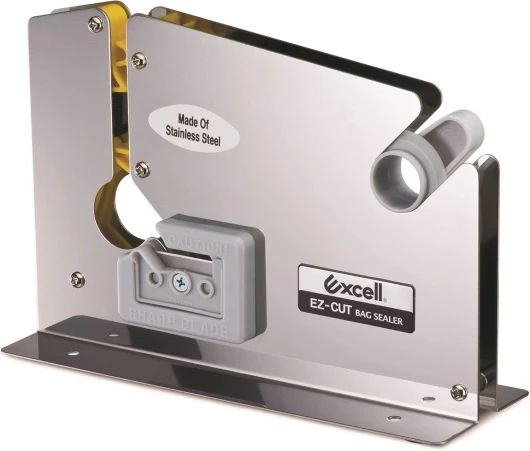
Understanding the role of an ice bagging machine in packaged ice operations
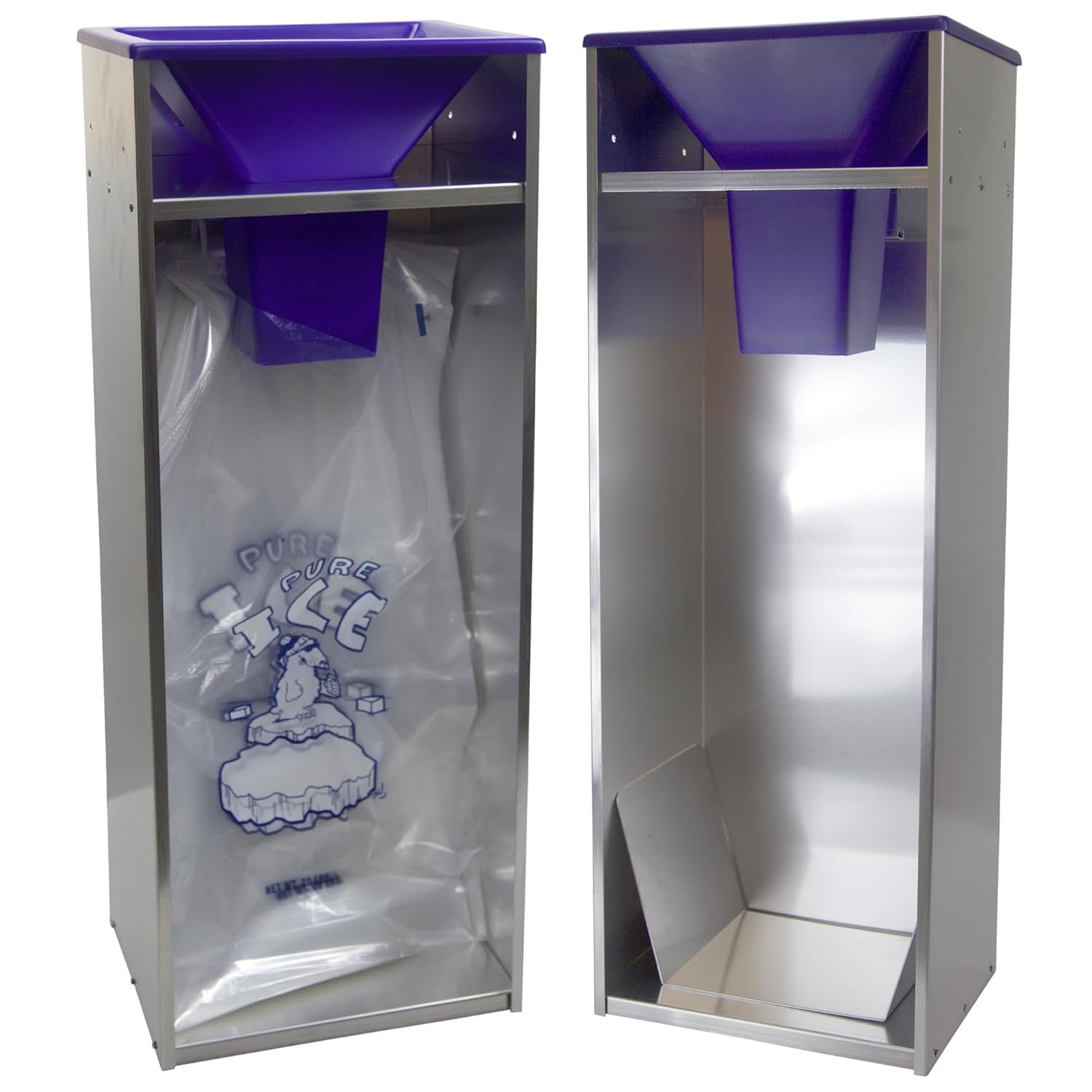
An efficient ice bagging machine sits at the heart of any serious packaged ice operation. When you pair a reliable ice machine with a well designed bagger and dispenser, you transform loose ice into a consistent product that buyers can trust every day. This combination of equipment, from the ice bagger to the bagger dispenser and dispensing system, determines how smoothly your commercial workflow runs.
For an ice maker buyer, the first priority is matching the ice bagging capacity to your actual demand. A small shop selling a few bags of ice per hour needs a different bagging system than a busy marina moving hundreds of ice bags and bags ice in peak season. Always check the rated kilograms or lbs per hour, and compare that to your busiest days rather than your average ones.
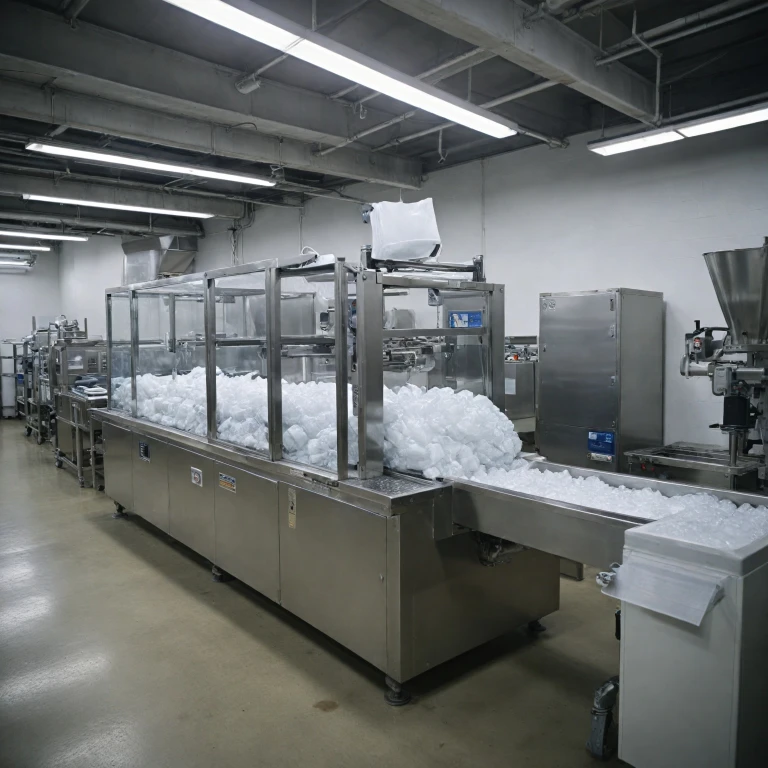
Modern ice baggers are designed to reduce manual handling and protect product quality. A good ice bagging machine will guide ice from the ice machines into bags with minimal melt, then support a clean fill seal or twist closure. This protects the packaged ice from contamination, keeps the bag sizes consistent, and presents a professional product on the shelf.
Attention to materials is equally important for long term reliability. Stainless steel frames and contact surfaces resist corrosion from constant exposure to ice, water, and cleaning chemicals, which extends the life of the machine and other equipment. When you evaluate the price, consider not only the initial product cost but also how stainless steel construction, robust film handling, and a dependable bagging dispensing system will reduce downtime and service calls.
Key components of an effective ice bagging and dispensing system
A complete ice bagging system is more than a single machine, because it combines storage, transport, bagging, and sealing into one coordinated flow. At the core, you have the ice machine or multiple ice machines feeding a hopper, which then delivers ice to the ice bagger at a controlled rate. Around this core, you add a bagger dispenser, film handling, and a sealing or twist ties station to finish each ice bag consistently.
The bagging dispensing stage determines how quickly and cleanly you can move from loose ice to finished bags. Some operations use pre made ice bags on a wicket, while others rely on roll film and a form fill seal approach for higher speed. In both cases, the ice bagging machine must align the bag or film, manage different bag sizes, and ensure that each bag ice portion is accurate and repeatable.
Sealing is another critical step that affects both hygiene and customer perception. Many commercial sites still prefer twist ties for their simplicity, while others use heat seal bars integrated into the form fill seal system. Whatever method you choose, the seal must be strong enough to survive transport, stacking, and freezer storage without leaking water or losing ice.
Buyers should also consider how the dispensing system integrates with existing equipment and workflow. If you already have a stainless steel storage bin or a specific interplas film type, confirm that the new ice bagging machine can handle that product and packaging without constant adjustments. For owners interested in premium clarity, pairing your bagger with techniques from simple steps to make clear ice at home can help you market a higher value packaged ice line.
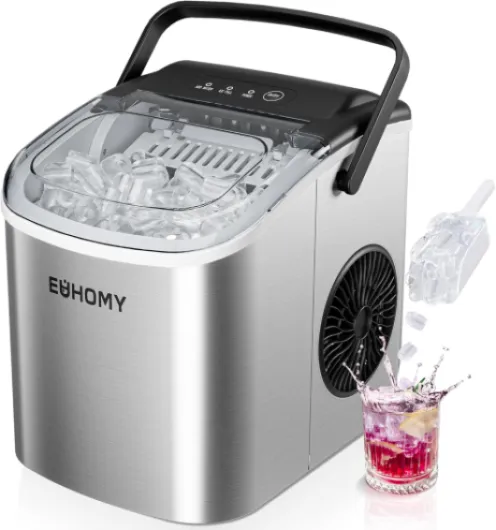
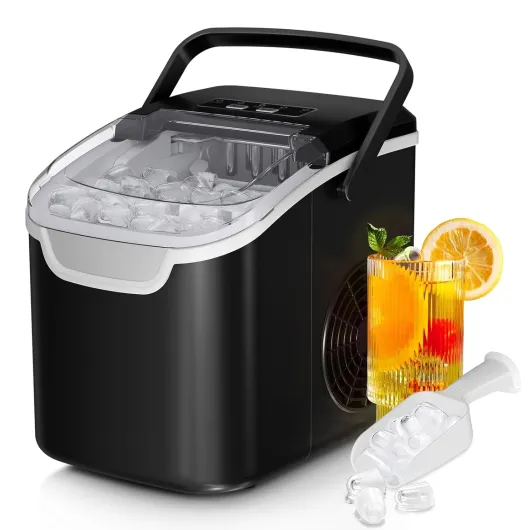
- + Quick ice production: 9 ice cubes in just 6 minutes
- + High capacity: Makes up to 26 lbs of ice per day
- + Auto-cleaning feature for easy maintenance
- + Portable design with a handle for easy transport
- + Includes basket and scoop for convenient serving

Matching bag sizes, film types, and sealing methods to your market
Choosing the right bag sizes is one of the most underestimated decisions when buying an ice bagging machine. Retail customers often expect familiar capacities in kilograms or lbs, so aligning your ice bags with local norms simplifies pricing and shelf presentation. A flexible ice bagger that can switch between small and large bags ice allows you to serve both impulse buyers and commercial clients from the same equipment.
The type of film or pre made bag you select will influence both product appearance and running costs. Many operators use branded interplas style film or printed ice bags to reinforce their identity, while others prefer clear unprinted bags for a minimalist look. Whatever you choose, confirm that the film thickness and width match the form fill seal or fill seal specifications of your bagger ice system.
Sealing technology must match your operating environment and labour skills. Heat seal systems deliver a very secure seal and a clean finish, but they require correct temperature, dwell time, and film compatibility to avoid weak seals. Twist closures with twist ties are more forgiving and can be applied quickly, which is useful when staff rotate between the ice bagging station and other commercial tasks.
Packaging decisions also affect your long term price structure and perceived value. Higher quality film and well printed ice bag designs can justify a premium price for packaged ice, especially in tourist or hospitality locations. For more detailed guidance on choosing materials, many buyers refer to resources like practical tips for choosing bags for ice when planning a new dispensing system or upgrading existing equipment.
Evaluating price, total cost of ownership, and free shipping offers
When comparing ice bagging machine options, it is tempting to focus only on the headline price. A lower initial cost can look attractive, but serious ice maker buyers know that total cost of ownership matters more over the life of the equipment. You should evaluate energy use, maintenance intervals, spare parts availability, and the durability of stainless steel components alongside the purchase price.
Some suppliers promote free shipping as a key benefit, which can indeed reduce upfront costs for a heavy commercial machine. However, you should verify what is included in that free shipping offer, such as basic delivery only or full placement and installation support. Clarify whether the price also covers essential accessories like a bagger dispenser, twist ties starter kits, or a basic stock of ice bags and film.
Long term operating costs are heavily influenced by packaging choices and system efficiency. A well tuned form fill seal or fill seal system will minimise wasted film and reduce the number of rejected bags ice, which directly protects your margins. Similarly, a reliable bagging dispensing system that handles different bag sizes without constant adjustment will reduce downtime and labour costs.
It is also wise to consider how the ice bagging machine fits into your broader commercial strategy. If you plan to expand into mobile sales or support road based hospitality, you might coordinate your investment with other cold chain decisions, such as smart choices on motorhome fridges for sale. Aligning your ice machine, ice bagger, and related equipment ensures that your packaged ice product remains consistent and profitable across every sales channel.
Design, materials, and hygiene in commercial ice baggers
Hygiene and durability are non negotiable in any commercial ice bagging environment. Stainless steel construction for frames, chutes, and contact surfaces is the industry standard, because it resists corrosion and simplifies cleaning routines. When evaluating an ice bagging machine, inspect how easily you can access internal areas around the bagger ice path, the dispenser, and the sealing station for regular sanitation.
Thoughtful design reduces the risk of contamination and product loss. Smooth welds, minimal crevices, and well routed cables prevent ice and water from collecting in hidden areas, which supports both hygiene and long term reliability. A well designed dispensing system will guide ice from the ice machines into the bagger with minimal spillage, protecting both the product and the working environment.
Many modern ice baggers integrate safety and hygiene features directly into the control system. Interlocks can stop the machine if a guard is open, while timed cleaning reminders help staff maintain consistent standards. Some systems also allow quick changeovers between different bag sizes or film types, so you can move from small retail ice bags to larger commercial bag ice orders without compromising cleanliness.
Buyers should also consider how the equipment supports staff training and daily routines. Clear labelling, intuitive controls, and visible product flow from ice machine to ice bagger reduce errors and make it easier to maintain consistent packaged ice quality. Over time, these design details protect your brand reputation and justify the investment in higher grade equipment, even if the initial price is above basic entry level machines.
Operational tips for reliable ice bagging performance in real conditions
Real world ice bagging rarely matches the perfect conditions shown in brochures, so practical operating habits matter. Start by calibrating your ice bagging machine for the specific ice shape and temperature produced by your ice machine, whether cubes, nuggets, or flakes. This ensures that the bagger dispenser, weighing system, and fill seal timing all match the actual product flowing through the equipment.
Regular checks on film alignment and bagger ice feed help prevent small issues from becoming costly stoppages. If you use a form fill seal system, monitor the film tension and sealing temperature to maintain strong seals without burning the film. For operations using pre made ice bags and twist ties, confirm that the bagging dispensing station is correctly adjusted for the current bag sizes and that staff apply a consistent twist on every ice bag.
Preventive maintenance is essential for any commercial dispensing system that runs for long hours. Schedule routine inspections of bearings, belts, and stainless steel contact parts, and keep a small stock of critical spares to avoid extended downtime. Many operators find that a simple daily checklist covering hopper levels, dispenser operation, and seal quality keeps the machine running smoothly and protects the packaged ice product.
Finally, align your operating procedures with your sales patterns and storage capacity. If your freezer space is limited, plan shorter bagging runs so that bags ice move quickly from the ice bagger into retail or wholesale channels. By treating the ice bagging machine, ice baggers, and related equipment as one integrated system, you can maintain consistent quality, control your price structure, and deliver reliable ice bags to every customer.
Key statistics on ice bagging machine performance and market trends
- Upgrading from manual bagging to an automated ice bagging machine can increase bagging throughput by more than 50 percent in many commercial operations.
- Well maintained stainless steel ice baggers typically offer a service life exceeding ten years under normal packaged ice production conditions.
- Switching to optimised film and bag sizes can reduce packaging waste by up to 15 percent while maintaining the same retail price per ice bag.
- Integrated form fill seal systems often cut labour requirements for bagging by one to two full time positions in busy plants.
- Consistent sealing quality, whether by heat seal or twist ties, can reduce product returns and damaged bags ice by more than 30 percent.
Common questions about choosing and using an ice bagging machine
How do I size an ice bagging machine for my business ?
Start by analysing your peak demand in kilograms or lbs of ice per hour, not just your daily average. Choose an ice bagger with at least 20 to 30 percent extra capacity above that peak to handle growth and seasonal spikes. Confirm that the dispensing system and bag sizes also match your freezer space and retail display constraints.
What type of bags and film work best for packaged ice ?
Most operators use food grade polyethylene ice bags or compatible interplas style film designed for low temperature flexibility. Select bag sizes that match local expectations, and ensure the film thickness suits your sealing method, whether heat seal or twist ties. Always verify that your chosen film or bags ice are approved for contact with food grade ice and compatible with your form fill seal or fill seal equipment.
Is stainless steel construction worth the higher price ?
Stainless steel frames and contact parts resist corrosion from water and cleaning chemicals, which significantly extends the life of the machine. They also simplify hygiene routines, because smooth stainless surfaces are easier to clean and inspect. Over time, the reduced maintenance, better appearance, and higher resale value usually offset the initial price difference compared with painted mild steel equipment.
Can one ice bagging machine handle multiple bag sizes ?
Many modern ice baggers are designed to switch between different bag sizes with minimal adjustment. You may need change parts or presets for the bagger dispenser, weighing system, and sealing station, but changeovers can often be completed in minutes. This flexibility allows you to produce small retail ice bags and larger commercial bag ice formats on the same equipment.
What maintenance does an ice bagging system require ?
Routine maintenance includes daily cleaning of ice contact surfaces, weekly checks of belts and bearings, and periodic inspection of sealing components. Keep the dispensing system free of ice build up, and monitor the condition of film guides and twist ties applicators. Following the manufacturer schedule and documenting each service helps maintain warranty coverage and ensures consistent packaged ice quality.