
Understanding why ice turns cloudy
Why Does Ice Turn Cloudy?
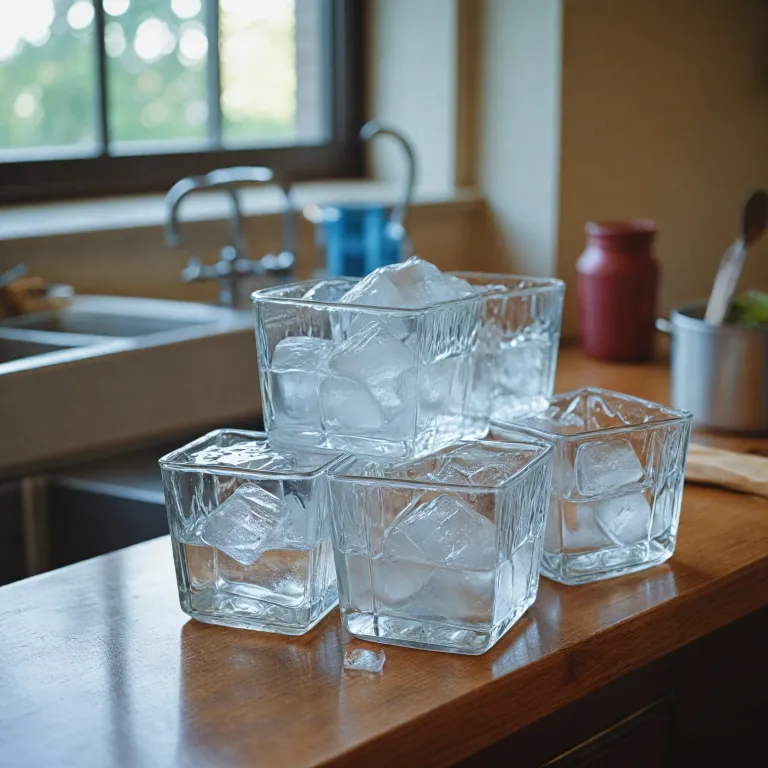
If you have ever made ice cubes at home and noticed they look cloudy instead of crystal clear, you are not alone. Cloudy ice is a common issue in most home freezers and ice makers. The main reason for this is the presence of air bubbles and impurities in the water. When water freezes quickly, as it does in most home freezers or cube trays, air and minerals get trapped inside the ice cube, creating that cloudy appearance.
Cloudy ice does not just look less appealing in your drink or cocktails—it can also affect the taste. The best ice for cocktails or any drink is clear, dense, and slow-melting. Achieving this at home is possible, but it requires understanding a few key steps in the freezing process and how water quality impacts your results. For those interested in the technical side of ice making and maintaining reliable performance from your equipment, you can find more details in this guide to maintaining ice machine parts.
- Impurities and minerals in tap water contribute to cloudy ice cubes.
- Air bubbles form as water freezes from the outside in, trapping gases inside the cube.
- Freezing speed and the type of container or mold you use also play a role in how clear your ice will be.
Understanding these factors is the first step to making clear ice at home. In the next steps, we will look at how choosing the right water, using specific molds or containers, and even techniques like directional freezing can help you make clear ice cubes, ice spheres, or even large ice blocks for your cooler or cocktails. Each step brings you closer to achieving that perfect, clear ice for your drinks at home.

Choosing the right water for clear ice
Choosing the Best Water for Crystal Clear Ice
One of the most important steps to make clear ice at home is selecting the right water. The water you use directly affects whether your ice cubes turn out cloudy or crystal clear. Most cloudy ice forms because of impurities and air bubbles trapped during freezing. Here’s what you need to know to get the best results:
- Start with filtered or distilled water: Tap water often contains minerals and impurities that cause cloudy ice. Using distilled water or water that’s been filtered removes many of these elements, reducing the chance of cloudiness in your cubes.
- Let water sit before freezing: Allowing water to rest in a container for a few hours before pouring it into your ice molds or cube tray helps air bubbles escape. This simple step can make a noticeable difference in the clarity of your ice cubes.
- Boil and cool the water: Boiling water and letting it cool before freezing can help remove dissolved gases and some impurities. This isn’t always necessary, but it’s a helpful trick if you want to make clear ice at home without special equipment.
- Use clean molds and containers: Any residue in your molds or ice cube trays can transfer to your ice, making it less clear. Always wash your molds thoroughly before use.
Choosing the best water is just one part of making clear ice. The freezing process, the type of molds you use, and how you store ice all play a role in the final result. If you want more detailed tips and techniques, check out this guide on how to make clear ice at home.
Remember, even with the best water, factors like air, freezing speed, and the design of your ice maker or cooler will impact your results. The next step will cover how to use your ice maker for better, clearer cubes, and why directional freezing is a game changer for making clear ice blocks and spheres for your cocktails or any drink at home.
Using your ice maker for better results
Getting the Most from Your Ice Maker
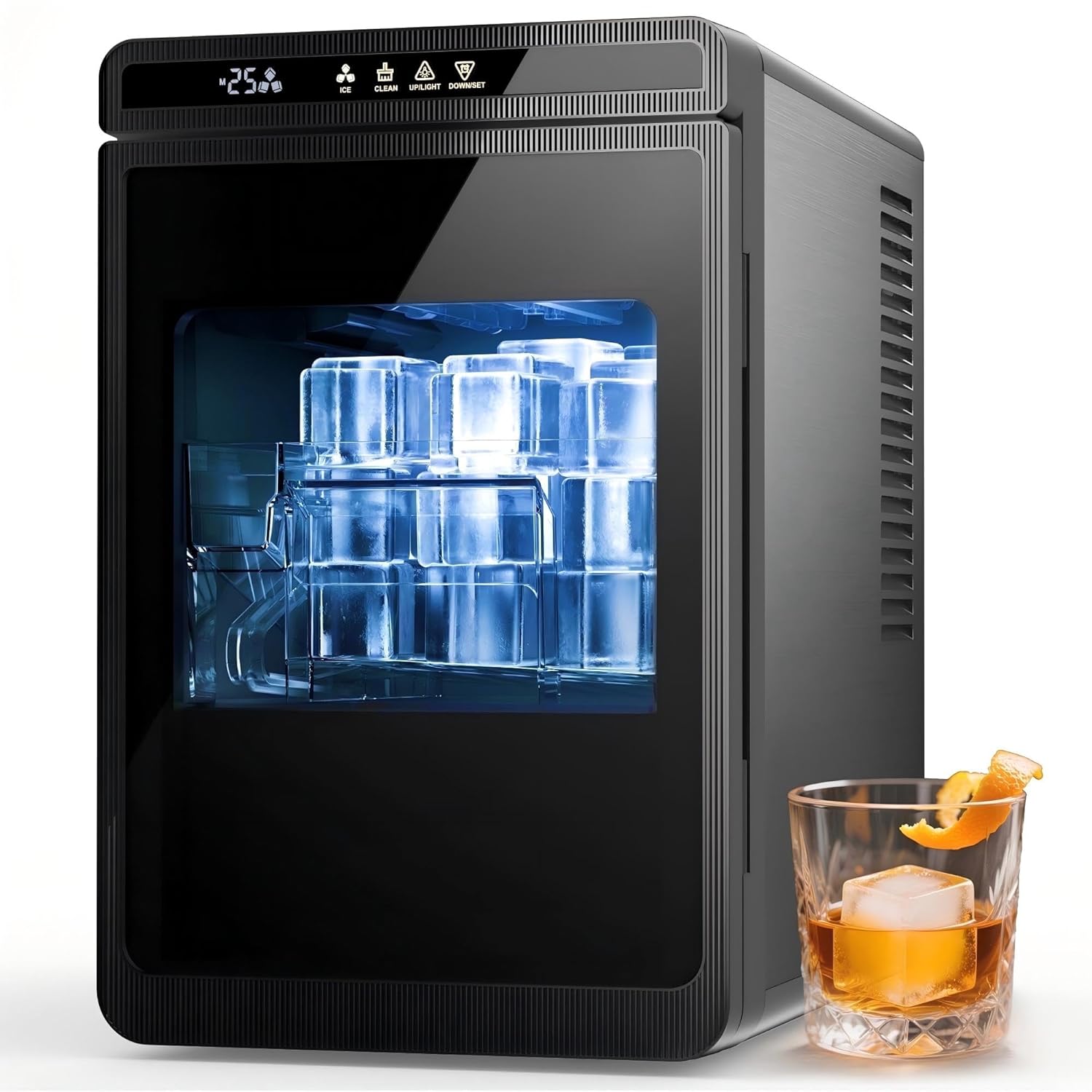
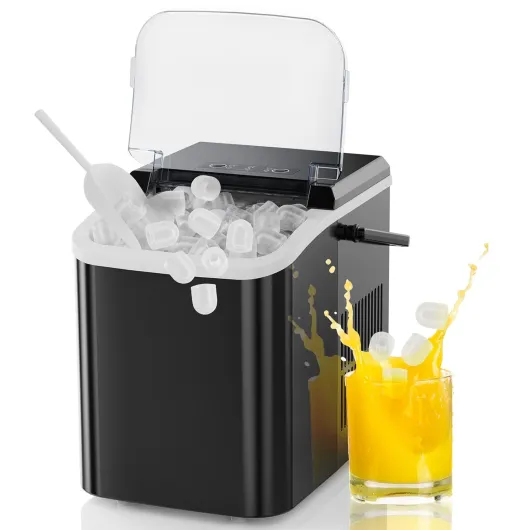
Using an ice maker at home can make a big difference when you want to make clear ice cubes for your cocktails or drinks. While many people rely on their freezer and basic cube trays, a dedicated ice maker is designed to control freezing conditions better, helping you avoid cloudy ice and air bubbles.
- Water Quality Matters: Start with filtered or distilled water in your ice maker. Tap water often contains impurities and air that lead to cloudy cubes. The right water is a key step for making clear ice at home.
- Slow Freezing is Best: Most ice makers freeze water from the top down or use directional freezing, which helps push air and impurities out of the ice block. This process is what makes clear ice possible, compared to the fast freezing in a standard freezer that traps air bubbles inside the cubes.
- Use Proper Molds or Trays: Some ice makers come with special molds for making clear ice spheres or large cubes. These molds are designed to minimize trapped air and create crystal clear ice cubes for your drink. If your machine allows, use these instead of standard trays for the best results.
- Keep It Clean: Regularly clean your ice maker and cube trays to prevent any buildup of minerals or impurities. Even the best water can pick up unwanted flavors if your equipment is not well maintained.
For more detailed steps on how to make clear ice cubes at home using your ice maker, check out this guide to making perfectly clear ice cubes. It covers everything from choosing the right container to the final step of cutting and storing your ice block for cocktails.
Remember, making clear ice at home is not just about the machine. The water you use, the freezing method, and how you handle the cubes all play a role in the final result. With a little practice and the right tools, you will enjoy crystal clear ice in every drink.
The directional freezing method
How to Use Directional Freezing for Crystal Clear Ice
Directional freezing is the best step to make clear ice cubes at home. This method helps you control how water freezes, pushing air bubbles and impurities away from the ice you want to use. When you freeze water in a regular cube tray or container, the ice often turns cloudy because air and minerals get trapped inside. Directional freezing solves this by forcing the freezing process to move in one direction, usually from top to bottom.
- Start with the right container: Use a small cooler or insulated container that fits in your freezer. Leave the lid off so only the top is exposed to cold air. This setup slows down freezing from the sides and bottom, making the ice freeze from the top down.
- Fill with clean water: For the clearest ice, use filtered or distilled water. This reduces impurities and minerals that cause cloudy ice cubes.
- Freeze slowly: Place the cooler in your freezer. As the water freezes from the top, air bubbles and impurities are pushed to the bottom. Once most of the water is frozen (usually after 24-30 hours), remove the cooler.
- Remove and cut the ice: Take out the ice block. The bottom part may be cloudy or contain trapped air. Use an ice pick or a serrated knife to cut off the cloudy section. You can then cut or shape the clear ice into cubes, spheres, or any shape you like for your cocktails or drink.
This method works well for making clear ice at home, whether you want a large ice block, ice sphere, or classic cube. Using molds inside the cooler can help you create uniform shapes. Remember, the slower the freezing, the clearer your ice will be, as it gives air bubbles time to escape. Store ice cubes in a sealed container in your freezer to keep them crystal clear and free from freezer odors.
Cutting and shaping clear ice at home
How to Shape and Cut Clear Ice for Cocktails
Once you have a solid block of crystal clear ice from your freezer or cooler, the next step is to cut and shape it for your drinks. This process helps you get the best presentation and slow-melting cubes for cocktails at home.- Remove the ice block from the container: Take your clear ice block out of the cooler or tray. Let it sit at room temperature for a minute or two. This step helps reduce cracking when you cut the ice.
- Use the right tools: A serrated knife or a dedicated ice saw works well for cutting clear ice. For smaller cubes or spheres, an ice pick is helpful. Always use caution and a sturdy surface.
- Score and snap: Score the ice block gently along the line where you want to cut. Apply gentle, even pressure to snap the ice. This method helps keep the cubes clear and reduces the risk of cloudy edges.
- Shape for your drink: For cocktails, you can make large cubes, rectangles, or even ice spheres using molds. Large cubes melt slower, keeping your drink cold without diluting it quickly.
- Remove air bubbles: If you notice any air bubbles or cloudy spots, trim those areas with your knife or ice pick. The goal is to keep only the clearest parts for your drink.
| Tool | Best Use |
|---|---|
| Ice Pick | Chipping and shaping small cubes or spheres |
| Serrated Knife | Scoring and cutting large ice blocks |
| Ice Sphere Mold | Making clear ice spheres for cocktails |
Making clear ice cubes at home takes a bit of practice, but the results are worth it. The best cubes are free from impurities, air, and cloudy spots, giving your drink a professional look. After cutting, store ice cubes in a sealed container in your freezer to keep them clear and fresh until you are ready to use them.
Storing and handling clear ice
Keeping Your Clear Ice in Top Condition
Once you’ve gone through the steps to make clear ice at home, it’s important to store and handle your cubes properly. Even the best ice can lose its clarity or pick up unwanted flavors if not cared for. Here’s how to keep your crystal clear cubes ready for your next cocktail or drink:
- Use a clean container: Store ice cubes in a dedicated, food-safe container with a lid. This helps prevent odors from your freezer from seeping into the ice.
- Avoid stacking too many cubes: Overcrowding can cause cubes to stick together or crack. Arrange them in a single layer or use dividers if possible.
- Keep the freezer temperature steady: Fluctuations in temperature can cause melting and refreezing, leading to cloudy ice or air bubbles forming inside the cubes.
- Don’t store ice too long: Even clear ice can absorb impurities and odors over time. For the best results, use your ice within a week of making it.
- Handle with care: When removing cubes from molds or trays, use an ice pick or tongs to avoid touching the ice directly. This keeps oils and impurities from your hands off the ice.
- Cut ice just before serving: If you’ve made a large ice block or ice sphere, cut or shape it right before adding it to your drink. This keeps the surface smooth and clear.
Following these steps will help you maintain the clarity and quality of your homemade ice cubes. Whether you’re using directional freezing, distilled water, or special molds, proper storage is the final step to making clear ice that impresses in every glass.