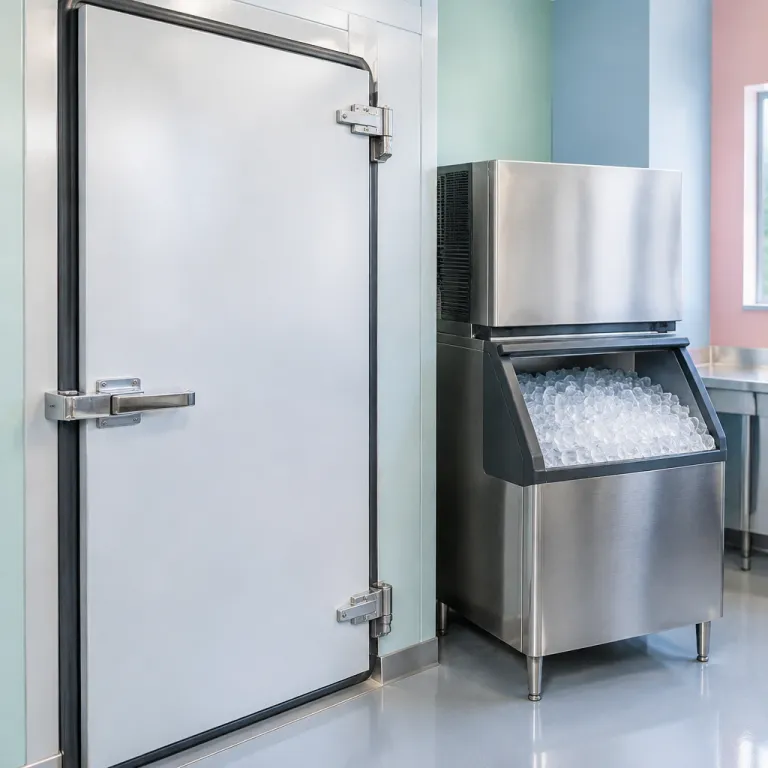
Why walk in cooler door gasket services matter for ice quality
Every ice maker buyer relying on a walk in cooler depends on tight door gaskets to keep ice hard, dry, and food safe. When a gasket on the main cooler door loses its seal, warm air enters, humidity rises, and your ice machine works harder just to maintain production. Over time, this extra refrigeration load shortens equipment life and silently increases energy costs in busy grocery stores and convenience stores.
Professional walk in cooler door gasket services focus on the contact line where the door seal meets the frame, because even a 1 millimeter gap can create frost, condensation, and temperature swings that affect both ice and food. A worn cooler gasket on a walk in cooler or on connected freezer doors often shows dark streaks, flattened profile edges, or small tears that break the continuous seals needed for stable temperatures. When you schedule a service call early, a technician can replace only the failing parts instead of waiting until the entire door gasket, hinges, and closer hardware are damaged.
For ice maker buyers, the link between a commercial refrigerator, a cooler freezer, and a walk in ice storage room is direct, since all these units share the same refrigeration envelope. Poorly maintained door gaskets on walk ins or a freezer door next to the ice machine will cause the compressor to cycle more often, which reduces ice output and increases noise in the prep area. Investing in timely gasket replacement is not just a maintenance task, it is a strategic decision that protects product quality, staff comfort, and long term operating budgets.
Daily and weekly checks to protect seals and ice makers
Simple daily habits help you extend the life of every gasket and door seal while keeping ice production stable. Train staff to walk past each walk in and freezer door at opening and closing, gently pressing along the seals to feel for cold air leaks or loose spots that suggest the gasket will soon fail. In high traffic walk ins near cutting boards and prep tables, this quick routine prevents small problems from turning into major refrigeration breakdowns during peak hours.
Once a week, clean each door gasket on your walk in cooler, cooler freezer, and commercial refrigerator with warm water and a mild detergent, then dry the seals thoroughly. Avoid harsh chemicals or sharp scrapers, because they can cut the gasket profile, weaken the seal gasket corners, and force you to replace the gasket long before its expected service life. If you notice mold, food residue, or sticky buildup on the door gaskets, schedule professional walk in cooler door gasket services before the contamination spreads to ice bins or food packaging.
Ice maker buyers who manage multiple stores should standardize a checklist that includes model serial numbers, door size, and gasket type for each unit. This documentation lets your refrigeration service provider bring the correct parts for gasket replacement on the first visit, reducing downtime and protecting ice quality. For deeper sanitation of the ice machine itself, pair gasket care with a regular internal cleaning routine using a safe method such as a vinegar based deep clean for the ice machine interior, which complements tight seals at the door.
When and how to replace walk in cooler door gaskets
Knowing when to replace a gasket on a walk in cooler door is essential for any serious ice maker buyer. If you see cracks, missing magnet strips, or a twisted profile that no longer sits flat, then the door gasket will not hold temperature and must be replaced quickly. Another clear sign is frost buildup around the frame or on products near the door, which indicates that warm air is entering every time staff walk through.
During professional walk in cooler door gasket services, technicians measure the exact door size, check the hinge alignment, and confirm the correct gasket profile before installing new seals. They may also inspect adjacent walk in freezers, other walk in cooler units, and any connected commercial refrigerator to ensure that all door gaskets work together as a complete refrigeration envelope. When you replace a cooler gasket, ask the technician to label the model serial and installation date, so future gasket replacement planning becomes easier across all locations.
Some operators attempt to replace gaskets themselves, but incorrect parts or poor installation can create gaps that are worse than the original problem. For high value ice production and food storage, a qualified refrigeration service company will heat form the new seal gasket, adjust the door, and verify that the door seal passes a simple paper test along the entire perimeter. Aligning gasket maintenance with a scheduled deep clean of the ice maker, such as a step by step vinegar cleaning procedure, ensures that both mechanical and hygiene standards are maintained together.
Design details: profiles, parts, and their impact on ice makers
The design of a door gasket profile directly affects how well a walk in cooler protects your ice inventory. Different gaskets use various magnet strengths, dart configurations, and corner welds, and each detail influences how the door seals against the frame under constant use. In busy grocery stores and convenience stores, where staff open doors hundreds of times per day, these design choices determine whether the refrigeration system runs efficiently or constantly struggles.
When planning walk in cooler door gasket services, ask your provider which gasket replacement options are compatible with your specific door model and frame material. Some cooler gasket designs are optimized for low temperature freezer door applications, while others are better suited for medium temperature walk ins that share space with ice makers and prep areas. Matching the correct parts to each door size and application ensures that the gasket will flex properly, resist tearing, and maintain seals even when staff push carts or cutting boards through the opening.
High quality door gaskets often cost slightly more upfront, but they reduce the frequency of service calls and help stabilize ice production. A well engineered seal gasket around a walk in or cooler freezer door keeps humidity out, which means less frost on evaporator coils and more consistent ice cube clarity. Over the life of a commercial refrigerator lineup, these design decisions translate into lower energy consumption, fewer emergency visits, and better protection for both ice and food products.
Operational practices in commercial stores and walk ins
Operational discipline in commercial environments has a direct impact on how long your gaskets and seals last. In many grocery stores and convenience stores, staff may prop a walk in door open during deliveries, which allows warm air to rush in and stresses every cooler freezer and commercial refrigerator in the line. This practice not only wastes energy, it also accelerates wear on the door seal and increases moisture that can damage packaging and ice quality.
Set clear rules for how long staff may keep walk ins open, and consider installing automatic door closers or alarms that remind teams to close the door promptly. When you schedule walk in cooler door gasket services, ask the technician to review door alignment, closer tension, and latch operation, because these parts work together with the gasket to maintain a tight seal. If the door is sagging or the hinges are loose, even a new gasket replacement will not perform correctly, and your refrigeration system will continue to struggle.
Ice maker buyers managing multiple locations should track gasket condition, service dates, and model serial details in a simple maintenance log. This record helps you identify patterns, such as a specific walk in or freezer door that needs more frequent attention due to heavy traffic or poor loading practices. Aligning these insights with broader planning, such as your seasonal ice stocking strategy for coolers that hold temperature longer, ensures that both production and storage remain reliable during peak demand.
Integrating gasket care into a full refrigeration maintenance plan
For serious ice maker buyers, gasket maintenance should never stand alone, it belongs inside a structured refrigeration care plan. Schedule walk in cooler door gasket services alongside coil cleaning, drain checks, and thermostat calibration, so every part of the system supports stable temperatures for ice and food. When technicians inspect door gaskets, they can also evaluate walk in freezers, other walk in cooler units, and any nearby commercial refrigerator for early signs of trouble.
A comprehensive plan includes regular inspection of each door gasket, verification that the seal gasket is intact, and confirmation that the gasket profile still matches the frame after years of use. Technicians should record the model serial, door size, and type of cooler gasket installed, which simplifies future gasket replacement and ensures that the correct parts are always on hand. This level of documentation is especially valuable for chains of grocery stores and convenience stores, where consistent standards across locations protect both brand reputation and food safety.
Integrating gasket care with staff training on proper loading, door use, and cleaning routines creates a culture of prevention rather than reaction. When everyone understands that a small tear in a door seal can compromise ice quality and increase energy costs, they are more likely to report issues early and support timely service calls. Over time, this disciplined approach to walk in cooler door gasket services delivers quieter equipment, more reliable ice production, and a more comfortable working environment for your team.
Key figures on gaskets, refrigeration efficiency, and ice storage
- According to the U.S. Department of Energy’s “Energy Savings Opportunities for Commercial Refrigeration in Grocery Stores” (DOE/EE-2014-01), poorly sealing door gaskets on commercial refrigeration equipment can increase energy consumption by roughly 5 to 10 percent, which directly affects the operating cost of ice makers and walk ins.
- Field audits summarized in the ASHRAE Journal article “Refrigeration System Performance in Food Retail Facilities” (2016) reported that more than 30 percent of walk in cooler doors inspected had at least one damaged gasket, highlighting the importance of regular walk in cooler door gasket services for grocery stores and convenience stores.
- Research compiled in the “Commercial Refrigeration Best Practices Guide” from the Northwest Energy Efficiency Alliance (2013) shows that maintaining proper door seals can extend compressor life by several years, because reduced air infiltration lowers the number of daily start stop cycles on both cooler and freezer systems.
- Industry surveys cited in the Food Marketing Institute’s “Energy Management in Retail Grocery” report (2018) indicate that proactive gasket replacement programs can reduce emergency refrigeration service calls by up to 25 percent, which means fewer disruptions to ice production and less product loss during unexpected breakdowns.
FAQ: walk in cooler door gasket services for ice maker buyers
How often should I replace walk in cooler door gaskets in an ice focused operation ?
Most commercial walk in cooler door gaskets last between two and five years, but high traffic doors near ice makers may need replacement sooner. Inspect each door seal at least quarterly for cracks, gaps, or flattened areas that no longer spring back. If you notice temperature fluctuations, frost near the frame, or rising energy bills, schedule walk in cooler door gasket services immediately.
Can a worn gasket really affect my ice maker performance ?
Yes, a damaged gasket on a walk in or adjacent freezer door allows warm, humid air to enter, which forces the refrigeration system to work harder. This extra load reduces the cooling capacity available for your ice maker and can lower ice production or change cube quality. Tight seals around all doors help maintain stable temperatures and humidity, which is essential for consistent ice output.
What should I check before calling for gasket replacement service ?
Before you call a refrigeration service provider, note the model serial number, door size, and type of unit, such as cooler freezer, commercial refrigerator, or dedicated ice storage walk in. Check whether the door is aligned, the hinges are tight, and the closer is working, because mechanical issues can damage new gaskets quickly. Sharing photos of the existing door gasket and frame can also help the technician bring the correct parts for a first time fix.
Is it safe to clean door gaskets with strong chemicals ?
Strong solvents, bleach, or abrasive cleaners can dry out the gasket material and damage the seal gasket surface, leading to early failure. Use warm water with a mild detergent, rinse thoroughly, and dry the door gaskets to prevent mold and residue buildup. For the ice machine interior, follow manufacturer guidelines and consider gentle methods such as food safe cleaners or vinegar based procedures rather than harsh chemicals.
Should I replace all gaskets at once or only the damaged ones ?
If multiple doors in the same walk in or cooler line show similar wear, replacing all related gaskets during one service visit can be more efficient. This approach reduces labor costs per door and ensures consistent sealing performance across your refrigeration system. However, if only one door gasket is clearly damaged, a targeted replacement combined with a full inspection is often sufficient.