

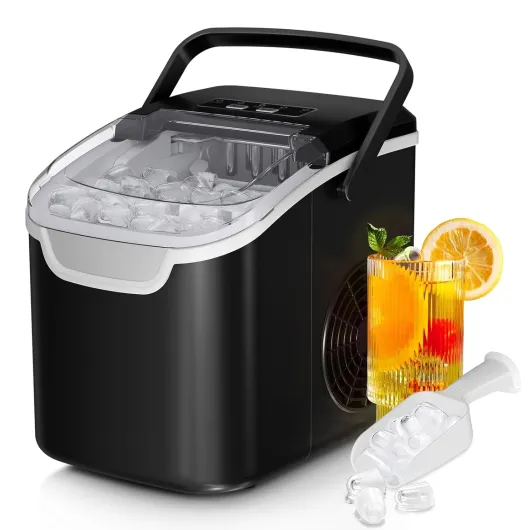
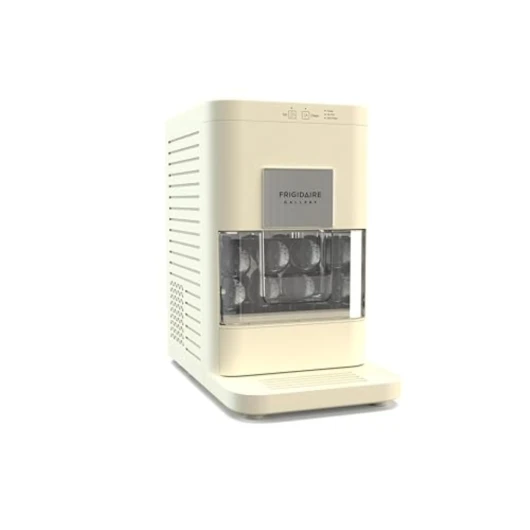
Gourmet ice maker essentials for demanding home and professional buyers
A gourmet ice maker is designed for buyers who expect restaurant quality performance. These ice makers focus on producing crystal clear cubes that chill efficiently and dilute drinks more slowly, which matters for premium spirits and crafted cocktails. When testing each ice machine, I evaluate not only output but also reliability, noise, and ease of maintenance.
High end ice makers often use a dedicated drain and sometimes an integrated pump to manage meltwater efficiently. In compact kitchens or outdoor bars, a built in drain pump can be the difference between a clean installation and constant manual emptying of a reservoir. For serious ice making, I recommend planning the drain layout at the same time as you choose the appliance, especially if you want panel ready models that blend into cabinetry.
Most gourmet ice makers use stainless steel exteriors, with either a full steel door or a black glass door for a more discreet look. Stainless steel is not only elegant in a modern kitchen, it also resists corrosion in humid outdoor spaces and busy bar environments. When I test stainless steel cabinets, I check for rigidity, quality of the door handle, and how easily fingerprints wipe away.
Clear cube production is the defining feature of a true gourmet ice maker, because clear cube ice signals proper filtration and freezing technique. These machines freeze water in thin layers, pushing out air and impurities to create crystal clear cube ice that looks refined in any glass. If you enjoy top hat shapes or other gourmet ice forms, verify that the maker can maintain clarity even at maximum output.
Evaluating ice quality, capacity, and energy performance
When I test a gourmet ice maker, the first metric is ice clarity and shape. Clear cube ice or top hat ice should be transparent from edge to edge, with no cloudy core or trapped bubbles that dilute drinks faster. I compare cube ice from different ice makers side by side under strong light to judge how crystal clear the cubes remain after several minutes in the glass.
Capacity matters for both home and professional buyers, because running out of ice during service is unacceptable. A compact ice machine for a small kitchen might produce 12 to 18 kilograms per day, while larger ice machines for entertaining or light commercial use can exceed 30 kilograms. Always match the rated ice making capacity to your busiest expected day, not your average usage.
Energy efficiency is another key factor, and I look for Energy Star certification whenever possible. An Energy Star gourmet ice maker typically uses better insulation, more efficient compressors, and smarter controls to reduce electricity consumption. Over several years, the savings from an efficient ice machine can offset a higher purchase price, especially in warm outdoor kitchens where air cooled units work harder.
Built in models often feature a reversible steel door or panel ready front so they integrate seamlessly with cabinetry. If you prefer a black finish, check that the black door panel resists scratches and does not fade under sunlight in an outdoor bar. For more guidance on integrated designs and refrigerator combinations, you can review this detailed guide to refrigerator ice makers that complements dedicated gourmet units.
Design, installation, and drainage for indoor and outdoor use
Installation quality determines how well a gourmet ice maker performs over time, especially in outdoor kitchens. A dedicated gravity drain is the simplest solution, but many locations require a built in pump to move meltwater to a distant drain connection. During testing, I verify that the pump operates quietly and that the drain line remains accessible for periodic cleaning.
Outdoor rated ice makers must handle temperature swings, humidity, and occasional splashes from cleaning or weather. Stainless steel cabinets with a sealed steel door and robust door gasket protect internal components from moisture and dust. I also check that the control panel is clearly labeled, weather resistant, and easy to operate even when mounted under a counter.
Indoor installations in a premium kitchen often favor panel ready fronts that accept custom cabinetry panels. This allows the gourmet ice maker to disappear visually while still delivering restaurant quality cube ice on demand. When testing panel ready models, I pay attention to door alignment, handle options, and how smoothly the door closes against the frame.
Brand reputation matters, and many buyers gravitate toward established names like Scotsman and the well regarded Scotsman Brilliance series. These ice makers are known for consistent gourmet ice production, reliable ice making cycles, and strong after sales service networks. For a broader view of how Scotsman and other ice machine makers compare, consult this in depth analysis of leading commercial ice maker brands before finalizing your purchase.
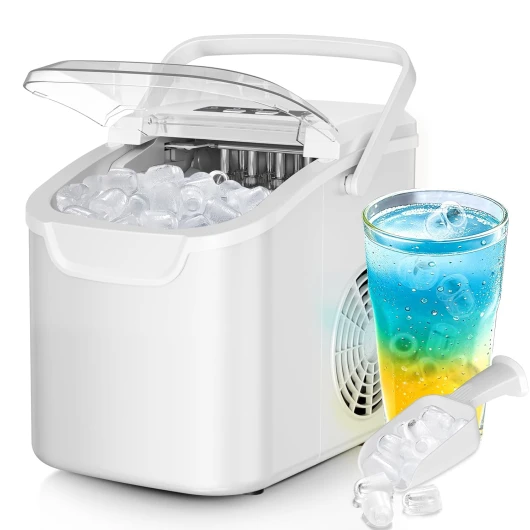
- + High Capacity: 26.5lbs of ice per day
- + Quick Production: Makes 8 bullet cubes in just 6 minutes
- + Self-Cleaning feature for easy maintenance
- + Selectable Ice Sizes for versatility
- + Touchscreen Display for user-friendly controls

Comparing ice types, from gourmet cubes to nugget ice
Not every buyer wants the same type of ice, so understanding ice profiles is essential. Gourmet ice cubes and clear cube ice are ideal for cocktails, spirits, and premium soft drinks where clarity and slow melting matter. These cube ice forms are dense and heavy, which helps them chill efficiently without quickly dilute drinks during a long tasting session.
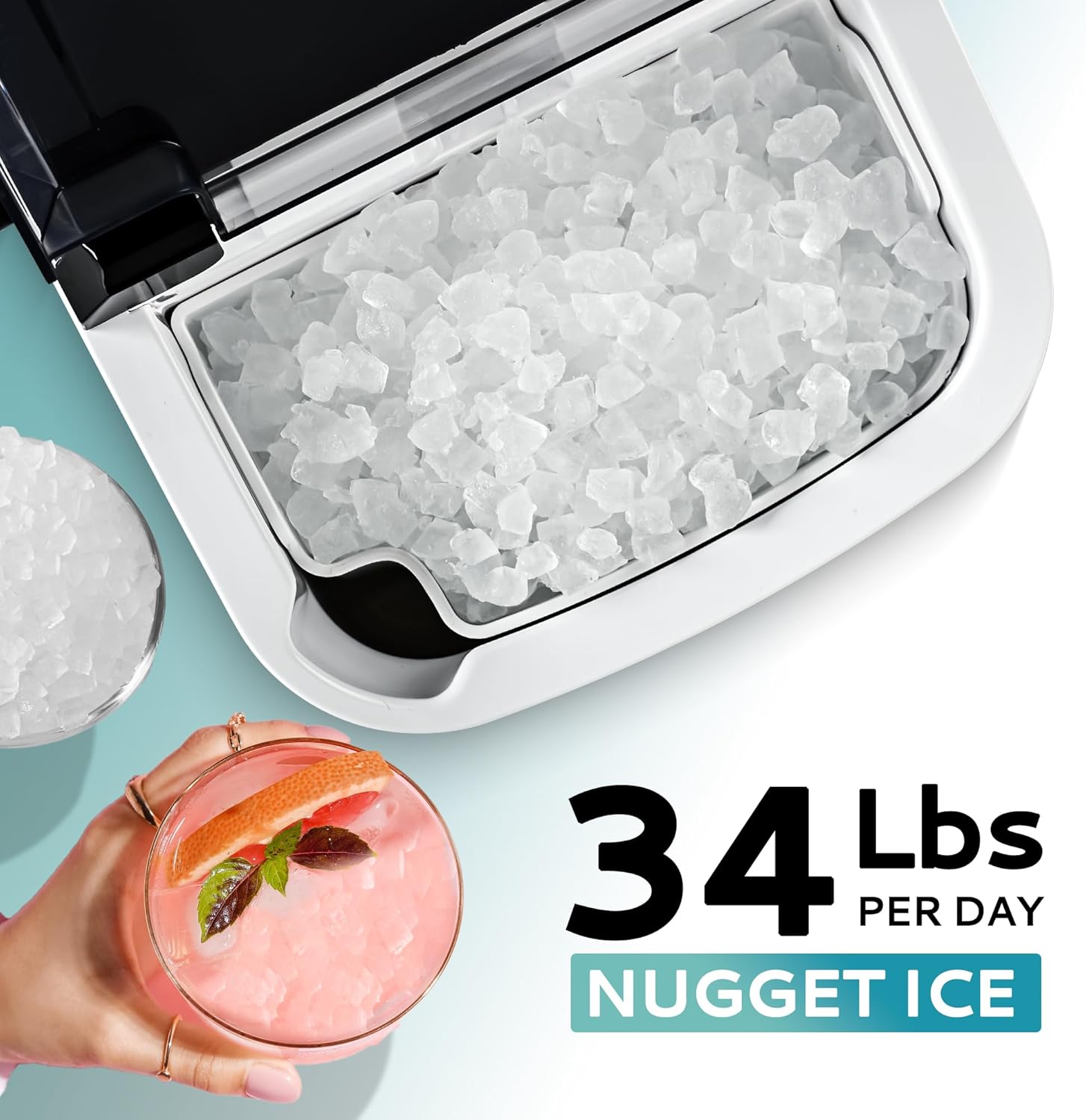
Nugget ice, sometimes called pellet or chewable ice, offers a very different experience. Nugget ice makers compress flakes into soft, airy nuggets that absorb flavors and are pleasant to chew. While nugget ice will dilute drinks more quickly than large gourmet cubes, many families and cafés prefer it for iced coffee, smoothies, and soft drinks.
Some buyers choose to install both a gourmet ice maker and a nugget ice machine to cover every beverage style. In that case, planning the drain, electrical supply, and ventilation for two ice machines becomes critical, especially in compact kitchens. You can see how a modern nugget ice maker performs in real conditions by reading this detailed test of a countertop nugget ice maker that complements built in gourmet units.
Air cooled ice makers remain the most common choice for home and light commercial use. An air cooled gourmet ice maker is easier to install than a water cooled model and usually consumes less water overall. When I test air cooled units, I measure noise levels, airflow patterns around the cabinet, and how quickly the machine recovers after a large ice harvest.
Materials, finishes, and ergonomics that influence daily use
Material quality directly affects durability, hygiene, and cleaning effort for any gourmet ice maker. Stainless steel interiors and exteriors resist corrosion, simplify sanitation, and maintain a professional appearance in both home and commercial kitchens. When I inspect stainless steel liners, I look for smooth welds, rounded corners, and easy access to every surface that contacts ice.
The door design deserves careful attention, because it shapes how you interact with the ice maker every day. A solid steel door with a sturdy handle feels reassuring and protects the bin from ambient heat, while a glass or black door offers quick visibility of ice levels. I test door hinges for smooth motion, verify that the handle is comfortable for repeated use, and check that the door closes firmly without slamming.
Control layout and indicator lights on the front panel influence how intuitive the machine feels. A clear panel with simple icons for power, cleaning, and service alerts helps prevent misuse and missed maintenance. During long term tests, I note whether the panel remains legible, whether buttons respond reliably, and how easily users can start a cleaning cycle without consulting the manual.
Color and finish choices, such as black, stainless, or panel ready fronts, should match the surrounding kitchen or outdoor bar. Free standing models with finished sides can stand alone, while built in units rely on cabinetry to complete the look. Some retailers offer free shipping on premium ice makers, which can be valuable because stainless steel appliances and steel door assemblies are heavy and require careful handling.
Maintenance, water quality, and long term reliability
Proper maintenance is essential if you want your gourmet ice maker to deliver restaurant quality performance for many years. Regular cleaning of the bin, water path, and drain prevents mineral buildup, mold, and off flavors in the ice. I always test the ease of removing panels, accessing the pump and drain, and running the recommended cleaning cycle.
Water quality has a direct impact on clear cube production and overall reliability. A good filtration system helps produce crystal clear gourmet ice, protects internal components from scale, and reduces unpleasant tastes that can dilute drinks in subtle ways. When testing, I compare ice from filtered and unfiltered sources to show buyers how much difference proper filtration makes in clarity and flavor.
Service access and parts availability are critical for long term ownership, especially for premium brands like Scotsman and the Scotsman Brilliance line. I evaluate how quickly panels can be removed for service, whether the control panel provides clear error codes, and how responsive the service network is in real cases. Buyers should confirm warranty terms, expected service intervals, and whether local technicians are trained on their specific ice machine model.
Some retailers bundle extended service plans or free shipping with high end ice makers, which can reduce total ownership costs. When comparing offers, consider not only the purchase price but also energy consumption, maintenance supplies, and potential downtime. A well maintained gourmet ice maker with a robust stainless steel cabinet, reliable pump, and properly designed drain can serve a busy kitchen or outdoor bar for many years of demanding use.
How to choose the right gourmet ice maker for your space
Selecting the right gourmet ice maker starts with a realistic assessment of your space and usage. Measure the available width, depth, and height carefully, including room for the door to open fully and for ventilation around the cabinet. In tight kitchens, a panel ready or undercounter model with a reversible steel door can provide high capacity ice making without dominating the room.
Next, match the ice type and capacity to your beverage habits and entertaining style. If you serve mostly cocktails and spirits, prioritize clear cube ice or top hat shapes that chill efficiently and do not quickly dilute drinks. For families who love soft drinks and iced coffee, pairing a gourmet ice maker with a nugget ice machine can offer both crystal clear cubes and chewable nuggets.
Consider installation requirements such as water supply, drain location, and electrical circuit capacity. Some ice makers need only a simple gravity drain, while others benefit from an integrated pump that allows flexible placement away from a floor drain. Outdoor installations demand weather resistant stainless steel construction, a robust handle and door seal, and an air cooled system that can cope with higher ambient temperatures.
Finally, evaluate ownership factors including Energy Star efficiency, service support, and total cost over the appliance’s life. Look for clear documentation, accessible customer service, and a strong track record from the brand’s other ice machines and ice makers. By balancing design, performance, and reliability, you can select a gourmet ice maker that enhances your kitchen or bar and consistently delivers restaurant quality ice.
Key statistics about gourmet ice makers
- Up to 70 % of premium home bar owners rank ice clarity as a top three purchase criterion for a gourmet ice maker.
- Energy efficient ice machines can reduce electricity consumption by approximately 10 to 15 % compared with non certified models of similar capacity.
- In professional settings, inadequate ice capacity can reduce beverage service efficiency by more than 20 % during peak hours.
- Regular descaling and cleaning can extend the functional lifespan of ice makers by an estimated 2 to 4 years.
Questions buyers often ask about gourmet ice makers
How is a gourmet ice maker different from a standard freezer ice tray
A gourmet ice maker freezes water in controlled layers to expel air and impurities, which produces clear cube ice that melts more slowly than cloudy tray cubes. Standard freezer trays freeze from the outside in, trapping bubbles and minerals that weaken the cube structure. As a result, gourmet ice better preserves drink flavor and appearance during extended service.
Is nugget ice suitable for cocktails, or only for soft drinks
Nugget ice works well for highball style cocktails and tall mixed drinks where a softer, chewable texture is desirable. However, for spirits forward cocktails or tasting pours, dense gourmet cubes or top hat ice are preferable because they dilute drinks more slowly. Many bars use nugget ice for refreshing long drinks and reserve clear cube ice for premium spirits.
Do I need a drain pump for my gourmet ice maker
You need a drain pump if the machine’s drain outlet sits below or far from the nearest gravity drain. In such cases, the pump moves meltwater reliably, preventing backups and overflow in the ice bin. If your installation allows a direct downward slope to a floor drain, a simple gravity drain is usually sufficient.
Can an outdoor gourmet ice maker be installed indoors as well
An outdoor rated gourmet ice maker can generally be installed indoors, because its stainless steel construction and sealed components are designed for harsher environments. The reverse is not always true, since indoor only ice makers may lack weather protection and corrosion resistance. When in doubt, confirm the manufacturer’s installation guidelines for both indoor and outdoor use.
How often should I clean and descale a gourmet ice maker
Cleaning frequency depends on water hardness and usage, but many manufacturers recommend at least quarterly cleaning and descaling. In areas with very hard water or in high volume applications, monthly maintenance may be advisable to preserve clear cube quality. Always follow the specific cleaning schedule and products recommended in your ice machine’s manual.