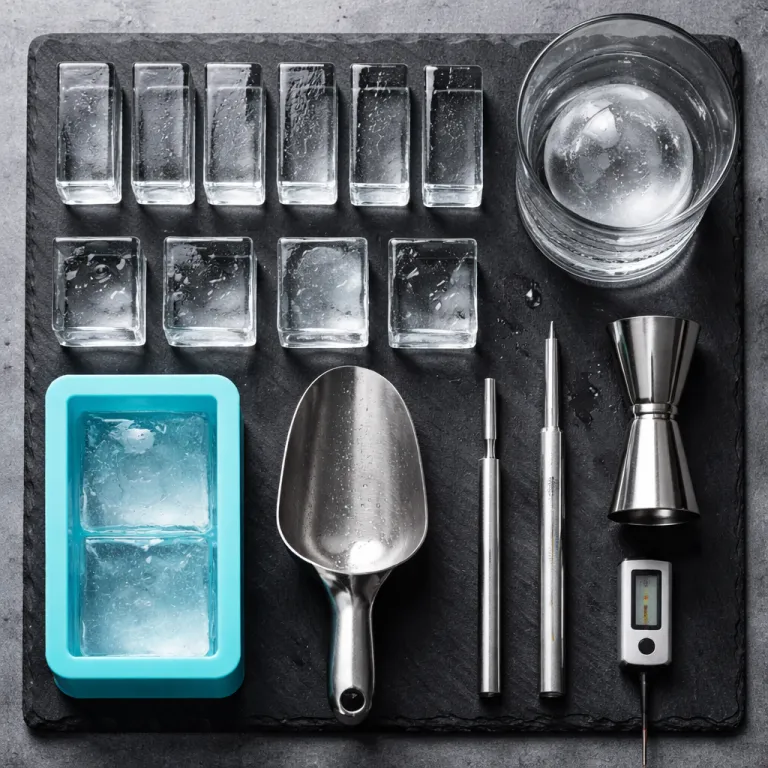

From cloudy cubes to clear ice cocktail culture
Clear ice moved from bartender secret to home status symbol quickly. As hybrid work kept people hosting more often at home, the home bar and every cocktail detail stayed in view much longer. That shift turned something as simple as an ice cube into a visible signal of care, taste, and cocktail knowledge.
When you serve a clear ice cocktail with a single large cube, guests immediately see the difference between cloudy ice and crystal clear block ice. Clarity photographs beautifully under pendant lights or near a window, which is why social media made clear cubes and ice spheres feel almost mandatory for serious hosts. Because clarity is hard to fake and easy to compare, it became a perfect benchmark for who really understands water, freezing, and cocktail craft at home.
For an ice maker buyer, this new culture means your machine is no longer just about how much ice it will produce. The right ice program, water management, and ice molds now shape how your cocktails look, how slowly the cubes melt, and how confidently you can pour Pendleton whisky over a single crystal clear ice cube. Choosing an ice maker today is partly a technical decision and partly a decision about the story you want your cocktails to tell.
Why clarity became the new latte art
Latte art once signaled who cared enough to steam milk properly, and clear ice now plays the same role for cocktail ice. A clear ice cocktail shows that you thought about water quality, freezing direction, and even the mold or tray you used, not just the spirits on the shelf. That visual proof of effort matters more in a remote work era where guests notice the details of your freezer, cooler, and bar setup.
Unlike garnish or glassware, clear ice demands real technique, whether you use directional freezing in an insulated cooler or rely on a dedicated clear ice maker. You cannot buy instant mastery, because even expensive machines still depend on how you fill the ice tray, how you freeze or pre chill the water, and how you store the cubes. This is why clarity became a status marker that feels earned rather than merely purchased.
At the same time, obsessing over every cube can backfire when it distracts from hospitality and taste. Most guests will enjoy a balanced cocktail more than a perfect cube, and they rarely inspect the top edge of your ice molds as closely as you do. The smart ice maker buyer looks for a machine that supports clear ice without turning every drink into a stressful performance.
How water quality shapes taste in a clear ice cocktail
Every clear ice cocktail begins with water, and your ice maker will only be as good as what flows into it. If your tap water tastes flat, metallic, or heavily chlorinated, your ice cubes will carry that same character into every cocktail you serve. Because clear ice melts more slowly, any off flavors linger longer in the glass and can dull the top notes of delicate spirits.
For most home bars, using filtered or distilled water is the simplest upgrade for both ice cubes and block ice. Distilled water removes minerals that can create cloudy ice and strange aftertastes, while a good carbon filter strips chlorine that would otherwise clash with citrus or vermouth in a stirred cocktail. When you pour Pendleton whisky over a single large ice cube made from distilled water, you taste more grain and barrel character and less of the municipal treatment plant.
Many modern ice makers include an ice program designed to manage freezing speed and water circulation, but they still cannot fix bad source water. If your freezer space allows, you can pair your machine with an insulated cooler and use the cooler method to pre freeze distilled water into clear cubes or ice spheres for special occasions. For buyers who plan to batch cocktails or store ice in 5 pound bags, it is worth reading guidance on choosing the right 5 pound ice bags so that clean water and clean storage work together.
Directional freezing, mineral lines, and real flavor
Directional freezing is the technique where you force ice to freeze from one direction, usually top down, so that air and minerals are pushed to the bottom. When you use an insulated cooler or a purpose built ice mold, the top of the block stays crystal clear while the cloudy ice and trapped gases collect in a sacrificial layer you can cut away. This is the same principle behind many clear ice molds and high end ice programs in premium machines, and it is essentially the cooler method many home bartenders rely on.
Because minerals and microbubbles concentrate in the last part to freeze, cutting that section off dramatically improves both clarity and flavor. You can then cut cubes or carve ice spheres from the clear portion, giving each cocktail ice piece a neutral taste that lets bitters, syrups, and spirits shine. When you skip this step and use a standard ice tray in a warm freezer, you often get cloudy ice that melts faster and leaves a faint chalky note in the final drink.
For buyers who care about both taste and aesthetics, look for an ice maker that either circulates water during freezing or works well with external ice molds and trays. Machines that simply freeze a static reservoir tend to trap more air in each ice cube, which leads to more fractures, more cloudy ice, and less control over how your cubes behave in the glass. Matching good water with thoughtful freezing design is where a clear ice cocktail really earns its reputation.
Choosing an ice maker in the era of clear ice status
Dedicated clear ice makers now sit in the same price band as small appliances that once defined the kitchen, and they are marketed as lifestyle objects rather than simple machines. When you evaluate one for your home bar, start by asking how its ice program handles water flow, freezing direction, and insulation, not just how many kilograms of ice it will produce per day. A machine that makes fewer but better cubes can be more valuable than a noisy unit that floods your freezer with cloudy ice.
Some countertop models use internal insulated coolers or directional freezing chambers to form clear cubes that resemble hand cut cubes from a bar. Others rely on proprietary ice molds or ice trays that you load manually, then store the finished ice cubes in a small cooler compartment until you are ready to bag them. If you plan to stockpile block ice or ice spheres for parties, pair your machine with suitable storage by following advice on choosing the right bags for ice so that your clear ice stays clean and dry.
Shape flexibility matters more than many buyers expect, because the next status cycle after clarity will focus on precision shapes and temperature control. A machine that can feed different ice molds, from large cube molds to sphere molds, gives you options for everything from a stirred whisky cocktail to a tall highball. When you can switch between a single large ice cube, several smaller cubes, or a carved piece from block ice, you control dilution, temperature, and visual impact with the same water and the same freezer.
When to invest in machines, and when to use the cooler method
If you only serve a clear ice cocktail occasionally, a simple insulated cooler in your freezer plus a good ice mold may be enough. The cooler method lets you freeze a slab of clear ice using distilled water, then cut cubes or carve ice spheres as needed for a few guests. This approach costs far less than a dedicated clear ice maker, though it demands more time with a knife and a cutting board.
Heavy hosts, on the other hand, benefit from a machine that automates directional freezing and keeps a steady supply of clear cubes ready. When you are pouring Pendleton whisky for a dozen people, hand cutting every ice cube from block ice becomes tedious and inconsistent. A reliable ice maker with a thoughtful ice program turns that manual craft into a repeatable process while still letting you finish edges or cut cubes to your preferred size.
As you compare models, pay attention to how easy it is to clean the water path, the ice tray, and any removable ice molds. Stale water and neglected trays quickly turn even the best designed machine into a source of off flavors and cloudy ice, undermining the very reason you bought it. A good clear ice setup balances automation with access, so you can keep every surface that touches water or ice truly clean.
Practical usage tips: water, freezing, and when to relax
Once your ice maker is installed, the real craft begins with how you use water, manage freezing, and store each cube. Start by filling the reservoir with filtered or distilled water, then run and discard the first batch of ice cubes to flush any manufacturing residue. After that, treat your machine like a bar tool rather than a background appliance, checking the ice tray, molds, and cooler space regularly.
For the clearest results, keep your freezer organized so air can circulate around any insulated cooler or external ice mold you use. Avoid stacking warm trays directly on top of finished clear cubes, because repeated partial thawing and refreezing creates micro fractures that turn crystal clear ice into cloudy ice. When you need to prepare for a party, freeze in stages and move fully hardened cubes into bags or a dedicated cooler compartment instead of letting them sit exposed.
Shaping also matters, but it should serve the drink rather than your ego. Large cubes or ice spheres work best for spirit forward cocktails, while smaller cubes from standard ice molds suit shaken drinks that need faster chilling and more dilution. If you want to refine your shapes further, you can cut cubes from block ice or trim the top and sides of a large ice cube, but only when time and guests actually justify the effort.
Balancing status, hospitality, and the next trend
Clear ice will remain a visual status marker, yet most guests care more about feeling welcome than about how perfectly your cubes refract light. Use your ice maker to remove friction from hosting, not to create anxiety every time you open the freezer or cooler. When a batch comes out slightly cloudy, save the best clear cubes for slow sipping cocktails and use the rest for shaken drinks or soft beverages.
The next flex after clarity will be precise control over shape and temperature, especially for serious whisky and agave drinkers. Machines that pair with specialty ice molds, round ice cube systems, or accessories like a dedicated round ice cube machine for elegant home cocktails, as explained on this guide to round ice cube machines, will help you stay ahead of that curve. Still, no amount of directional freezing, insulated coolers, or cut cubes can compensate for poorly balanced recipes or rushed hospitality.
As an ice maker buyer, your goal is not perfection in every cube but consistency that supports your style of hosting. Choose a machine whose ice program, water handling, and storage fit your real habits, then layer in techniques like the cooler method or block ice carving only where they add joy. When your clear ice cocktail feels effortless to serve and genuinely tastes better, you will know that your investment in water, freezing, and equipment was worth it.
Key figures on clear ice, home bars, and cocktail culture
- Market analysts and major retailers consistently list premium home ice makers designed for cocktail use in the 300 to 500 USD range as of 2023–2024, placing them in the same spending category as many consumer espresso machines and high end blenders.
- Searches on social media platforms such as TikTok and Instagram in early 2024 return tens of thousands of short videos focused on clear ice techniques, and this steady stream of content has visibly accelerated the adoption of directional freezing and insulated cooler methods among home bartenders.
- Home design publications and kitchen remodel surveys over the past few years have documented a rise in dedicated home bar installations, which correlates with the growth of hybrid work and has increased demand for appliances that can produce clear ice cubes and ice spheres on demand.
- Consumer testing reported by several beverage and food magazines between 2019 and 2023 shows that large clear cubes and block ice generally melt more slowly than standard cloudy ice from basic trays, which helps maintain cocktail temperature while reducing unwanted dilution.
- Surveys of home entertainers published in lifestyle and entertaining outlets indicate that while only a minority of guests explicitly comment on clear ice, many respondents associate crystal clear cubes with higher perceived drink quality and greater host attention to detail.