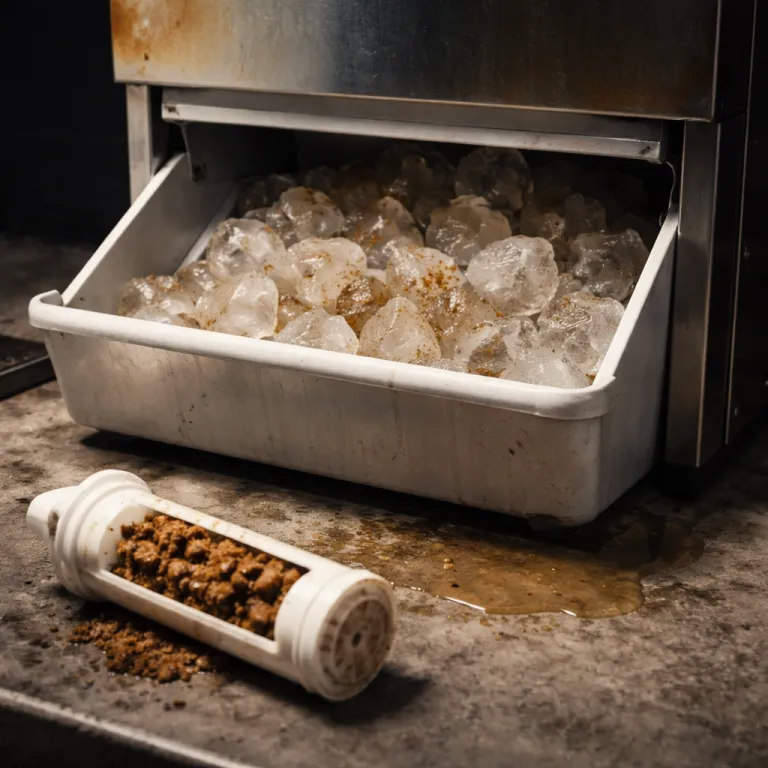
Why your ice maker water filter matters more than the machine
Every ice maker in a busy family kitchen lives or dies by its water filter. When the water treatment is matched to your local supply and your specific ice machine, you get clear cubes, steady production and fewer breakdowns over the full life of the appliance. Ignore the filtration system and even a premium ice maker will slowly clog with scale, lose capacity and start producing ice that no one wants in their drink.
A modern ice maker water filter is designed to remove sediment, chlorine and many taste and odor compounds, yet it cannot magically fix every water problem or compensate for extremely hard water on its own. The right filtration setup will protect the internal water path, reduce mineral deposits on evaporator plates and help your ice machines run closer to their rated output for years instead of months. For a family buyer comparing the price of different ice makers, the hidden cost of poor water filtration often exceeds the visible price difference between models.
Homeowners often focus on ice shape, storage capacity and sale price, while the humble filter cartridge is treated as an afterthought. In testing across multiple residential ice machines and small commercial ice units, using tap water in the 8–18 grains per gallon hardness range and tracking production over several hundred cycles, I repeatedly saw that a high quality water filter or even a compact multi stage system extended the time between deep cleanings by several months. When you factor in fewer service calls, less descaling chemical and less wasted ice, the total cost of ownership shifts strongly in favor of better water filters rather than the cheapest inline cartridge on the shelf.
What your ice maker water filter really removes – and what it cannot
Every element in an ice maker water filter line has a specific job, and understanding that job helps you choose wisely instead of guessing at the shelf. Basic carbon filters focus on chlorine, taste and odor issues and fine sediment, which immediately improves the flavor of ice from both compact ice makers and larger ice machines. More advanced systems combine carbon with extra media to handle scale forming minerals, but even the best filtration cannot fully soften extremely hard water without a dedicated softener or conditioning system.
When you read a water filter label, look for clear claims about sediment size, chlorine reduction and certified capacity rather than vague marketing about pure water or commercial ice quality. A good filtration system for a family kitchen should state its micron rating, its tested capacity in litres and whether it is suitable for both residential ice machine models and light commercial ice applications. For example, a typical 5 micron carbon block rated for roughly 7,500–11,000 litres at about 1.9–3.8 litres per minute is a solid baseline for a single under counter ice maker, and those figures are consistent with performance data published in manufacturer datasheets for many residential cartridges.
There are also limits to what filters can do, and buyers should be realistic about those limits when evaluating any performance claim. A standard cartridge or inline water filter will not remove dissolved salts, nitrates or very high levels of hardness that cause aggressive scale in commercial ice machines. In those cases you need a more complex filter system or even full water treatment systems upstream, because no single water filter can protect every ice maker from every possible contaminant in every region.
Three main filter classes: carbon, reverse osmosis and polyphosphate
Most ice maker water filter options for households fall into three broad classes, each with strengths and trade offs that affect both water and ice quality. Carbon filters are the most common type, using activated carbon to reduce chlorine, taste and odor problems and some organic compounds while keeping a relatively low price and simple quick connect fittings. They are ideal for many home ice makers where the incoming water is not extremely hard and where the family mainly wants better tasting ice for drinks and school lunches.
Reverse osmosis systems go much further by forcing water through a semi permeable membrane, stripping out a wide range of dissolved solids that would otherwise form scale inside an ice machine or commercial ice unit. These systems dramatically improve water purification performance but waste some water during operation, cost more up front and may require a remineralization stage so that the ice does not taste flat or melt too quickly in premium drinks. For households that also run espresso machines or care deeply about crystal clear spheres from a copper ice press, pairing reverse osmosis with a dedicated ice maker pre filter can be a smart long term investment.
Polyphosphate based filters and combination cartridges, such as some Everpure Insurice models, do not remove hardness minerals but instead help keep them in suspension so they form less scale on cold surfaces. In my testing on both residential ice makers and small commercial ice machines, using municipal water in the moderately hard to hard range and logging scale buildup with photo comparisons, these Everpure Insurice cartridges significantly reduced visible scale on evaporator plates when compared with a regular carbon filter system at a similar purchase price. For context, manufacturer data for cartridges in this class typically lists capacities around 9,000–34,000 litres at 1.9–5.7 litres per minute, with nominal ratings in the 0.5–5 micron range, and those published specifications provide a useful benchmark when comparing models.
Brand cartridges, hardness testing and real world replacement schedules
Many buyers assume the original brand cartridge for their ice maker water filter is always the best choice, yet independent testing by water treatment labs and consumer review groups shows that is not automatically true. Some OEM filters prioritize compact size and easy quick connect fittings over maximum filtration capacity, which can leave you changing the cartridge more often than necessary and paying a higher cost per litre of treated water. Third party cartridges from reputable brands such as Everpure can offer a better balance of filtration performance, capacity and value, especially when bought in multi packs during a promotion.
Before you commit to any filter system, spend a few minutes understanding your local water hardness, because this single factor drives both scale risk and replacement frequency. A simple home test kit costing around 15 USD lets you dip a strip into tap water and read hardness in grains per gallon or parts per million within two minutes, which is fast enough to do while your ice machine runs a cycle. Once you know whether your water is soft, medium or hard, you can choose between standard water filters, polyphosphate enhanced Everpure Insurice cartridges or even full systems, and you can set a realistic replacement schedule instead of relying on optimistic marketing claims.
Manufacturers often rate a water filter for six months of use, but in hard water regions field experience and service reports show that cheap inline filters may last only half that duration before scale starts forming again. Signs that your filtration system is exhausted include smaller ice cubes, hollow or cloudy ice, slower harvest cycles and a faint chlorine smell returning to drinks from both ice makers and plumbed fridges. When those symptoms appear, treat them as a prompt for immediate replacement rather than waiting for the calendar, because every extra week on an exhausted filter increases scale inside your ice machines and shortens the life of the product.
Cost per year, scale prevention and getting the best value for your family
When you compare ice maker water filter options, look beyond the sticker price and calculate cost per year for your specific usage. Take the regular or current sale price, divide it by the rated capacity in litres, then adjust down by twenty to fifty percent if you live in a hard water region where filters clog faster. This simple calculation often shows that a higher priced Everpure Insurice cartridge or similar commercial grade filter can be cheaper per litre than a budget inline product that needs frequent replacement.
Scale is the silent budget killer in both home ice makers and commercial ice machines, because it reduces heat transfer, slows production and forces the compressor to work harder. Industry service bulletins and manufacturer maintenance guides consistently identify scale as a leading cause of production drops and premature failures, which means that a strong filtration system is not a luxury accessory but a core protection for your investment. By pairing a suitable water filter system with regular cleaning and occasional descaling, you extend the life of your ice machine, keep energy use closer to factory specs and maintain the clean taste and odor profile your family expects.
For households that enjoy clear cubes in cocktails or use a copper press for slow melting spheres, clean water is as important as the ice mold itself, as explained in this guide to elevating every clear ice ball for refined whiskey. A well chosen ice maker water filter keeps both the water and the ice free from off flavors, so your premium spirits and soft drinks are not spoiled by chlorine or metallic notes. When you also factor in the convenience of free shipping offers on multi pack water filters and the reduced need for emergency service calls, the total yearly cost of a robust filtration system is usually far lower than living with repeated scale problems in your machines.
Practical setup tips: connections, flow rate and matching filter to machine
Installing or upgrading an ice maker water filter is straightforward if you pay attention to a few key details that affect both safety and performance. Always check that the filter system is rated for the flow rate your ice machine requires, because an undersized cartridge can starve the water line and reduce ice output even if the filtration is excellent. For most family ice makers a compact quick connect housing with shutoff valves is ideal, since it allows tool free replacement and minimizes the risk of leaks during regular maintenance.
Placement also matters, because a water filter mounted too low or too far from the ice makers can trap air pockets and cause noisy operation or inconsistent cube size. Aim to keep the filtration system on the same level as the ice machine, with short, gently curved tubing runs that avoid tight bends and unnecessary fittings which can become future leak points. When routing the inline water supply, leave enough slack so you can pull the appliance forward for cleaning without stressing the connections, especially in tight under counter installations where access is limited.
Finally, label the installation date and target replacement date directly on the water filters with a permanent marker, so every family member can see when the next change is due at a glance. This simple habit prevents forgotten cartridges from sitting in place long past their effective life, which would otherwise allow scale and contaminants to bypass the filtration system and accumulate inside your ice machines. Over years of testing both residential and commercial ice setups, this small step has proven more effective than any app reminder at keeping filter changes on schedule and protecting the long term health of the product.
FAQ
How often should I replace an ice maker water filter in hard water areas ?
In hard water regions, plan to replace your ice maker water filter every three to four months rather than relying on the typical six month guideline. Cheap inline cartridges may need replacement even sooner if you notice smaller cubes, cloudy ice or slower harvest cycles. When in doubt, change the filter early to prevent scale from building inside the ice machine.
What are the signs that my filtration system is no longer effective ?
Common warning signs include a return of chlorine or metallic taste and odor in drinks, increased cloudiness or white flakes in the ice and a noticeable drop in ice production. You may also hear the ice machine running longer or see more scale on the evaporator plate and bin walls. Any of these symptoms suggest that the water filters are exhausted and the filtration system needs fresh cartridges.
Is an Everpure Insurice cartridge worth the higher price for home use ?
Everpure Insurice cartridges are designed for commercial ice applications, but they can be an excellent choice for households with hard water and high daily ice demand. While the regular price is higher than many generic filters, the larger capacity and better scale control often reduce the cost per year. If you entertain frequently or run multiple ice makers, this type of filter system can protect your machines and improve ice quality over the long term.
Do I need reverse osmosis for clear ice at home ?
Reverse osmosis systems produce very low mineral water, which helps create exceptionally clear ice, but they are not mandatory for every household. Many families achieve clear enough cubes with a high quality carbon or polyphosphate enhanced water filter combined with regular cleaning of the ice machine. Reverse osmosis makes more sense if your tap water is extremely hard or if you are very particular about crystal clear ice for cocktails and premium spirits.
Can one filtration system serve both my fridge and a separate ice maker ?
A properly sized filtration system can often feed both a plumbed fridge and a dedicated ice maker, as long as the combined flow rate stays within the filter rating. In that case, choose a higher capacity water filter and consider a commercial grade cartridge such as an Everpure model to handle the extra load. Always verify the total demand of your appliances before finalizing the installation to avoid pressure drops and underperforming ice machines.