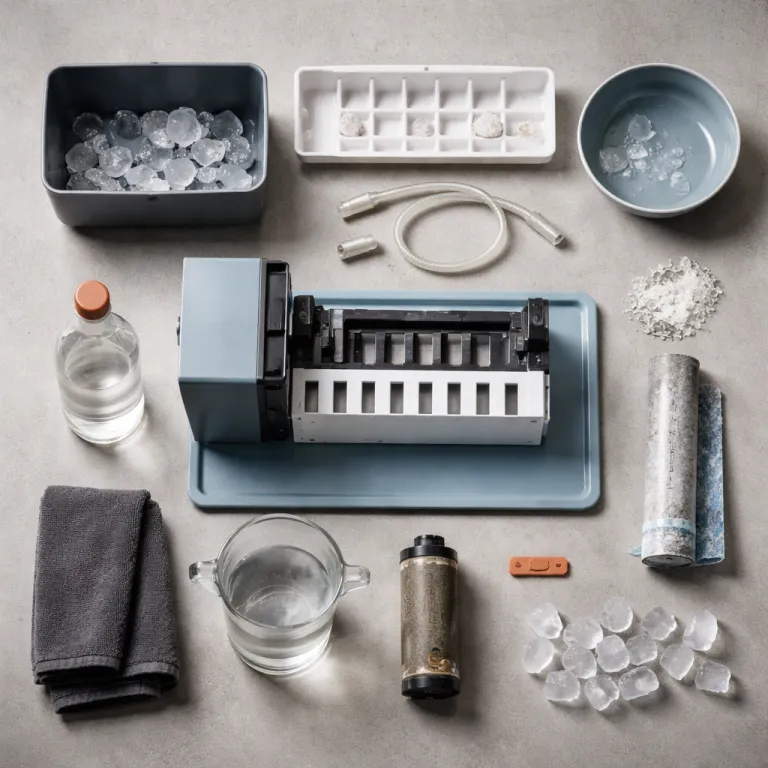
Quick symptom map for practical ice maker troubleshooting
When an ice maker in a family refrigerator stops making ice, you need a clear path rather than guesswork. This section gives you a fast symptom map so you can check each likely cause in a logical step and protect both the ice machine and the fridge around it. Think of it as a control checklist that turns vague problems into specific actions you can take before calling service.
Start by noting the exact symptom with your ice makers, such as slow ice production, no ice cubes at all, or water in the ice bin where only frozen cubes should sit. Then look at where the issue appears in the system, from the household water inlet at the wall, through the inlet valve and inlet tube, to the freezer compartment, ice bucket, and dispenser area in the refrigerator door. This simple mapping helps you separate poor water flow problems from temperature or control arm issues, which is the foundation of effective ice maker troubleshooting.
Before touching any parts, unplug the refrigerator or switch off the dedicated breaker, and close the shutoff valve feeding the water inlet so you can work safely. For any symptom, first check water at the source by briefly running the kitchen tap and confirming strong water pressure and clean water ice with no visible particles. Next, inspect the water filter status light on the fridge control panel and the date label on the cartridge, because a clogged water filter is the most common cause of weak water flow and maker making noise without actually making ice. Finally, verify that the control arm above the ice bin is in the down position, since a raised control arm tells the ice maker to stop making ice even when the freezer and water inlet are working perfectly.
When your ice maker is not making ice at all
If your ice maker is not making ice, work through the basics before assuming a failed ice machine. Begin with power and temperature, because a freezer that is too warm or a fridge that is unplugged will stop ice production long before any internal parts fail. Aim for a freezer temperature between −18 °C and −15 °C (0 °F to 5 °F), since warmer settings leave the ice cubes slushy and can trick the control system into pausing the cycle.
Use a single pre service checklist so you do not repeat steps or miss simple faults. In about 10 to 15 minutes you can: (1) confirm power and freezer temperature (2 to 3 minutes), (2) test water at the kitchen tap and inspect the inlet hose for kinks (3 minutes), (3) verify that the shutoff valve is fully open and the water filter is within its service life (3 to 4 minutes), and (4) check that the control arm above the ice bin moves freely and sits in the down position (2 to 3 minutes). If your family fridge uses a built in water filter, replace the water filter whenever the indicator light turns on or at least every six months, because a clogged cartridge can leave the ice bucket empty even while the dispenser still delivers a weak stream of water.
After confirming water pressure and flow, look inside the freezer at the control arm that sits above the ice bin and moves up as the bin fills. Make sure this control arm is not stuck in the raised position, because that tells many models to stop making ice even though the water inlet and inlet tube are ready to work. If you have already walked through these essential checks, using a structured guide such as the pre service checklist for an ice maker not making ice, and the ice makers still remain silent, it is time to schedule a professional technician.
Slow ice production, tiny cubes, hollow cubes, and cloudy ice
When your family notices slow ice production or tiny cubes, the cause is usually poor water flow rather than a failing ice machine. Weak water pressure at the water inlet or a partially blocked inlet valve means the mold never fills completely, so the ice cubes freeze as hollow shells that break apart in the ice bucket. These symptoms often appear together with cloudy ice, because trapped air and minerals in the water ice become locked inside each cube.
Begin by checking the household water pressure feeding the refrigerator, since most ice makers need at least 0.2 to 0.6 MPa (30 to 87 psi) to maintain normal ice production and many manufacturer manuals recommend around 0.35 MPa (50 psi) for best results. If the pressure is low, the water inlet valve may not open fully, which starves the inlet tube and leaves the ice bin half full even though the maker is cycling and making ice sounds. In some homes, simply opening the shutoff valve fully or removing a saddle valve restriction restores proper water flow and solves both tiny cubes and slow production in a single step.
Cloudy or hollow cubes also point to scale and trapped air, which you can address by replacing the water filter and running several batches of ice to flush the system. For a short, exact cleaning routine, empty the ice bin, mix a food safe cleaner approved for ice machines with warm water as directed on the label, wipe the mold, bin, and dispenser path, let the solution sit for 5 minutes of contact time, then rinse with clean water and dry before restoring power and water. If you want perfectly clear frozen cubes for refined drinks, pair that cleaning routine with the techniques in this tutorial on creating perfect frozen ice cubes for home cocktails, while still keeping an eye on water pressure and inlet tube condition.
Leaks, puddles, water in the ice bin, and strange tastes
Leaks around an ice maker usually trace back to the water inlet, the inlet valve, or a cracked inlet tube rather than the freezer itself. If you see a puddle under the refrigerator or water in the ice bin that has refrozen into a solid block, start by inspecting the water line connection at the wall and at the back of the fridge. A loose compression fitting or damaged hose can let water escape every time the ice makers call for a refill, leaving the ice bucket wet and the dispenser chute icy.
Inside the freezer, look for frozen clumps around the ice maker and along the path where water flows into the mold, because this often signals a partially frozen inlet tube. When the inlet tube is restricted by ice, water sprays sideways instead of into the mold, which sends water into the ice bin and down the back wall of the freezer. Carefully thaw the area with a warm cloth rather than a sharp tool, then check water pressure and temperature settings, since very low temperature can freeze the tube while poor water flow can leave droplets that refreeze between cycles.
Musty, metallic, or chlorine tastes in water ice almost always come from the water filter or from scale buildup inside the ice machine and dispenser path. Replace the water filter on schedule, then discard several full ice buckets so the new filter can flush out any trapped air and carbon dust. If the taste remains, a full cleaning of the ice bin, mold, and dispenser using a food safe cleaner is the next solution, because stale residue in these areas can affect every batch of ice cubes your family uses.
Noise, short cycling, error codes, and when to call for help
Loud buzzing from an ice maker usually means the inlet valve is opening but not receiving enough water, so the valve hums while the mold stays empty. This often happens when the household water pressure is marginal, the shutoff valve is only partly open, or the water filter is severely clogged. In these cases, the maker making noise without filling the mold is actually a helpful warning that you should check water supply before the valve overheats.
Constant short cycling, where the ice machine starts and stops repeatedly without building a full ice bucket, can point to a faulty control arm or a misread temperature in the freezer. Make sure the control arm moves freely above the ice bin and is not blocked by frozen cubes, then verify that the freezer temperature sensor is not buried under food that traps warm air. Some newer models use electronic control boards that track ice production and will flash error codes on the refrigerator display or send alerts to a companion app when they detect repeated short cycles.
When you see error codes, always consult the user manual or the official support pages for your specific models, because each manufacturer assigns different meanings to similar symbols. For example, some Samsung refrigerators show 8E or 39C for ice maker sensor faults, certain LG models display Er IF for ice fan issues, and several Whirlpool designs use E2 or E5 to flag ice maker motor or thermistor problems. If the code points to sealed system issues, internal wiring faults, or repeated inlet valve failures even after you check water and replace the water filter, stop troubleshooting and call a qualified technician who can follow the diagnostic steps in the official service literature.
Visual flowchart and safe escalation for family buyers
Turning this ice maker troubleshooting guide into a simple visual flowchart makes it easier for a busy household to act quickly. Start your chart with three main branches labeled “no ice production”, “poor quality ice cubes”, and “leaks or noise”, then list each check step under the right symptom. This way, anyone in the family can follow the same logical path from water inlet to ice bin without needing to remember every technical detail.
Under the “no ice production” branch, include boxes for freezer temperature, control arm position, water pressure at the tap, and water filter status, because these four checks solve most cases where the ice makers stay silent. For “poor quality ice cubes”, add steps for cleaning the ice machine, flushing several ice buckets, and inspecting the inlet tube for partial blockage that causes hollow cubes or cloudy water ice. The “leaks or noise” branch should highlight the inlet valve, hose connections behind the refrigerator, and any buzzing that continues even after you check water supply and replace the filter.
To make this easy to print and post on the fridge, sketch a one page flowchart or checklist image with simple boxes and arrows that match the steps in this article, then add a final box labeled “call service” at the bottom of each branch. If possible, annotate the drawing or photos with arrows pointing to the control arm above the ice bin, the inlet valve at the back of the fridge, and the inlet tube entering the freezer so family members can match the labels to real parts. Set a clear rule on your flowchart for when to stop and call service, such as after you complete all checks without improvement or whenever you see electrical damage, burnt smells, or repeated error codes. This protects your fridge and keeps your family safe while still giving you control over simple maintenance like cleaning, replacing the water filter, and verifying water flow.
FAQ about ice maker troubleshooting for home refrigerators
Why is my ice maker making ice so slowly?
Slow ice production usually comes from low water pressure, a clogged water filter, or a freezer that is set too warm. Check water at the kitchen tap, then inspect the inlet valve and filter for restrictions. Finally, confirm that the freezer temperature is between −18 °C and −15 °C (0 °F to 5 °F) so the ice cubes can freeze on schedule.
What should I check first if my ice maker stops completely?
Begin by confirming that the refrigerator has power and that the freezer is cold enough for making ice. Next, make sure the control arm above the ice bin is in the down position and not blocked by frozen cubes. Then check water supply, including the shutoff valve, inlet hose, and water filter, before assuming a failed ice machine.
Why are my ice cubes cloudy, hollow, or bad tasting?
Cloudy or hollow cubes usually indicate poor water flow or trapped air, while musty or metallic tastes point to an overdue water filter or internal residue. Replace the filter, flush several full ice buckets, and clean the ice bin, mold, and dispenser path with a food safe cleaner. If the problem persists, have a technician inspect the inlet tube and internal water lines for scale buildup, following guidance from the refrigerator manufacturer and NSF or local plumbing recommendations.
How do I stop water leaking from my ice maker area?
Inspect the water inlet hose behind the fridge for kinks, cracks, or loose fittings, then tighten or replace parts as needed. Inside the freezer, look for ice buildup around the inlet tube, which can redirect water into the ice bin or down the back wall. If leaks continue after these checks, the inlet valve or internal tubing may need professional service.
When should I call a technician instead of fixing the ice maker myself?
Call a technician when you see repeated error codes, electrical damage, burnt smells, or leaks that return after you tighten fittings and replace the water filter. You should also seek help if the ice maker still will not produce ice after you verify temperature, control arm position, and water pressure. At that stage, internal components such as the inlet valve, control board, or sealed system may require specialized tools and training.