Backyard wedding ice math for drinks, food and décor
Backyard wedding ice planning starts with hard numbers, not guesswork. For a five hour outdoor wedding ceremony and reception, plan between 2 and 3 pounds of ice per guest to cover every drink, every beverage tub, the raw bar and any floral displays that rely on large ice. An 80 guest backyard wedding can quietly burn through 200 to 240 pounds of ice once you factor in a self serve bar, beer and wine stations, a champagne toast and a backup ice chest for emergencies.
These ranges align with common catering rules of thumb from hotel banquets and event bartending guides, which typically suggest 1.5 to 2 pounds of ice per person for indoor events and a higher allowance for outdoor heat. Because backyard weddings often run hotter and longer than ballroom receptions, the upper end of the range helps protect drink service and food safety. When in doubt, round up; leftover ice is far easier to manage than warm cocktails or a raw bar that slips out of safe temperature zones.
To keep the math transparent, assume a mixed bar where roughly 40 percent of guests drink beer or canned cocktails, 30 percent choose wine, 20 percent order shaken or stirred cocktails and 10 percent stick to soft drinks and water. In that scenario, each guest averages three to five drinks over five hours, and every drink needs fresh ice plus a share of the ice that chills bottles in drink coolers and beverage tubs. Warmer ambient temperatures and direct sun push melt rates higher, which is why the 2 to 3 pound per guest guideline works best for summer backyard weddings rather than cool shoulder season events.
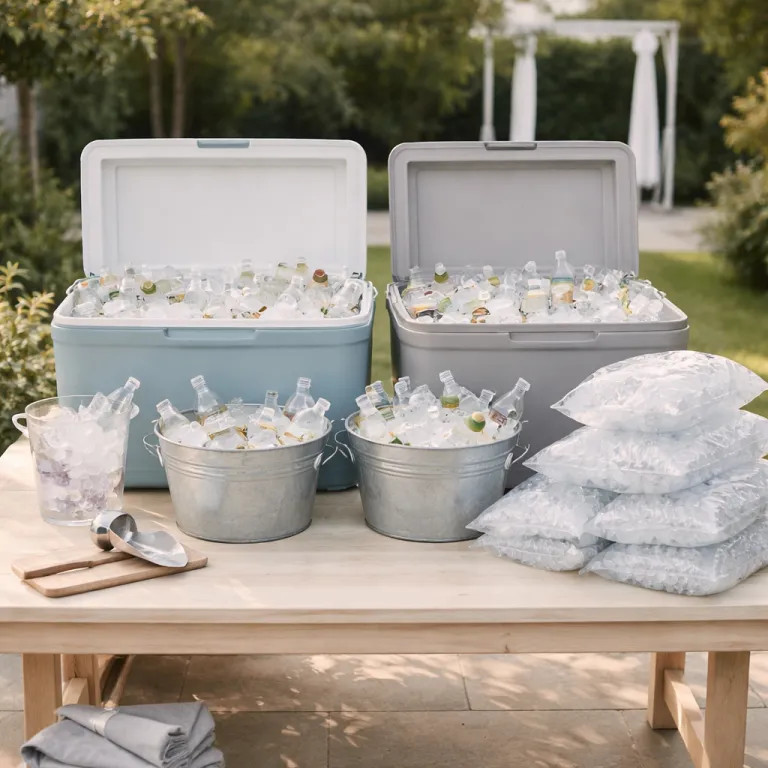
Break the total into clear zones so your portable ice maker actually supports service instead of fighting melt. Zone one is the working bar, where your countertop drink cooler or under counter ice maker feeds the bartender and keeps the main ice bucket topped up for cocktails, mixed beverage orders and straight spirits. Zone two is guest facing, where galvanized tubs, drink tubs and ice buckets act as every guest’s drink holder for beer, canned cocktails, soft drinks and still or sparkling water during parties and late night parties bar service.
Zone three covers food and décor, which many couples forget when they price out backyard wedding ice. A seafood or raw bar needs its own cooler or beverage tub filled with large ice, because you must keep ice levels high enough to cradle platters safely for several hours. Food safety agencies such as the USDA and FDA generally recommend holding shellfish and chilled foods at 40°F (4°C) or below, which means maintaining a deep, even bed of ice under every tray. Zone four is pure backup, usually one or two sealed buckets or an extra ice chest kept in the shade, ready to refill any drink tub or cooler wedding station when the temperature spikes and cooler ice melt accelerates.
To translate pounds into real world purchases, use this quick reference chart based on standard 7 and 20 pound bags and typical portable ice maker output. Numbers assume a five hour backyard wedding with a mix of cocktails, beer, wine and soft drinks and average summer temperatures around 75°F to 85°F (24°C to 29°C):
| Guest count | Total ice (lb) | 7 lb bags (approx.) | 20 lb bags (approx.) | Portable ice maker support* |
|---|---|---|---|---|
| 40 guests | 80–100 lb | 12–15 bags | 4–5 bags | 12 kg/day unit (≈26 lb/day) can replace ~25 lb |
| 80 guests | 200–240 lb | 29–35 bags | 10–12 bags | 18–20 kg/day unit (≈40–44 lb/day) can replace ~40 lb |
| 120 guests | 300–360 lb | 43–52 bags | 15–18 bags | Two 18–20 kg/day units (≈80–88 lb/day) can replace ~80 lb |
*Portable ice maker support assumes continuous production for several hours and realistic melt during staging. Treat these numbers as a supplement to bagged ice, not a full replacement, and remember that 1 kilogram equals about 2.2 pounds when you check manufacturer specifications.
Choosing a portable ice maker for a backyard bar layout
For the bar itself, a portable ice machine is your insurance policy against a warm drink disaster. Look for a countertop unit rated for at least 12 kilograms of ice per day (about 26 pounds) for a small backyard wedding, and move up to 18 to 20 kilograms (roughly 40 to 44 pounds) if you expect heavy cocktail service with a dedicated bar team. When I test machines for home bar use, I run them for a full five hour block to mimic a wedding ceremony plus reception, then track how well they keep ice flowing to a busy ice bucket without overheating.
Independent lab tests and consumer appliance reviews often note that real world production falls below the maximum rating once ambient temperatures rise above 80°F (27°C). That gap matters for backyard weddings, where direct sun and hot patios can push machines hard. When you compare specifications, assume you will see roughly 70 to 80 percent of the advertised daily output during a summer event and size your portable ice maker accordingly.
Place the ice maker behind the bar, never in a guest traffic lane, and pair it with a deep drink cooler or insulated tub so the bartender can batch freeze and stage ice. A stainless steel model with a covered ice chest and drain performs better in summer heat, because it helps keep ice from clumping and reduces how often you need to empty melt water into a spare bucket. If you are comparing countertop ice makers with self cleaning modes and 44 pound per day ratings, use a detailed test such as this countertop ice maker review for home bar and party use to judge real world output, noise and reliability.
Match the machine’s production to your bar menu, because beer and wine service demands less ice than a full cocktail program with shaken drinks. If your backyard bar focuses on beer, canned cocktails and chilled wine in drink coolers and beverage tubs, a mid range portable unit can simply top off ice buckets and keep ice handy for a few signature cocktails. When the plan includes frozen drinks, stirred classics and a parties bar with multiple bartenders, you either need two portable ice makers or one machine plus significant pre bought bagged ice from a grocery store or ice delivery service.
Staging, timing and storage to keep ice cold all evening
Once you know your total backyard wedding ice volume and have chosen a machine, the next step is staging. Think in layers; prep ice lives in deep coolers or galvanized tubs, service ice sits in smaller ice buckets at the bar, refill ice waits in shaded buckets, and backup ice stays sealed in an ice chest or freezer until needed. Summer heat can double melt rates in soft sided coolers, so prioritize rigid coolers with thick insulation and keep every drink tub out of direct sun whenever possible.
Food safety guidance from agencies such as the USDA and FDA emphasizes keeping perishable foods below 40°F (4°C) and minimizing time in the “danger zone” between 40°F and 140°F. For a barn wedding or rustic backyard wedding, that means treating ice as part of your food safety plan, not just décor. Galvanized metal tubs look beautiful as beverage tubs, but they conduct heat, so always line them with a layer of ice bags or a plastic insert to keep ice from vanishing too quickly and to keep bottled drinks and raw bar platters safely chilled.
Start your portable ice maker early on the wedding day, usually three to four hours before guests arrive, and feed its output into a large beverage tub or drink cooler lined with a few frozen water bottles to slow melt. Rental companies often require a 72 hour lead time on large ice orders in peak season, so lock in any bulk delivery before you finalize catering, then use your home machine to bridge gaps and keep ice topped up at the bar. Many regional suppliers also set minimum order sizes for delivery, so confirm both the smallest drop they will make and any extra fees for evening or weekend service.
To consolidate the moving parts, treat your staging plan as a simple checklist: confirm total pounds of ice by guest count, assign each cooler wedding station a target number of bags, label every galvanized tub and drink cooler by zone, and note which portable ice maker will refill which bar or self serve station. Time your grocery store runs carefully if you skip delivery, sending someone for extra bags only once the sun drops and melt slows so you do not waste ice in the hottest part of the afternoon.
To make the timing easier to execute, use a simple example schedule for a 5 p.m. backyard wedding with an 80 guest list. At 10 a.m., confirm your total ice plan and clear space in every cooler. At 1 p.m., start the portable ice maker and begin filling the deepest drink cooler with machine ice. At 2 p.m., accept any bulk ice delivery, load rigid coolers for the bar and raw bar, and move them into shade. At 3:30 p.m., top off all beverage tubs, set up self serve stations and reserve one ice chest as untouched backup. Around 7 p.m., assign a support person to check melt levels, drain excess water and rotate fresh ice into the busiest tubs so service stays smooth through the final toasts.
Logistics, backup plans and a printable ice checklist
Logistics decide whether your backyard wedding ice plan feels effortless or frantic. Assign one person to manage every cooler, beverage tub and drink tub, so the bartender can focus on service while a support person rotates buckets, drains melt water and moves ice between the prep zone and the bar. Use clearly labeled ice buckets for “bar only” and “self serve” so guests do not raid the bartender’s supply when the parties bar energy peaks later in the evening.
Backup plans matter, because running out of ice during a wedding ceremony or toast is far more disruptive than a quick beer shortage. Decide in advance whether you will rely on a pre booked ice delivery service or on emergency grocery store runs, and write down the nearest store addresses plus opening hours in your planning folder. For hosts who like structured tools, create a simple checklist by guest tier; for 40 guests plan 80 to 100 pounds of ice, for 80 guests plan 200 to 240 pounds, and for 120 guests plan 300 to 360 pounds split between coolers, ice chests, beverage tubs and the portable machine.
Include line items for each cooler wedding station, every galvanized metal tub, all galvanized tubs for beer and wine, the raw bar, floral buckets and a final 10 to 15 percent buffer to keep ice available if the night runs long. Note where each item lives on site, from the shaded backyard corner that hides the largest drink cooler to the small ice chest under the bar that feeds the main ice bucket. When you compare portable ice makers for this checklist, use structured reviews such as the nugget ice maker showdown for home bars to balance price, performance, user ratings in stars and long term reliability before you decide which model to buy from a retailer such as Amazon or a local appliance store.
For a printable version, turn your notes into a one page chart with four columns: “Zone,” “Container,” “Ice pounds or bags,” and “Source (bagged or machine).” List the working bar, self serve stations, food displays and backup ice separately, then total the pounds at the bottom. This quick visual makes it easy for helpers, caterers and bartenders to see exactly how much ice belongs in each cooler and which portable ice maker should keep it topped up as the party unfolds.
FAQ
How much ice do I need per guest for a backyard wedding
Plan between 2 and 3 pounds of ice per guest for a five hour outdoor backyard wedding with a full bar. This range covers cocktails, beer, wine, soft drinks, a small raw bar and some décor such as floral buckets on large ice. If you expect very hot weather or extended parties after the reception, add another 10 to 15 percent to keep ice available late into the evening.
Event bartending guides and hotel catering manuals often land in the same range, especially for outdoor celebrations where melt rates are higher. Because backyard weddings rarely have the deep storage and walk in freezers that professional venues enjoy, using the upper end of the guideline gives you a safer buffer for both drinks and chilled food displays.
Should I rely only on a portable ice maker for my wedding
For most backyard weddings, a portable ice maker should supplement, not replace, bulk bagged ice. Use the machine to keep the bar ice bucket full and to refresh drink coolers, while pre bought ice in coolers and beverage tubs handles self serve stations and food displays. This split approach protects you if the machine underperforms or if melt rates spike during a heatwave.
What type of coolers and tubs work best for keeping ice cold
Rigid insulated coolers with tight lids keep ice far longer than soft sided models, especially in summer. Use them as your primary storage, then decant ice into galvanized tubs, drink tubs or decorative ice buckets that guests see at the bar and around the backyard. Always elevate tubs off hot surfaces and keep them in the shade to slow melt and protect your ice supply.
Consumer testing from outdoor gear reviewers consistently shows that thick walled coolers with quality gaskets can hold ice for many hours longer than budget models. For a backyard wedding, you do not need expedition level gear, but choosing mid range insulated coolers and keeping them closed between refills can dramatically reduce how often you need to top up ice during the reception.
When should I schedule ice delivery or grocery store runs
Book any large ice delivery at least 72 hours before the wedding during peak season, because suppliers often sell out on popular weekends. Ask for the truck to arrive two to three hours before guests, so you can load coolers and beverage tubs without rushing. If you plan grocery store runs instead, schedule one early afternoon trip for bulk ice and reserve a second late evening run only if your backup ice chest drops below one third full.
Is it worth paying more for a higher capacity portable ice maker
A higher capacity portable ice maker costs more upfront, but it can reduce how much bagged ice you need to buy and store. For a home bar that will host regular parties after the wedding, stepping up to a machine that produces 18 to 20 kilograms per day often delivers better long term value. Balance the higher price against your future entertaining plans, available counter space and how often you want truly full drink coolers and ice buckets without last minute store runs.