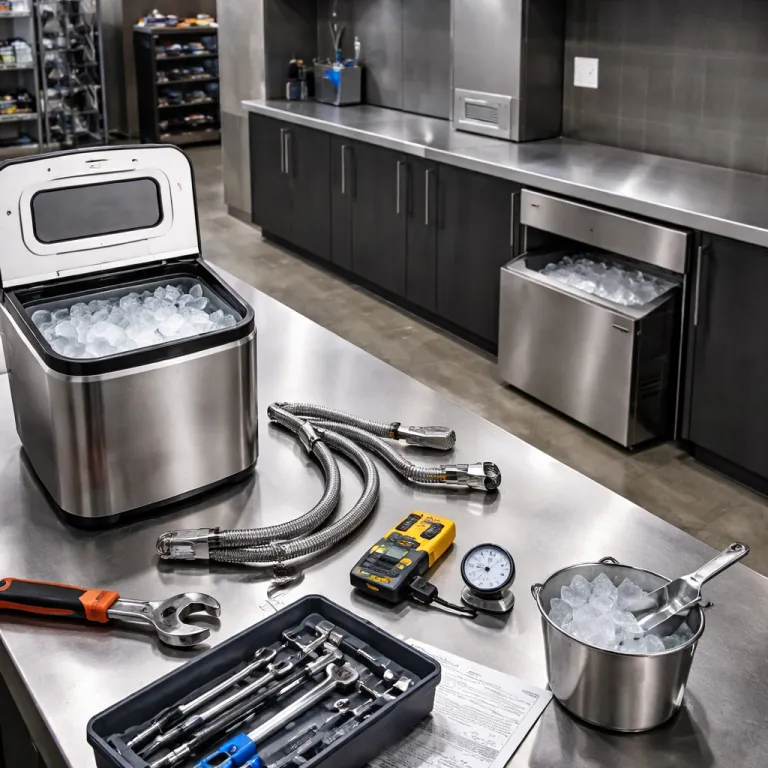

When an undercounter ice maker truly upgrades a home bar
For a home bar that sees daily use, an undercounter ice maker can feel like moving from hobby to serious hosting. The shift from a portable ice machine on the counter to a built in unit under the bar changes how you plan parties, how you serve drinks, and how you think about ice storage for every gathering. Before you commit, you need to match the machine lbs capacity, storage bin volume, and installation demands to how often you actually entertain.
Most undercounter ice machines start around 20 to 30 kg per day, which is far more lbs ice than a typical countertop maker machine can produce in the same time. That level of output suits a home bar where you mix cocktails several evenings a week, host friends on weekends, and want consistent cube ice or nugget ice without refilling a reservoir. If you only host once a month, a smaller ice maker with a removable storage bin and lower price often makes more sense than a large commercial style product.
Think about the type of ice cubes you love before choosing any ice machine for your bar. Clear ice cube options look stunning in whisky glasses, while crescent ice shapes melt slower in tall drinks and nugget ice feels perfect for sodas and tiki cocktails. A well chosen undercounter ice maker lets you align ice machines, storage, and features with your favourite drinks instead of forcing every beverage to work with one generic cube.
The four hidden costs of installing an undercounter ice maker
Many buyers focus on the headline price of an undercounter ice maker and forget the hidden costs that arrive with installation. Unlike a countertop ice maker that you plug in and fill with water, an undercounter ice machine usually needs a dedicated electrical circuit, a cold water line, and either a gravity drain or a drain pump, which can add several hundred dollars to the total. When you compare products, always add estimated plumbing and electrical work to the machine price so you see the real investment for your bar.
Ventilation is the second hidden cost, because an ice maker machine that cannot breathe will run hot, waste energy, and produce fewer ice cubes per hour. Built in models with front ventilation are designed to slide between cabinets, but side vented ice machines need extra clearance or grill panels, which may require carpentry and can reduce usable storage space. If you want a seamless look, plan for a stainless steel grille or matching panel and factor that into both budget and aesthetics when enhancing your kitchen with a built in ice maker solution.
Service access is the third cost, because every ice maker, even premium stainless steel products, will eventually need cleaning, filter changes, or repairs. If your undercounter ice is boxed in by fixed cabinetry, a technician may need more time to reach the maker machine, which increases labour charges and downtime. The fourth cost appears at resale, since not every buyer values a commercial ice style appliance, and a niche ice machine can sometimes limit layout changes or appeal in smaller kitchens.
Countertop versus undercounter ice makers: mobility, maintenance, and water use
Countertop ice makers rarely get credit for their strengths, especially when people dream about a sleek undercounter ice maker in a new bar. A portable ice machine can move from kitchen to terrace, travel to a holiday home, or sit on a buffet for a party, while an undercounter ice machine stays fixed once the water and drain lines are installed. If you entertain in different rooms or occasionally host large events off site, that mobility can matter more than a built in look.
Maintenance is usually simpler with a compact ice maker, because you can slide the product to a sink, run cleaning cycles, and access every side without tools. With an undercounter ice installation, you must respect the cabinet opening, ventilation gaps, and plumbing connections when you perform cleaning or descaling, which can turn a quick task into a longer session. For some owners, especially in rentals or secondary homes, the ability to lift a small maker machine onto a bench for deep cleaning is a real advantage.
Water use also differs between designs, particularly with commercial ice style undercounter models that use water cooled systems or continuous rinsing to create clear ice. Many countertop ice makers recirculate meltwater from the storage bin, which reduces waste but can slightly soften cube ice or nugget ice over time. If you care about sustainability as much as cocktail quality, compare how each ice machine handles meltwater and read about the benefits of built in ice makers to understand the trade off between efficiency, clarity, and convenience.
Choosing the right capacity, ice type, and build for your space
Capacity is the first specification that should guide your undercounter ice maker choice, because overbuying or underbuying both create frustration. A home bar that serves four to six people a few nights per week usually thrives with an ice machine rated around 20 to 30 kg per day, while a serious entertainer or small commercial bar at home may need 40 kg or more. Look at both the maker lbs production figure and the storage bin size, since a generous bin keeps enough ice cubes ready between parties without forcing the machine to run constantly.
Ice type shapes your drinking experience, so do not treat it as a minor feature when comparing ice makers. Cube ice works well for most mixed drinks, crescent ice slides smoothly into tall glasses, nugget ice feels luxurious in soft drinks, and clear ice cubes elevate whisky or spirit forward cocktails by melting slowly. Some products, such as certain Maxx Ice undercounter models, focus on commercial ice output with hard cube ice, while others specialise in softer nugget ice, so match the maker machine to your favourite beverages.
Build quality matters too, especially if the ice machine sits in a visible bar area where guests gather. A stainless steel door and cabinet resist corrosion, clean easily, and pair well with other stainless appliances, while plastic panels can fade or scratch over time. When you compare products, pay attention to stainless steel thickness, handle design, and whether the storage bin interior feels solid, because these details influence both durability and how many stars you will honestly give the machine after years of use.
Plumbing questions, service planning, and a clear upgrade checklist
Before you order an undercounter ice maker, schedule a conversation with a qualified plumber and arrive with specific questions. Ask where the water line can safely connect, whether your floor allows a gravity drain or needs a pump, and if your electrical panel can support a dedicated circuit for the ice machine without overloading. Clarify these points early, because installation surprises often cost more than any free shipping promotion or small discount on the base price of the maker.
Service planning protects your investment, especially if you choose a commercial ice style unit with higher machine lbs output for frequent parties. Make sure there is enough clearance to slide the ice maker out, open the storage bin fully, and reach filters or pumps without dismantling cabinetry, because cramped access raises repair costs. Commit to regular cleaning with manufacturer approved products, since scale, biofilm, and neglected ice storage bins are the main reasons even high end ice machines lose performance and drop from five stars to three in real world reviews.
Use a simple checklist before upgrading from a countertop maker to an undercounter ice solution for your bar. Confirm that you host often enough to justify continuous ice cubes production, that your kitchen layout can spare the cabinet space, and that you are comfortable with ongoing cleaning and occasional service visits. If you answer yes to those points and value a quiet, stainless steel front under the counter more than mobility, then an undercounter ice installation is likely the right move among all the ice makers and related products on your shortlist.
FAQ
How much ice capacity do I really need for a home bar?
Most home bars work well with an undercounter ice maker that produces around 20 to 30 kg of ice per day. If you regularly host large groups or run a semi commercial bar setup at home, consider an ice machine rated closer to 40 kg per day with a larger storage bin. Occasional entertainers can usually rely on smaller ice makers or even a quality countertop machine instead of a full built in unit.
Is a gravity drain or a pump better for an undercounter ice maker?
A gravity drain is simpler, quieter, and usually more reliable if your floor drain sits directly below or slightly lower than the ice machine. When the drain is higher or far away, a pump becomes necessary to move meltwater from the storage bin to the waste line. Your plumber can measure heights and runs to decide which option keeps the installation safe and efficient.
How often should I clean an undercounter ice maker?
Most manufacturers recommend a full cleaning and descaling every three to six months for an undercounter ice maker in a home bar. If you have hard water or run the ice machine heavily, schedule cleaning closer to the three month mark and replace filters on time. Regular maintenance keeps ice cubes clear, protects stainless steel components, and reduces the risk of odours in the storage bin.
Are commercial style undercounter ice machines worth it for home use?
Commercial ice models offer higher maker lbs capacity, tougher stainless steel construction, and faster recovery after heavy use, which can be valuable for large households or frequent parties. For smaller homes or occasional entertaining, the extra cost, noise, and higher water use of commercial ice machines may not bring clear benefits. Match the machine to your real hosting habits rather than the most powerful specification on paper.
Can I install an undercounter ice maker myself?
Some experienced homeowners can handle basic cabinet work and electrical connections, but most undercounter ice installations benefit from professional plumbing and wiring. A licensed plumber ensures the water line, drain, and shut off valves are safe, while an electrician confirms the circuit can handle the ice machine load. Professional work reduces the risk of leaks, electrical issues, and voided warranties on your new ice maker.