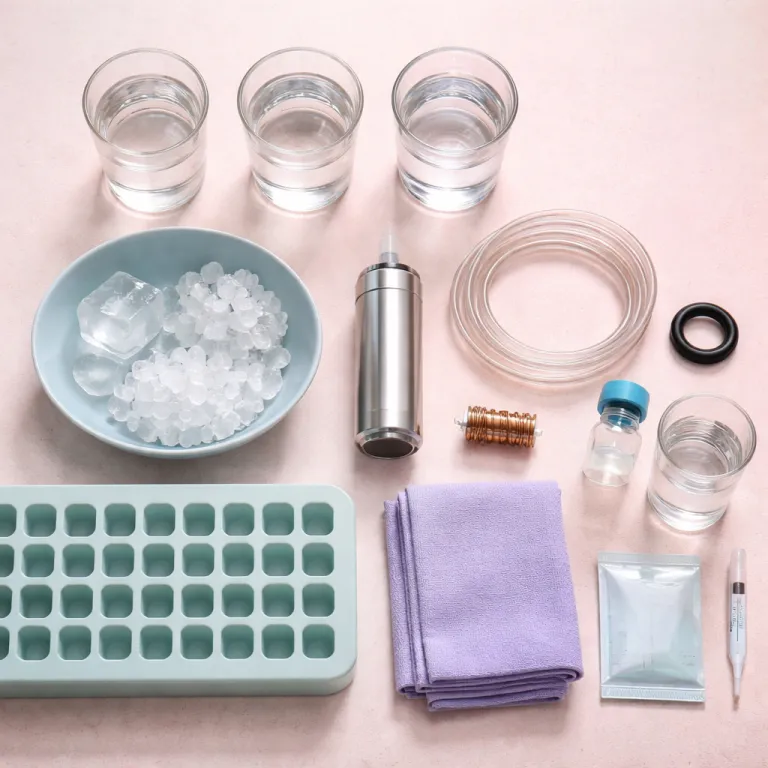
How to choose your first countertop ice maker
Buying a first countertop ice maker can feel confusing, especially when product pages list dozens of features and ice machine specifications. This guide focuses on how real families in the United States actually use ice at home, then walks through footprint, capacity, ice type, noise, and long term running costs so you can match a compact ice maker to your kitchen instead of guessing from marketing claims.
Start with how your family really uses ice
Your first countertop ice maker should match your family’s real habits, not just a spec sheet. Before looking at any ice machine on Amazon or in a store, think about how often you fill glasses with ice and water during a normal week. A clear picture of daily ice making needs will guide every later choice and will prevent you from overpaying for capacity you never use.
Most households in the United States use ice for soft drinks, mixed drinks, kids’ bottles, and food prep, so list these situations and estimate how many ice cubes you need per day. Typical portable ice makers and compact ice machines such as the Igloo ICEB26, Frigidaire EFIC117, and GE Profile Opal 2.0 are rated between 11 and 20 kilograms (about 24 to 44 pounds) of countertop ice per day on their manufacturer spec sheets, which is usually enough for a family that entertains on weekends but not for very large parties. If you host big barbecues or pool days, your first ice maker or future ice makers may need closer to 18 to 20 kilograms (roughly 40 to 44 pounds) per day, especially if you prefer nugget ice or clear ice that melts more slowly.
Think about when you need great ice most, not just how much you want in theory. If you mainly use an ice machine for evening drinks, a smaller water tank and slower ice making cycle might still feel easy to live with. Families who pack school lunches with ice cubes or bullet ice every morning will appreciate a machine that starts making ice within 6 to 10 minutes and refills the ice basket quickly; owners of compact 12 kg (26 lb) models from brands like Igloo and Frigidaire often describe them as “ready before the toast pops” in user reviews and on manufacturer product pages.
Footprint, capacity and the reality of small countertops
In many kitchens the limiting factor for a first countertop ice maker is not price but space. Measure the depth and width of your available countertop and compare them carefully with the footprint of different ice machines, because even a few extra centimetres (or an inch) can block a cabinet door. A compact ice maker with a vertical design and a front opening water reservoir or water tank often fits better under wall cabinets than a wide, low machine.
Most portable ice makers for the United States market, including popular models like the Frigidaire EFIC117 and Igloo ICEB26, weigh between 8 and 15 kilograms (around 18 to 33 pounds) and stand 30 to 45 centimetres (12 to 18 inches) tall according to their product pages, so lifting them for cleaning or draining water should still be easy for most adults. Higher capacity ice machines with larger tanks and heavier refrigeration systems can feel more stable, but they also occupy more countertop space and may vibrate more on thin worktops. When you read product reviews, pay attention to comments about how far the ice maker sticks out from the wall and whether the rear ventilation needs extra clearance for proper refrigeration.
Capacity ratings on an ice machine describe how much ice the makers can produce in 24 hours, not how much the internal basket holds at once. A small basket might only store 600 to 800 grams (about 1.3 to 1.8 pounds) of ice cubes or nugget ice, so the machine will cycle between making ice and letting some melt back into the tank. If you want excellent ice ready for guests without constant supervision, choose a countertop ice maker with a slightly larger basket and an included ice scoop, then empty full baskets into a freezer container between cycles so you build up a reserve.
Choosing the right ice type for drinks and entertaining
The biggest decision for a first countertop ice maker is often the ice type rather than the brand name. Nugget ice, sometimes called pebble ice or chewable ice, is extremely popular for soft drinks and blended cocktails because it packs tightly in a glass and absorbs flavours quickly. Bullet ice, the hollow rounded shape produced by many compact machines, is common in affordable models and works well for everyday water, juice, and mixed drinks.
Clear ice cubes are made by controlling water flow and refrigeration so that air bubbles are pushed out, which creates slow melting cubes ideal for whisky or craft cocktails. Some premium ice makers and ice machines, including higher end GE Profile Opal style nugget ice machines and clear cube units from specialty brands, can produce clear ice or even flake ice for seafood platters, but these machines usually cost more and require more careful cleaning of the water reservoir. If you see references to a Profile Opal style nugget ice machine, understand that this category focuses on nugget ice texture and excellent ice quality, often with higher price tags and more detailed maintenance steps.
Think about your family’s favourite drinks and match the ice maker to those habits instead of chasing every feature. For children and casual entertaining, bullet ice or small nugget ice pieces from compact ice makers will usually feel great and keep drinks cold enough. If you or your guests care about presentation, clear ice cubes or dense pebble ice from a specialised ice machine will elevate cocktails and reduce dilution in spirits.
Noise, water management and running costs over time
Noise is one of the most overlooked aspects when buying a first countertop ice maker for an open plan kitchen. Manufacturers often quote decibel levels measured in ideal laboratory conditions, while real world ice making sounds louder because of cabinet resonance and nearby walls. When you read user reviews, focus on comments about noise during both the refrigeration cycle and the moment when fresh ice cubes drop into the basket.
Portable ice machines use either a refillable water reservoir or a plumbed water line, and each approach has different long term costs. A machine with a built in water tank is easier to place anywhere on the countertop, but you will need to refill it regularly and descale it more often if your tap water is hard. Plumbed ice machines cost more to install but save time on refilling and can reduce limescale if you add an inline filter, which helps maintain positive performance and keeps the internal refrigeration system efficient.
Energy use for compact ice makers is usually modest, yet running them all day for making ice can still add to your electricity bill. To manage costs and keep maintenance simple, choose a machine with an automatic shut off when the basket is full and when the water tank is empty, then run it in focused bursts before meals or parties. Regular cleaning of the water reservoir, the internal tank, and the included ice scoop will also keep the ice maker hygienic and help the refrigeration components maintain stable temperatures with less effort.
Specs that truly matter and how to read reviews wisely
When you compare options for your first countertop ice maker, focus on a short list of specifications that genuinely predict satisfaction. Daily ice making capacity, time for the first batch, basket size, water tank volume, and noise level matter more than decorative lighting or app connectivity. A realistic family friendly machine will balance these factors so that you get great ice without constant babysitting or complex controls.
Online marketplaces such as Amazon show thousands of ice makers and ice machines, so it helps to filter by verified reviews and average stars rather than only by price. Read both positive and negative reviews carefully, looking for repeated comments about reliability, taste of the ice, ease of cleaning, and how the machine behaves after several months of making ice. Pay special attention to feedback from buyers in the United States who mention similar kitchen sizes, family structures, and drink habits, because their experience will mirror your own more closely.
Remember that no ice machine is perfect, but patterns in reviews will reveal whether issues are minor quirks or serious flaws. If many owners praise excellent ice quality yet mention a slightly noisy fan, you can decide whether that trade off fits your home. Once you shortlist two or three countertop ice makers, compare their specifications side by side, including ice type, cycle time, water reservoir design, and included accessories such as an ice scoop or drain hose, then choose the machine that best aligns with your daily routine.
Key statistics for first time countertop ice maker buyers
- Typical portable countertop ice machines produce between 11 and 20 kilograms (24 to 44 pounds) of ice per day, with individual cycles lasting 6 to 15 minutes depending on cube size and water temperature, based on common manufacturer specifications for models such as the Igloo ICEB26, Frigidaire EFIC117, and GE Profile Opal 2.0 published on their official product pages.
- Nugget ice and pebble ice styles account for a large share of consumer preference for soft drinks and casual entertaining in appliance industry surveys from major brands, while demand for clear ice cubes is rising among home cocktail enthusiasts and premium refrigerator buyers according to manufacturer trend reports.
- Most compact ice makers for the United States market weigh between 8 and 15 kilograms (18 to 33 pounds) and stand 30 to 45 centimetres (12 to 18 inches) tall, which affects portability and suitability for small countertops, according to size and weight data published on leading manufacturer product pages.
- Household surveys from appliance brands consistently show that many homes use ice daily, yet a significant number of buyers still underestimate their real ice making needs when choosing their first machine, so checking manufacturer capacity charts and real world reviews can prevent undersizing.
Frequently asked questions about choosing a first countertop ice maker
How much ice capacity does a typical family really need
A family of four that uses ice for daily drinks and occasional weekend entertaining usually needs a countertop ice maker rated for at least 12 to 15 kilograms (26 to 33 pounds) of ice per day. If you host larger gatherings or prefer nugget ice that you pile high in tall glasses, consider a machine closer to 18 to 20 kilograms (around 40 to 44 pounds) per day. Remember that capacity ratings describe production over 24 hours, so a higher number gives more flexibility during hot weather or parties.
Is nugget ice better than bullet ice for everyday use
Nugget ice is softer and easier to chew, which many people enjoy in soft drinks and flavoured water, while bullet ice is harder and slightly slower to melt. For everyday family use, both nugget ice and bullet ice work well, so the better choice depends on your texture preference and the drinks you serve most often. Nugget style machines usually cost more and may require more frequent cleaning, whereas bullet ice makers are often simpler and more affordable.
Do I need a plumbed water line for a countertop ice machine
Most first time buyers choose a countertop ice maker with a refillable water reservoir or water tank because it is easier to place on any surface. A plumbed ice machine is convenient if you entertain frequently and want continuous ice making without refilling, but installation costs and space requirements are higher. For many households, a well designed tank based machine with clear water level markings offers the best balance of flexibility and simplicity.
How loud are portable ice makers in real kitchens
Portable ice makers typically produce a low hum from the refrigeration system and a brief clatter when ice cubes drop into the basket. While manufacturers may list decibel levels similar to a quiet conversation, real world noise can feel slightly higher because of echoes from cabinets and walls. If you are sensitive to sound, look for reviews that mention noise specifically and consider placing the machine on a thick mat to reduce vibration.
What maintenance does a countertop ice maker require
Regular maintenance for a countertop ice maker includes emptying and drying the basket, cleaning the water reservoir or tank, and running a cleaning cycle with a suitable descaling solution when recommended by the manufacturer. Wiping the interior surfaces, the lid, and the included ice scoop helps prevent odours and keeps ice tasting fresh. In areas with hard water, using filtered water or descaling more often will protect the internal refrigeration components and extend the life of the machine.