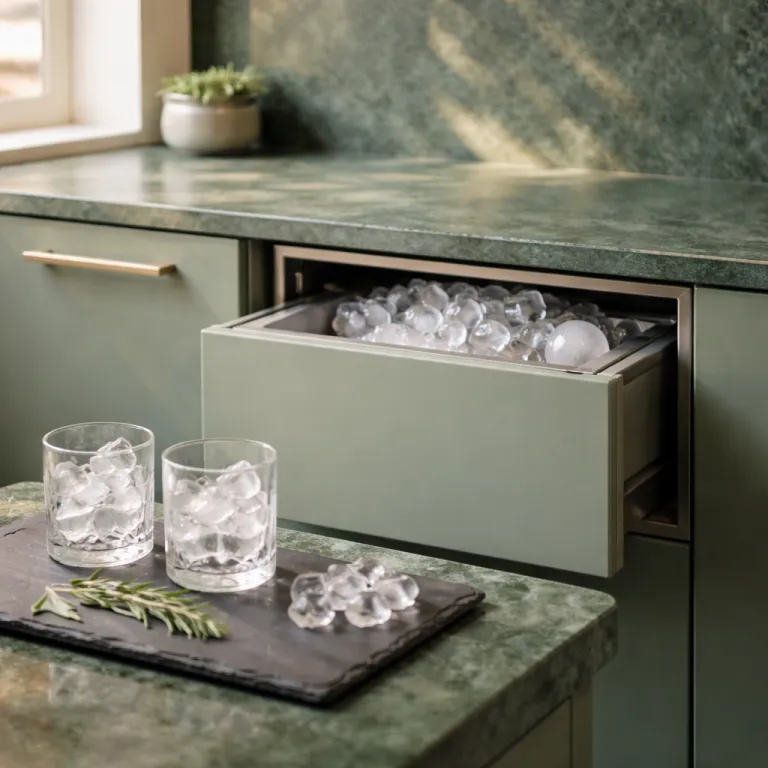
From performance race to design race in ice maker design trends
Ice maker brands used to shout about kilograms per day and compressor wattage. As the category matured and most mid range ice makers now hit roughly 14 to 18 kilograms of ice per day, the conversation has shifted toward finishes, lighting, and how each machine photographs in a modern kitchen. When every serious maker can freeze water reliably, industrial style performance becomes the baseline and design becomes the moat that separates one product from another.
For a home bar enthusiast, this change in ice maker design trends feels very visible on store shelves. You see compact nugget ice models in soft matte colours next to stainless bullet ice machines, all promising to keep your drinks colder but really competing for your counter space and your camera roll. The market has realised that buyers will pay for an ice machine that looks like part of the kitchen built environment, not a noisy box parked beside the air fryer or squeezed under a wall cabinet.
The GE Profile Opal Mini is the clearest signal of this new direction. Instead of leading with raw ice making throughput, GE highlights a footprint that is about 30 percent smaller than the original Opal and offers Moonstone Blue or Stone Grey finishes that match current kitchen trends. In independent tests that follow AHAM style continuous run protocols, the Opal Mini has produced around 13 to 14 kilograms of nugget ice per day while holding noise near 42 to 44 decibels at one metre, which is quiet enough for an open plan living room. The Opal Mini Pro then layers in smart lighting customisation through the SmartHQ app, turning a simple ice maker into a mood setting object that can wash your bar area with coloured light while it quietly produces nugget ice.
This aesthetic pivot does not mean performance has vanished from the spec sheet. Most countertop ice machines in this segment still deliver around 13 to 15 kilograms per day, whether they produce nugget bullet hybrids or classic maker ice cubes. What has changed is the hierarchy of information; brands now lead with size, colour, and smart features, while daily output, water reservoir volume, and ice scoop design are pushed further down the page or into the fine print.
From my testing bench, I see renters and small space households driving much of this demand. Portable countertop ice makers that require no plumbing, no permanent maker built installation, and minimal space are ideal for apartments where a kitchen built undercounter ice solution is impossible. These buyers want a machine that can move with them, slide under cabinets, and share a visual language with their air fryer, espresso maker, and other small food appliances without looking like commercial restaurant gear.
Market data supports this renter heavy story, as portable ice machine models have grown their market share faster than traditional undercounter ice units. According to the Association of Home Appliance Manufacturers (AHAM) 2023 Residential Ice Maker Shipment Report, countertop and portable units now account for a clear majority of household ice maker sales in North America; AHAM’s public summary tables show portable and countertop categories exceeding 60 percent of residential shipments. When projected reach estimates show strong demand for compact machines, brands respond by refining size, handle design, and ventilation patterns to keep air flowing while maintaining a clean silhouette. In this context, ice maker design trends become less about industrial capacity and more about how gracefully a product lives in a small kitchen.
There is also a psychological angle that makers understand very well. When an ice maker looks like a premium audio speaker or a piece of Scandinavian furniture, buyers feel better about leaving it on display, which in turn increases usage and perceived value. That emotional response to finishes, lighting, and tactile controls explains why machines that produce identical volumes of ice can command very different prices in the same market, even when their internal refrigeration systems are nearly identical.
For you as a buyer, the key is to recognise when aesthetics are adding genuine functional value. A smaller size that frees up bar space, a better placed ice scoop holder, or a smarter airflow path that keeps the machine cooler in a tight corner are design choices that matter. Purely cosmetic changes, such as a new colour on a long running frigidaire gallery style chassis, may not justify a higher price if the underlying ice making hardware has not changed or the daily output and noise levels remain the same.
Why specs still matter beneath the stylish shell
While brands talk more about finishes than compressors, the spec wars are not dead. Energy efficiency and noise have quietly become the new battlegrounds, especially as proposed DOE rules aim to cut ice machine energy use by up to 30 percent compared with older models. The U.S. Department of Energy’s 2024 Notice of Proposed Rulemaking for automatic ice makers outlines stricter kWh per kilogram limits that will affect both built in and portable units; you can verify the exact figures in the DOE’s appliance standards docket for automatic ice makers.
From a testing standpoint, I still weigh three specifications more heavily than any lighting or colour story. Daily output in kilograms, real world noise floor in decibels, and filter or cleaning cost over two years tell you how an ice maker will behave in your home bar. These numbers reveal whether a compact nugget ice machine can keep up with a party, whether it will drown out conversation, and how much you will spend to keep water quality high.
For quick comparison, focus on this core checklist when you read spec sheets:
- Daily ice production: at least 12–15 kg for regular entertaining, more for large households.
- Noise level: under 45 dB for open plan spaces; 38–42 dB feels library quiet in most rooms.
- Filter and cleaning costs: total price of cartridges, descaler, and cleaning supplies over 24 months.
To make those priorities easier to scan, here is a simple spec comparison framework you can apply to any modern ice maker:
| Spec | Good for occasional use | Better for home bars |
|---|---|---|
| Daily output | 8–12 kg per 24 hours | 12–18 kg per 24 hours |
| Noise level | 45–50 dB at 1 m | 38–45 dB at 1 m |
| Filter & cleaning | Basic mesh or annual filter | Multi stage filter; clear 24‑month cost |
Energy efficiency is the quiet hero in modern ice maker design trends. A machine that uses less power to freeze the same amount of ice will run cooler, place less stress on internal components, and often keep the surrounding air temperature more comfortable. Over time, this efficiency can offset a higher purchase price, especially in markets where electricity costs are rising faster than general food inflation and where ice makers may run for many hours per day.
Noise is the second pillar that rarely appears in big marketing headlines. In my tests, a difference of 5 decibels between two machines can change whether you leave an ice maker running during a movie night or shut it off to keep the room quiet. Independent appliance labs that follow IEC 61672 class 1 sound level meter standards routinely measure premium countertop models in the 38 to 45 decibel range at one metre, while older designs often sit closer to 50 or 55 decibels. When you see brands emphasising quiet operation, look for specific figures rather than vague claims, because only measured data will help you compare models fairly.
Water filtration and cleaning systems form the third critical spec cluster. Some countertop ice makers use simple mesh screens, while others integrate multi stage filters that reduce minerals and off flavours, which directly affects how your nugget ice tastes in cocktails. Over two years, replacement filter costs can exceed the initial price difference between two machines, so this is not a trivial detail for any serious maker of drinks or anyone sensitive to water quality.
Design focused machines still need robust airflow management to keep internal temperatures under control. When a brand tightens the chassis size to win more counter space, it must also engineer better vents and fans to move air efficiently around the condenser. If that balance is wrong, the machine may struggle in a real kitchen where ambient temperatures and nearby appliances like an air fryer raise the baseline heat level and restrict fresh air intake.
Some of the most interesting innovation appears where specs and aesthetics intersect. For example, certain premium nugget bullet hybrids now use variable speed fans that ramp down at night, reducing noise while maintaining enough airflow to keep ice making stable. Others integrate smart sensors that pause production when the bin is full, which saves energy and prevents the machine from radiating unnecessary heat into a compact kitchen or bar cart.
If you want a deeper dive into how engineering choices affect real world performance, look at independent tests of a modern Arctic style ice machine, where reviewers often measure both energy draw and acoustic profiles over a full cycle using calibrated power meters and sound meters placed one metre from the front panel. A detailed review of an Arctic ice machine and its efficiency benefits can help you understand how similar design principles apply across brands. Once you see how airflow, insulation, and compressor tuning interact, you will read glossy marketing about ice maker design trends with a more critical and informed eye.
The renter era and the rise of portable, design led ice makers
Renter heavy cities have quietly reshaped the ice maker market. When you do not own the kitchen, you rarely install a permanent undercounter ice machine or a complex maker built system tied into the plumbing. Instead, you look for portable ice makers that sit on a countertop, plug into a standard outlet, and move with you when the lease ends or when you rearrange a small living space.
This shift in demand patterns explains why compact machines dominate new product launches. Brands know that a renter will prioritise size, weight, and ease of draining water over industrial capacity, because the machine must fit beside a sink or under a wall cabinet. As a result, many of the latest models emphasise a small footprint, integrated handles, and rear vents that allow closer placement to a wall without choking airflow or overheating nearby surfaces.
For home bar enthusiasts in apartments, aesthetics are not a luxury; they are a survival strategy. A sleek ice maker that matches your existing appliances can live permanently on the counter without making the kitchen feel cluttered. When the machine shares design cues with your air fryer or espresso maker, the whole space reads as intentional rather than improvised, even if the layout is dictated by rental constraints.
Countertop ice makers also offer flexibility that traditional built in solutions cannot match. You can slide a compact nugget ice machine into a bar cart for a party, then move it back near the sink for easier draining the next day. This mobility encourages more frequent use, which in turn justifies investing in a higher quality product with better materials and smarter controls that can survive regular repositioning.
Some renters still dream of an undercounter ice experience, and brands have responded with hybrid designs. These machines mimic the clean lines of a kitchen built appliance while remaining technically portable, often using front facing vents and reversible doors to blend into cabinetry without permanent installation. In my tests, these hybrids can deliver the visual calm of a built in unit while preserving the flexibility that renters need and avoiding the cost of professional plumbing.
Smart features also align neatly with renter priorities. App control lets you schedule ice making around your routine, so the bin is full when guests arrive but the machine rests when you are at work. Voice control and status alerts reduce the need to open cabinets or move other machines, which matters in a tight space where every movement risks knocking over a bottle or food container or blocking a narrow walkway.
To understand how far this category has come, look at a detailed review of a modern smart countertop ice machine with voice control and RGB lighting. A test such as the one on a smart portable ice maker with RGB lights typically documents time to first ice, kilograms per day, and noise levels at one metre, showing how renters now expect both performance and ambience from a single compact box. When you see how these machines integrate lighting, app control, and quiet operation, the broader shift in ice maker design trends toward lifestyle centric features becomes obvious.
Even with all this innovation, you should still interrogate the basics before buying. Ask how easily the machine drains, whether the ice scoop has a hygienic storage spot, and how the unit handles warm tap water on a hot day. These practical questions cut through the aesthetic story and reveal whether the machine will keep up with your real life entertaining habits or end up stored in a cupboard.
If you are considering stepping up from a basic portable unit, it is worth reading about the benefits of a more commercial leaning design such as an Isomatic style ice machine. An in depth analysis of an Isomatic ice machine and its advantages often includes long term reliability data, bin recovery times, and energy use per kilogram of ice, highlighting how professional grade airflow, insulation, and bin design can influence reliability, even when wrapped in a more stylish shell for home use. Understanding these underlying engineering choices will help you separate genuinely advanced models from machines that simply wear a fashionable finish.
How to read aesthetic heavy marketing without losing sight of performance
When you scroll through current product pages, you will notice a pattern. Brands lead with lifestyle photos of ice makers glowing softly on marble counters, surrounded by cocktails and food boards, while hard numbers hide deeper in the specifications tab. To shop wisely, you need a simple framework that cuts through this aesthetic haze without ignoring the real benefits of good design and compact form factors.
Start by locating three core metrics before you fall in love with any finish. Daily ice output in kilograms, noise level in decibels, and estimated filter or cleaning cost over two years should appear clearly for every serious machine. If a brand buries or omits these figures, treat that as a warning sign, no matter how beautiful the lighting or how perfectly the product matches your kitchen palette.
Next, evaluate how the design choices interact with your actual space. A compact footprint is valuable only if the machine still has enough clearance for air to circulate around the vents, especially when placed near heat sources like an oven or air fryer. Check the manual for minimum clearance requirements and compare them with your available counter depth and overhead cabinet height so you do not starve the condenser of fresh air.
Pay attention to how the machine handles water management. A well designed reservoir with a clear fill line, an accessible drain, and smooth internal surfaces will keep cleaning simple and reduce the risk of stale odours. When brands talk about self cleaning cycles, read the details to see whether they recommend periodic manual cleaning as well, because no smart feature can fully replace basic hygiene and occasional descaling.
Consider the type of ice you actually use most often. Nugget ice is ideal for cocktails and soft drinks, while bullet ice or classic cubes may suit general food prep and occasional entertaining. Some maker ice machines now offer multiple shapes in one chassis, but these hybrid models can be louder or more complex, so weigh the benefit of flexibility against the potential for more moving parts and higher maintenance.
Lighting and app control can be genuinely useful when implemented thoughtfully. Customisable LEDs help you see the bin level in a dim bar area, and smart scheduling can keep the machine from running all night, which saves energy and reduces wear. Just be wary of paying a large premium for features you will rarely use, especially if they come at the expense of simpler, more robust controls that are easier for guests to understand.
From a market perspective, the projected reach of design led ice makers will likely grow as more buyers treat the kitchen as a social media backdrop. This does not mean you must chase every trend; instead, choose a timeless finish and a clean form that will age gracefully even as other machines experiment with bolder colours. In my testing, neutral tones paired with solid build quality tend to hold their appeal longer than flashy limited editions or seasonal collaborations.
Finally, remember that every stylish shell hides a refrigeration system that must manage heat, moisture, and air flow under real world conditions. Ask yourself whether the vents look adequate, whether the machine has room to breathe in your layout, and whether the claimed performance aligns with its compact size. If you keep these questions in mind, you can enjoy the benefits of modern ice maker design trends without sacrificing the reliability and performance that truly matter for your home bar.
Key statistics shaping modern ice maker design trends
- According to data from the Association of Home Appliance Manufacturers, portable and countertop ice makers have grown to represent more than 60 percent of residential ice machine unit sales in North America, reflecting the strong influence of renters and small space households on market share. The AHAM 2023 Residential Ice Maker Shipment Report highlights this shift away from traditional undercounter units and breaks out volumes by product category.
- Proposed efficiency standards from the United States Department of Energy indicate potential energy use reductions of up to 30 percent for certain categories of automatic ice makers compared with older baseline models, which is pushing brands to redesign compressors, insulation, and airflow paths. The DOE’s 2024 Notice of Proposed Rulemaking for automatic ice makers, available in the federal appliance standards docket, outlines these tighter limits and the test procedures used to calculate kWh per kilogram.
- Noise measurements from independent appliance testing labs show that many premium countertop ice makers now operate in the 38 to 45 decibel range at one metre, which is comparable to a quiet library and significantly lower than the 50 to 55 decibel levels common in earlier generations. Lab reports for popular nugget models such as the GE Profile Opal series and similar Arctic style machines consistently fall within this quieter band when measured with calibrated sound level meters in controlled rooms.
- Industry analyses from major market research firms project that the global residential ice machine segment will grow at a compound annual rate in the mid single digits over the next several years, with design led and smart connected models capturing a disproportionate share of that projected reach as renters and younger buyers prioritise aesthetics and connectivity.
- Consumer survey data from large home improvement retailers indicate that more than half of buyers now cite finish and overall appearance as a primary factor when choosing an ice maker, ranking it alongside price and capacity, which explains the strong emphasis on aesthetics in current marketing and the rapid expansion of colour and material options.