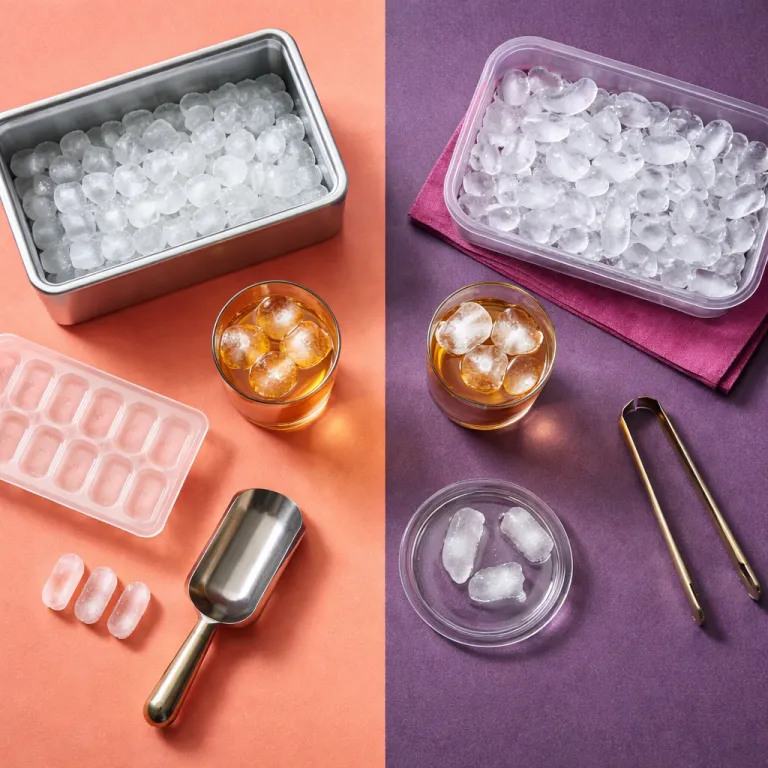
Bullet ice vs crescent ice: what each shape really is
When you compare bullet ice vs crescent ice, you are comparing two very different tools. A bullet ice maker freezes water around metal prongs, creating hollow ice cubes shaped like short cylinders with one rounded, open tip. That bullet shape gives plenty of surface area for fast chilling, but it also encourages a quicker melt in still drinks.
Crescent ice comes from many built in fridge machines and undercounter ice makers, where a curved mold fills and then twists to release each cube. The crescent shape looks like a half moon, with one flat side and one rounded side, so these ice cubes tend to bridge together in the bin and stack neatly in tall drinks. When you evaluate these two types of shaped ice, you are really choosing how your cocktails, soft drinks and water will behave in the glass.
Both bullet and crescent types of ice are technically cube ice, even if the ice cube does not look like a perfect square. For buyers comparing one ice machine to another, the visible ice shape is as important as the quoted production rate or storage capacity. If you care about gourmet ice, nugget ice or flake ice for specific cocktails, you should still start by understanding how these two mainstream shapes perform in everyday drinks.
Surface area, melt rate and why shape changes your drink
Every ice cube is a heat exchange tool, and surface area is the key variable that controls how fast it chills and how fast it dilutes. Bullet ice has more exposed surface area than crescent ice of the same mass, so in a shaker it pulls heat from cocktails or soft drinks very quickly. That same geometry means the melt rate in a still drink is higher, especially when the drink is mostly water or low proof spirits.
Crescent ice cubes usually have a denser core and less exposed surface area, so they melt more slowly in a highball or spirit forward drink. When you compare bullet ice vs crescent ice in a tall glass, the crescent cubes tend to lock together and create channels where liquid flows without constantly tumbling the ice. That behavior keeps the melt rate moderate, which is ideal when you want a long drink to stay cold without turning watery.
For buyers looking at freestanding ice machines, this is where spec sheets rarely tell the full story. A compact ice maker that produces bullet ice might list an impressive kilograms per day rate, yet still leave you with over diluted cocktails if you sip slowly. Before you shortlist the best ice machine for your bar cart, think about how you actually drink and how much dilution you enjoy in your favourite type of drink.
For a deeper dive into how different freestanding ice makers handle production and storage, you can review this guide to top freestanding ice makers and then map those models to the ice shape you prefer.
Dilution in real cocktails: highballs, rocks pours and stirred drinks
When I test bullet ice vs crescent ice, I always start with three classic scenarios. In a highball with plenty of water and carbonation, bullet ice fills the glass with many small contact points, so the drink chills fast but the cubes shrink noticeably within a few minutes. Crescent ice cubes, by contrast, stack vertically and create a more stable column, which slows the melt rate and keeps the drink crisp for longer.
On a single large rocks pour, such as whisky or aged rum, crescent ice behaves closer to a small block, because the cube ice pieces nest together and reduce exposed surface area. That makes crescent ice better for spirit forward drinks where you want slow dilution and a clear flavour arc over twenty to thirty minutes. Bullet ice in the same glass will tumble more as you sip, exposing fresh ice surface and pushing more water into the drink earlier.
In a stirred cocktail like a Negroni or Manhattan, the choice between these two types of ice changes both texture and timing. Bullet ice accelerates chilling in the mixing glass, so you reach serving temperature quickly but risk overshooting your target dilution if you stir for too long. Crescent ice gives you a slightly wider timing window, which many home bartenders appreciate when they are still learning how different ice machines and ice makers behave.
If you are pairing a new refrigerator with a bar setup, it is worth reading a detailed guide to a typical crescent style system such as this Maytag refrigerator ice maker overview, then comparing that experience with a dedicated bullet ice machine on your counter.
Stacking, storage and how ice behaves in the bin overnight
Ice quality does not stop at the moment the cubes drop from the ice maker into the bin. Bullet ice tends to roll and tumble in the storage compartment, so the ice cubes settle loosely and leave more air gaps between each ice cube. Those gaps allow warm air to circulate, which slightly increases the melt rate and leads to more fused clumps if the machine cycles on and off overnight.
Crescent ice behaves differently in most ice machines, because the flat side of each cube encourages stacking and bridging. In a full bin, crescent ice cubes often interlock into a semi solid mass that melts slowly from the top while the ice machine waits for the level to drop. That structure is helpful for commercial ice applications where you want stable storage, but at home it can mean you need to break apart the shaped ice before loading it into a scoop.
For portable ice makers and compact ice machines used in RVs or small kitchens, bullet ice is usually more forgiving. The rounded bullet shape resists cracking when you move the bin, and the lighter pieces are easier to pour into water bottles or shaker tins without splashing. If you are considering a battery powered ice machine for travel or outdoor use, this hands on test of a portable RV ice maker shows how bullet ice performs when power and storage are limited.
In my own long term testing, I find that both types of ice benefit from a quick break up before service. A firm tap with a bar spoon or scoop separates cube ice, whether it is bullet ice, crescent ice or even half dice from a commercial ice machine. That simple habit keeps the ice shape consistent and helps every drink chill predictably.
Where each shape shines: matching ice to drinks and machines
Choosing between bullet ice vs crescent ice is easier when you map each shape to specific drinks and machines. Bullet ice works beautifully for everyday water, juice and family drinks, because the small cubes slip easily into narrow bottle openings and kid cups. The fast chilling and higher melt rate are actually helpful when you want a drink to soften quickly for casual sipping.
Crescent ice is the better partner for spirit forward cocktails, long highballs and any drink where clarity and structure matter. The curved cube ice pieces look clean in the glass, and the slower melt rate keeps flavours focused while you enjoy the drink over time. Many undercounter ice makers and built in ice machines use crescent molds precisely because this type of ice balances efficiency, quiet operation and attractive shaped ice.
If you are a cocktail hobbyist who also loves nugget ice or flake ice for tiki drinks and frozen style cocktails, think of bullet and crescent as your everyday workhorses. Nugget ice, sometimes called chewable nugget ice, is fantastic for swizzles and cobblers but melts extremely fast in spirit forward drinks. Flake ice is ideal for crushed beds and seafood displays, while gourmet ice and large clear cube ice are reserved for showpiece pours where one large ice cube with minimal surface area controls dilution.
In that context, bullet ice and crescent ice sit in the middle of the spectrum. They are the types of ice you will use most often, even if you occasionally reach for half dice, commercial ice or specialty shaped ice molds. Matching your primary ice maker or ice machine to your favourite type of drink will do more for your home bar than chasing the single best rated model on paper.
What this debate is not about: nugget, clear cubes and specialty shapes
Many buyers arrive at the bullet ice vs crescent ice question after seeing social media posts about nugget ice or crystal clear cube ice. Nugget ice has a completely different structure, made from compressed flake ice that traps tiny air pockets and delivers a soft, chewable texture. That texture is wonderful in tall drinks and mocktails, but the high surface area and porous structure create the fastest melt rate of any common type of ice.
Clear gourmet ice and large cube ice blocks sit at the opposite end of the spectrum. These ice cubes are usually made in dedicated ice machines or directional freezing molds that push impurities and air out of the final ice cube. With very low surface area relative to volume, this type of ice melts slowly and is reserved for premium cocktails where you want the drink to stay cold and strong for a long time.
Half dice cubes and other commercial ice formats occupy the middle ground, offering predictable performance for bars that serve many types of drink. For a home buyer choosing a single ice maker, though, the practical decision usually comes down to bullet ice, crescent ice or occasionally nugget ice. Once you understand how each ice shape affects water, cocktails and soft drinks, you can decide whether you want fast chilling and more dilution or slower chilling with a more controlled melt curve.
Remember that any ice machine, from compact countertop units to larger commercial ice makers, is only as good as the water you feed it. Filtered water reduces cloudiness in shaped ice and helps every type of ice, from bullet to crescent to flake, perform closer to its design potential. That is why serious home bartenders treat their ice as an ingredient, not an afterthought.
Practical buying checklist for bullet and crescent ice makers
When you stand in front of two similar ice makers, use the ice shape as your first filter. If you mostly drink sparkling water, juice and casual mixed drinks, a bullet ice maker will give you quick chilling and easy to handle cubes. For households that love long whisky pours, stirred cocktails and slow sipping, a crescent style ice machine will usually feel closer to bar quality.
Next, compare the stated production rate and storage capacity against your real habits. A compact machine that produces several kilograms of bullet ice per day might be perfect for a couple, while a larger family or frequent host will benefit from a higher capacity crescent ice machine. Pay attention to noise levels as well, because many crescent based ice machines run quieter than aggressive bullet style ice makers that cycle rapidly.
Finally, think about how your chosen type of ice fits with any future upgrades. If you plan to add a small commercial ice unit for gourmet ice or a dedicated nugget ice machine for tiki nights, you might lean toward a reliable crescent ice source for everyday use. If counter space is tight and you want one flexible solution, a well built bullet ice maker that produces consistent cube ice and shaped ice variations can anchor your setup while you experiment with molds for specialty cubes.
Key figures on ice shapes, dilution and machine performance
- Laboratory tests published by the Beverage Testing Institute show that smaller ice cubes with higher surface area can chill a 150 millilitre cocktail to serving temperature in under 30 seconds, while larger low surface area cubes may take closer to 60 seconds under identical stirring conditions.
- Independent bar studies report that highball drinks served over dense crescent style cube ice can retain acceptable carbonation for up to 20 percent longer than the same drinks served over porous nugget ice, mainly due to slower melt and reduced agitation.
- Field data from commercial ice machine manufacturers indicate that bullet style countertop ice makers often list production capacities between 10 and 15 kilograms per day, whereas undercounter crescent ice machines for home use commonly range from 20 to 30 kilograms per day.
- Consumer surveys from major appliance retailers show that more than half of buyers who upgraded from fridge based crescent ice to dedicated gourmet cube ice cited improved control over dilution as the primary benefit, rather than aesthetics alone.
FAQ about bullet ice vs crescent ice
Which is better for cocktails, bullet ice or crescent ice ?
For shaken cocktails and quick service, bullet ice is often better because the higher surface area chills the drink rapidly. For spirit forward or slow sipping cocktails, crescent ice usually wins thanks to its slower melt rate and more stable structure in the glass. Many home bartenders use bullet ice for mixing and crescent ice or larger cubes for serving.
Does bullet ice really melt faster than crescent ice ?
In most real world tests, bullet ice melts faster than crescent ice of the same mass, especially in still drinks. The hollow tip and rounded shape expose more surface area to the liquid, which accelerates heat transfer and dilution. Crescent cubes behave more like compact blocks, so they hold their size longer in tall drinks and rocks pours.
Are bullet ice makers louder than crescent ice machines ?
Many countertop bullet ice makers are slightly louder than built in crescent ice machines, because they cycle more frequently and use small fans for rapid freezing. Undercounter crescent systems often benefit from better insulation and more stable compressors, which keeps operating noise lower. Always check decibel ratings and user reviews, because individual models vary widely.
Can one ice maker produce both bullet and crescent ice shapes ?
Most consumer ice makers are designed for a single primary ice shape, so a bullet ice maker will not usually switch to crescent ice. Some modular commercial ice machines allow different heads or molds, but those systems are rare in home settings. If you want multiple shapes, you may combine one main machine with silicone molds or a secondary specialty unit.
How does nugget ice compare to bullet and crescent ice ?
Nugget ice is made from compressed flake ice and has a soft, chewable texture that people love in sodas and tiki style drinks. Compared with bullet and crescent ice, nugget ice has much higher surface area and a faster melt rate, so it is not ideal for spirit forward cocktails. Many enthusiasts keep nugget ice for fun, then rely on bullet or crescent cubes for serious mixing and serving.