

Understanding the capacity of a 100 lb ice maker
What Does 100 Pounds of Ice Mean for Your Business?
When you see a commercial ice maker or ice machine advertised as a "100 lb ice maker," it refers to the maximum amount of ice the product can produce in a 24-hour period. This capacity is crucial for businesses like restaurants, bars, hotels, or even offices in the United States that need a steady supply of ice throughout the day. Whether you need cube ice, nugget ice, or full cube style, understanding this production rate helps you match the machine to your daily demand.
How Much Ice Is Enough?
To put it in perspective, 100 lbs of ice is typically enough for small to medium-sized venues or as a backup for larger operations. The actual amount of usable ice at any given time depends on the bin or storage capacity. Some freestanding commercial ice machines or undercounter ice makers can store less than they produce, so you’ll want to check both the production and storage specs before making a decision. If you’re considering a cooled undercounter option or a stainless steel model, make sure the bin size aligns with your peak usage times.
Production Rate and Real-World Use
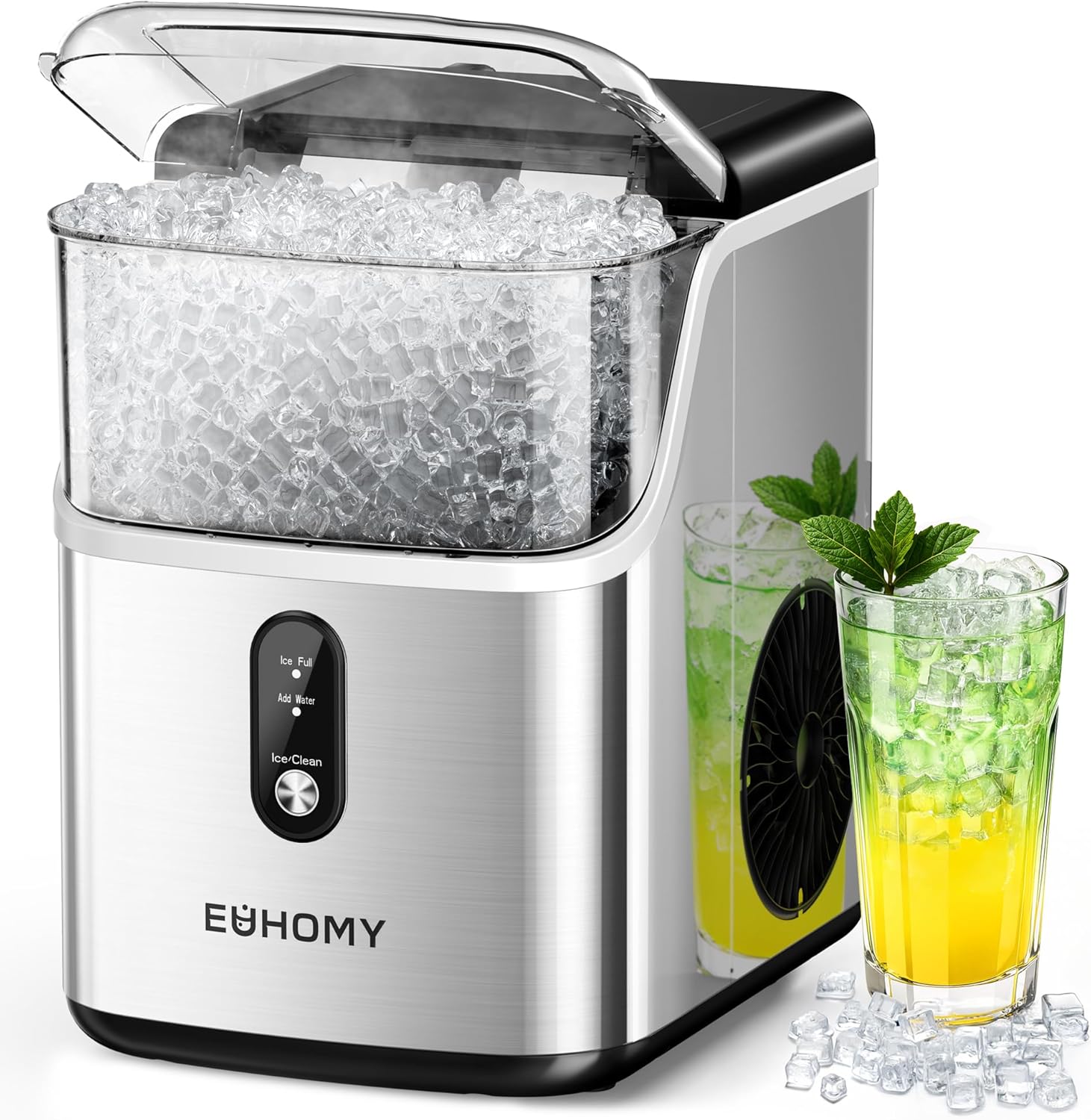
Keep in mind that the 100 lbs figure is based on ideal conditions—air cooled, proper installation, and regular maintenance. Factors like ambient air temperature, water temperature, and how often you empty the bin can affect actual ice production. Some machines, like the Euhomy commercial ice maker, are designed to maintain consistent output even in demanding environments, but it’s always smart to plan for a little less than the maximum rated output.
Cost and Value Considerations
The price of a 100 lb ice maker varies depending on features like stainless steel construction, air cooled systems, and whether the machine is undercounter or freestanding. While the regular price might seem high, consider the long-term value: a reliable ice maker machine can serve you for years with proper care. Shipping times and customer service quality can also impact your buying decision, especially if you need the product within a few working days.
- Check if the machine offers free shipping or special options for commercial buyers
- Compare the storage capacity with your peak demand
- Look for models with good customer service and warranty support
For more on how different types of ice machines can benefit your business, explore this guide on the benefits of a snow ice making machine.
Key features to look for in a 100 lb ice maker
Essential Elements for a Reliable 100 lb Ice Maker
When you’re considering a 100 lb ice maker, focusing on the right features can make a big difference in daily use and long-term satisfaction. Whether you need a commercial ice machine for a restaurant, bar, or office, or you’re looking for a freestanding commercial product for events, the right features help ensure you get the most value for your investment.
- Ice Production Rate: The machine should consistently produce 100 lbs of ice within 24 hours. Check if the product maintains this output even during peak times or in warmer environments.
- Storage Capacity: The bin size is crucial. Some ice makers can produce 100 lbs but only store a fraction of that at once. Consider your daily ice needs and how often you’ll be able to empty the bin.
- Ice Type and Cube Style: Options include cube ice, nugget ice, and full cube. Each style has its own advantages for different drinks and uses. For example, nugget ice is popular for soft drinks, while full cube is preferred for cocktails.
- Cooling System: Air cooled undercounter models are common, but water cooled options exist. Air cooled machines are generally more energy efficient and easier to install, but may require good ventilation.
- Build Quality: Stainless steel construction is a sign of durability and easy cleaning. Look for a product that can withstand frequent use in a commercial setting.
- Installation Flexibility: Decide if you need an undercounter ice maker or a freestanding commercial unit. Undercounter ice machines save space, while freestanding models offer more flexibility in placement.
- Ease of Maintenance: Features like removable parts, self-cleaning cycles, and accessible filters make regular upkeep simpler. This is important for keeping your machine running smoothly year after year.
- Customer Service and Warranty: Reliable customer service and a solid warranty can save you time and money if issues arise. Check the manufacturer’s support reputation and warranty terms.
- Price and Shipping: Compare the regular price and shipping options. Some brands, like Euhomy, offer free shipping within the United States, which can be a significant saving.
For buyers in regions with unique ice demands, such as Maine, understanding the importance of ice in your area can help you choose the right product. Learn more about ice needs in Maine to make an informed decision.
Choosing a 100 lb ice maker with the right features ensures you get reliable ice production, efficient operation, and a machine that fits your space and budget. Keep these key points in mind as you compare models and options.
Installation considerations for a 100 lb ice maker
Space and Placement for Your Ice Maker
Before you buy a 100 lb ice maker, it’s important to think about where the machine will go. These commercial ice machines are bigger than most home units, so you’ll need enough space for the product and for air circulation. Whether you choose a freestanding commercial model or a cooled undercounter option, make sure the area is level and can support the weight of the machine, especially when the bin is full of ice cubes.
Water and Drainage Requirements
All ice makers need a reliable water supply. Check if your chosen model requires a direct water line or if it can be filled manually. Most 100 lbs ice machines, especially commercial units, also need a drain for melted ice. Some undercounter ice makers come with a built-in drain pump, but others may need a gravity drain. Confirm these details before installation to avoid surprises and extra costs.
Electrical Needs and Safety
Most 100 lb ice makers run on standard voltage, but always check the product specifications. Make sure the outlet can handle the power draw, especially for stainless steel or air cooled models. Avoid using extension cords, as they can be a safety risk and may void the warranty. If you’re unsure, a licensed electrician can help with safe installation.
Ventilation and Airflow
Proper airflow is crucial for efficient ice production. Air cooled ice machines need enough space around vents to prevent overheating. Placing the machine too close to walls or other appliances can reduce performance and lifespan. For undercounter models, look for front-venting designs if space is tight.
Shipping, Delivery, and Moving
Due to their size and weight, shipping a 100 lb ice maker can take several working days. Confirm the shipping price and delivery options before you buy. Some commercial ice machines may require special handling or installation services. Check if the seller offers free shipping or if there are extra fees for delivery to certain locations in the United States.
Installation Tips for Different Models
- Freestanding commercial ice machines: Need more floor space and easy access for maintenance.
- Undercounter ice makers: Fit under standard counters, but check height and ventilation requirements.
- Air cooled undercounter models: Require extra clearance for air intake and exhaust.
For more details on choosing the right type of ice for your needs, including nugget ice and cube style, check out this guide on crushed ice maker options.
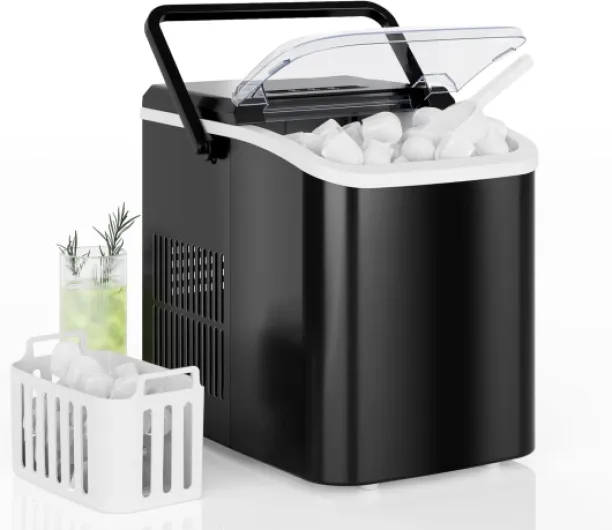
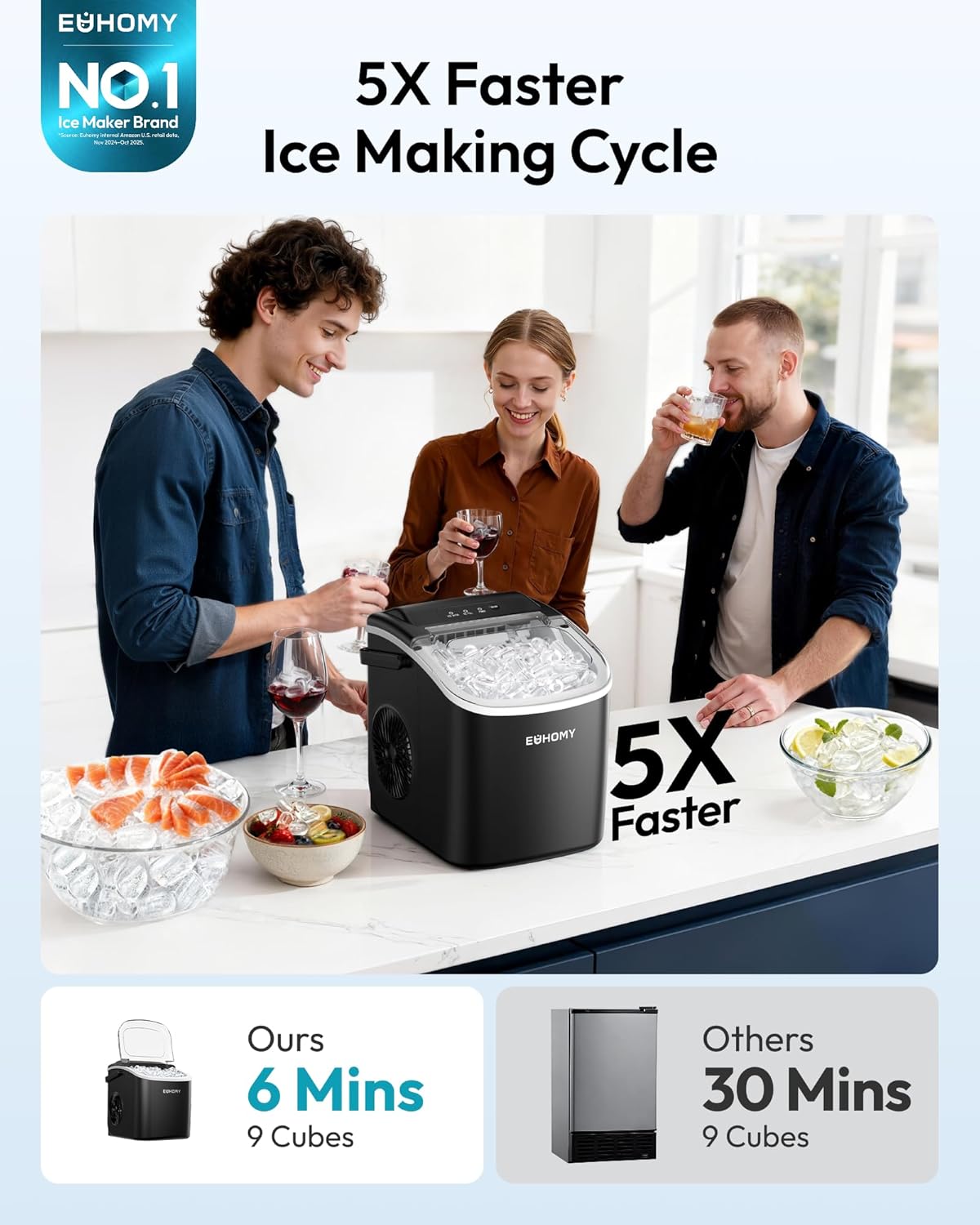
- + Fast Ice Production: 9 bullet ice cubes in just 6 minutes
- + Self-Cleaning Function: Easy maintenance
- + Portable: Ideal for home, kitchen, RV, and camping
- + Compact Design: Saves space on countertop
- + Quiet Operation: Doesn't disturb your environment

Maintenance tips to keep your 100 lb ice maker running smoothly
Routine Cleaning and Sanitizing
Keeping your 100 lb ice maker clean is essential for both performance and safety. Over time, mineral deposits and mold can build up inside the machine, especially in the bin and water lines. Regular cleaning helps maintain the quality of your ice cubes and extends the lifespan of your product. Most commercial ice machines, including air cooled and undercounter models, should be cleaned every 3 to 6 months, but heavy use may require more frequent attention.
- Use a manufacturer-approved cleaner and sanitizer for stainless steel surfaces and internal components.
- Empty the bin and discard any old ice before starting the cleaning process.
- Wipe down exterior surfaces to prevent dust and grime buildup, especially on freestanding commercial units.
Monitoring Ice Production and Storage
Check the ice production rate regularly. If your machine is not producing the expected lbs of ice per day, this could signal a problem with the water supply, air flow, or internal components. Undercounter ice makers and cooled undercounter models often have compact bins, so avoid overfilling to maintain proper air circulation and cube quality. Monitoring storage capacity ensures you always have enough ice on hand, especially during peak working days.
Filter and Water Line Maintenance
Water filters are crucial for commercial ice makers. They help prevent scale buildup and improve the taste of your ice. Replace filters as recommended by the manufacturer, usually every 6 months or after a set number of ice production cycles. Inspect water lines for leaks or blockages, as these can affect both the price of operation and the quality of your ice cubes.
Inspecting Key Components
Regularly check the condenser coils, especially on air cooled models. Dust and debris can reduce cooling efficiency, impacting the machine's ability to produce full batches of cube ice or nugget ice. For undercounter and freestanding commercial units, ensure there is adequate space around the machine for proper ventilation. This helps prevent overheating and extends the product's lifespan.
Professional Servicing and Support
Even with routine maintenance, some issues require professional attention. Many commercial ice machines come with customer service support in the United States, which can help with troubleshooting and repairs. Schedule an annual inspection with a certified technician to keep your maker machine running smoothly year after year. This is especially important for high-capacity machines that handle 100 lbs ice or more per day.
- Check your warranty and shipping options for replacement parts.
- Keep a record of maintenance dates and any service performed.
- Contact support promptly if you notice unusual noises, reduced ice output, or water leaks.
Common issues and troubleshooting for 100 lb ice makers
Identifying Performance Problems
Even the best 100 lb ice maker can face issues over time. If your machine is not producing the expected lbs of ice, check the water supply first. A clogged filter or low water pressure can reduce ice production and affect cube quality. For air cooled models, make sure the vents are free from dust and debris, as blocked airflow can cause overheating and slow down the ice making process.
Addressing Ice Quality Concerns
Commercial ice makers are designed to deliver clear, full cubes or nugget ice, depending on the product type. If you notice cloudy or misshapen cubes, it may be time to clean the machine or replace the filter. Stainless steel interiors and exteriors are easier to keep clean, which helps maintain ice quality. Regular cleaning also prevents unpleasant odors and ensures your ice bin stays sanitary.
Dealing with Storage and Dispensing Issues
If your undercounter ice maker or freestanding commercial unit is not dispensing ice properly, check the bin for jams. Sometimes, ice can clump together if left unused for several hours. Break up any clumps and ensure the bin is not overfilled. For models with automatic dispensers, inspect the mechanism for blockages or wear.
Understanding Error Codes and Alarms
Many modern ice machines feature digital displays that show error codes. Refer to your product manual for specific meanings. Common alerts include water supply errors, full bin notifications, or temperature warnings. Addressing these promptly can prevent downtime and protect your investment.
When to Contact Customer Service
- If your machine stops producing ice entirely, despite troubleshooting basic issues, it may require professional repair.
- Warranty coverage often includes support for major components within the first year. Keep your purchase and shipping records handy for faster service.
- For persistent problems with ice production, storage capacity, or air cooled systems, reach out to the manufacturer’s customer service team. They can provide guidance or recommend authorized repair options in the United States.
Quick Troubleshooting Table
| Issue | Possible Cause | Solution |
|---|---|---|
| Low ice output | Clogged filter, low water pressure, dirty condenser | Clean or replace filter, check water line, clean condenser |
| Cloudy or soft cubes | Dirty machine, old filter | Clean machine, replace filter |
| Ice not dispensing | Ice clumping, jammed dispenser | Break up ice, clear dispenser |
| Error code displayed | Varies by model | Check manual, contact support if needed |
Staying proactive with maintenance and troubleshooting helps ensure your 100 lb ice maker delivers reliable ice production, whether you choose a cooled undercounter, freestanding commercial, or undercounter ice machine. Regular attention can also help you get the most value for the regular price you pay for your maker machine.
Comparing popular 100 lb ice maker models
Comparing Performance and Features
When choosing a 100 lb ice maker, it's important to compare how different machines handle ice production, storage capacity, and overall reliability. Commercial ice makers in this category are designed to produce up to 100 lbs of ice per day, but the type of ice (cube, nugget, or full cube) and the speed at which it’s made can vary. Some models focus on air cooled systems, which are energy efficient and suitable for most environments, while others offer water cooled or undercounter options for specific needs.Popular 100 lb Ice Maker Models
Below is a comparison table of some well-known 100 lb ice maker machines, highlighting their key specs and features:| Product | Ice Type | Storage Bin Capacity | Cooling System | Stainless Steel | Freestanding/Undercounter | Regular Price (USD) | Shipping Time |
|---|---|---|---|---|---|---|---|
| Euhomy Commercial Ice Maker | Full Cube | 33 lbs | Air Cooled | Yes | Freestanding Commercial | $650 | 3-7 working days |
| Undercounter Ice Machine 100 lbs | Cube Ice | 28 lbs | Air Cooled | Yes | Undercounter | $900 | 5-10 working days |
| Stainless Steel Nugget Ice Maker | Nugget Ice | 26 lbs | Air Cooled | Yes | Freestanding | $1,200 | 7-14 working days |
What to Consider When Comparing Models
- Ice Production: Check if the machine consistently produces close to 100 lbs of ice per day, especially during peak times.
- Storage Bin: A larger bin means more ice is available when you need it, but also consider your space and usage needs.
- Cooling System: Air cooled machines are more common and easier to install, while water cooled options may be better for hot environments.
- Installation: Freestanding commercial models offer flexibility, while undercounter ice machines save space in tight areas.
- Material: Stainless steel construction is preferred for durability and easy cleaning.
- Price and Shipping: Compare regular price and shipping time, as these can affect your total investment and when you can start using your new ice maker.
- Customer Service: Reliable support is important for troubleshooting and warranty issues throughout the year.