

Understanding different kinds of ice for everyday drinks
Choosing between the different kinds of ice is the first real decision an ice maker buyer must make. Each type ice changes how water freezes, how it will melt, and how your drinks finally taste in the glass. When you compare different types, you quickly see that shape, size, and melt rate matter more than most people expect.
In home kitchens and restaurants bars, the main types ice are cubes, half dice, full dice, flake ice, nugget ice, crescent ice, and gourmet ice. Every type ice has a specific cooling performance, a different melt rate, and a distinct mouthfeel that suits soft drinks, mixed drinks, or even blended drinks. When you understand these types and their behavior in ice water or alcohol, you can match the right ice machines to your real needs instead of guessing.
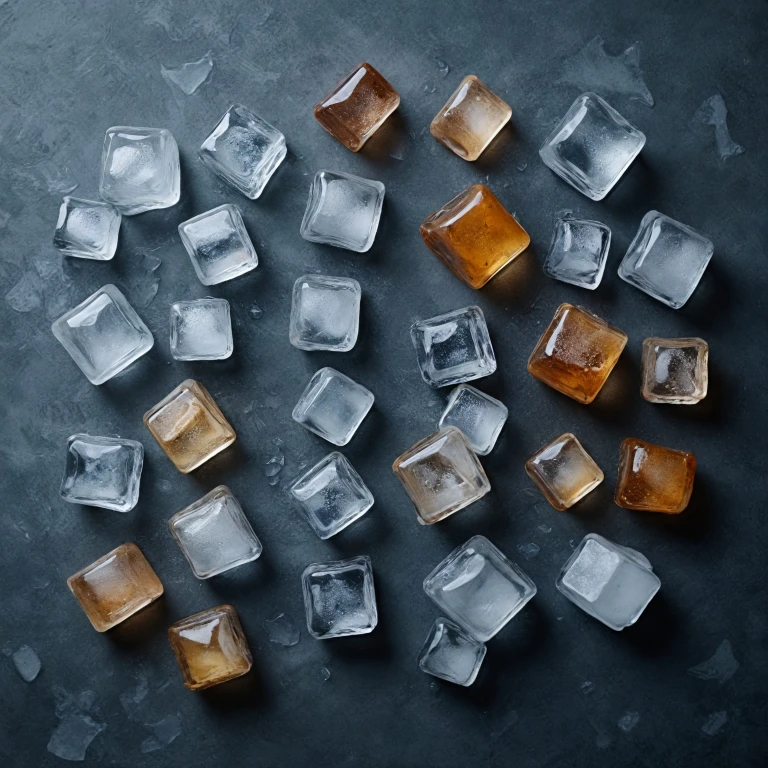
Standard dice cubes from a typical ice machine are versatile and solid, giving reliable cooling for most drinks. Half dice cubes chill soft drinks and spirits quickly, but they melt faster and dilute more, which can be ideal for fast service in busy bars or convenience stores. Full dice cubes are larger and more solid, so they cool steadily and keep the melt rate slow for premium spirits and long drinks.
Gourmet ice and other specialty shapes are designed for high end cocktails and tasting menus. This gourmet ice is usually very clear, very solid, and cut to a precise shape that keeps the melt rate slow while looking elegant in the glass. When you compare these different kinds of ice side by side, the link between ice, water, cooling, and flavor becomes impossible to ignore.
How ice shape and size change melt rate and drink quality
The shape of ice directly controls how fast it will melt in water or spirits. Larger, more solid cubes have less surface area relative to their volume, so they cool drinks while keeping the melt rate slow and the flavor concentrated. Smaller pieces, such as half dice or nugget ice, cool quickly but melt faster, which can be ideal when rapid cooling matters more than dilution.
For commercial ice applications in restaurants and bars, the balance between cooling speed and melting speed is critical. In high turnover environments, staff often prefer half dice or crescent ice because these types ice release cold quickly into soft drinks and mixed drinks. However, for premium cocktails or spirits served on the rocks, many bars and restaurants choose gourmet ice or large dice cubes to keep the melt rate slow and the drink structure stable.
Flake ice behaves differently because it is made of thin, soft pieces that pack around food or bottles. This type ice offers excellent cooling and a high surface contact area, but the melting is fast, which makes it ideal for displays rather than long lasting drinks. When flake ice is used in blended drinks, it integrates smoothly with water and other ingredients, giving a fine texture without large solid fragments.
Regular cleaning of any ice machine is essential to keep melt behavior predictable and taste neutral. Following a dedicated guide on simple steps to clean your countertop ice machine helps ensure that ice, water, and cooling performance remain consistent over time. Clean, well maintained ice machines produce ice that melts at the expected rate, keeps drinks clear, and avoids off flavors that can ruin even the best recipes.
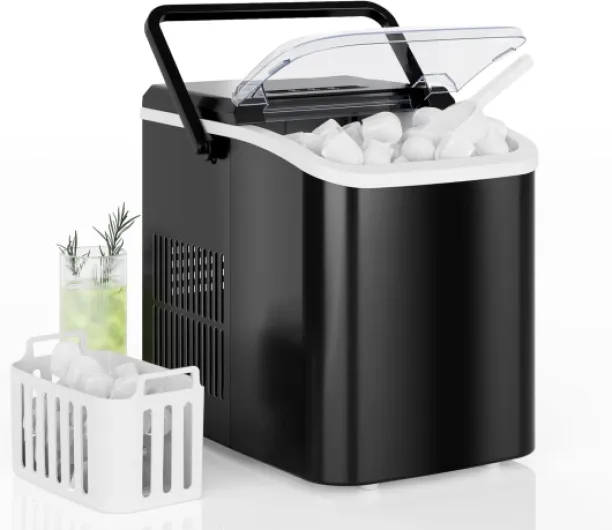
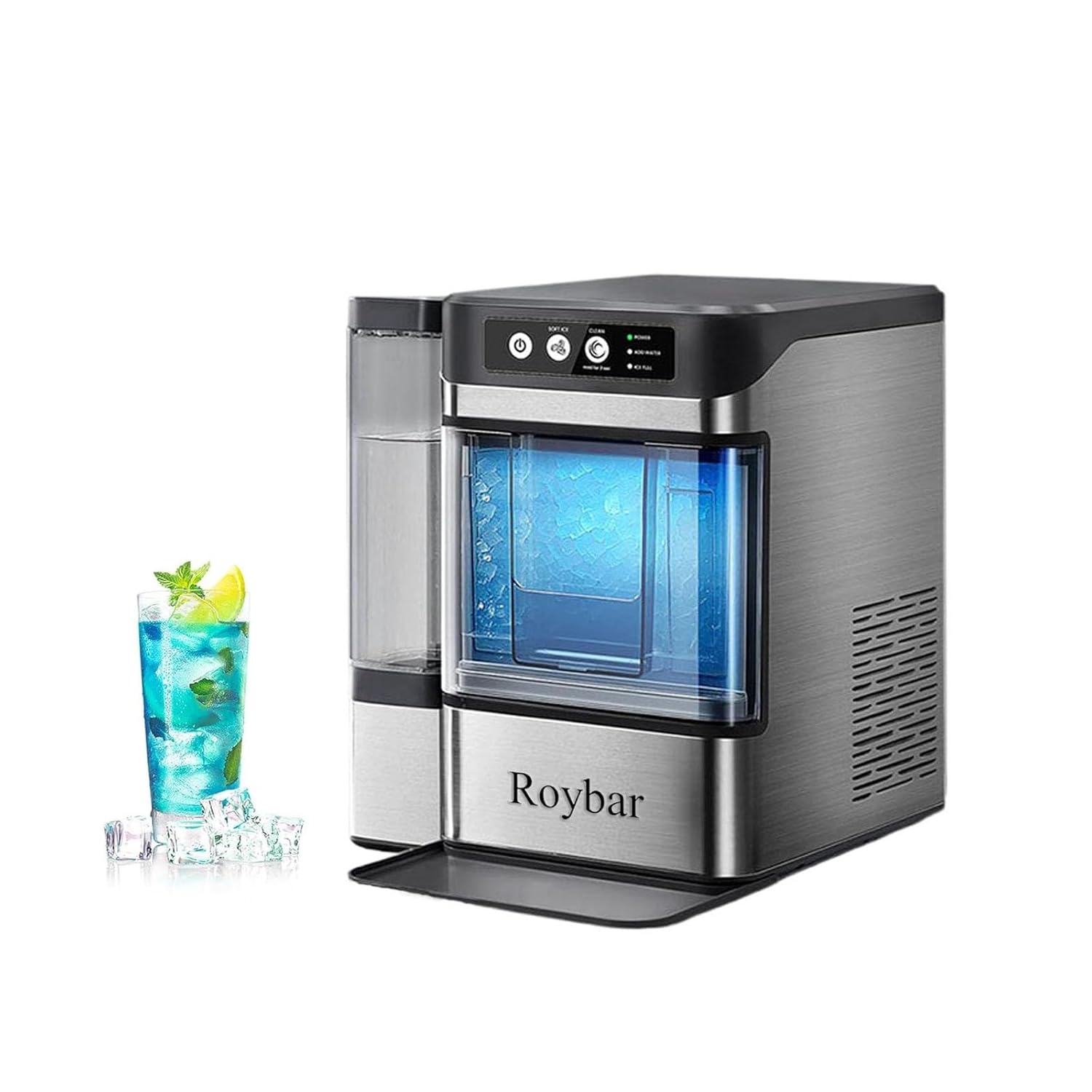
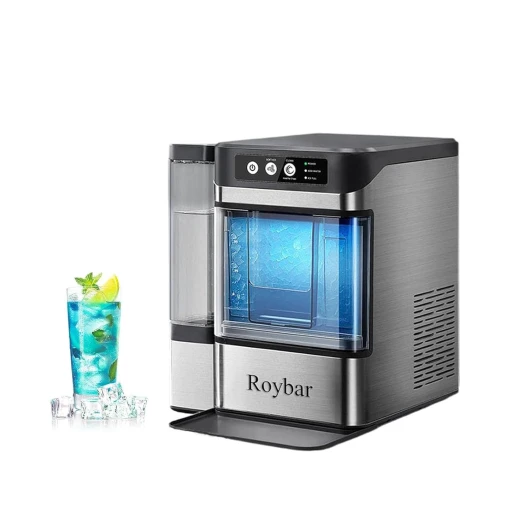
- + Fast Ice Production: 9 bullet ice cubes in just 6 minutes
- + Self-Cleaning Function: Easy maintenance
- + Portable: Ideal for home, kitchen, RV, and camping
- + Compact Design: Saves space on countertop
- + Quiet Operation: Doesn't disturb your environment

Comparing commercial ice machines for different kinds of ice
When you compare commercial ice machines, the first specification to check is which different kinds of ice they can produce. Some machines focus on standard dice or half dice, while others specialize in flake ice, nugget ice, or crescent ice for specific commercial ice applications. Matching the machine to the desired types ice ensures that restaurants, bars, and convenience stores get the right balance of cooling power, melt rate, and visual appeal.
For high volume restaurants bars, a commercial ice machine that produces half dice or full dice is often ideal. These types ice work well in soft drinks, mixed drinks, and ice water, giving reliable cooling without excessive melting during normal service times. In contrast, gourmet ice machines are designed for high end cocktail bars where a slow melt rate and a perfectly solid, clear shape are more important than sheer volume.
Nugget ice and chewblet ice machines serve a different need, especially in healthcare, fast casual restaurants, and convenience stores. Nugget ice and chewblet ice are softer, easier to chew, and excellent for soft drinks and flavored waters, although their melt rate is faster than that of solid cubes. Flake ice machines are widely used in fish counters, buffets, and blended drinks stations, where rapid cooling and moldable ice beds are more valuable than long lasting cubes.
Before investing, it is wise to review guidance on how to choose and maintain specialized equipment such as reliable Hoshizaki ice machine parts. A well maintained ice machine consistently produces the promised type ice, whether dice, flake ice, or gourmet ice, and keeps the melt rate and cooling performance stable. This reliability is essential for any commercial ice program that must support both everyday drinks and signature cocktails.
Choosing the ideal ice for home bars and mixed drinks
Home bar owners increasingly pay attention to different kinds of ice because they see how much ice influences flavor and presentation. For simple soft drinks and ice water, standard dice cubes from a compact ice machine are usually ideal, offering balanced cooling and a moderate melt rate. When you start preparing mixed drinks and blended drinks, however, the choice between half dice, full dice, and nugget ice becomes more important.
Half dice cubes cool quickly and are convenient for parties where guests refill drinks often. Their faster melting adds water steadily, which can soften strong spirits in mixed drinks but may dilute delicate flavors if you wait too long. Full dice cubes and large format gourmet ice keep the melt rate slow, which is perfect for sipping spirits, stirred cocktails, and drinks you want to enjoy over a longer time.
Nugget ice and chewblet ice bring a playful texture that many guests love in soft drinks and fruit based mixed drinks. These types ice are less solid and easier to chew, so they feel lighter in the mouth, although they melt faster than dense cubes. Crescent ice, often produced by compact ice machines, stacks neatly in glasses and offers efficient cooling for everyday drinks without requiring a large commercial ice setup.
For serious home entertainers, a dual zone cooling solution that combines ice storage with refrigerated space can be very attractive. Systems similar to those described in a guide on elevated ice storage for demanding users show how integrated cooling and ice water management improve hosting. By aligning the type ice, the melt rate, and the available machines, you can serve drinks that stay balanced from the first sip to the last.
Balancing melt rate, efficiency, and operating costs
For any buyer, the choice between different kinds of ice is also a choice about efficiency and cost. A commercial ice machine that produces high volumes of half dice or full dice may use more water and energy than a smaller unit, but it can support intense service in restaurants bars without running out. On the other hand, a compact ice machine that makes nugget ice or crescent ice may be ideal for convenience stores or small cafés with moderate demand.
The melt rate of each type ice affects not only drink quality but also how often staff must refill bins. Flake ice and nugget ice melt faster, which can increase water runoff and slightly raise cooling loads in storage areas. More solid dice cubes, gourmet ice, and crescent ice last longer in bins and in drinks, which can reduce waste and keep operating patterns more predictable.
When evaluating machines, consider how quickly they can freeze water into the desired types ice and how stable the output remains during peak hours. Ice machines with good insulation and smart controls maintain a consistent production rate, which supports both soft drinks and mixed drinks service without sudden shortages. This stability is especially important in commercial ice environments where any interruption can affect revenue and customer satisfaction.
Regular maintenance, filter changes, and cleaning routines help keep the melt rate and cooling performance aligned with the original specifications. By monitoring how ice behaves in ice water and in different drinks, you can spot early signs of performance drift in your ice machines. Over time, this attentive approach protects both drink quality and the long term value of your investment in any ice machine.
Matching different kinds of ice to specific service scenarios
Each service scenario calls for specific different kinds of ice, and aligning them correctly is central to professional drink programs. In high volume soft drinks service at convenience stores, half dice or nugget ice provide rapid cooling and a pleasant texture that customers enjoy chewing. For restaurants bars that focus on cocktails, gourmet ice, full dice, and sometimes crescent ice deliver a slow melt rate and a solid, elegant shape in the glass.
In buffet lines and seafood displays, flake ice is usually the ideal choice because it molds around products and offers excellent cooling contact. This type ice melts faster, but the constant replenishment keeps food at safe temperatures while presenting it attractively. When flake ice is used in blended drinks, it integrates smoothly with water, fruit, and spirits, producing a fine texture without large chunks.
Chewblet ice and nugget ice are particularly valued in healthcare and family oriented venues where guests appreciate softer, chewable pieces. These types ice are less solid than dice cubes, so they melt faster, but they enhance the experience of soft drinks and flavored ice water. In contrast, commercial ice programs for premium whiskey bars rely on large format gourmet ice to keep the melt rate slow and preserve complex aromas.
Across all these scenarios, the key is to evaluate how each type ice supports the desired cooling, dilution, and sensory experience. By testing different types in your own drinks, you can feel how melt, rate, and shape interact in real service. This practical insight will guide you toward the ice machines and specific ice forms that best match your menu, your guests, and your operational rhythm.
Key statistics about ice usage and machine performance
Reliable quantitative data about different kinds of ice, melt behavior, and commercial ice production help buyers make informed decisions. Although figures vary by brand and model, several patterns consistently appear in restaurants, bars, and convenience stores that rely heavily on ice machines. Understanding these patterns clarifies how ice, water, and cooling demands interact in real operations.
- In many restaurants bars, ice accounts for a significant share of beverage volume, often filling more than half of each glass for soft drinks and mixed drinks.
- Commercial ice machines designed for dice or half dice cubes commonly produce several tens of kilograms of solid ice per day, supporting both drinks and basic ice water service.
- Flake ice and nugget ice machines typically show higher surface area per kilogram of ice, which increases cooling speed but also accelerates the melt rate in storage bins.
- Energy efficient models can reduce electricity consumption per kilogram of ice by a notable margin compared with older machines, especially when producing standard types ice such as dice and crescent ice.
- Regular maintenance and cleaning routines have been shown to preserve production rate and melt performance, while also protecting the taste of drinks that rely on clean ice water.
These indicative statistics underline why the choice of type ice, machine capacity, and maintenance schedule must be considered together. By aligning your preferred different types of ice with realistic production figures, you can secure reliable cooling, controlled melt, and consistent drink quality in any setting.