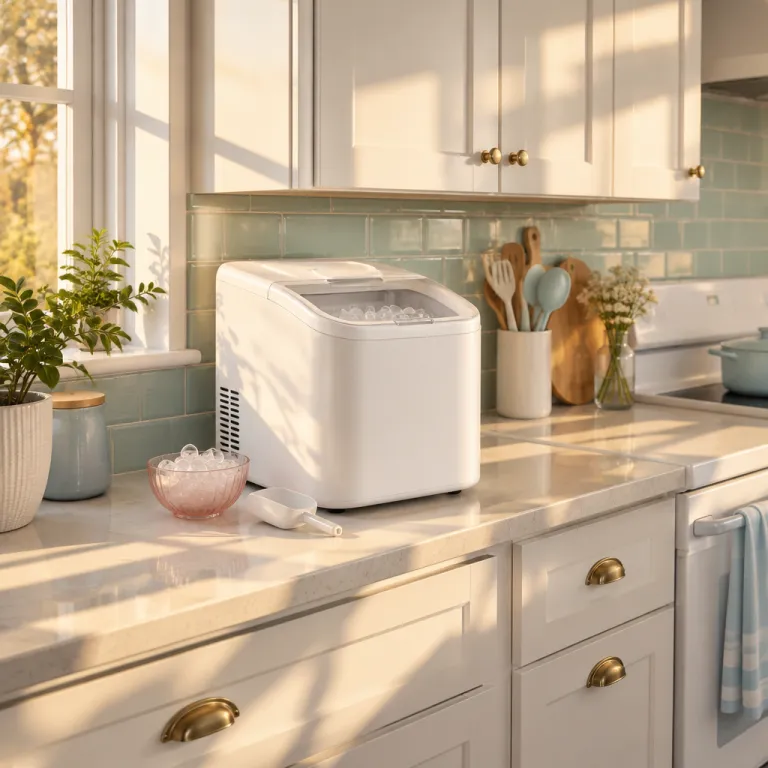
How ice makers visually integrate with white cabinets with white appliances
When you plan a white kitchen, the ice maker must visually align with white cabinets and light-colored appliances to avoid looking like an afterthought. A built in or under counter unit that shares the same cabinet panel, wall color, and handle finish can blend with surrounding kitchen cabinetry so the eye reads one continuous surface rather than a patchwork of unrelated appliances. In many kitchens with a calm aesthetic, buyers prefer appliances white or softly tinted rather than bold black appliances that dominate the room.
The first decision is whether you want the ice maker to stand out as a stainless accent or disappear behind a matching cabinet door with white hardware. Panel ready models allow you to mount a custom cabinet front that mirrors nearby cabinets white, so the machine becomes part of the furniture rather than a separate block of metal with black trim. This approach works especially well when white cabinets sit next to white appliances because the consistent color and style keep the room feeling light and open.
If you already own black stainless or appliances black in a mostly white kitchen, you can still maintain harmony by repeating that black white contrast in a few places. For example, a black stainless ice maker paired with white cabinets and a pale grey backsplash can echo the look of existing black appliances without overwhelming the white walls. The key is to repeat each color at least twice, so the black and white black accents feel intentional rather than random.
Capacity, ice type, and layout in a white kitchen
Before comparing finishes, decide how much ice you truly need and how the machine will fit under or between cabinets with limited depth. A family that entertains weekly usually needs a higher daily ice production rate than a couple in a compact apartment kitchen, especially when the ice maker shares space with other appliances white and storage cabinet runs. For most home buyers, a unit producing around 12 to 20 kilograms (about 26 to 44 pounds) of ice per day balances performance with energy use and noise.
Ice type also affects how the machine looks beside white cabinets with white appliances because the door design, bin window, and controls change with each style. Nugget ice makers often feature modern touch panels and larger glass fronts, which can complement a sleek white kitchen that already includes glass front kitchen cabinets and a glossy light backsplash. Traditional cube ice makers usually have simpler doors that can be panel ready, allowing you to add a matching cabinet front in the same white color or warm wood tone.
Think carefully about where the door swings and how it interacts with nearby cabinet doors, walls, and other appliances black or stainless. A left hinge model next to a wall can be frustrating if it blocks access to adjacent cabinets white or cutting boards stored in a narrow pullout. When space is tight, consider a reversible door or a drawer style ice maker that glides out smoothly and aligns with the surrounding cabinet style and brass or brushed nickel hardware.
For buyers considering pre owned equipment, a refurbished ice maker can be a smart way to match white cabinets with white appliances without overspending on a premium brand. When you evaluate a used unit, follow a structured checklist for what to inspect, what to test, and when to walk away, as outlined in this detailed guide on buying a refurbished ice maker. This approach helps you judge whether the finish, internal components, and door seals will hold up in a bright white kitchen where every flaw is more visible.
Finish choices that respect white cabinets and white appliances
Finish selection is where design and function meet, especially when you already own white appliances and white cabinets with coordinated hardware. A pure white cabinet panel on the ice maker door creates a seamless look with white walls and pale wall color, while a stainless front introduces a subtle industrial note that can modernize a classic layout. In both cases, the goal is to keep the color palette controlled so the room feels calm rather than cluttered.
When you prefer a fully integrated appearance, choose a panel ready ice maker and have your cabinet maker build a matching cabinet front in the same white or light grey paint used on nearby kitchen cabinets. This lets you align door rails, stiles, and wood grain direction so the ice maker reads as another cabinet with discreet vents at the toe kick, rather than as one of many separate appliances white or black. Hardware matters too, because brushed nickel or brass pulls can tie the ice maker door into the rest of the cabinet style and prevent it from looking like a retrofit.
Some buyers intentionally use contrast, pairing black stainless or deep black appliances with a field of white cabinets and a pale backsplash for a white black graphic effect. In that scenario, a black stainless ice maker paired with white cabinets and white appliances can act as a visual bridge between the darker refrigerator and lighter range, especially when repeated in smaller accents like cutting boards or countertop accessories. If you lean toward a softer look, consider a stainless finish that sits between black and white, then repeat that metal in the faucet, sink, and cabinet hardware for a cohesive palette.
For households managing budgets carefully, flexible financing such as rent to own refrigerator plans can indirectly help you choose the best home ice maker setup that still respects your white kitchen design. A detailed explanation of how these plans influence appliance selection and layout is available in this guide on rent to own refrigerator strategies. By aligning payment structure with long term design goals, you avoid compromising on finish or capacity just to meet a short term budget constraint.
Coordinating hardware, lighting, and walls around the ice maker
Once you choose the finish, refine the surrounding details so the ice maker feels integrated with white cabinets with white appliances rather than floating alone. Hardware is a powerful tool here, because matching the cabinet pulls and knobs on the ice maker door to existing brass or brushed nickel pieces instantly unifies the entire run of cabinets. Even a small under counter unit can look intentional when its handle, toe kick, and vent pattern echo nearby cabinet and appliance lines.
Lighting also shapes how the ice maker reads against white walls and adjacent colors, especially in a white kitchen where reflections are strong. Under cabinet light strips can highlight a stainless or black stainless door, while a softer light wash can help a white panel front blend quietly with cabinets white and pale wall color. If your kitchen includes both black appliances and appliances white, use lighting to balance the contrast so no single piece dominates the view.
Pay attention to the backsplash behind or near the ice maker, because this vertical surface often frames the appliance visually. A simple white or light grey backsplash tile keeps the focus on the clean lines of white cabinets and white appliances, while a patterned tile can add energy and draw attention to a modern stainless unit. In more classic kitchens with warm wood accents and traditional cabinet style, a subtle stone backsplash paired with neutral walls can soften the transition between black white contrasts and the rest of the room.
For outdoor or semi outdoor layouts where the ice maker sits in a built in cabinet run, drainage, weather protection, and power supply become as important as finish. A comprehensive outdoor kitchen ice maker checklist covering drainage, weatherproofing, and the power question is available in this practical guide on planning an outdoor kitchen ice maker. Even in these spaces, repeating the same colors, metals, and cabinet profiles used indoors helps maintain a consistent design language from one kitchen zone to another.
Material choices, noise, and maintenance in bright white kitchens
Material selection affects not only appearance but also how easy the ice maker is to maintain in a white kitchen where every mark shows. Stainless steel fronts resist staining and can coordinate with both black appliances and white appliances, though they may show fingerprints unless you choose a brushed finish. A white cabinet panel hides smudges better but requires careful edge sealing so moisture from melting ice does not swell the wood or paint.
Noise is another factor that matters more in open kitchens with white cabinets with white appliances, because sound reflects off hard surfaces like tile, stone, and painted walls. Gravity drain models often run more quietly than pump assisted units, but they require a floor drain, which must be planned early when laying out kitchen cabinets and adjacent cabinet runs. If your kitchen opens to a living area with light walls and minimal soft furnishings, prioritize an ice maker with a low decibel rating and well insulated cabinet to keep the sound profile discreet.
Maintenance routines should fit your lifestyle and the overall kitchen style, especially when you prefer uncluttered counters and hidden appliances white. Choose a model with a front accessible filter and simple cleaning cycle so you can service it without moving surrounding cabinets white or disturbing the backsplash. In spaces where black stainless or appliances black share the room with white walls and white cabinets, consistent cleaning of all finishes prevents the darker surfaces from showing dust while the lighter ones reveal spills.
Inside the cabinet, consider how you store accessories like ice scoops and cutting boards so they do not scratch the door or adjacent cabinet faces. Soft lined drawers or small wall mounted hooks inside a pantry cabinet can keep these tools organized without adding visual clutter to a white kitchen that already balances black white contrasts and multiple colors of metal. Over time, this attention to detail preserves both the performance of the ice maker and the elegance of the surrounding cabinetry.
Styling ideas for different kitchen colors and layouts
Styling an ice maker within white cabinets with white appliances depends on whether your kitchen leans classic, modern, or somewhere between. In a classic layout with raised panel cabinet doors, warm wood floors, and brass hardware, a panel ready ice maker with a matching cabinet front and brass handle will feel like part of the original design. Here, subtle color shifts such as cream white walls and a soft grey backsplash keep the room from feeling sterile.
Modern kitchens with flat front kitchen cabinets, minimal hardware, and strong black white contrasts can treat the ice maker as a deliberate design accent. A stainless or black stainless door aligned perfectly with adjacent cabinets white and appliances white creates a crisp grid that suits contemporary architecture. To soften the look, introduce natural elements like wood cutting boards, woven stools, or a warm wall color that tempers the cool metals.
In compact kitchens with limited wall space, the ice maker often shares a short run of cabinets with a sink base or dishwasher. Choosing a finish that matches either the white cabinets or the primary appliances black or stainless helps that small zone feel cohesive rather than fragmented. When the room includes multiple colors, such as white cabinets, grey countertops, and a patterned backsplash, repeat each tone at least twice so the ice maker does not become the only surface in a particular color.
Open plan homes where kitchens with white cabinets and white appliances flow into living areas benefit from restrained styling around the ice maker. Keep counters near the unit clear except for a few functional items like cutting boards or a carafe, which can be paired with the metal finish of the appliance handle. This approach maintains visual calm while still making it easy to serve ice for guests without drawing attention to the machine itself.
Balancing performance, budget, and long term aesthetics
Choosing an ice maker for a kitchen with white cabinets with white appliances means balancing technical performance with long term visual harmony. Start by listing your non negotiables such as daily ice capacity, storage bin size, and whether you need a drain pump, then layer on design requirements like finish, handle style, and cabinet integration. This structured approach prevents you from compromising on reliability just to match a specific color or metal.
Budget planning should account not only for the purchase price but also for installation, water filtration, and any cabinet modifications needed to integrate the unit with existing kitchen cabinets. If you plan to retrofit an ice maker into a finished white kitchen, expect some carpentry to adjust cabinet widths, toe kicks, and possibly the backsplash, especially when aligning with black appliances or appliances white already in place. Investing in proper ventilation and drainage at the start protects both the machine and the surrounding cabinets white from moisture damage.
Think about how your taste in colors and style might evolve, because white walls and white appliances are timeless, while certain finishes like black stainless may feel more trend driven. One strategy is to keep permanent elements such as cabinets, walls, and major appliances in neutral white or stainless, then use smaller pieces like the ice maker, hardware, and cutting boards to introduce black white contrast or brass accents. If your preferences change, swapping an ice maker door panel or handle is far easier than repainting every cabinet.
Ultimately, the best ice maker for a white kitchen is the one that quietly supports your daily routines while respecting the architecture of the room. When capacity, noise level, and maintenance align with your habits, the machine fades into the background, letting the elegance of white cabinets with white appliances and carefully chosen wall color take center stage. Over years of use, that balance of function and design delivers the highest return on your investment in both comfort and aesthetics.
Key statistics for home ice makers in design focused kitchens
- According to the United States Department of Energy and the ENERGY STAR program, ENERGY STAR certified ice makers can use about 10 percent less energy and 20 percent less water than standard models, which matters in tightly sealed white kitchens where heat and moisture buildup are concerns (see the ENERGY STAR commercial ice maker specification at energy.gov and energystar.gov for current criteria).
- Market research from Grand View Research reports that the global residential ice maker segment has grown at an annual rate of roughly 5 to 6 percent in recent years, reflecting increased demand for built in units that integrate with premium kitchen cabinets and coordinated appliances (as summarized in their household ice maker market outlook).
- Surveys from major appliance retailers indicate that more than half of buyers choosing white cabinets also select either white appliances or stainless finishes, confirming that finish coordination is a primary factor when specifying an ice maker for a design led kitchen.
- Noise measurements published by several leading manufacturers show that quieter residential ice makers typically operate in the 40 to 50 decibel range, which is comparable to a quiet conversation and suitable for open plan kitchens with white walls and hard surfaces; for example, many built in under counter units list sound levels around 45 dB in their specification sheets.
FAQ about ice makers for kitchens with white cabinets and white appliances
Should I choose a panel ready or stainless ice maker for a white kitchen ?
Panel ready models are ideal when you want the ice maker to disappear within white cabinets with white appliances, because you can apply a matching cabinet front and hardware. Stainless units work well when you already have stainless or black stainless appliances and want a subtle contrast against white cabinets. The decision depends on whether you prefer a seamless built in look or a gentle metal accent.
How much daily ice capacity is enough for a typical household ?
Most households find that 12 to 20 kilograms (about 26 to 44 pounds) of ice production per day is sufficient for regular use and occasional entertaining. Larger families or frequent hosts may benefit from 25 kilograms (around 55 pounds) or more, especially in warm climates or open plan homes where guests gather in the kitchen. Always check both production and storage bin size, because a high output machine with a small bin can still run short during parties.
Will an ice maker damage my white cabinets or nearby walls with moisture ?
A properly installed ice maker with correct drainage and ventilation should not damage white cabinets or painted walls. Problems usually arise when drain lines are poorly sloped, vents are blocked, or the unit is pushed too tightly against surrounding cabinets white. Working with an experienced installer and following the manufacturer’s clearance guidelines greatly reduces the risk of moisture related issues.
Can I retrofit an ice maker into an existing run of cabinets ?
Retrofitting is often possible, but it may require modifying one or two cabinets and adjusting the backsplash or toe kick. You will need access to a cold water line, a drain or drain pump, and a dedicated electrical circuit that matches the appliance specifications. A cabinet maker and licensed plumber can usually coordinate these changes while preserving the overall look of white cabinets with white appliances.
Are black stainless or black appliances a good match for a mostly white kitchen ?
Black stainless and other black appliances can look striking when used intentionally as accents within a white kitchen. To keep the design balanced, repeat the dark finish in at least two or three places, such as the refrigerator, ice maker, and a range hood, while maintaining white cabinets and light walls as the dominant background. This approach creates a controlled black white contrast that feels deliberate rather than harsh.