Start your ice maker buying guide with a simple three way split
Before comparing any ice maker machines, decide who will actually use them. A clear split between household use, home bar entertaining and small business service turns a confusing ice maker buying guide into a focused decision tool. Once you know the primary user, you can match ice capacity, water supply and smart features to real daily needs instead of vague wishes.
For a household kitchen, most buyers want a compact countertop ice machine that quietly produces enough ice cubes for drinks, smoothies and occasional guests. These countertop ice makers usually rely on a refillable water tank or reservoir, and they balance modest capacity in kilograms per day (around 10–15 kg, or roughly 22–33 lb) with easy placement on a standard worktop. In this segment, portable ice machines and built in undercounter options compete, but the best choice for most homes often remains a simple countertop ice unit that can produce around 12 to 15 kilograms of ice per day, or roughly 26 to 33 pounds.
Home bar owners care more about ice quality and formats such as nugget ice, bullet ice or clear ice than about extreme volume. They often compare GE Profile Opal style nugget machines, compact Frigidaire cube makers and premium clear cube ice machines that can sit as freestanding ice units or slide into built in niches. Small business buyers, by contrast, must treat the ice machine as core equipment, so they look at higher capacity ice makers tested for reliability with continuous water connections, NSF or ETL sanitation listings and robust stainless steel cabinets that can handle dozens of kilograms of ice per day.
Match budget tiers to realistic capacity, format and build quality
Once you know your user type, the next step in any serious ice maker buying guide is to align budget with realistic expectations. Between 200 and 400 USD, you are in the entry level countertop ice and portable ice category, where a compact machine will typically produce 10 to 15 kilograms of ice per day with a small internal reservoir. In this tier, you see many Igloo style makers and compact Frigidaire ice makers designed for home use, often with bullet ice shapes, basic indicator lights and simple push button controls.
The 400 to 700 USD range opens access to better insulation, larger water tanks and higher capacity ice machines that can serve a busy kitchen or a dedicated home bar. Here you start to find nugget ice makers, some GE Profile Opal inspired designs and more robust ice machine cabinets that can sit as freestanding ice units beside other appliances. For buyers comparing nugget ice options in this band, a detailed nugget ice maker comparison from independent test sources such as Consumer Reports or Wirecutter helps separate marketing claims from real world performance.
Above 700 USD, you enter the territory of premium ice makers and light commercial ice machines with higher daily ice output and thicker insulation. These machines often offer clear ice cubes, stainless steel bodies, optional built in installation kits and more advanced smart features for monitoring and maintenance. Small business owners in cafés, food trucks or neighbourhood cocktail bars should expect to invest in this tier or higher if they want a machine rated for continuous duty and a reliable supply of the best ice for both drinks and food display.
Let ice format guide your shortlist: nugget, bullet, clear cube or crescent
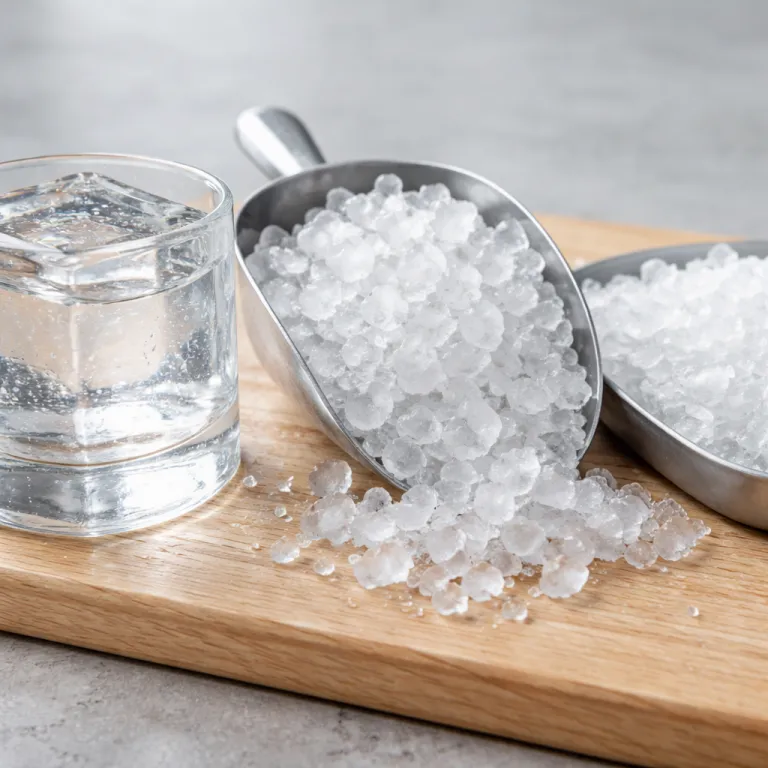
Ice format is not a cosmetic detail, it is a forcing function in any ice maker buying guide because it shapes taste, dilution and even machine maintenance. Nugget ice, sometimes called chewable ice, is popular in GE Profile Opal style machines and is ideal for soft drinks, cocktails and cafés that want a signature texture. These nugget ice machines compress flaked ice into soft pellets, which means they need careful cleaning of the water system to prevent mineral buildup and off flavours.
Bullet ice is the most common output from compact countertop ice makers and portable ice machines, especially in the Igloo and Frigidaire families. Bullet ice cubes freeze quickly around metal prongs, so a small machine can produce several kilograms of ice per day even with a modest reservoir and limited power. For many home kitchens, this bullet format offers the best balance between speed, clarity and compatibility with narrow glasses, shaker tins or insulated tumblers.
Clear ice cubes and crescent shapes belong more often to premium ice makers and undercounter ice machines that focus on presentation and slow dilution. Clear ice requires directional freezing and careful water management, so these ice machines usually include better filtration, insulated storage and sometimes smart features to monitor water quality. If you run a home cocktail bar and want craft level results, a specialised clear ice or craft cube maker, such as those discussed in this guide to choosing craft ice makers for elegant home cocktails, will justify a higher budget and a more involved installation.
Choose between countertop, undercounter and freestanding ice machines
Physical format matters as much as capacity, so a practical ice maker buying guide must address where the machine will live. Countertop ice models suit renters, small kitchens and mobile businesses because they only need a power outlet and manual filling of the water tank. These countertop ice machines are easy to move, and a portable ice maker can even travel between a home kitchen, a food truck and an event venue.
Undercounter and built in units integrate into cabinetry, which keeps the worktop clear and places the ice machine closer to sinks or dishwashers. These ice makers often connect directly to a water line and drain, which allows higher daily ice output and reduces manual labour. For a small café or bar, an undercounter ice machine with a clear capacity rating in kilograms per day and a reliable reservoir or direct feed will usually outperform several smaller countertop ice makers tested separately under standard 24 hour production conditions.
Freestanding ice machines sit on the floor and resemble compact refrigerators, offering a middle ground between full commercial units and small countertop devices. A freestanding ice cabinet can hold more ice cubes, maintain better insulation and sometimes include smart features such as remote monitoring or service alerts. When comparing freestanding ice machines, pay attention to the stated capacity, the type of ice produced, the water connection options and whether the machine has been evaluated for continuous operation in warm kitchens or service areas according to the manufacturer’s duty cycle tests.
When smart features, filtration and maintenance really matter
Connectivity and maintenance are often afterthoughts, yet a reliable ice maker buying guide treats them as core decision factors. Smart features such as Wi‑Fi monitoring, app based alerts and integration with home assistants can be valuable for busy owners who manage several machines. In a small business, remote alerts about low water, full bins or error codes help prevent service interruptions and protect revenue.
Water quality directly affects taste, clarity and the lifespan of ice makers, so filtration and descaling routines deserve careful attention. Many countertop ice and portable ice machines rely on a refillable water tank, which makes it easy to use filtered or bottled water but also requires regular cleaning of the reservoir. Larger ice machines with direct water connections should include accessible filters, clear maintenance schedules and, ideally, smart features that track filter life and prompt timely replacement.
Maintenance load also depends on the ice format and cabinet design, because nugget ice machines and clear ice makers often have more complex internal paths. Look for models where the manufacturer has validated the cleaning cycle, offers food safe cleaning tablets and provides clear instructions for descaling in hard water regions. If you prefer a low maintenance setup, a simple bullet ice countertop ice machine such as the compact unit reviewed in this countertop ice maker test will often be easier to live with than a more complex nugget or clear cube system.
Use a three question decision tree to reach a two model shortlist
To turn this ice maker buying guide into action, use a simple three question decision tree that always ends with a focused shortlist. First, ask how many kilograms or pounds of ice you genuinely need per day, based on peak service rather than rare events. Second, decide which ice format, whether nugget ice, bullet ice or clear ice cubes, best matches your drinks, food and presentation style.
Third, choose your installation style between countertop ice, undercounter built in or freestanding ice, considering both current and future kitchen or business layouts. Once you answer these three questions, filter the market for ice makers that match your capacity, format and installation needs, then compare only machines tested for reliability and supported by clear service networks. In most cases, this process will leave you with two or three ice machine candidates, such as a compact Igloo style countertop machine, a mid range Frigidaire undercounter unit and a premium GE Profile Opal inspired nugget model.
From there, you can weigh secondary factors such as smart features, noise levels, energy efficiency and reservoir design to make a final choice. Remember that the best ice machine for a small café will not be the same as the best ice maker for a family kitchen, even if both produce similar daily ice volumes. By treating capacity, ice type, installation and maintenance as non negotiable pillars, you avoid overpaying for features you will never use and instead invest in an ice maker that quietly supports your daily work.
Key figures every ice maker buyer should know
- According to the U.S. Department of Energy’s ENERGY STAR® commercial ice maker specifications, modern ice machines that meet current efficiency standards can reduce energy use by roughly 10 to 15 percent compared with older, non certified models, which directly lowers operating costs for small businesses. This range is based on program summary data published by ENERGY STAR for qualifying cube and nugget units.
- Many household countertop ice makers are rated between 10 and 15 kilograms of ice per day, while light commercial undercounter units often range from 25 to 60 kilograms per day, so buyers should carefully match these figures to their busiest service periods rather than average use. Manufacturer specification sheets for popular Igloo, Frigidaire and similar machines typically confirm these production bands.
- Water consumption for ice production typically averages around 5 litres of water for every 4 kilograms of ice, based on manufacturer specifications for common cube and nugget machines, meaning that inefficient models can waste significant water over a full season of café or bar operation. This ratio reflects typical values cited in commercial ice maker manuals rather than a single universal standard.
- Industry surveys of small hospitality businesses, such as reports from the National Restaurant Association and equipment service firms, show that unplanned ice machine downtime can reduce daily beverage revenue by 5 to 10 percent, which explains why many owners prioritise reliability and maintenance access over marginal capacity gains. These figures are drawn from aggregated case studies and service provider reports rather than one controlled experiment.
- Noise levels for countertop ice machines usually fall between 40 and 55 decibels at one metre, a range comparable to a quiet conversation, while larger freestanding ice units can exceed 60 decibels and may require placement away from customer seating. These sound levels are taken from typical manufacturer noise ratings and independent product tests.
FAQ about choosing the right ice maker
How much ice capacity do I need for a small café or bar ?
A small café or bar typically needs between 25 and 50 kilograms of ice per day, depending on drink mix and opening hours. To size correctly, estimate the number of cold drinks sold during the busiest hour and multiply by the ice per drink, then add a safety margin of 20 percent. If your peak demand is uncertain, choose a machine at the higher end of the range or consider two smaller units for redundancy.
Is a nugget ice maker worth the extra cost for home use ?
A nugget ice maker costs more than a basic bullet ice machine because it uses more complex mechanisms and insulation. For households that drink a lot of soft drinks, iced coffee or cocktails, the chewable texture and fast chilling of nugget ice can justify the premium. If you mainly need ice for occasional guests or simple water glasses, a standard countertop bullet ice maker usually offers better value.
Do I need a direct water line, or is a tank based machine enough ?
Tank based countertop ice makers with internal reservoirs are sufficient for most homes and very small businesses, especially when staff can refill them during quiet moments. A direct water line becomes important when you need continuous high volume production, such as in a busy bar or café where manual refilling would interrupt service. When installing a plumbed ice machine, always include proper filtration and follow local plumbing codes to protect both water quality and equipment.
How often should I clean and descale my ice machine ?
Most manufacturers recommend a basic cleaning every one to two weeks for household machines and at least weekly for commercial or small business units. In areas with hard water, descaling may be necessary every one to three months, depending on usage and filter quality. Always follow the specific instructions in your user manual, because some nugget and clear ice machines have dedicated cleaning cycles that simplify the process.
What is the main difference between countertop and undercounter ice makers ?
Countertop ice makers are compact, portable and usually rely on manual filling of a water tank, which makes them ideal for renters, small kitchens and mobile setups. Undercounter ice makers integrate into cabinetry, connect to a water line and often provide higher daily capacity with better insulation and storage. The choice depends on whether you prioritise flexibility and low upfront cost or higher output, cleaner aesthetics and reduced manual labour.