


Why regular cleaning matters for your coffee maker
Why a Clean Coffee Maker Delivers Better Taste
If you want your cup coffee to taste its best, regular cleaning of your coffee maker is essential. Over time, minerals from water, coffee oils, and residue from previous brews can build up inside your coffee machine. These deposits not only affect the flavor of your coffee, but they can also impact the performance and lifespan of your machine.
- Mineral deposits from hard water can clog the water reservoir and internal parts, making it harder for your coffee maker to heat and brew efficiently.
- Coffee oils left behind after each brew can go rancid, leading to bitter or off-tasting coffee.
- Neglecting cleaning can cause bacteria and mold to develop in moist areas like the drip coffee tray or water reservoir.
Using simple products like white vinegar for cleaning is a proven way to dissolve these stubborn deposits and keep your coffee tasting fresh. Many coffee makers, especially drip coffee models, benefit from a regular cleaning routine with vinegar. Not only does this help maintain the taste, but it also extends the life of your machine by preventing buildup in critical parts.
For those interested in the science behind how sensors and components in beverage machines work, you might find this article on the role of the AM-50BAJ bin control thermistor in your ice maker insightful. While it's about ice makers, the principles of regular maintenance and cleaning apply across all beverage machines.
In the next sections, you'll learn how to spot when your coffee maker needs cleaning, how vinegar works as a cleaning agent, and get a simple step-by-step guide to keep your coffee machine in top shape.

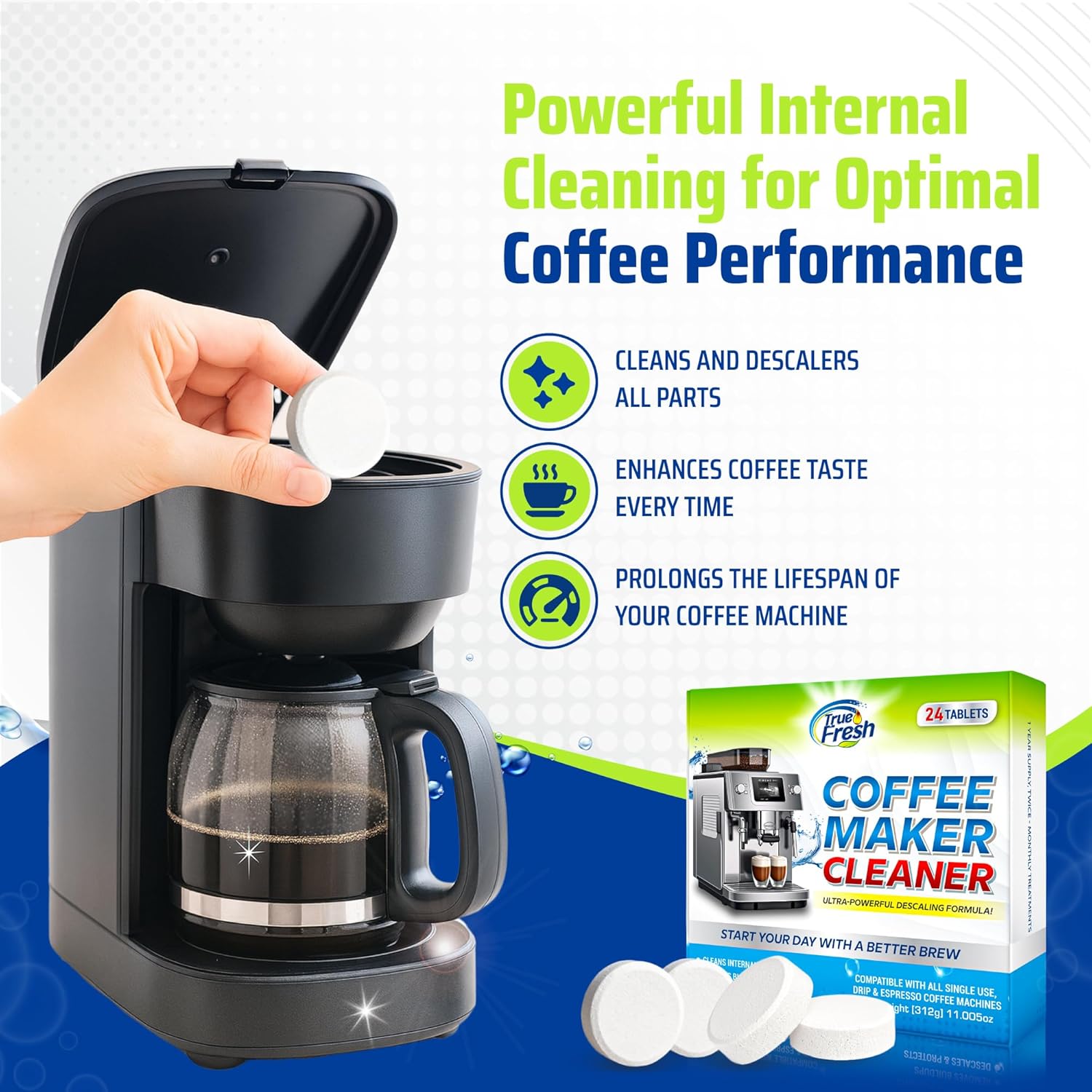
- + Easy to use tablets for descaling
- + Compatible with multiple coffee machines
- + Includes 24 tablets for extended use
- + Helps maintain machine efficiency
- + Improves coffee taste by removing scale

Signs your coffee maker needs cleaning
Common Clues Your Coffee Machine Needs Attention
Even the best coffee makers can start to show signs that they need cleaning. Ignoring these clues can lead to bitter coffee, slow brewing, or even damage to your machine. Here are some simple ways to spot when it’s time to clean your coffee maker with vinegar:
- Unpleasant taste: If your cup coffee tastes off, sour, or just not as good as usual, mineral deposits or old coffee oils may be building up inside the machine.
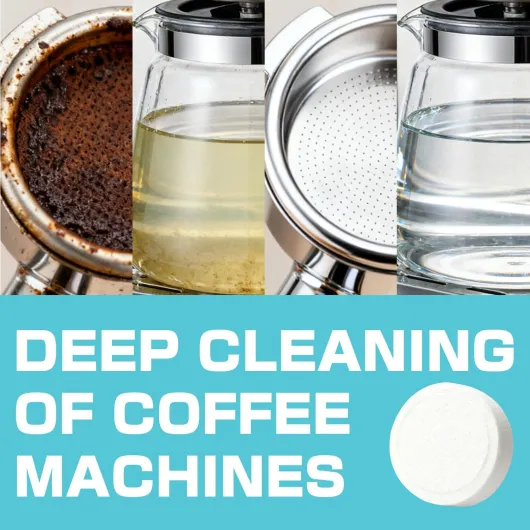
- Visible residue: Check the water reservoir, drip coffee tray, and removable parts for brown stains, cloudy spots, or white scale. These are clear signs your coffee maker needs a thorough cleaning.
- Slower brewing: If your coffee machine takes longer than normal to fill a cup, mineral deposits could be clogging the internal parts.
- Less hot coffee: Deposits inside the machine can reduce water temperature, making your coffee less hot and less flavorful.
- Strange noises: Gurgling or sputtering sounds during brewing may mean your coffee maker is struggling with buildup inside.
Regular cleaning helps prevent these issues and keeps your coffee tasting better. Using vinegar is a simple and effective way to clean coffee makers, especially when you want to avoid harsh cleaning products. If you’re also interested in keeping your ice maker fresh, check out this guide on simple steps to clean your countertop ice machine for fresh ice every time.
Remember, a clean coffee maker not only makes better coffee but also extends the life of your machine. In the next section, you’ll learn why vinegar is a top choice for cleaning and how it works inside your coffee maker.
How white vinegar helps clean your coffee maker
Why vinegar is a powerful cleaning solution
White vinegar is a simple and effective way to clean your coffee maker, especially when you want to remove stubborn mineral deposits and coffee oils. Over time, water running through your coffee machine leaves behind calcium and limescale, which can affect both the taste and performance of your machine. Using vinegar helps dissolve these deposits, making it easier to maintain a clean coffee maker without relying on harsh chemicals or expensive cleaning products.
How vinegar works inside your coffee machine
When you fill the water reservoir with a mixture of white vinegar and water, the acidic nature of vinegar breaks down buildup inside the machine. This process helps clean internal parts, including the drip coffee system and water lines, which are often hard to reach with regular cleaning. As a result, your next cup of coffee will taste fresher and better, free from any lingering flavors or odors caused by old deposits.
- Vinegar is safe for most coffee makers, including single-serve and drip coffee models.
- It’s a budget-friendly cleaning solution compared to specialty products.
- Regular cleaning with vinegar extends the life of your coffee machine.
For those interested in how different cleaning methods can impact the quality of your drinks, you might also want to explore why pebbles ice is the perfect choice for your drinks and how water quality and cleaning routines play a role in taste.
Step-by-step guide to clean your coffee maker with white vinegar
Gathering Your Cleaning Supplies
Before you start, make sure you have everything you need. For this simple cleaning process, you’ll need white vinegar, fresh water, a clean cup, and a soft cloth. Avoid using harsh cleaning products, as these can damage your coffee maker or leave unwanted residues.
Preparing the Coffee Maker
Remove any used coffee grounds or filters from your drip coffee machine. Take out any removable parts, such as the water reservoir, carafe, and filter basket. Wash these parts with warm, soapy water and rinse thoroughly. This helps remove loose coffee deposits and oils, making the deep clean more effective.
Mixing the Vinegar Solution
Fill the water reservoir with a mixture of equal parts white vinegar and water. For most coffee makers, filling the reservoir halfway with vinegar and topping it off with water works well. This solution helps dissolve mineral deposits and coffee oils that build up over time.
Running the Cleaning Cycle
- Place the empty carafe or cup under the drip spout.
- Start a brew cycle as if you were making a full pot of coffee, but without coffee grounds.
- Halfway through the cycle, press the stop button or turn off the machine. Let the vinegar solution sit for about 30 minutes. This soaking time helps break down stubborn deposits inside your coffee maker.
- After 30 minutes, resume and complete the brew cycle.
Rinsing for a Better Taste
Once the cleaning cycle is done, discard the vinegar solution and rinse the carafe. Fill the water reservoir with fresh water and run two to three full brew cycles with only water. This step is important to remove any vinegar smell or taste, ensuring your next cup coffee tastes fresh and clean.
Final Touches
Wipe down the exterior and any removable parts with a damp cloth. Make sure all parts are dry before reassembling your coffee machine. Regular cleaning like this not only improves the taste of your coffee but also extends the life of your coffee maker. For more details on cleaning policies and privacy policy, always refer to your machine’s manual.
Tips to avoid common cleaning mistakes
Avoiding Vinegar Overuse and Rinsing Mistakes
- Don’t skip rinsing: After you clean your coffee maker with vinegar, always run at least two full cycles of fresh water through the machine. This step is crucial to remove any lingering vinegar taste or smell from your coffee maker. If you don’t rinse well, your next cup coffee might taste sour or off.
- Measure vinegar and water properly: Using too much vinegar can damage internal parts of your coffee machine over time. Stick to the recommended ratio, usually one part white vinegar to two parts water, to safely clean coffee makers without harming them.
- Don’t forget removable parts: Many people focus only on the water reservoir and forget to clean other parts like the drip tray, filter basket, and carafe. These parts can collect deposits and old coffee oils, affecting the taste of your coffee. Wash them separately with warm soapy water for a thorough clean.
- Avoid harsh cleaning products: Stick with vinegar and water for regular cleaning. Strong chemicals or abrasive products can damage your coffee maker and leave residues that affect the flavor of your coffee.
- Don’t rush the process: Let the vinegar solution sit in the water reservoir for a few minutes before running a cycle. This gives it time to break down mineral deposits and coffee oils for better results.
- Check your machine’s policy: Some coffee makers have specific cleaning instructions in their manual or privacy policy. Always check before using vinegar, especially with high-end or specialty machines.
Common Habits That Lead to Poor Results
- Ignoring regular cleaning: Waiting too long between cleanings allows deposits to build up, making it harder to get your coffee maker truly clean. Set a reminder to clean your machine on a regular schedule for better tasting coffee every time.
- Not filling the reservoir fully: When you clean with vinegar, fill the water reservoir to the top with the solution. This ensures all internal parts get cleaned, not just the bottom.
- Forgetting to press the right buttons: Some coffee makers have a dedicated cleaning cycle. Use it if available, as it’s designed to optimize the cleaning process for your specific machine.
By following these simple tips, you’ll avoid common mistakes and keep your coffee maker in top shape, ensuring every cup coffee tastes fresh and delicious.
How often should you clean your coffee maker
Finding the Right Cleaning Schedule for Your Coffee Maker
Keeping your coffee maker in top shape is all about consistency. Regular cleaning not only helps your machine last longer but also ensures every cup coffee tastes fresh and pure. The frequency of cleaning depends on how often you use your coffee machine and the type of water you fill it with. Hard water can leave more mineral deposits, so you might need to clean more often.
- Daily: Rinse and dry removable parts like the carafe, filter basket, and water reservoir after each use. This simple habit prevents buildup and keeps your coffee tasting better.
- Weekly: Give your drip coffee maker a more thorough clean. Wipe down the exterior, and check for any leftover coffee grounds or stains inside the machine.
- Monthly: Deep clean with vinegar. Run a cycle with vinegar and water through your coffee maker to remove stubborn deposits and keep internal parts clean. This is especially important if you notice any odd tastes or slow brewing.
If you use your coffee makers multiple times a day or have hard water, consider cleaning with vinegar every two weeks. For those who use filtered water and brew less frequently, a monthly deep clean is usually enough. Always refer to your machine’s manual for specific cleaning policies and recommendations, as some products may have unique requirements.
Remember, regular cleaning is a simple way to protect your investment and enjoy better coffee every time. If you’re unsure about your cleaning routine, look for signs like cloudy water, strange tastes, or visible deposits in the water reservoir. These are clear indicators it’s time for a thorough clean coffee session.