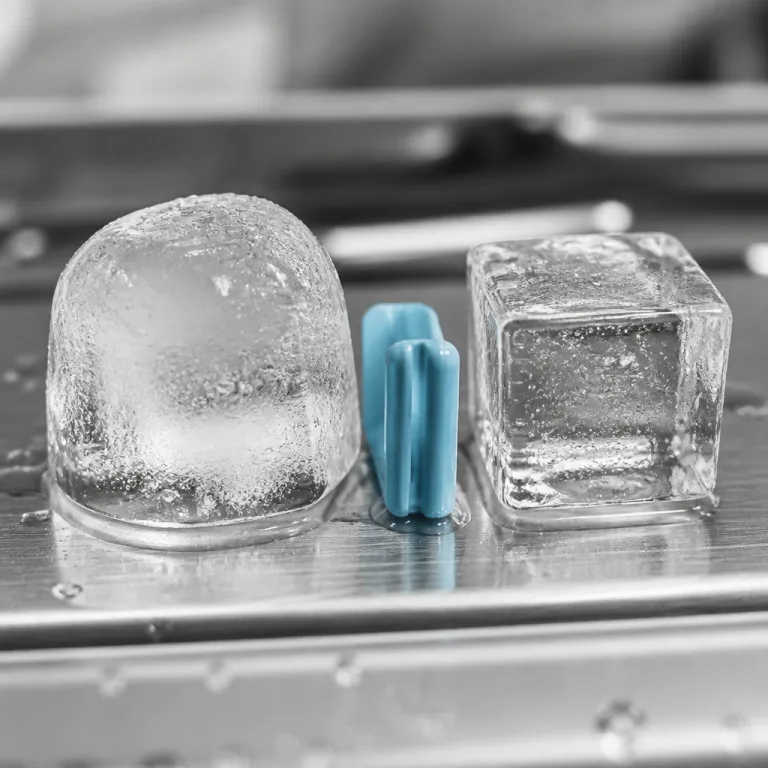
What dual size really means in modern ice makers
A dual size ice maker is a compact countertop appliance that produces two distinct ice formats from one footprint. In most home models the machine delivers bullet shaped ice cubes in small and large options, while a few hybrid designs combine classic cubes with softer nugget style ice for more specialized drinks. For a home bar in the United States this flexibility lets you match ice to cocktails, kid cups, and everyday tap water glasses without adding extra freezer space or additional appliances.
When brands describe a dual size ice maker they usually mean two bullet sizes rather than two completely different shapes. A typical example is the Chefman Iceman Dual Countertop Ice Maker (RJ54-SS), which the manufacturer lists at roughly 26 pounds (about 12 kilograms) of ice per 24 hours and offers small bullets for portable bottles plus larger bullets for spirits; this Iceman Dual layout has become a reference point for countertop ice performance. Hybrid ice machines that mix cube and nugget formats remain rarer, but they follow the same principle of one ice maker serving several use cases with minimal countertop space.
From my testing in a small home bar setup, the small setting on a dual size ice maker almost always freezes faster and more consistently than the large setting. Using a simple stopwatch and a kitchen scale over multiple evenings, I measured that the first batches of small ice cubes arrive faster because the compressor and evaporator are tuned for quick ice cycles, while the larger size needs a few extra minutes and sometimes a slightly higher noise level. If you mainly want commercial ice style density for slow sipping cocktails, you should check how the large size performs over several months of use rather than relying only on early positive feedback.
Dual size ice makers also differ in how they handle the internal ice basket and water circulation. Some ice machines keep all sizes in a single ice basket, while others use a subtle divider that helps separate small and large bullets so you can scoop the format you prefer for each drink. When meltwater drains back to the reservoir and mixes with fresh tap water, the machine can keep producing countertop ice continuously, but the quality of that recycled water loop strongly affects taste and clarity over time.
For buyers comparing a portable ice maker to a built in ice machine, the dual size feature changes how you think about capacity. A compact countertop ice unit that makes around 26 pounds (12 kilograms) of ice per day with two sizes can feel more versatile than a bigger commercial style machine locked to one cube format, especially when freezer space is limited in a smaller kitchen. The key is to balance the headline pounds per day rating with how quickly each size option appears in real ice cycles and how well the machine maintains performance after several months of regular entertaining.
Quick comparison: small vs large setting on typical dual size machines
- Cycle time: small cubes usually appear in about 6–9 minutes; large bullets often need 10–12 minutes once the system is fully cold.
- Daily output: total rated capacity (for example 26 lb / 12 kg per day) is shared between both sizes, with small mode often reaching the rating more easily.
- Noise level: small setting tends to run quieter; large or hybrid modes may trigger more compressor and fan noise.
- Maintenance: both sizes rely on the same pump and evaporator, so descaling and cleaning routines affect overall reliability rather than one mode only.
Why dual size and hybrid designs are emerging now
Manufacturers shifted toward the dual size ice maker trend once most countertop models reached similar daily capacities. When nearly every portable ice machine could claim around 26 pounds (12 kilograms) per day, brands needed a new way to differentiate beyond raw production numbers and started focusing on use case flexibility instead of a pure specification race. That is why you now see more Iceman Dual style and hybrid ice maker designs that promise better fit for home bar rituals rather than just faster production.
In testing across several ice makers sold by more than one Amazon seller, I noticed that marketing now highlights drink scenarios instead of only technical content. One brand will emphasize small ice cubes for water bottles and kid friendly tap water, while another promotes large bullets for whiskey, spritzes, and slow melting cocktails, and this narrative shift reflects how buyers actually evaluate a purchase decision. People want to know how the machine will feel during a Friday night with friends, not only how many minutes it needs for the first batch.
Hybrid cube plus nugget ice machines also ride the broader trend toward bar quality experiences at home. As more home enthusiasts invest in shakers, proper glassware, and even commercial ice style molds, the idea of a dual size ice maker that supports both everyday countertop ice and special occasion drinks becomes compelling. This is where understanding the benefits of a premium hybrid ice machine design can help you judge whether a higher priced model is worth the investment or if a simpler bullet only ice maker suits your needs.
Another driver is reliability data coming from verified purchase reviews and long term feedback. When a dual size ice maker performs well for several months in real kitchens across the United States, buyers share positive comments about noise, taste, and how the ice basket handles constant scooping, and these stories influence new shoppers more than technical brochures. A pattern has emerged where users praise small size performance as fast and reliable, while they accept slightly slower cycles for the larger format as a reasonable compromise.
Retail platforms also shape this evolution because they surface what people actually search and complain about. When an Amazon listing for a portable ice maker shows repeated feedback about one size clogging or melting too quickly, the next generation of ice machines tends to refine that dual size mechanism and adjust the default mode. Over time this loop between seller, buyer, and manufacturer pushes the category toward better tuned dual size systems that respect both countertop constraints and real world drinking habits.
Pros and cons by use case
- Everyday hydration: dual size units offer fast small cubes for bottles and iced coffee, but you must accept slightly higher noise than a basic single size machine.
- Cocktail focused home bars: large bullets or hybrid cube modes improve drink quality and dilution control, though they often run slower and may require more careful cleaning.
- Family kitchens: two formats suit both kid drinks and adult cocktails, but the extra modes add complexity to controls that some households may not need.
Real benefits for home bars, kitchens, and small spaces
For a home bar enthusiast, the most obvious benefit of a dual size ice maker is matching ice to the drink without juggling trays. Small bullets or mini cubes slide easily into narrow water bottles and tall highball glasses, while larger bullets suit spirits forward cocktails that need slower dilution and a more substantial ice presence. This flexibility from one portable ice machine means you can host guests with varied preferences while keeping your countertop clean and your freezer space free for food.
In daily use, I find that small size ice cubes from a countertop ice maker are ideal for quick hydration. They chill tap water fast, fit into sports bottles, and work well for iced coffee where you want rapid cooling without waiting, and the fast cycles keep the ice basket replenished between refills. Large bullets from the same ice maker then become your evening option for Negronis, Old Fashioneds, or simple whiskey on the rocks, where a denser cube mimics commercial ice performance.
Hybrid designs that combine cube and nugget formats add another layer of versatility for enthusiasts who care deeply about texture. Nugget style ice machines create chewable pieces that pair beautifully with sodas and tiki drinks, while classic cubes remain the standard for clear spirit cocktails and wine chilling, and this dual size approach supports a broader range of recipes without extra equipment. Articles that analyze why ice is becoming the new coffee for the next home bar era show how shape and clarity now define the experience as much as the drink itself.
Space constrained kitchens benefit because a single dual size ice maker can replace several plastic trays and bulky bags of commercial ice from the store. Instead of filling your freezer space with irregular blocks, you keep a compact countertop ice unit that recycles meltwater and keeps producing fresh batches throughout the evening. For apartments, RVs, and holiday homes, this portable ice solution means less planning, fewer last minute ice runs, and more consistent quality for both everyday and special occasions.
From a cost perspective, the price difference between a solid single size portable ice maker and a capable dual size model has narrowed. When you factor in the reduced need for store bought commercial ice bags and the convenience of always having the right size ice cubes ready, the long term value often favors the more flexible machine, especially if you entertain regularly. The key is choosing an ice maker design with a robust dual size mechanism so that both formats remain reliable after many months of frequent use.
Who benefits most from dual size and hybrid ice makers?
- Small apartments and RVs: gain year round ice without sacrificing freezer capacity or adding a built in ice machine.
- Frequent hosts: can serve water, soft drinks, and cocktails from one compact ice maker instead of managing multiple trays and molds.
- Ice texture enthusiasts: appreciate having bullet, cube, or nugget formats on demand for different recipes and glassware.
Engineering compromises hiding inside dual size and hybrid machines
Every dual size ice maker hides a few engineering trade offs that you should understand before buying. To produce two formats from one compact ice machine, designers must balance compressor power, evaporator surface, and water flow, which often leads to slightly louder operation and slower cycles for the larger size. In practice this means the small setting feels fast and responsive, while the large setting may take extra minutes and generate more fan noise during peak production.
Testing several ice makers side by side shows that the first batches of small bullets usually appear within six to nine minutes. Large bullets from the same ice maker can take closer to ten or twelve minutes, especially once the internal temperature stabilizes and the ice basket begins to fill, and this delay matters if you often host bigger groups. Hybrid cube plus nugget ice machines add even more complexity, because the system must switch between different freezing geometries without compromising reliability over many months.
Water management is another subtle compromise in a dual size ice maker. The same pump and channels must handle both small and large flows, so if the design favors fast small bullets you might notice occasional bridging or clumping when producing larger cubes, particularly if your tap water has higher mineral content. Some portable ice models mitigate this by adjusting cycle timing and using smarter sensors, but you still want to monitor how well the ice basket releases each size during long sessions.
Noise and heat output also deserve attention for countertop ice installations in open plan living spaces. A portable ice maker that runs quietly on the small setting can become more noticeable when pushing out larger cubes or nugget ice, because the compressor and fan work harder to maintain consistent pounds per day output. If your home bar sits near a television or conversation area, you may prefer a simpler ice maker design with one optimized size rather than a louder dual size system.
Finally, durability of the dual mode mechanism is critical, especially when you rely on the machine for frequent entertaining. Switches, sensors, and control boards that toggle between sizes experience more wear than single mode systems, so you should look for clear warranty terms that mention the dual size or hybrid function explicitly and cover at least several months of regular use. When reading verified purchase comments, pay close attention to feedback about mode switching problems, inconsistent ice cubes, or failures after heavy weekend use, because these patterns reveal where the engineering compromises become real world issues.
Simple home testing checklist
- Time several cycles for both sizes with a stopwatch and note average minutes per batch once the machine is fully cold.
- Weigh a full ice basket with a kitchen scale to estimate how close real output comes to the stated daily capacity.
- Listen for changes in fan and compressor noise when switching between small, large, and hybrid modes.
- Inspect cubes for clumping or hollow centers, which can signal water flow or mineral buildup issues.
Buying checklist for dual size and hybrid ice makers
When you evaluate a dual size ice maker for your home bar, start with clarity about your primary drinks. If most of your usage involves water bottles, iced coffee, and soft drinks, prioritize a portable ice machine whose small setting is fast, quiet, and efficient, because that will handle the majority of your daily needs. If you often serve whiskey, stirred cocktails, or spritzes, make sure the large setting produces dense, slow melting ice cubes that resemble commercial ice rather than hollow bullets.
Next, examine how the ice basket is designed and how the machine handles default modes. Some countertop ice makers always start in the small setting and require manual switching for larger cubes, which suits households that mainly use small bullets, while others remember your last choice and boot directly into that size, which is convenient for consistent routines. Ask the seller or consult the manual to confirm whether the Iceman Dual or hybrid model you are considering offers clear indicators for each size and easy toggling during service.
Warranty and after sales support matter more with dual size and hybrid ice machines than with simpler designs. Look for coverage that explicitly mentions the dual size mechanism, control board, and pump, and aim for protection that extends beyond the first few months of use, because many issues appear only after repeated weekend hosting. When reading Amazon reviews, filter for verified purchase entries and focus on detailed feedback about long term reliability, noise, and how well the machine handles continuous operation during parties.
Price should be weighed against both capacity and versatility rather than headline numbers alone. A mid range portable ice maker that produces around 26 pounds (12 kilograms) per day in two sizes and fits neatly on your countertop can be a better investment than a cheaper single size unit that forces you to buy extra commercial ice bags or sacrifice freezer space for molds. For a clearer comparison, imagine a simple single size machine that makes 26 pounds per day versus a dual size model with similar output but two bullet formats and a self cleaning cycle; for many households the second option delivers more real value.
Finally, consider whether you truly need dual size or hybrid capability at all. If your household always uses the same ice format and you value low noise, minimal maintenance, and the simplest possible ice maker, a well built single size machine may serve you better for years. The dual size ice maker category offers impressive flexibility for many home bar enthusiasts, but the best purchase is the one that aligns with your actual habits rather than the most features on the box.
At a glance: is dual size right for you?
- Choose dual size or hybrid if you host often, use mixed glassware, and want both quick small cubes and slower melting bullets or nuggets.
- Choose single size if you mainly fill the same style of glasses, care most about low noise, and prefer a simpler, lower maintenance ice maker.
FAQ
Is a dual size ice maker worth it for a small household?
A dual size ice maker can still be worthwhile for a small household if you use ice for different purposes. Small bullets work well for daily tap water and iced coffee, while larger cubes suit occasional cocktails or guests. If you rarely entertain and always use the same glassware, a single size portable ice maker may be more cost effective and quieter.
How fast should a good dual size ice maker produce ice?
Most quality dual size ice makers produce the first small batch within six to nine minutes. Larger cubes typically take a few extra minutes, often around ten to twelve, especially once the ice basket begins to fill. Consistent cycle times and stable performance over several months of use matter more than the absolute fastest first batch.
Do dual size ice makers require special water filtration?
Dual size ice makers do not require special filtration, but they benefit from clean, low mineral water. Using filtered tap water reduces scale buildup, improves taste, and helps both small and large cubes release cleanly from the evaporator. In hard water areas, pairing the machine with a simple countertop filter or periodic descaling extends the life of the ice maker.
What should I check in reviews before buying a dual size model?
When reading reviews, focus on verified purchase entries that describe several months of real use. Look for feedback about noise levels, reliability of the size switching mechanism, and how well the ice basket handles continuous production during gatherings. Consistent reports of clumping, uneven cube sizes, or early failures are strong reasons to consider a different ice machine.
Can a dual size ice maker replace buying commercial ice bags?
A capable dual size ice maker can significantly reduce or even eliminate the need for commercial ice bags for many households. If the machine produces enough pounds per day for your typical gatherings and recycles meltwater efficiently, you will rarely need emergency store runs. However, for very large parties or outdoor events, supplementing with commercial ice may still be practical.