What your ice maker self-cleaning cycle actually does
Pressing the self-clean button feels reassuring, but it only rinses part of the path your ice and water travel. The typical ice maker self-cleaning cycle circulates a mild acidic cleaning solution through the internal water circuit, touching the reservoir, pump, tubing, and the cold metal surface where the machine freezes clean ice. That automated cleaning program is valuable, yet it was never designed to replace a full hygiene routine for a food service appliance that handles ice you serve to paying guests.
On most countertop and undercounter ice machines, the manufacturer expects you to pour a branded machine cleaner or a generic descaling solution into the water pan, then start the programmed cycle. During that time the ice maker behaves like a small dishwasher for its own interior, using water and cleaner to soften mineral scale from hard water and to flush loose debris toward the drain. When the cycle ends, the machine usually runs a extended rinse with warm water so that no chemical taste remains in the next batch of ice.
From field testing in cafés and food trucks, the same pattern shows up repeatedly. Owners assume the self-cleaning cycle will remove limescale, biofilm, and odors everywhere, yet the program only reaches the wet mechanical parts of the machine. The storage bin, the ice scoop, the exterior of the water pan, and the underside of the drain cap stay untouched, even though those areas are where cleaning ice habits matter most for safety and taste.
Think of the self-cleaning feature as a way to keep the hidden water system from choking on mineral deposits, not as a full sanitizing service. It helps protect the evaporator plate from hard water buildup and keeps the pump from seizing, which directly affects how much ice the machine will produce during a busy service. However, no internal cycle can scrub dried syrup from an ice scoop or remove slime from a neglected storage bin where meltwater has been sitting for far too long.
When you evaluate an ice maker as a buyer, read the manual and learn precise details about what the program actually covers. Some brands specify that their cleaning cycle only handles scale, while others mention light biofilm removal but still require manual scrubbing of the bin and drain. Your purchase decision should factor in how easy it is to access the interior, remove panels, and reach the water pan, because you will be doing that work regularly if you care about clean ice and consistent flavor.
For cafés that rely on compact ice machines instead of full commercial units, the difference between a well designed cleaning cycle and a weak one shows up in downtime. A strong program, paired with a good machine cleaner, extends the time between deep manual cleanings and reduces the risk that hard water will clog the system on a Saturday rush. A weak or poorly used cycle leaves scale in the interior, so the ice maker slowly loses capacity, runs longer, and wastes both water and electricity.
The hygiene blind spots your self-cleaning button always skips
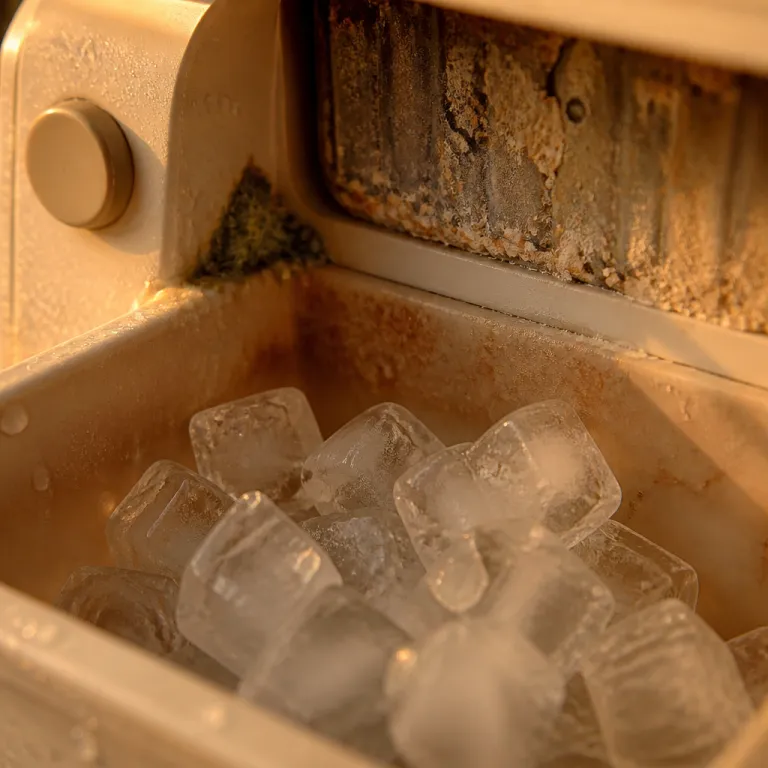
The biggest flaw in the typical ice maker self-cleaning cycle is what it never touches. Every ice machine has a storage bin where finished ice falls, melts slightly, and then refreezes against other cubes, and that bin is usually the warmest, wettest, and dirtiest part of the appliance. Yet the automated cleaning cycle rarely sends any cleaning solution into that bin, which means biofilm, mold, and off odors can thrive right where your customers’ drinks meet the ice.
Health inspectors focus on the bin, the ice scoop, and the drain line because these are open to air, hands, and splashes from the bar. When technicians remove the front panel during routine service, they often find a water pan coated with a thin layer of pink or brown slime, even though the owner runs the cleaning cycle every week. That slime is biofilm, and once it establishes itself in the storage bin or on the underside of the drain cap, no amount of automated rinsing with warm water will fully remove it.
Another blind spot is the water inlet and filtration system, especially in hard water regions. Many compact ice machines marketed with a strong ice maker self-cleaning cycle still rely on a simple mesh screen instead of a proper filter, so minerals and fine sediment enter the interior and settle in the pan. Over time, this sediment hardens into scale that the machine cleaner struggles to dissolve, and the ice maker starts producing cloudy ice, strange tastes, and sometimes reduced output during peak service.
Marketing at trade shows has made this worse by overselling the button. At recent appliance and consumer electronics events, brands such as Euhomy, GoveeLife, and COTLIN have highlighted one touch self-cleaning as if it were a full sanitation program for ice machines, even though their manuals still require manual scrubbing of the storage bin and drain. If you run a café or food truck, relying only on that button can put you out of step with local food service codes that expect you to clean and sanitize every ice contact surface by hand.
The drain system is another area the cleaning cycle barely reaches. Meltwater from the storage bin flows through a narrow channel toward the drain, and any sugar, dairy, or juice that splashes into the bin during service can settle there and feed bacterial growth. Unless you periodically remove the drain cap, flush the line with a targeted cleaning solution, and physically clean the surrounding interior, you will eventually smell sour or musty odors every time the machine runs.
For buyers in hard water areas, the gap between marketing and reality is even wider. A model advertised as ideal for hard water because of its strong self-cleaning cycle may still need a prefilter and regular descaling to avoid limescale choking the water system and shortening the appliance lifespan. Before you commit, read independent testing on topics such as the best ice maker for hard water and what self-cleaning really buys you in a limescale prone kitchen, because that kind of analysis shows how much work the button actually saves in real service conditions.
A practical cleaning routine that actually keeps your ice safe
To run an ice maker that truly matches your hygiene expectations, you need a routine that goes beyond the built in cleaning cycle. Think of the programmed ice maker self-cleaning cycle as step one, focused on the interior water path, and then layer manual steps on top that target the storage bin, the water pan, and every surface that touches ice. This approach respects what the machine does well while closing the hygiene gaps that matter most for a café, bar, or food truck.
Use this quick-start checklist as a baseline routine:
Daily (5 minutes): Empty and air dry the scoop holder, discard obviously contaminated ice, and wipe the bin door handle with a food-safe sanitizer.
Weekly (10–15 minutes): Run the built-in self-cleaning cycle with plain water if the manufacturer allows it, then inspect the bin and drain area for slime, residue, or odors.
Monthly (20–30 minutes): Perform a full bin and scoop cleaning with a measured dose of cleaner, following the steps below.
For the monthly bin and scoop session, use warm water, a food safe cleaning solution, and a non scratching brush. Empty all ice from the storage bin, then remove the ice scoop, any removable pan or shelf, and soak them in a mix of warm water and cleaner. A common ratio is 1 ounce of machine cleaner or sanitizer per 1 gallon of water, but always follow the exact dosage printed on the product label. While the parts soak, scrub the bin interior, paying attention to seams and corners where cleaning ice residue and biofilm like to hide, then rinse thoroughly and let everything air dry before restarting the machine.
Next, schedule a quarterly drain and exterior service. Power the appliance off, remove the drain cap, and flush the line with a jug of warm water mixed with a small amount of baking soda, such as 1–2 tablespoons per quart, to help loosen residue and neutralize odors without damaging seals. Wipe down the exterior panels, door gaskets, and any exposed interior ledges with a clean cloth and a fresh cleaning solution, because these areas collect splashes and fingerprints that can transfer grime back into the bin during busy service.
Twice a year, pair the built in cleaning cycle with a deeper descale, especially if your water is hard. Fill the water pan with a manufacturer approved maker cleaner or a reputable machine cleaner, then run the full cleaning cycle exactly as the manual describes, allowing the solution to circulate through the interior. Afterward, drain completely, refill with clean water, and run at least one more rinse cycle so that the next batch of clean ice has no chemical aftertaste that might reach your customers’ drinks.
For a step by step walkthrough, follow a fast cleaning routine that shows how to clean an ice maker in 15 minutes, then adapt the timing to your own machine and service pattern. The goal is not perfection after every shift, but a predictable rhythm where water will never sit stagnant in the pan or bin long enough to build slime. Once you learn clean habits and repeat them, you will notice that the machine smells fresher, the ice looks clearer, and your staff spends less time reacting to sudden hygiene problems.
Some owners like to use specialized products such as Affresh ice maker cleaner tablets, which dissolve into a controlled cleaning solution for the interior. Used correctly, Affresh ice cleaner can help keep scale under control between deeper services, but it still does not replace manual scrubbing of the storage bin or the drain. Whether you choose Affresh ice products or a generic cleaner, the principle stays the same; the button and the chemistry support your work, they never replace it.
How to shop for an ice maker that is actually easy to keep clean
When you evaluate a new ice maker for your café or food truck, treat cleanability as a core specification, not an afterthought. The phrase ice maker self-cleaning cycle on a box tells you almost nothing about how easy it will be to reach the water pan, remove panels, or scrub the storage bin. You need to look past the marketing and imagine yourself or your staff performing a full cleaning service during a tight break between shifts.
Start by checking how the bin opens and whether the ice scoop has a dedicated holder that keeps it off the ice. A good design lets you remove the scoop with one hand, wipe the interior ledge, and still close the door securely so warm air and stray water do not enter the bin. Poorly designed ice machines force you to rest the scoop directly on the ice, which makes cleaning ice surfaces harder and increases the risk of cross contamination from hands, towels, or bar tools.
Next, inspect the path from the reservoir to the drain. Ask whether the water pan lifts out without tools, whether the drain cap is easy to grip with wet fingers, and whether you can see the interior surfaces that the cleaning solution will touch during a cycle. If you cannot comfortably remove the pan, reach the drain, or flush the line with warm water and baking soda, you will be tempted to rely only on the button, and over time that choice will show up as odors, slime, and customer complaints.
For buyers in hard water regions, prioritize models that combine a strong cleaning cycle with accessible filtration. Look for an appliance that either includes a replaceable filter cartridge or clearly supports an external filter, because that simple addition reduces the load on the water system and extends the time between descaling services. When you read independent guides on preparing water for clearer nugget ice, you will see how much difference proper water prep makes to both taste and maintenance workload.
Finally, pay attention to the manual’s language around maintenance, not just the glossy brochure. A trustworthy manufacturer explains how often to run the cleaning cycle, what type of machine cleaner or maker cleaner to use, and how to sanitize the storage bin and scoop by hand. If the instructions are vague, or if the brand implies that the self-cleaning feature alone will keep the interior safe forever, treat that as a warning sign that the design may not respect real world food service standards.
As a buyer, your goal is to choose an ice machine that fits your service rhythm, your water quality, and your staff capacity. A well designed model makes it easy to remove parts, apply a cleaning solution, and restart the machine without drama, so that water will flow freely, ice will stay clean, and your appliance will last longer. When you align the self-cleaning technology with a realistic manual routine, you get an ice maker that supports your business instead of quietly undermining it from the inside.
Key figures on ice maker cleaning and hygiene
- In the U.S. Food and Drug Administration’s Retail Food Risk Factor Study series (for example, the 2013 and 2017 reports on full-service and quick-service restaurants), ice machines and ice storage bins are repeatedly listed among the equipment categories with notable noncompliance for cleaning and sanitizing, highlighting how often operators overestimate what a self-cleaning cycle can handle.
- Guidance from the U.S. Centers for Disease Control and Prevention, including the Guidelines for Environmental Infection Control in Health-Care Facilities and CDC resources on safe ice handling, notes that ice can transmit pathogens when bins, scoops, or interior machine surfaces are not cleaned and sanitized regularly, which reinforces the need for manual routines beyond automated cleaning programs.
- Manufacturers of commercial ice machines such as Hoshizaki and Manitowoc typically recommend at least biannual professional service that includes descaling and sanitizing, even on models with advanced self-cleaning features. Their maintenance schedules, published in product manuals and technical service guides for units like the Hoshizaki KM series or Manitowoc Indigo NXT line, show that the industry itself does not consider the button sufficient for long term hygiene.