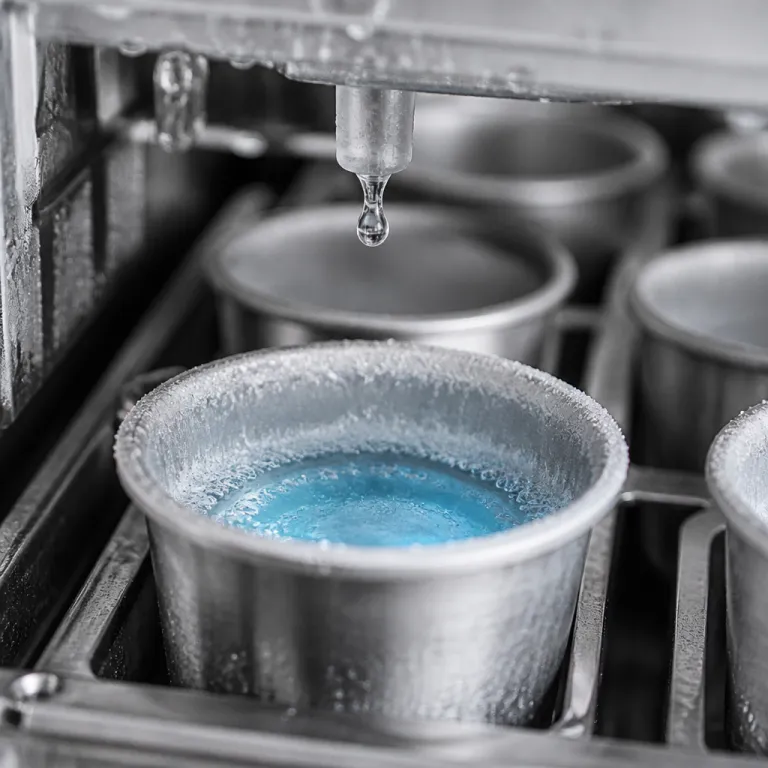
The first 60 seconds: how ice makers freeze water for clarity
When you press the power button on an ice maker, the appliance does far more than simply chill water and wait. In the opening moments, the machine primes the water inlet, starts the compressor, and conditions the evaporator surface that will shape every piece of ice. These early steps strongly influence whether you end up with cloudy water ice or the kind of clear ice cubes that make cocktails look refined.
Inside most home ice makers, a small pump moves filtered water from a reservoir toward a chilled metal plate or grid, while a valve regulates the exact flow rate to avoid splashing and uneven coverage. That plate sits above the insulated storage bin or internal freezer compartment, and as refrigerant circulates behind it, the surface temperature drops rapidly below freezing, ready to start the ice making cycle. Because the first thin layer of frozen water forms against this plate, any temperature instability during this phase will trap air and minerals, which reduces clarity and weakens quality ice.
In portable ice machines, this initial minute of operation is even more critical because the compact design leaves less thermal mass to buffer temperature swings. A portable ice maker often uses small inverted metal prongs instead of a flat plate, and water flows over or around them as the freezer ice begins to form from the outside in. If your kitchen is warm or the machine is built into a tight countertop nook with poor ventilation, the compressor works harder during this first minute, which lengthens total time per batch and can make the ice softer and more opaque.
Undercounter ice machines and larger built in models behave differently, because they usually pre chill internal components before the first full ice production cycle. In these machines, the first 60 seconds focus on stabilizing refrigerant pressure and drawing heat away from the evaporator, so when water finally reaches the plate, it freezes in a more controlled, directional way. That is why a serious buyer who wants bar quality ice should choose a model with a strong compressor and good airflow design, not just a high advertised lbs of ice per ice day. Manufacturer spec sheets from brands such as Scotsman and Hoshizaki typically highlight both daily production and recommended ventilation clearances for this reason.
Evaporator, water flow and directional freezing inside the machine
The heart of how ice makers freeze water is the evaporator, the cold surface where liquid turns into solid ice. In cube style ice makers, water flows in a thin sheet over a vertical plate or through a grid, and the cold metal pulls heat out of the water from one direction only. This directional freezing pushes dissolved gases and minerals away from the coldest side, which is why clear ice forms closest to the plate while cloudy water ice collects toward the outer face.
During the first 60 seconds of a fresh cycle, the machine calibrates water flow so that each cavity or grid cell fills evenly without overflowing into the storage bin below. A well tuned ice maker keeps the water layer thin, allowing the outer surface to freeze quickly while still letting impurities migrate toward the unfrozen center, which will later be flushed away when the cycle reverses. If the valve or pump is poorly designed, some cells receive more water than others, and those thicker sections trap air, creating inconsistent ice cubes that crack faster in a drink.
Clear ice focused models, including some undercounter ice machines used in premium home bars, use spray type systems that mist filtered water onto the plate in repeated passes. Each pass adds a very thin layer that freezes almost instantly, so the ice making process builds dense, clear layers instead of one thick, cloudy block. For buyers who care about clarity, this is where you should study how a given model handles water inlet design, spray pattern, and timing rather than only checking the stated storage capacity or daily lbs rating.
When you compare how modern ice makers really work inside your kitchen and bar, you start to see why two machines with similar specs can produce very different results. A compact countertop ice maker may advertise fast cycles, but if its evaporator plate is small and the airflow around the cabinet is restricted, the first minute of cooling will be unstable and clarity will suffer. By contrast, a slightly larger machine that is a few inch wide more and better ventilated can maintain a steady evaporator temperature, giving you clearer, harder cubes that keep ice solid longer in a cocktail glass.


Cycle duration, ambient temperature and why clarity changes
Cycle duration is the hidden lever that shapes how ice makers freeze water and how your cocktails taste. Fast cycles in small portable ice makers can produce a batch in roughly 6 to 8 minutes, but that speed often means the outer shell freezes before air and minerals can escape, leaving a cloudy core. Slower cycles in larger undercounter ice machines may take around 12 to 15 minutes, yet they create denser, clearer ice cubes that melt more slowly and dilute drinks less.
Ambient temperature in your kitchen or bar changes this timing from the very first minute of operation. When the surrounding air climbs above about 32 °C (around 90 °F), the compressor and condenser fan must work harder to pull heat away from the freezer section and evaporator, which stretches each ice making cycle and can soften the surface of the cubes. Manufacturer test data for residential ice makers is typically based on room temperatures closer to 21–24 °C, so hotter spaces almost always reduce clarity and increase melt.
Placement and ventilation matter just as much as the raw machine specs on paper. A built in undercounter ice model squeezed into a tight cabinet with no rear airflow will recycle its own hot exhaust air, raising internal temperatures and undermining quality ice from the first 60 seconds onward. If you want consistent freezer ice that stays hard in the ice bin, leave at least a few centimeter of clearance around the sides and back, and avoid pushing the machine flush against other hot appliances or a packed freezer.
For buyers who camp or entertain outdoors, pairing a portable ice machine with a high performance dual zone fridge freezer can stabilize both ice storage and drink chilling. A unit like a serious camping and ice storage fridge freezer keeps finished ice at a steady temperature, so the ice maker can focus on production instead of acting as long term storage. This separation of roles helps keep ice dry and free flowing in the storage bin, which is crucial when you are serving multiple cocktails over several hours and want every round to taste the same.
Water quality, filtration and the path to bar worthy clear ice
Water quality is the single biggest factor most buyers overlook when asking how ice makers freeze water clearly. Even the best ice machine cannot fully compensate for tap water with very high total dissolved solids, because minerals and microscopic particles become trapped as the ice forms from the outside in. When TDS levels rise above roughly 300 parts per million, you will often see more haze and white streaks in both cube ice and nugget ice, regardless of the machine’s price. That 300 ppm figure reflects a commonly cited home bar and water treatment guideline for optimizing clarity, not a regulatory safety threshold.
Using filtered water changes the freezing behavior from the first 60 seconds of each cycle. Cleaner water allows gases and remaining minerals to migrate more easily toward the unfrozen center, which the machine can then purge when it briefly warms the evaporator to release the finished ice into the storage bin. This is why many premium ice makers either include a built in filter or recommend connecting the water inlet to an external filtration system rather than relying on unfiltered tap water.
For portable ice machines with manual fill reservoirs, a simple countertop filter pitcher can already improve clarity and taste. If you are serious about craft cocktails, consider a dedicated under sink filter feeding your ice maker, so every batch of water ice starts with consistent mineral content and fewer off flavors. Over time, this also reduces scale buildup inside the machine, helping valves, pumps and the evaporator surface maintain performance and extending the overall service life.
Buyers who want to go deeper can use a small TDS meter to measure their water before choosing a specific model. If your readings are high, prioritize an ice maker with easy access for cleaning the water path and a robust filtration recommendation, rather than only chasing the highest lbs per ice day rating. When you combine good filtration, stable ambient temperature and a well designed freezing cycle, you get the kind of quality ice that stays crystal clear in a rocks glass and lets the spirit, not the water, lead the flavor.
Cube, nugget and undercounter systems: matching freezing tech to your bar
Not all ice makers freeze water in the same way, and the first 60 seconds reveal those differences clearly. Traditional cube machines focus on directional freezing over a plate or grid, while nugget ice machines use an auger to scrape soft flakes from a chilled cylinder before compressing them into chewable nuggets. Undercounter ice systems often combine more powerful compressors with larger storage capacity, giving you a steady supply of either cube or nugget ice tailored to your style of entertaining.
For a cocktail hobbyist, cube style ice is usually the best starting point because it balances clarity, density and versatility. A well designed countertop ice maker can produce medium to large cubes that work for shaking, stirring and serving on the rocks, as long as the freezing cycle is long enough to build dense layers. If you prefer tall highball drinks or spirit forward pours, look for a machine that forms larger cubes and keeps them in a well insulated storage bin, so they keep ice solid without fusing into a single block.
Nugget ice has its own charm, especially for long, refreshing drinks and mocktails. Because nugget ice is made from compressed flakes, it contains more tiny air pockets, which makes it easier to chew but also faster to melt, so clarity matters less than texture. When you evaluate a nugget ice maker, focus on how the auger, cylinder and compressor work together in the first minute to start forming consistent flakes, and check that the storage bin drains meltwater effectively to avoid soggy, partially refrozen nuggets.
Smart features can also influence how ice makers freeze water and manage the early part of each cycle. Some modern models with Wi Fi or app control let you schedule ice production ahead of a party, so the machine has time to stabilize temperatures and fill the bin before guests arrive. If you are comparing several makers, pay attention to how each machine handles start up, cleaning cycles and alerts, because these details will shape both day to day convenience and the long term quality of the ice you serve.
| Type | Typical cycle time | Ice texture | Best for |
|---|---|---|---|
| Countertop cube maker | ~6–10 minutes per batch | Small to medium cubes, moderate clarity | Everyday drinks, casual cocktails |
| Undercounter cube machine | ~12–15 minutes per batch | Larger, denser cubes, higher clarity | Home bars, frequent entertaining |
| Nugget ice maker | Continuous production | Soft, chewable nuggets | Highballs, mocktails, soft drinks |
FAQ
Why does my portable ice maker produce cloudy cubes even with filtered water?
Cloudiness usually comes from fast freezing and trapped air rather than only from poor water quality. Portable ice machines often run short cycles to hit impressive lbs per ice day numbers, which does not give gases enough time to escape before the outer shell hardens. Slowing production with an eco mode, improving ventilation around the cabinet and using colder filtered water can all help the first 60 seconds of freezing stay more stable.
How much does kitchen temperature affect how ice makers freeze water?
Warm kitchens force the compressor and condenser to work harder from the moment you start the machine. If the air around the cabinet is hot, the evaporator takes longer to reach its target temperature, which stretches cycle time and can soften the surface of the cubes in the storage bin. Keeping the ice maker away from ovens, dishwashers and direct sun helps maintain consistent clarity and texture.
Is nugget ice or cube ice better for cocktails at home?
Cube ice is usually better for classic cocktails because it melts more slowly and keeps flavors balanced. Nugget ice shines in tall, refreshing drinks where you want quick chilling and a chewable texture, but it will dilute spirits faster. Many home bars benefit from a cube focused primary ice maker and a smaller nugget ice machine for casual drinks and mocktails.
Do I really need a built in or undercounter ice machine for clear ice?
You can achieve reasonably clear ice with a good countertop ice maker, filtered water and careful placement, especially if you choose a model with longer cycles. Built in and undercounter machines add more powerful compressors, better insulation and larger storage capacity, which make it easier to maintain clarity during heavy entertaining. The right choice depends on how often you host, how much space you have and how critical perfectly clear ice is to your bar experience.
How often should I clean my ice maker to maintain ice quality?
Regular cleaning keeps mineral buildup and biofilm from disrupting how ice makers freeze water and release cubes. For most home users, a full cleaning every one to three months, plus quick rinses of the reservoir and ice bin between those deep cleans, maintains both clarity and taste. If your water is hard or you run the machine daily, lean toward the more frequent end of that range.