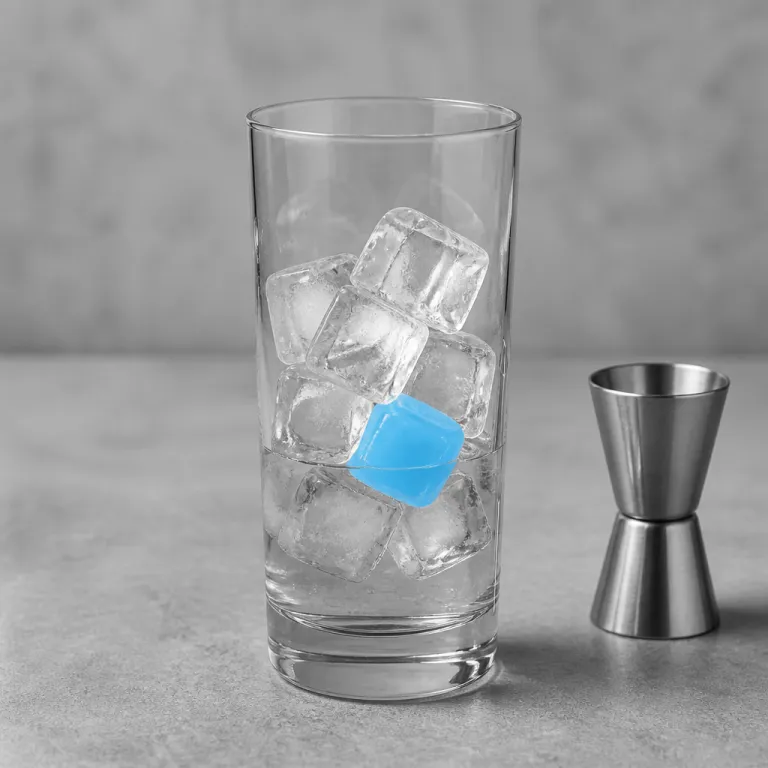
Understanding how many ounces in a highball glass for ice forward drinks
A standard highball glass usually holds between 240 and 300 millilitres, which equals roughly 8 to 10 ounces of liquid for most mixed drinks. When you plan cocktails around this classic highball size, you can match your ice maker output and your ice storage bins so every tall drink is consistently chilled without overflowing. For ice maker buyers, knowing exactly how many ounces in a highball glass helps you calculate how many drinks you can serve from one full bin of ice.
Most classic highball recipes assume a glass that can comfortably hold 6 to 8 ounces of mixer plus a generous amount of served ice cubes on top of the base spirit. That means your drinkware and glassware choices directly influence how hard your ice maker and ice mixer must work during a busy evening of drinking and entertaining. If your highball glasses are closer to 350 millilitres, you will pour more whiskey, gin tonic or scotch soda per drink, so your ice storage bin must keep up with the extra drinks.
Think of the highball glass as a calibrated tool rather than just another glass in a random set of glasses. The tall profile is designed so that spirits, mixers and ice stack in clear layers, giving every cocktail lover a perfect cocktail balance between dilution and flavour. When you understand how many ounces in a highball glass you can also decide when a rocks glass, a collins glass or lowball glasses are better suited to your drinks and your available ice.
| Glass type | Typical volume (ml) | Typical volume (oz) | Common ice load |
|---|---|---|---|
| Classic highball glass | 240–300 ml | 8–10 oz | 3–5 medium cubes |
| Collins glass | 300–350 ml | 10–12 oz | 4–6 medium cubes |
| Rocks / lowball glass | 180–240 ml | 6–8 oz | 1–3 large cubes |
Choosing the right glass size to match your ice storage bin capacity
Ice maker buyers often underestimate how strongly glass size affects daily ice consumption and the workload of their ice storage bins. A bar that serves mainly classic highball drinks in 8 ounce highball glasses will use less ice per drink than one pouring into oversized cocktail glass designs that hold ounces well above 350 millilitres. When you scale this across many drinks during service, the difference can empty a small bin hours earlier than expected.
For home users, pairing a compact ice maker with a modest ice storage bin and a set of slim glass highball pieces is usually the most efficient approach. Each tall drink in a standard highball glass uses two to four large cubes of ice, so you can estimate how many cocktails your bin supports before it needs refilling. If you prefer heavier drinking in rocks glass formats or lowball glasses packed with served ice, you should plan for a larger bin or a faster producing machine.
Professional buyers should map their menu of classic cocktails, gin tonic variations and tonic scotch or scotch soda serves against the exact volume their drinkware will hold. When a collins glass or collins glasses are used instead of a classic highball, the extra height and volume can increase ice demand by twenty to thirty percent. To align your storage with this reality, review specialized guidance on selecting high capacity ice storage bins and then standardize your glassware set so every drink is predictable.
Designing the perfect highball and rocks service around your ice maker
Once you know how many ounces in a highball glass, you can design each perfect highball recipe to match your ice maker’s rhythm. A classic highball built in a 9 ounce highball glass might use 50 millilitres (about 1.75 ounces) of whiskey, 150 millilitres (about 5 ounces) of soda and enough ice to reach the rim. By contrast, a mixed drink in a rocks glass or lowball glasses will concentrate the same ounce measure of spirit over less mixer and more ice, changing both flavour and ice usage.
For cocktail lovers who rotate between tall drinks and short drinks, it helps to group glassware into a coherent set that covers highball glasses, collins glasses and sturdy rocks glass options. This way your drinkware and glassware collection supports everything from a long gin tonic in a collins glass to a slow sipping whiskey on served ice in a low tumbler. When your ice mixer and ice maker can keep pace with this variety, you avoid the frustration of half filled glasses or warm cocktails.
Packaging and storage also matter, especially if you bag ice from a larger machine into a dedicated ice storage bin. To keep every cocktail glass consistently chilled, review best practices on choosing the right ice packaging for your needs so cubes stay dry and separate. With well managed storage, each highball glass, glass highball or rocks glass you fill will showcase clear ice, precise ounce measures and a perfect cocktail balance.
Ice storage bins, highball glasses and service flow for busy hosts
In a busy home bar, the combination of ice maker, ice storage bin and highball glass selection determines how smoothly service flows during parties. If you plan to serve many tall drinks like gin tonic, tonic scotch or scotch soda in classic highball glasses, you should calculate how many ounces in a highball glass times the number of guests to size your bin. A compact bin that holds only a few kilograms of ice may struggle once several cocktails and mixed drink orders arrive at once.
One practical strategy is to separate glassware into zones so guests know which glasses suit which drinks and how much ice they require. Place highball glasses and collins glasses near the soda and tonic, while lowball glasses and rocks glass options sit beside the whiskey and other sipping spirits. This simple layout helps guests pour the right size drink, use the correct amount of served ice and avoid draining the bin with oversized, overfilled glasses.
For serious cocktail lovers, investing in a larger bin and a coordinated glass set can transform the experience of drinking at home. When every cocktail glass, glass highball and collins glass is matched to your machine’s production rate, you maintain cold drinks without constant refills. To refine your setup further, you can consult specialized advice on optimizing ice handling tools for ice maker owners, which complements a well planned storage and glassware strategy.
Comparing highball, collins and lowball glasses for ice efficiency
Although many buyers treat all tall glasses as interchangeable, the difference between a classic highball glass and a collins glass has real implications for ice usage. A typical highball glass holds around 8 to 10 ounce volumes, while a collins glass often stretches to 10 to 12 ounces, demanding more mixer and more ice. Lowball glasses and the traditional rocks glass usually sit closer to 6 to 8 ounces, concentrating flavour but also packing in dense served ice.
When you plan how many ounces in a highball glass versus these alternatives, you can fine tune recipes and bin capacity. For example, a gin tonic in a collins glass may require an extra cube or two of ice compared with the same drink in a glass highball, which adds up over many drinks. A whiskey served on the rocks in lowball glasses uses fewer mixers but often more ice surface area, which can melt faster and increase overall ice demand.
Ice maker buyers should test their favourite classic cocktails in each type of drinkware to see how the size and shape influence dilution and temperature. Pour the same ounce measure of spirit into a highball glass, a collins glass and a rocks glass, then track how long the drink stays cold and balanced. This hands on comparison reveals which glasses and which set of glassware best align with your ice maker’s production rate and your preferred style of drinking.
Planning your ice maker and storage bin purchase around real drink volumes
Before investing in an ice maker and matching ice storage bins, start by listing the drinks you serve most often and the glasses you prefer. If your household leans toward many tall drinks in highball glasses, calculate how many ounces in a highball glass multiplied by your typical round size to estimate ice needs. A family that enjoys classic cocktails, gin tonic variations and tonic scotch in a mix of collins glasses and glass highball pieces will require more ice than one that mainly pours neat whiskey.
Translate these habits into concrete numbers by counting how many cubes you place in each cocktail glass or rocks glass during normal drinking. Multiply that by the number of drinks you expect per hour, and you will see whether a compact bin or a larger storage solution is appropriate. This method ensures your perfect highball, your favourite mixed drink and your slow sipping whiskey on served ice all remain consistently chilled without overworking the machine.
Finally, choose a glassware set that standardizes your service so recipes are repeatable and ice planning stays simple. When every highball glass in the set holds ounces within a narrow range, you can trust that each perfect cocktail will taste the same from night to night. Aligning glass size, drinkware style and bin capacity in this way gives ice maker buyers a professional level of control over both drinks and ice.
Key figures for highball glass volumes and ice planning
- Most standard highball glasses hold between 240 and 300 millilitres, which corresponds to roughly 8 to 10 ounces of liquid excluding ice, based on typical barware specification sheets from manufacturers such as Libbey and Arcoroc.
- Collins glasses typically range from 300 to 350 millilitres, or about 10 to 12 ounces, meaning they can require up to 30 percent more ice and mixer than a classic highball glass of 240 millilitres, according to common hospitality glassware catalogues.
- Typical rocks glass designs used for whiskey on the rocks or short cocktails usually hold 180 to 240 millilitres, or about 6 to 8 ounces, which concentrates flavour but often uses larger or denser ice cubes, as shown in standard old fashioned glass listings from major bar suppliers.
- Commercial under counter ice makers for small bars often produce between 20 and 40 kilograms of ice per day, which is generally sufficient to support around 150 to 300 highball drinks with standard ice loads, based on production ranges published in leading commercial ice machine brochures.
- Insulated ice storage bins can reduce ice melt by more than 50 percent compared with non insulated containers, according to performance comparisons commonly reported in commercial refrigeration product literature and food service equipment guides.
FAQ about highball glass volumes and ice maker planning
How many ounces are usually in a standard highball glass ?
A standard highball glass usually holds between 8 and 10 ounces of liquid, not counting the ice. This range is common across most barware brands and works well for mixed drinks with a base spirit and a carbonated mixer. When planning ice usage, assume that ice will displace roughly one third of the total glass volume.
How does glass size affect the ice maker I should buy ?
Larger glasses require more ice per drink, which increases the daily production your ice maker must deliver. If you mainly use collins glasses or oversized highball glasses, choose a machine with higher kilogram per day output and a larger storage bin. Smaller rocks glass or lowball glasses reduce ice demand but may need larger cubes to avoid rapid melting.
Is a collins glass better than a highball glass for long drinks ?
A collins glass is taller and usually holds more ounces than a classic highball glass, which can be beneficial for very long drinks with extra mixer. However, the larger size also demands more ice and can dilute flavours if recipes are not adjusted. For most home bars, a standard highball glass offers a good balance between volume, ice usage and flavour concentration.
How many ice cubes should I use in a highball glass ?
For an 8 to 10 ounce highball glass, three to five medium cubes or two large format cubes usually provide good chilling and controlled dilution. Filling the glass at least two thirds full with ice helps keep carbonated mixers lively and spirits balanced. You can adjust the number of cubes slightly based on the strength of the drink and your personal preference.
Do I need different ice for rocks glasses and highball glasses ?
Rocks glasses often benefit from larger cubes or spheres that melt slowly and preserve the flavour of whiskey or other sipping spirits. Highball glasses work well with smaller cubes or standard machine ice, which chill quickly and integrate smoothly into mixed drinks. If your ice maker supports multiple cube sizes, you can reserve larger pieces for rocks service and standard cubes for tall cocktails.