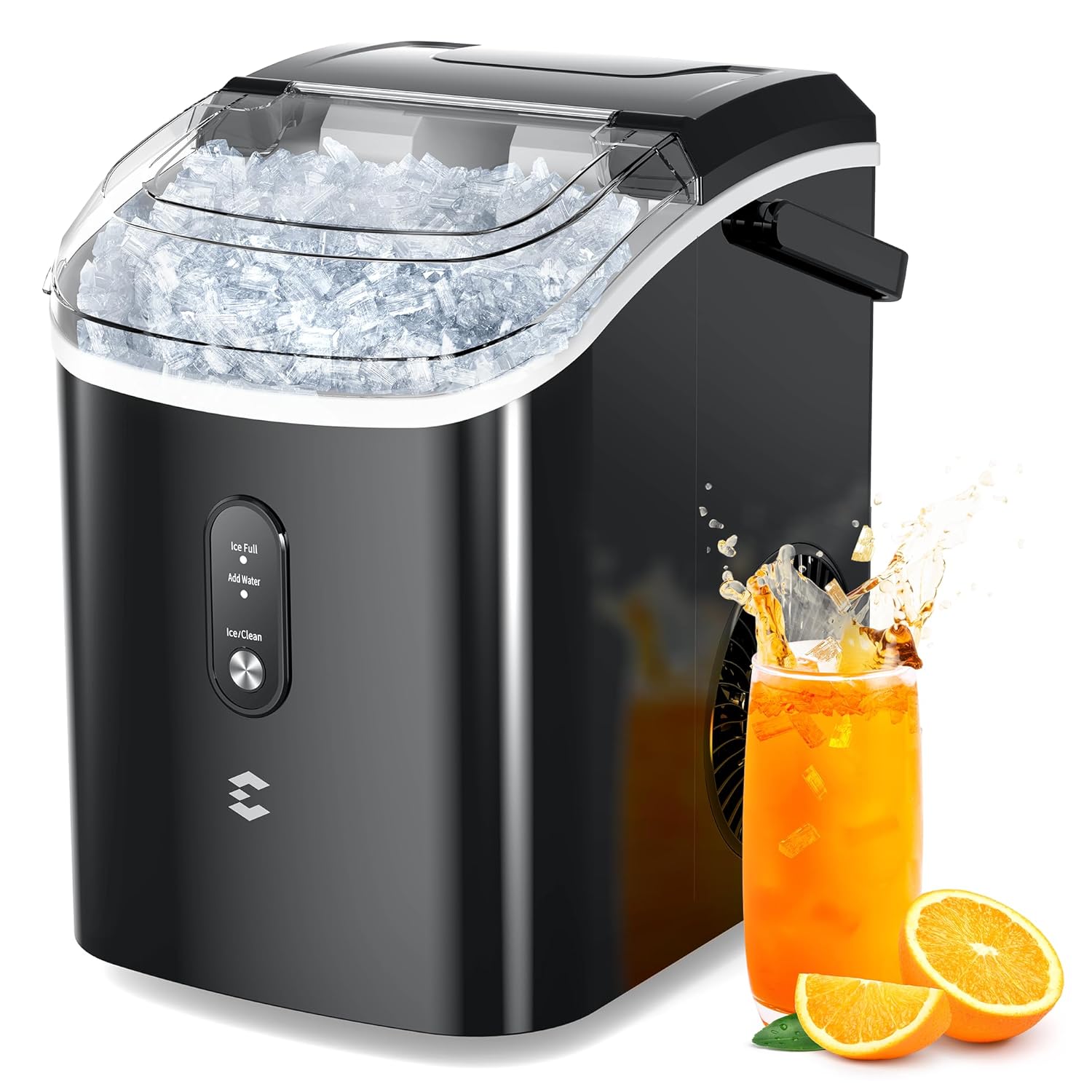
Key criteria to evaluate any ice storage bin before you buy
Start by checking the real capacity rating of each storage bin, expressed both in kilograms and in lbs. Manufacturers often quote bin lbs based on loosely piled ice cube loads, so always compare that figure with the actual footprint under your ice machine. For undercounter ice machines, a compact ice bin with around 80 to 120 lbs capacity usually balances storage and floor space well.
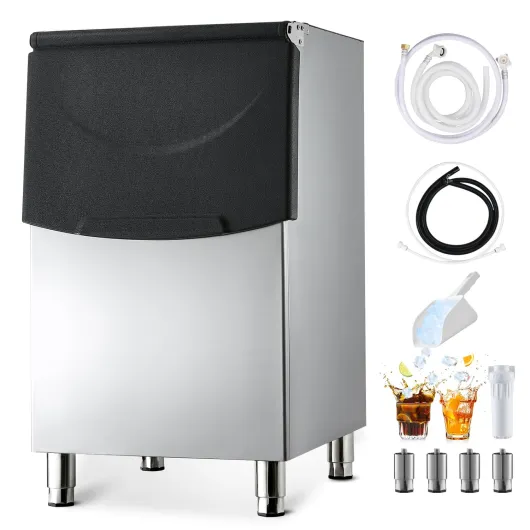
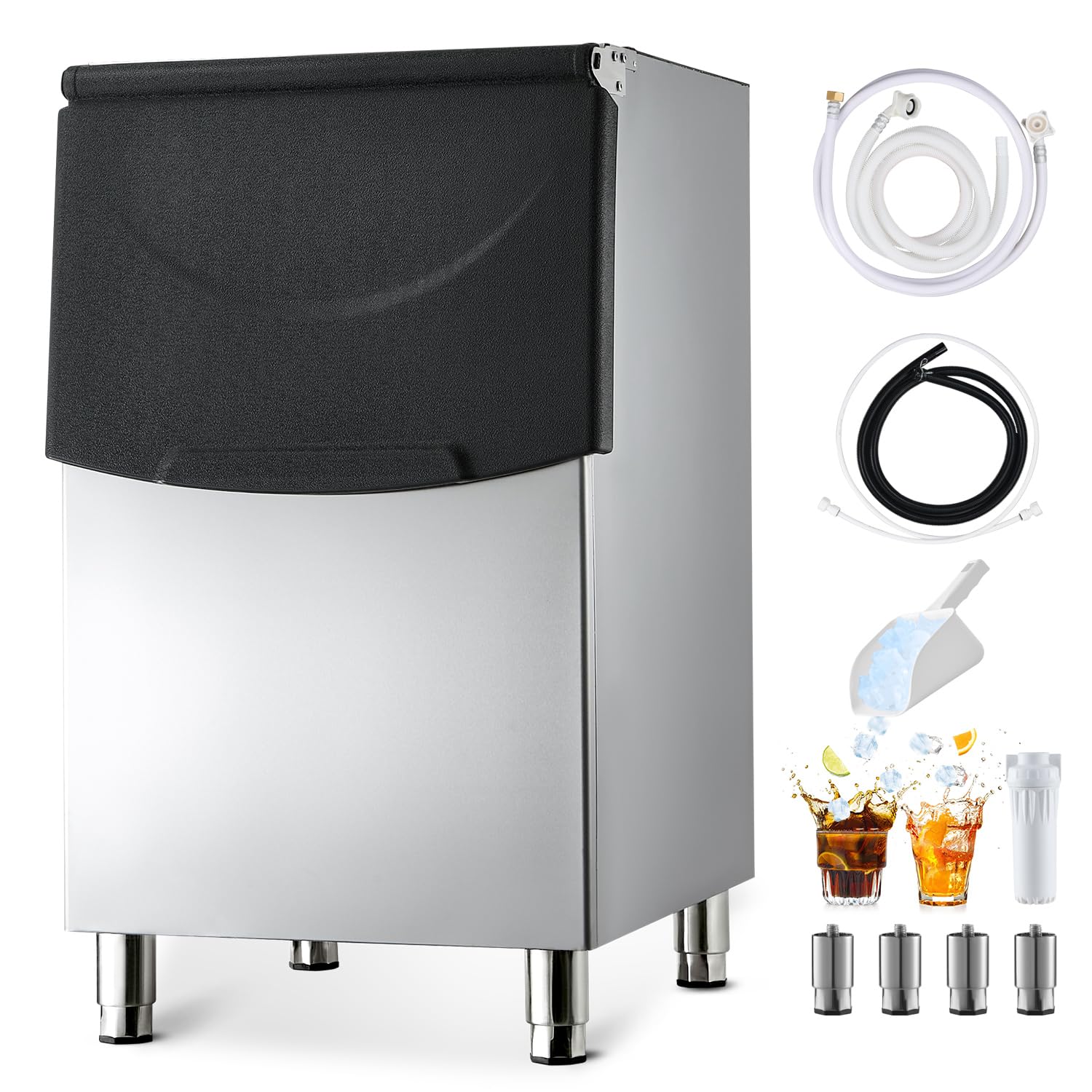
Next, examine the materials and construction of the storage bin very closely. A stainless steel exterior with a food grade plastic or stainless liner resists corrosion from ice contact and repeated cleaning chemicals, while cheaper painted steel can chip and rust. Look for stainless hinges, a robust lid that opens smoothly, and insulation thick enough to slow melting when the kitchen heats up.
Do not overlook ergonomics, because staff will use these storage bins hundreds of times per shift. A front opening ice bin with a counterbalanced lid and a dedicated scoop holder reduces bending, wrist strain, and accidental contact with ice cube layers. For a deeper dive into matching a storage bin to your workflow, see this guide on choosing the right ice storage container for your needs, which explains how storage capacity and service style interact.
Materials, insulation, and design details that separate average bins from the best
Among all options, stainless steel ice bins remain the benchmark for durability and hygiene. A high quality stainless steel exterior resists dents from heavy trays, rolling carts, and other items that constantly move through a busy bar. Inside the storage bin, a seamless liner with rounded corners prevents ice cube fragments and debris from hiding in hard to clean joints.
Insulation thickness is another decisive factor when comparing the best ice storage bins. A well insulated stainless body can hold ice for several hours longer than a thin walled alternative, which directly reduces meltwater and refreezing problems. When you pair strong insulation with a tight fitting lid, you stabilise temperature and protect every cube tray load from kitchen heat and airborne contaminants.
Design details around access and handling also matter far more than many buyers expect. A dedicated scoop holder above the ice level keeps the scoop dry and sanitary, while integrated rails for cube trays or an ice tray insert help organise different cube trays for cocktails or monogram ice cube service. If you plan to serve premium drinks with custom shapes, you can coordinate your bin layout with accessories such as monogram moulds, as explained in this article on how to elevate your drinks with monogram ice cubes.
Matching bin capacity, layout, and accessories to your ice machine
The relationship between your ice machine and its ice bin is similar to that between an engine and a fuel tank. If the storage bin is too small, the machine will shut off frequently as it hits capacity limits, wasting production potential during busy service. If the bin is too large, you may hold ice for too long, which can dull flavour and lead to clumping in the lower layers.
For a typical commercial ice machine producing around 60 to 80 kilograms per day, a storage bin with 90 to 140 lbs capacity usually balances production and reserve. High volume commercial ice systems in hotels or stadiums often pair multiple ice machines with one or more large capacity storage bins, sometimes exceeding 400 bin lbs, to cover peak events. Always verify that the stainless bin top matches the ice machine footprint, or use an approved adapter kit to ensure stable, safe stacking.
Accessories can refine how you use that capacity in daily service. A well designed cube tray or multiple cube trays allow you to pre freeze speciality ice cube formats in a separate freezer, then transfer them into a dedicated section of the ice storage bin. Matching scoops, sliding ice tray inserts, and labelled storage bins help staff separate different products, such as commercial ice for soft drinks and premium steel ice spheres for signature cocktails.
Comparing prices, retailers, and delivery options for ice storage bins
When you compare the price of different ice storage bins, always relate cost to lifespan and hygiene performance. A budget storage bin may look attractive on a simple price list, but frequent replacement, rust, and poor insulation quickly erase any savings. In contrast, a premium stainless steel bin with a thick liner and strong hinges often delivers a lower cost per year of service.
Buyers today can choose between local equipment dealers, specialist online shop platforms, and large marketplaces when sourcing an ice bin. Local dealers sometimes offer installation, configuration with your existing ice machines, and rapid service, while online retailers may provide a wider list of product options and transparent customer reviews. Many online sellers highlight benefits such as free shipping, scheduled delivery windows, and bundle discounts when you purchase both an ice machine and compatible storage bins together.
Marketplaces like Amazon can be useful for comparing user feedback on smaller storage bin models, scoops, and cube trays. However, for heavy commercial ice bins above 200 lbs capacity, working with a professional shop or distributor usually ensures correct bin lbs matching and safe delivery into tight spaces. Always confirm warranty terms, return policies, and whether the advertised free delivery includes placement inside your premises or only curbside drop off.
Hygiene, maintenance, and daily operation of your ice storage bin
Once you have selected the best ice storage bins for your operation, disciplined maintenance keeps them performing at their peak. Every ice bin should be emptied, cleaned, and sanitised on a fixed schedule that matches your volume and local health regulations. Use only approved food safe cleaners on the stainless interior and avoid abrasive pads that can scratch the liner.
Daily routines should include checking the lid seal, inspecting the scoop holder, and verifying that no foreign items have fallen into the ice storage area. Train staff never to store bottles, cans, or food in the storage bin, because these habits introduce contaminants and can damage the liner or steel exterior. A dedicated ice scoop, washed and air dried regularly, must always replace using glassware or hands to handle ice cube portions.
Operational discipline also extends to how you load and rotate ice. Always use the oldest ice first, pulling from the front or top, and avoid piling fresh ice cube loads on top of older layers that never move. For more advanced handling, some operators pair their bins with specialised tools such as an ice pick or chisel, and you can refine that toolkit using guidance from this resource on finding the perfect ice pick for sale, which helps align accessories with your chosen stainless configuration.
Key statistics and figures about ice storage bins and commercial ice
- Food safety agencies consistently classify ice as a food product, and inspections frequently cite dirty ice bins among the top ten hygiene violations in food service operations, which underlines the importance of regular cleaning schedules. For example, the U.S. FDA Food Code (see 2017 Food Code, Chapter 3, sections 3-302.11 and 3-304.12) and many local health departments treat ice handling surfaces like any other food contact area.
- Industry surveys of hospitality venues show that a well matched ice machine and storage bin combination can reduce ice waste by up to 20 percent compared with undersized or poorly insulated bins, mainly by limiting melt and clumping. Manufacturers such as Manitowoc (Ice Machine and Bin Sizing Guide, 2020) and Hoshizaki (Application and Sizing Guide, 2019) reference similar savings in their application guides for right-sizing bin capacity.
- Manufacturers of commercial ice equipment often design storage bins with insulation thickness between 30 and 50 millimetres, and tests indicate that thicker insulation can extend safe holding time for ice by several hours in hot kitchens. Specification sheets for models like the Hoshizaki B-300PF (Hoshizaki America, Technical Specifications, 2021) and Scotsman B530S (Scotsman Ice Systems, Product Spec Sheet, 2020) list comparable wall thickness and performance claims.
- Operational studies in busy bars report that ergonomic front opening bins with integrated scoop holders can cut ice retrieval time per drink by several seconds, which translates into significantly faster service during peak periods. Bar design consultants frequently highlight this in case studies on high volume cocktail programs, such as the 2018 Nightclub & Bar Show operations report and the 2019 Tales of the Cocktail bar efficiency panel summary.
- Market analyses of stainless steel food service equipment show that stainless steel ice bins typically offer service lives exceeding ten years when maintained correctly, while cheaper painted steel alternatives may require replacement in less than half that time. Warranty periods from major brands, often five years on bin construction (for example, Hoshizaki America Warranty Guide 2021 and Scotsman Ice Systems Warranty Summary 2020), support these expected service life figures.