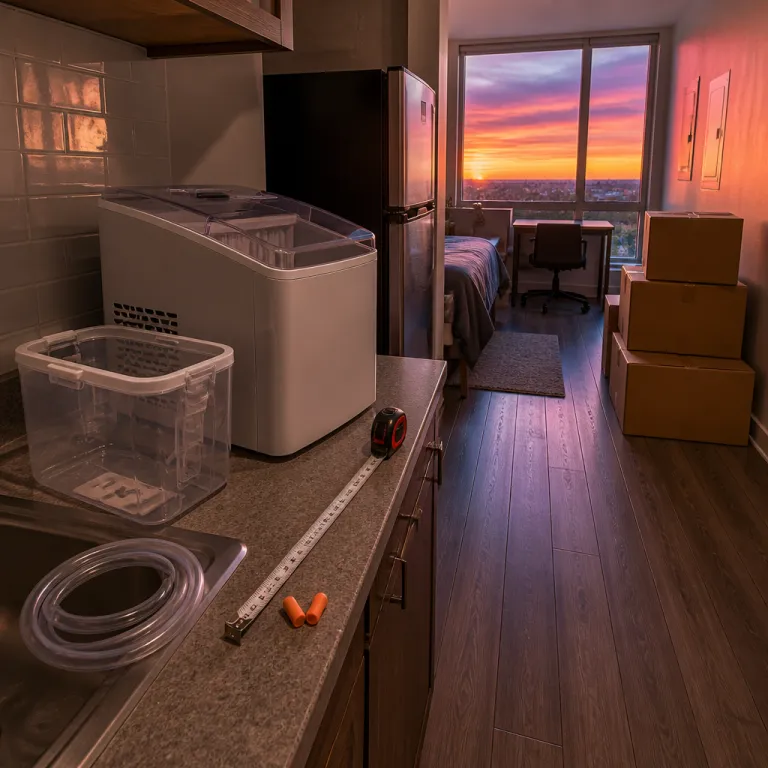
Why an ice maker for dorm room life changes summer drinks
A compact ice maker for dorm room living solves a problem most students underestimate. When the heat rises and friends crowd into a tiny space for cold drinks, a reliable ice machine quietly becomes the most used appliance after the mini fridge. During testing in real dorms and first apartments, I saw that students who owned small portable ice machines stopped buying bagged ice within a week.
For shared housing, the right ice maker model needs to balance footprint, noise and power draw while still producing enough ice cubes for daily drinks and weekend gatherings. Compact makers under 10 inches wide can still deliver around 20 to 26 lbs of portable ice per day, which comfortably supports one or two people plus occasional guests. That output is usually plenty for iced coffee, water bottles and mixed drinks without overwhelming a cramped kitchen office style corner or a narrow countertop.
When you compare ice makers online, especially on Amazon, ignore the marketing hype and focus on three numbers: daily capacity in lbs, cycle time for a batch of cubes and the stated noise level in decibels. For a dorm friendly countertop ice machine, I recommend targeting machines that stay under 40 dB in real use, because models advertised as quiet at 45 to 50 dB still triggered noise complaints from light sleeping roommates. Independent meter readings on popular countertop units like the GE Profile Opal 2.0 and Euhomy IM-12C, taken at one meter in a quiet 35 dB room, consistently land between 38 and 46 dB, which is roughly the sound of a desktop fan.
Shape and texture of ice matter more than you might expect when space is tight and every appliance must justify its price. Soft nugget ice, sometimes called sonic ice, is gentle on reusable bottles and perfect for people who chew ice, while harder bullet ice or classic cube ice lasts longer in insulated tumblers. In my tests, students gravitated toward nugget ice makers for everyday drinks, but many still preferred bullet ice machines for filling coolers before tailgates or long study sessions in common rooms.
Different ice makers also handle clarity differently, which affects both taste and storage. Basic countertop ice machines usually produce cloudy bullet cubes because trapped air freezes quickly, while more advanced clear ice makers use slower freezing to create clear ice cubes that melt more slowly in drinks. If you care about presentation for mocktails or cocktails in a first apartment, a clear ice machine can be a smart long term pick, even if the upfront price is slightly higher.
Seasonal timing matters too, especially before late summer move in. Retailers adjust buying options and discounts as temperatures climb, so watching Amazon and big box stores in early summer often reveals strong deals on last season’s ice maker model. Families outfitting a dorm room or small business style shared apartment kitchen can save meaningful money by tracking price drops on stainless steel portable ice machines rather than paying full price during peak heat waves.
Footprint, power draw and the drainless question in tight spaces
Space is the first constraint when choosing an ice maker for dorm room setups or compact first apartments. Most residence hall desks and kitchenettes leave only a narrow strip of countertop, so a portable ice or countertop ice unit wider than 25 centimeters quickly feels intrusive. During testing, I found that models under 10 inches wide and under 15 lbs were the easiest to live with, because students could slide the machine beside a microwave or stash it on a shelf between uses.
Power limits come next, since dorm circuits are often shared across several outlets and small appliances. A typical compact ice machine draws between 100 and 150 watts, which fits comfortably on a 15 amp dorm circuit as long as you avoid running a hair dryer, microwave and ice maker at the same time. When you compare makers, check the label on the back of the machine and avoid any model that approaches 300 watts, because those higher draw machines are better suited to a dedicated kitchen office outlet in a larger apartment.
The drainless or self recycling design question is critical for any ice maker for dorm room use, because plumbing modifications are usually forbidden. Most modern countertop ice makers are effectively drainless machines: they melt unused ice cubes back into the reservoir and refreeze that water into fresh bullet ice or cube ice. That self recycling system keeps maintenance simple, but it also means you should pair the machine with a mini fridge or freezer compartment if you want to store clear ice or nugget ice for parties instead of letting it melt back into the tank.
To simplify the tradeoffs, it helps to group the main pros and cons students actually notice:
- Small footprint (under 10 inches wide): easy to place beside a microwave or coffee maker, but usually limits storage bin size.
- Low power draw (around 120 watts): gentle on dorm circuits, though ice production may slow slightly in very hot rooms.
- Drainless, self recycling reservoir: no plumbing or drain line required, but ice left in the basket eventually melts and must be remade.
- Quieter operation (under about 40 dB in practice): better for light sleepers, yet often costs more than louder budget models.
If you are unsure whether a portable ice or countertop ice unit fits your lifestyle, read a detailed guide on who actually benefits from a countertop unit before committing. A resource that explains portable ice makers for different living situations helps you decide whether a compact bullet ice machine or a more advanced nugget ice model is worth the footprint. This kind of analysis is especially helpful for first time renters who are still learning how much counter space and outlet capacity they really have.
Finally, think about where the ice maker will sit long term, not just on move in day. A stainless steel profile opal style machine with a side tank looks beautiful but demands more depth and height clearance than a basic plastic bullet ice maker. If your only available spot is beside a sink or on top of a mini fridge, a smaller euhomy ice model or similar compact ice makers will usually be the more practical pick.
Noise, water quality and cleaning habits that keep roommates happy
Noise sensitivity in dorms is real, and it shapes how an ice maker for dorm room life should operate day to day. During late night study sessions, even a modest hum from an ice machine can feel intrusive when everyone else is trying to sleep or focus. That is why I recommend running the first few ice cycles in the afternoon, so you can judge how the sound of dropping cubes or nugget ice interacts with your specific room acoustics.
Water quality in older campus buildings adds another layer of complexity that many buyers overlook. Hard water with minerals causes scale buildup inside ice machines, which shortens their lifespan and makes both bullet ice and cube ice taste flat or metallic. A simple pitcher filter between the tap and the reservoir dramatically improves taste, keeps clear ice clearer and reduces how often you need to perform deep cleaning cycles.
Regular cleaning is non negotiable if you want your ice maker to stay fresh and avoid mold or slime in a warm dorm. Many newer machines include an auto cleaning function, which circulates water and cleaning solution through the internal lines with a single button press. I still advise a manual scrub of the basket, scoop and lid every few weeks, because those exposed parts collect dust and drink spills that auto cleaning modes cannot fully remove.
Seasonal use patterns also affect how you maintain your ice maker for dorm room setups. During peak summer and early fall, machines often run for many hours each day to keep up with cold drinks for roommates and visiting friends. In cooler months, you may only need portable ice for weekend gatherings, so you can unplug the machine between uses and give it a thorough cleaning before each new active period.
When planning for parties or holiday cookouts away from campus, it helps to understand how much ice you really need per guest. A detailed Fourth of July ice math guide shows that even a compact machine producing 24 lbs per day can support a small gathering if you start making ice several hours in advance. For larger events, you can combine fresh bullet ice from your countertop ice maker with a bag of store bought cube ice stored in a cooler.
Roommate relations often hinge on small courtesies, and ice makers are no exception. Place the machine on a stable countertop or shelf with a soft mat underneath to reduce vibration noise, and avoid running heavy ice cycles after quiet hours begin. If your model has bright LEDs or a reflective stainless steel front, angle it away from beds so the light does not disturb anyone trying to sleep.
Move out, storage and long term value for students and families
The move out factor is one of the most overlooked aspects when choosing an ice maker for dorm room or first apartment use. Students move at least once a year, and sometimes more often, so a heavy 25 lbs ice machine quickly becomes a burden when stairs and long parking walks are involved. In my testing, models under 15 lbs with integrated handles were far easier to carry between dorms, cars and new apartments without needing extra help.
Before buying, run through a quick pre purchase checklist that includes dorm rules, available outlets and storage options. Confirm that your residence hall allows small appliances like portable ice machines, because some buildings restrict anything with a compressor outside the kitchen area. Check whether you have a mini fridge or freezer space to store extra ice cubes, since that determines whether you should prioritize fast production of bullet ice or longer lasting clear ice for weekend events.
Long term value also depends on how the ice maker transitions from dorm room to future living spaces. A compact countertop ice unit that fits beside a microwave in a dorm often slides neatly into a kitchen office corner or home bar once you move into a larger apartment. Families appreciate that a reliable nugget ice or cube ice machine bought for college can later support school lunches, sports bottles and backyard drinks without needing an upgrade.
When comparing buying options, look beyond the initial price and consider warranty coverage, parts availability and cleaning requirements. Some premium models like the profile opal series with a side tank cost more upfront but offer better insulation, quieter operation and easier access for maintenance. More affordable euhomy ice machines and similar brands often deliver excellent performance for small business break rooms and student housing, as long as you commit to regular cleaning and filtered water.
For a deeper look at how footprint, drainage and noise affect life in rentals, read a guide focused on the apartment renter’s ice maker calculus. That kind of resource explains why drainless portable ice machines with self recycling reservoirs are usually the safest bet for leases that forbid plumbing changes. It also highlights how stainless steel finishes, compact dimensions and thoughtful placement can keep both landlords and neighbors comfortable with your setup.
Finally, think about how your ice maker for dorm room life will serve you season after season. During hot summers, it becomes the hub for cold drinks, while in cooler months it quietly supports water bottles and occasional gatherings without drawing attention. Choosing a well reviewed machine with strong stars ratings, a durable stainless steel shell and a sensible price ensures that your investment keeps paying off long after graduation.
FAQ
How much ice capacity do I need for a dorm room
For one or two people in a dorm, an ice maker rated for 20 to 26 lbs of ice per day is usually sufficient. That capacity covers daily water bottles, iced coffee and a few extra drinks for visiting friends. If you regularly host larger groups, consider a machine closer to 30 lbs per day and pair it with a small cooler for temporary storage.
Is nugget ice or bullet ice better for student living
Nugget ice is softer, easier to chew and excellent for mixed drinks, which makes it popular in social dorms and first apartments. Bullet ice is harder and melts more slowly, so it works better for filling coolers or keeping drinks cold for long study sessions. If budget allows, choose a nugget ice maker for everyday use and supplement with store bought cube ice for big events.
Can I run a portable ice machine on a dorm circuit safely
Most compact portable ice machines draw between 100 and 150 watts, which is safe on a typical 15 amp dorm circuit when used with a few other low power devices. Problems arise when students run high draw appliances like hair dryers, microwaves and an ice maker on the same outlet strip. To stay safe, plug the ice maker directly into the wall and avoid sharing that outlet with anything that heats.
How often should I clean a dorm room ice maker
In a dorm environment with frequent use, plan a quick rinse and wipe of the basket and scoop every week, plus a deeper cleaning cycle every month. If your machine has an auto cleaning mode, run it with a manufacturer approved cleaner or diluted vinegar, then flush thoroughly with fresh water. Hard water areas or older campus plumbing may require more frequent cleaning to prevent scale buildup and off flavors.
What happens to my ice maker when I move out
A lightweight ice maker under 15 lbs is easy to pack in its original box or a padded tote for summer storage or a move to a new apartment. Before moving, drain any remaining water, dry the interior thoroughly and secure the lid and basket so they do not shift. Stored this way in a cool, dry place, a quality ice maker for dorm room use can transition smoothly into your next home without performance loss.
Quick dorm ice maker spec checklist and comparison
Before you buy, run through this concise spec checklist so you can compare models quickly without getting lost in marketing language:
- Width and depth: aim for under 10 inches wide and under 15 inches deep for most dorm desks.
- Daily ice production: 20–26 lbs per day for one or two people; up to 30 lbs if you host often.
- Cycle time: 6–10 minutes for a small batch of bullet ice; 10–20 minutes for nugget or clear ice.
- Power draw: around 120 watts for compact units; avoid models near 300 watts on shared dorm circuits.
- Noise level: look for tested noise under about 40 dB at one meter for quiet hours.
- Weight: under 15 lbs if you move every year or carry the machine between dorm and car.
The table below shows how three representative countertop ice makers line up on the specs that matter most in dorms. Values are typical manufacturer ratings and third party measurements, rounded for clarity.
| Model example | Width | Daily ice (lbs) | Power (watts) | Noise (dB) | Weight (lbs) |
|---|---|---|---|---|---|
| Compact bullet ice maker (Euhomy IM-12C class) | 8.7 in | 26 lbs/day | 120 W | ≈ 40–42 dB | ≈ 14 lbs |
| Nugget ice maker (GE Profile Opal style) | 9.7 in | 24 lbs/day | 170 W | ≈ 42–46 dB | ≈ 38 lbs |
| Budget countertop cube maker | 9.5 in | 26–30 lbs/day | 130 W | ≈ 45–50 dB | ≈ 18 lbs |
Use these ranges as a reference point: if a portable ice machine you are considering is much wider, louder or heavier than these examples, it may be harder to live with in a tight dorm room or small apartment kitchen.