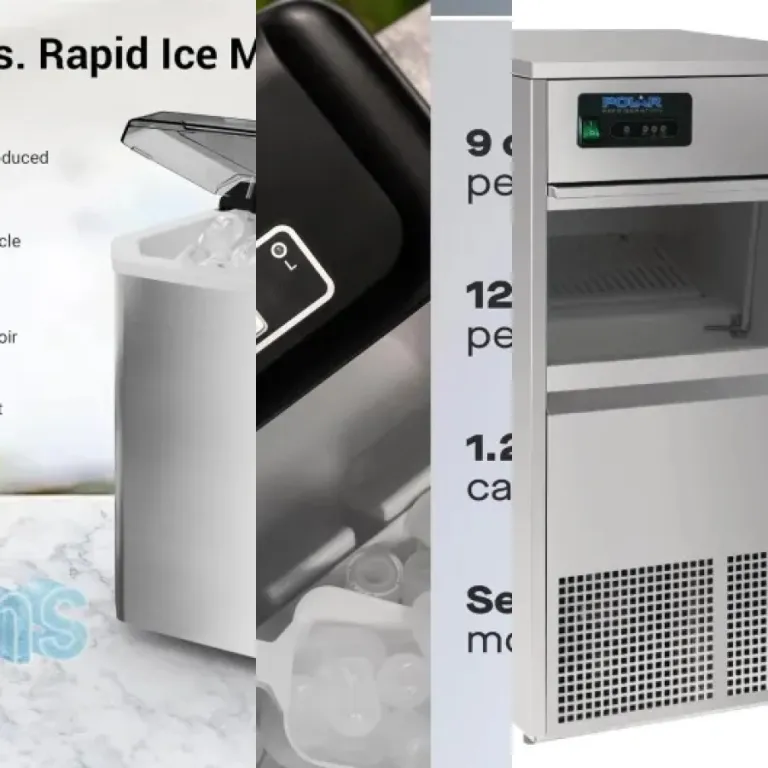
Best bullet ice makers for commercial style performance at home
Commercial grade bullet ice makers for small businesses and home bars
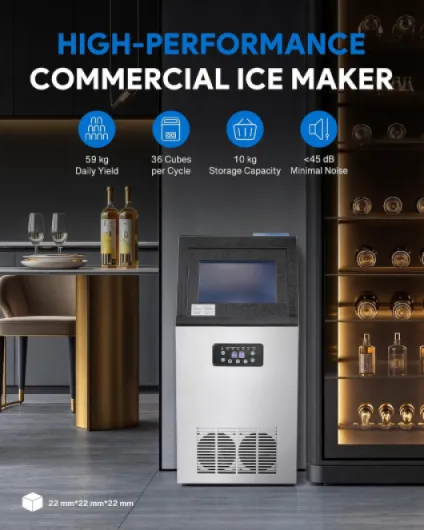
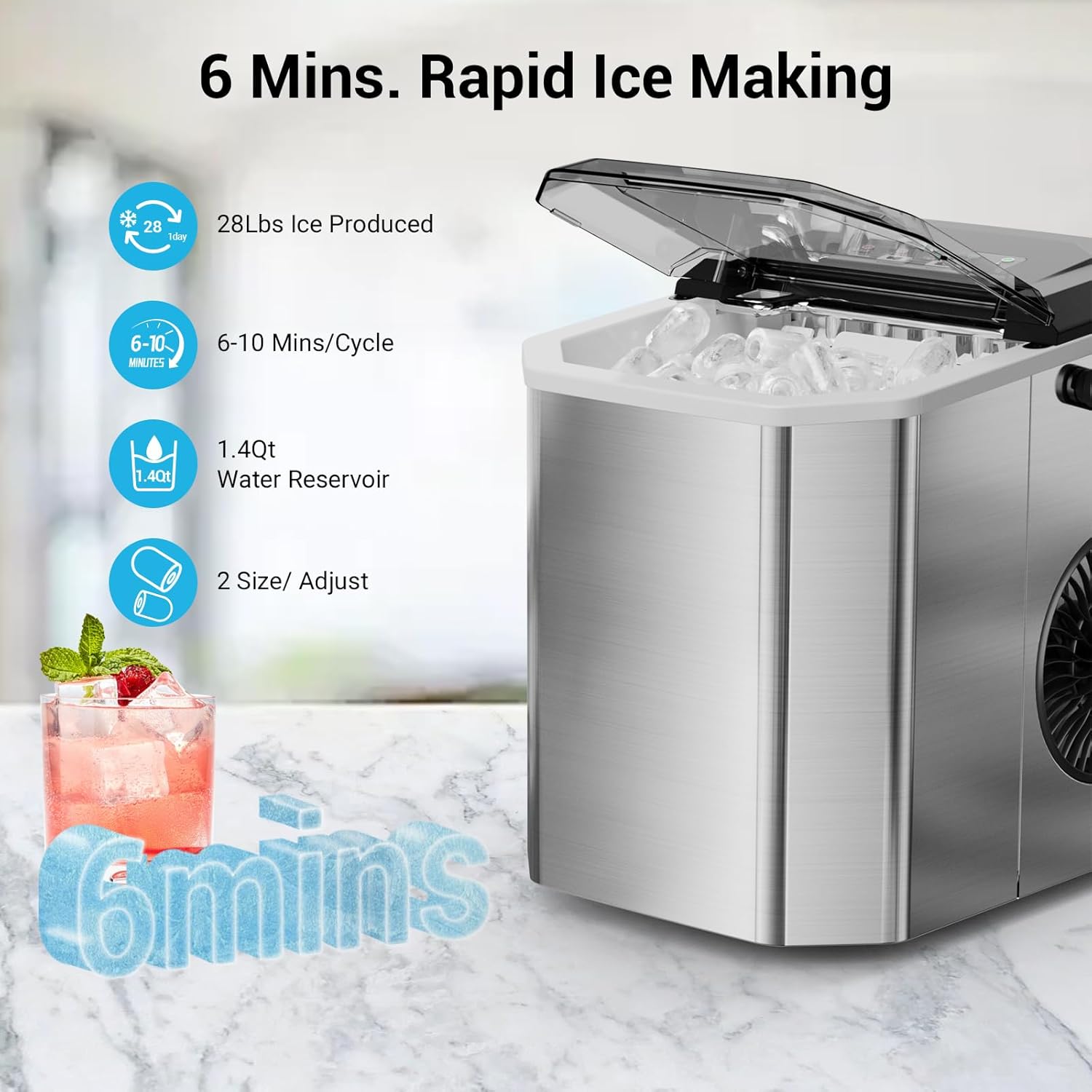
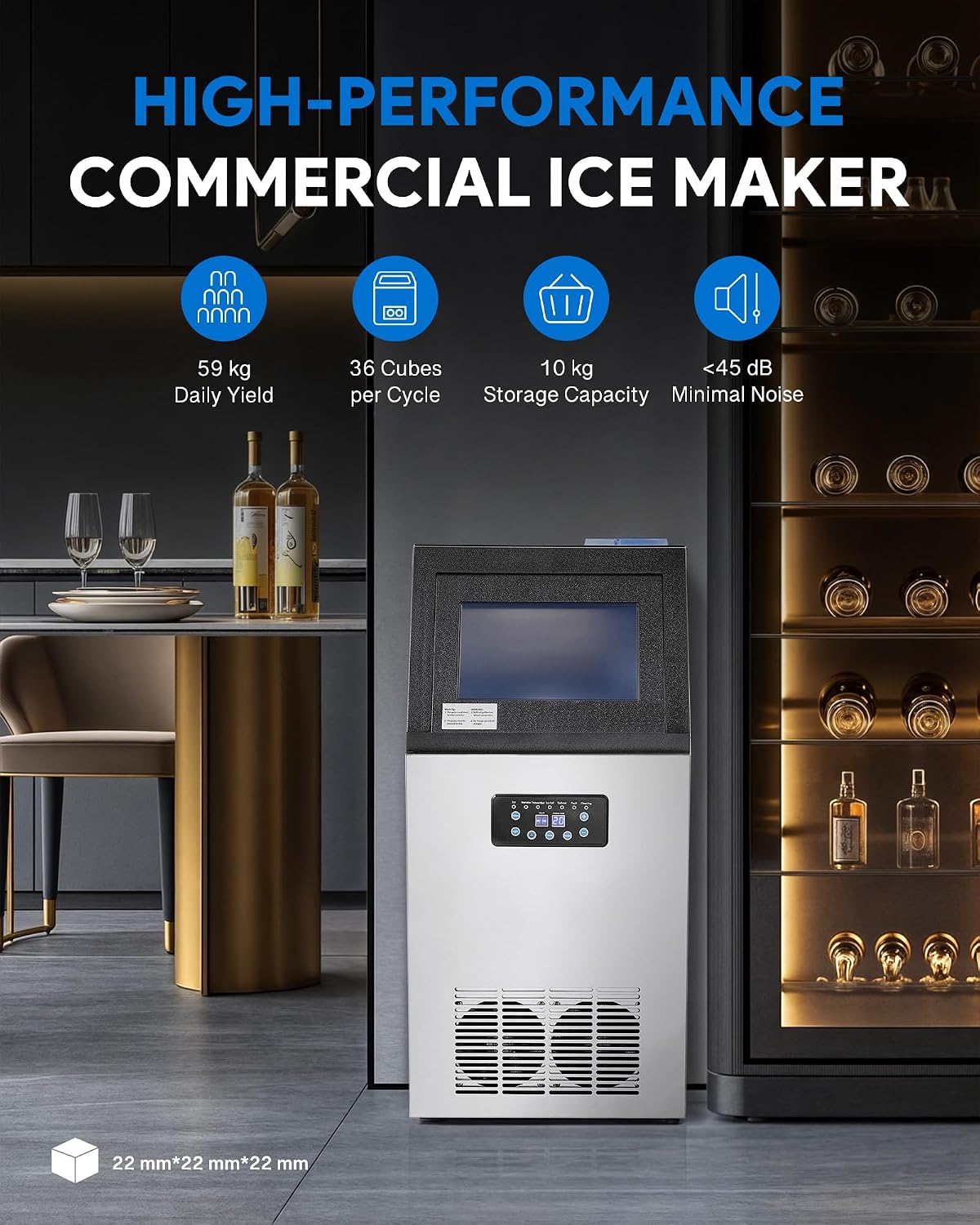
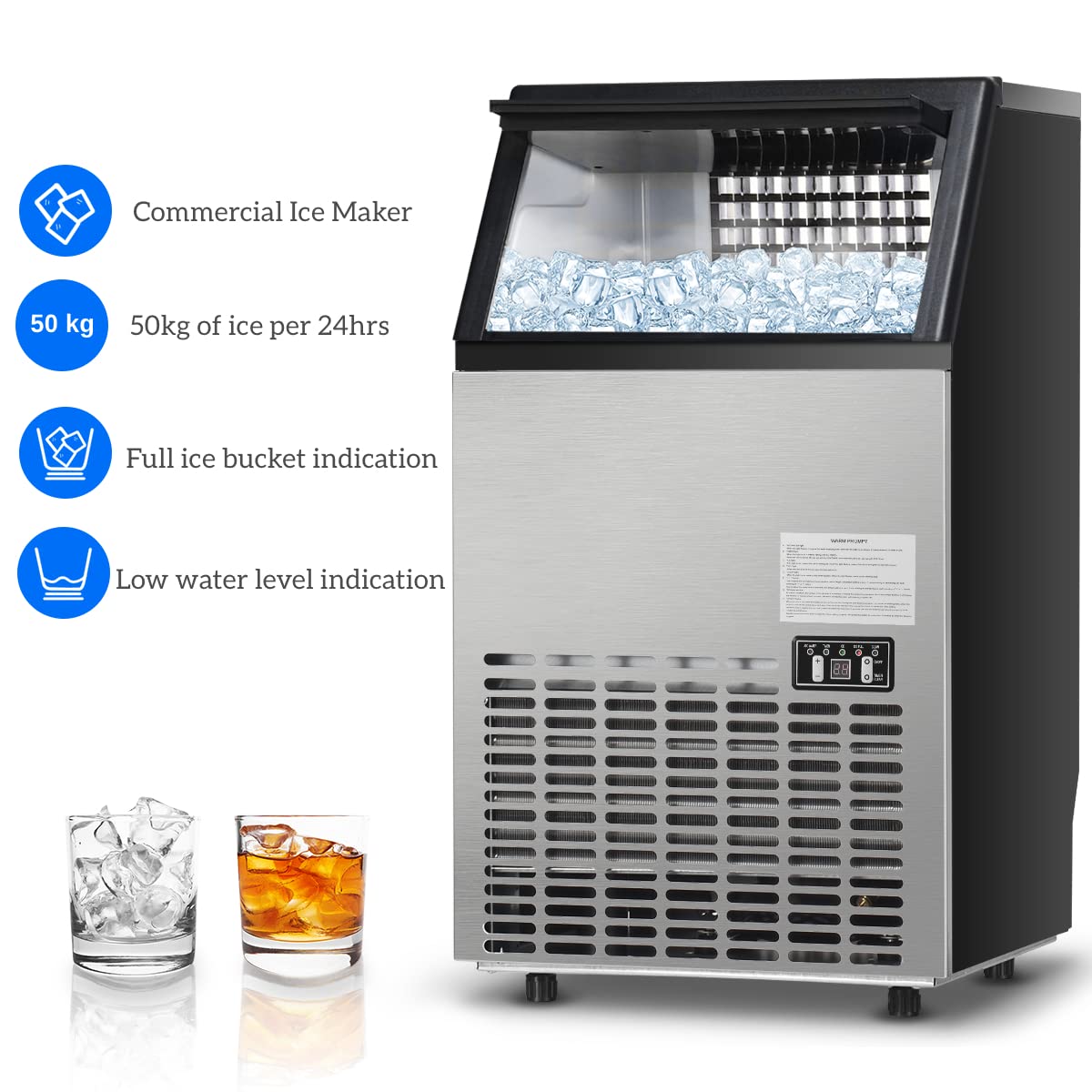
Owners of cafés, food trucks, and home cocktail bars need ice machines that behave like commercial equipment without the industrial footprint or three phase power. In this segment, the best bullet ice makers combine compact dimensions with continuous ice making cycles, often delivering 20 to 30 kg per day (44 to 66 lbs) from a maker countertop footprint. A well specified bullet ice machine can support a dozen cocktails per hour, iced coffees, and soft drinks without running dry, provided staff empty the bin into a separate insulated container during peak service.
When you evaluate commercial style machines, look beyond headline capacity and focus on recovery time and cycle size. Recovery time is the period a machine needs to refill the storage bin after a busy service, and short recovery time is crucial for bars that serve rounds of drinks in waves. A model that produces 12 cubes every 8 minutes will feel very different from one that produces 24 cubes every 12 minutes, even if both claim similar daily lbs output, because the second machine delivers larger batches but leaves longer gaps between harvests.
Running costs matter as much as purchase price for commercial buyers who track margins closely. Before committing, compare the stated power consumption of different ice machines and estimate your monthly electricity cost based on local tariffs, then factor in water usage and cleaning products. Manufacturer specification sheets for popular countertop bullet ice makers typically list active power draw between 100 and 150 watts, which independent reviewers translate into roughly 5 to 10 euros per month for moderate home use, assuming standard European residential tariffs and several hours of operation per day.
Portable ice machines can work in pop up bars or food trucks, but they require careful planning and disciplined handling. A portable bullet ice maker usually has a smaller insulated bin, so staff must empty ice into a separate cooler to avoid melting during long shifts, and this extra handling adds labour time and potential spillage. If your activity depends on constant nugget ice or sonic ice for smoothies, a dedicated countertop nugget machine with a drain line and continuous feed may be more reliable than a basic portable model that relies on manual refilling.
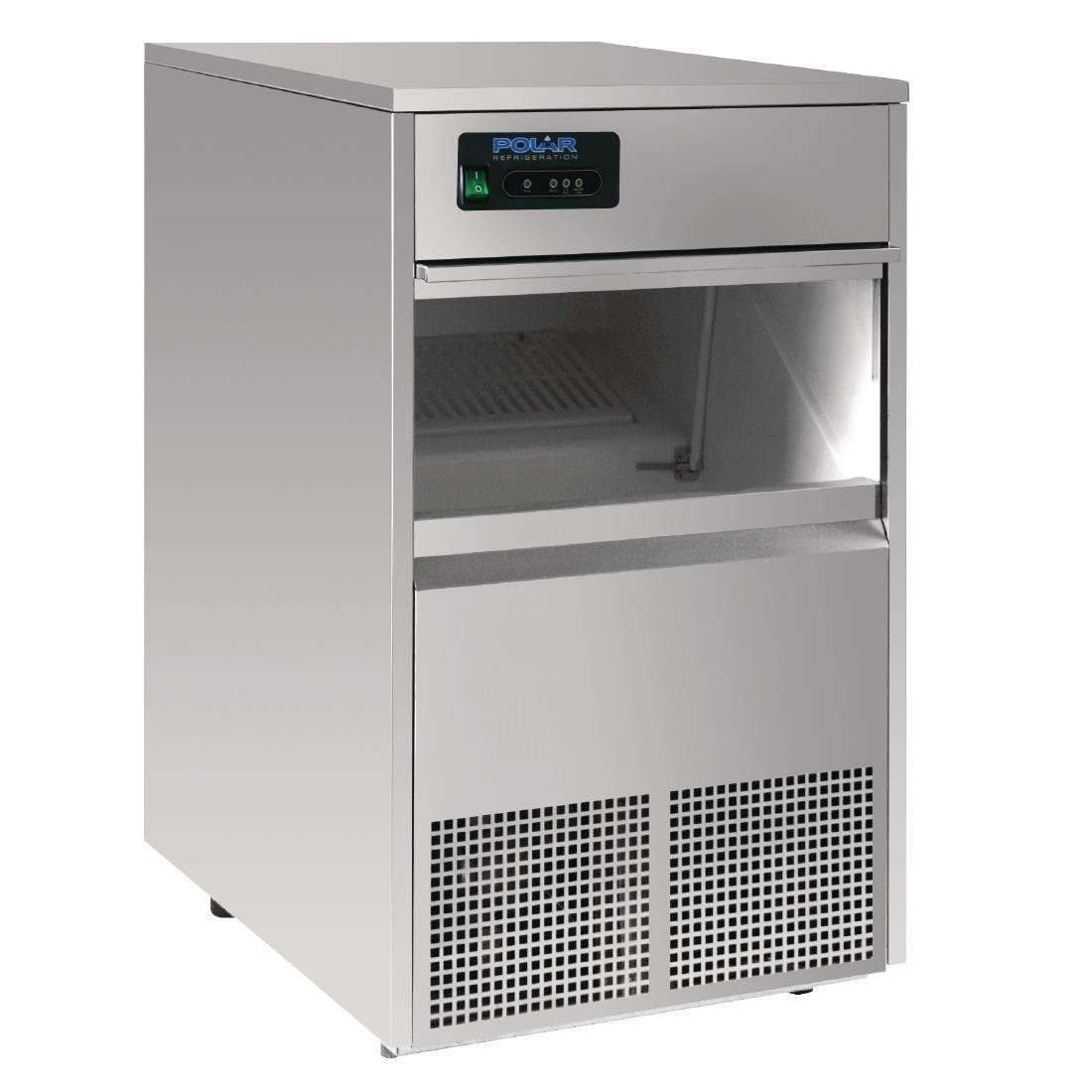
Commercial buyers should also consider service access and spare parts availability before standardising on a brand. Machines with stainless steel panels and removable side covers simplify maintenance, while plastic bodied products can be harder to repair after years of use or repeated transport. Choosing a reputable brand with clear documentation, accessible filters, and straightforward cleaning routines will protect your investment and keep your ice makers running during peak seasons when downtime is most costly.
Key buying criteria for top bullet ice makers on the countertop
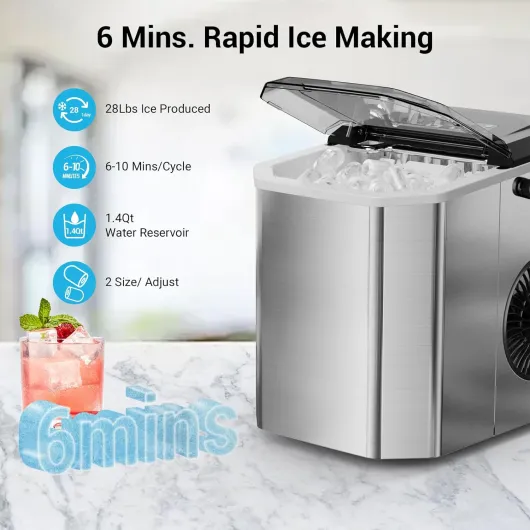
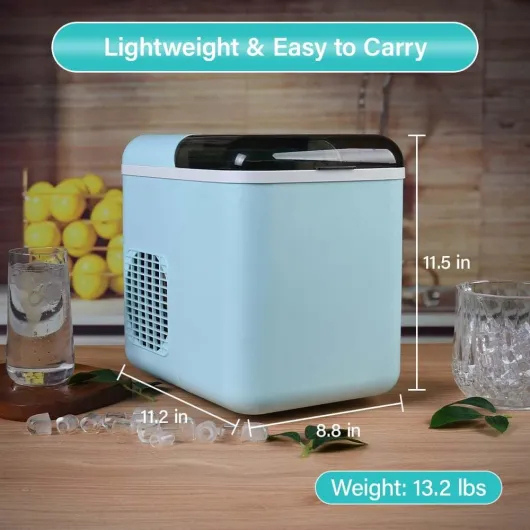
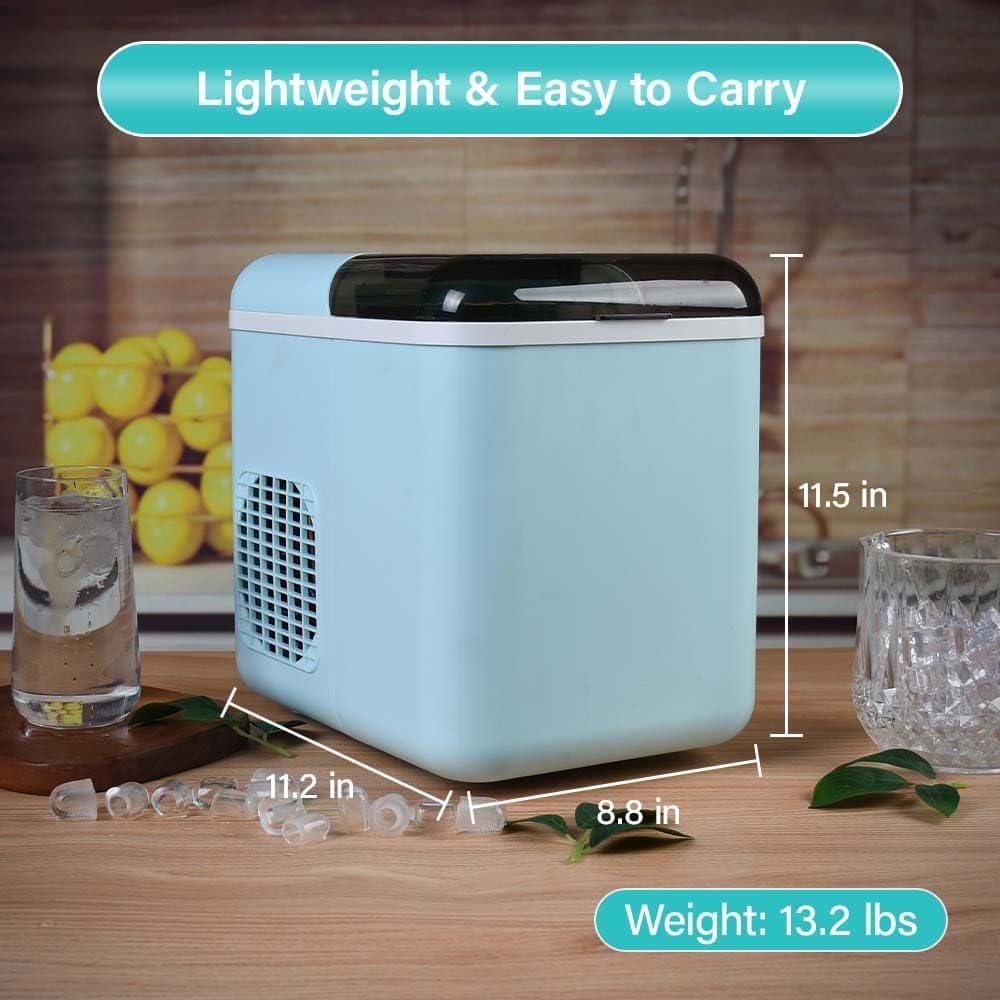
When you compare countertop ice products, start with capacity, footprint, and noise, then refine your shortlist with water management and build quality. A compact maker ice unit that fits under wall cabinets but still produces 12 kg per day (about 26 lbs) will serve most households, while larger families or shared offices may prefer machines rated closer to 15 kg. Always measure your available countertop depth and height before ordering, because some ice makers need extra clearance at the back for ventilation and for opening the lid comfortably.
Noise level is often overlooked until the machine runs during a quiet evening or late night movie. Bullet ice makers use fans and pumps, so they will never be silent, but better designed machines keep sound around 40 to 45 dB, which is similar to a calm conversation according to manufacturer acoustic ratings and independent sound meter checks. If your kitchen opens into a living room, prioritise quieter products, check the stated dB figure in the specification sheet, and avoid placing the ice maker directly against a wall that borders a bedroom or study.
Water management is another crucial factor for any ice maker countertop purchase and strongly influences convenience. Most countertop ice machines use a manual fill reservoir, which makes them portable but requires regular refilling, while plumbed models connect directly to a cold water line and suit permanent bar installations or high volume households. In regions with hard water, consider adding a small filter to protect the ice machine from limescale and to improve the taste of both bullet ice and nugget ice, as recommended by many appliance manufacturers in their maintenance guides and user manuals.
Buyers who entertain frequently should think about storage bin design and insulation as part of their decision. A well insulated bin keeps ice solid for longer when the compressor pauses, reducing the need for constant ice making and saving energy over time, especially during off peak hours. If you often host barbecues or garden parties, you may prefer to transfer portable ice into a separate cooler, keeping the machine indoors and away from direct sun so it can maintain stable internal temperatures.
Some readers also need access to block ice for coolers or special presentations such as punch bowls and seafood displays. While bullet ice makers do not produce blocks, they can complement external suppliers by handling daily drink service, leaving block ice for large format chilling. For occasional block needs, many buyers consult reliable guides on where to buy block ice near them or contact local ice delivery services, then rely on their countertop bullet ice machine for everything else.
Evaluating build quality, materials, and design details
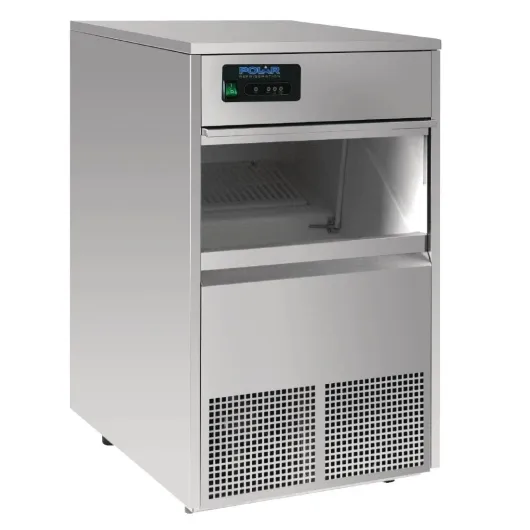
Build quality separates the best bullet ice makers from disposable gadgets that fail after a single season. A robust ice maker with a stainless steel shell, solid hinges, and a rigid lid will withstand years of opening and closing in a busy kitchen or bar, even when several people share the same machine. Cheaper plastic bodied machines can work well at first, but they are more vulnerable to cracks, staining, and heat from nearby appliances such as ovens or dishwashers.
Look closely at how the interior is designed, because this affects both hygiene and durability over the long term. Smooth food grade plastic liners without sharp corners are easier to wipe during cleaning, and removable ice baskets help you reach every surface where biofilm might form over time. If the machine includes a drain plug, check that it is accessible and seals firmly, as a weak plug can leak onto your maker countertop and damage wooden cabinets or laminate surfaces.
Finish choice is not only aesthetic; it also influences maintenance and visible wear. A black stainless housing hides fingerprints better than polished stainless steel, but it can show mineral streaks from splashes if you neglect regular cleaning, especially in hard water areas where limescale builds quickly. Classic stainless steel machines usually tolerate more aggressive wiping with microfibre cloths and mild detergents without visible wear, according to care instructions from major appliance brands and verified owner feedback.
Transparent lids and interior lighting are more than decorative touches or marketing extras. Being able to see the level of bullet ice without opening the lid helps maintain a stable internal temperature and reduces frost buildup on the evaporator, which in turn supports consistent ice making performance and faster recovery. For late night service, a soft interior light lets staff check ice levels quickly without disturbing guests with bright overhead lighting or opening the lid repeatedly.
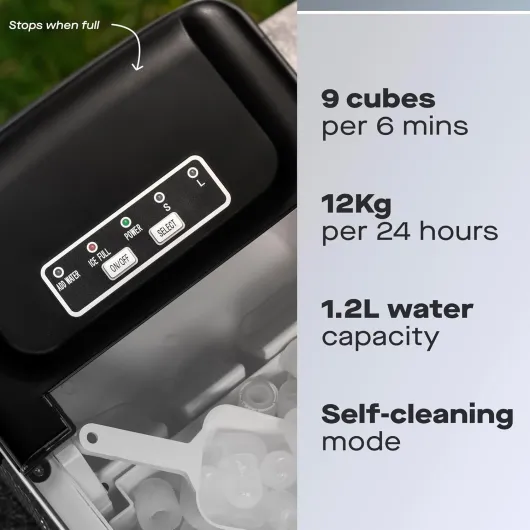
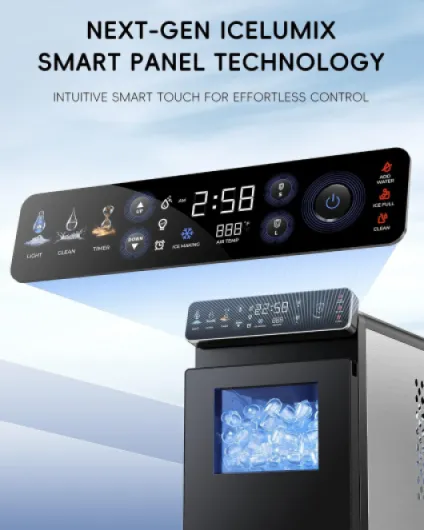
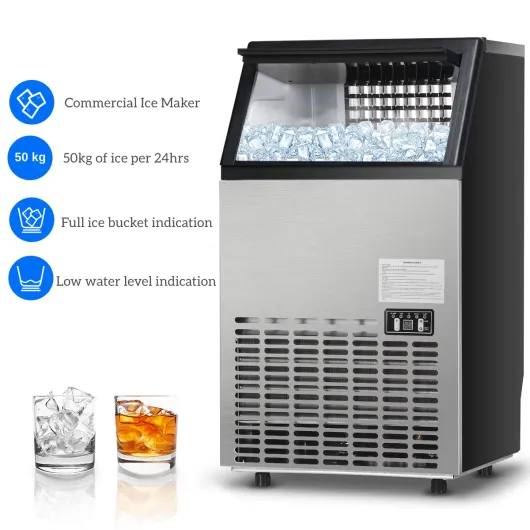
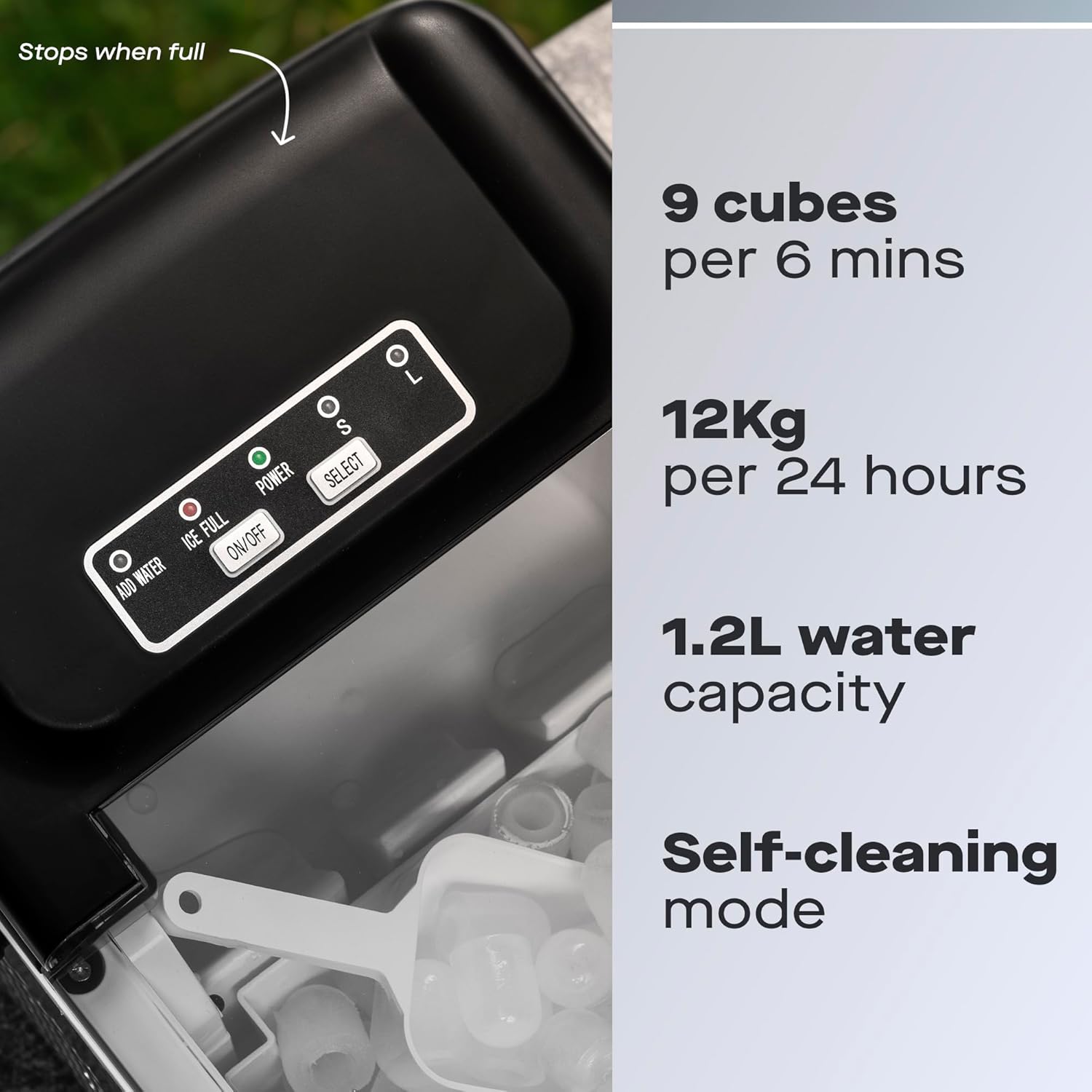
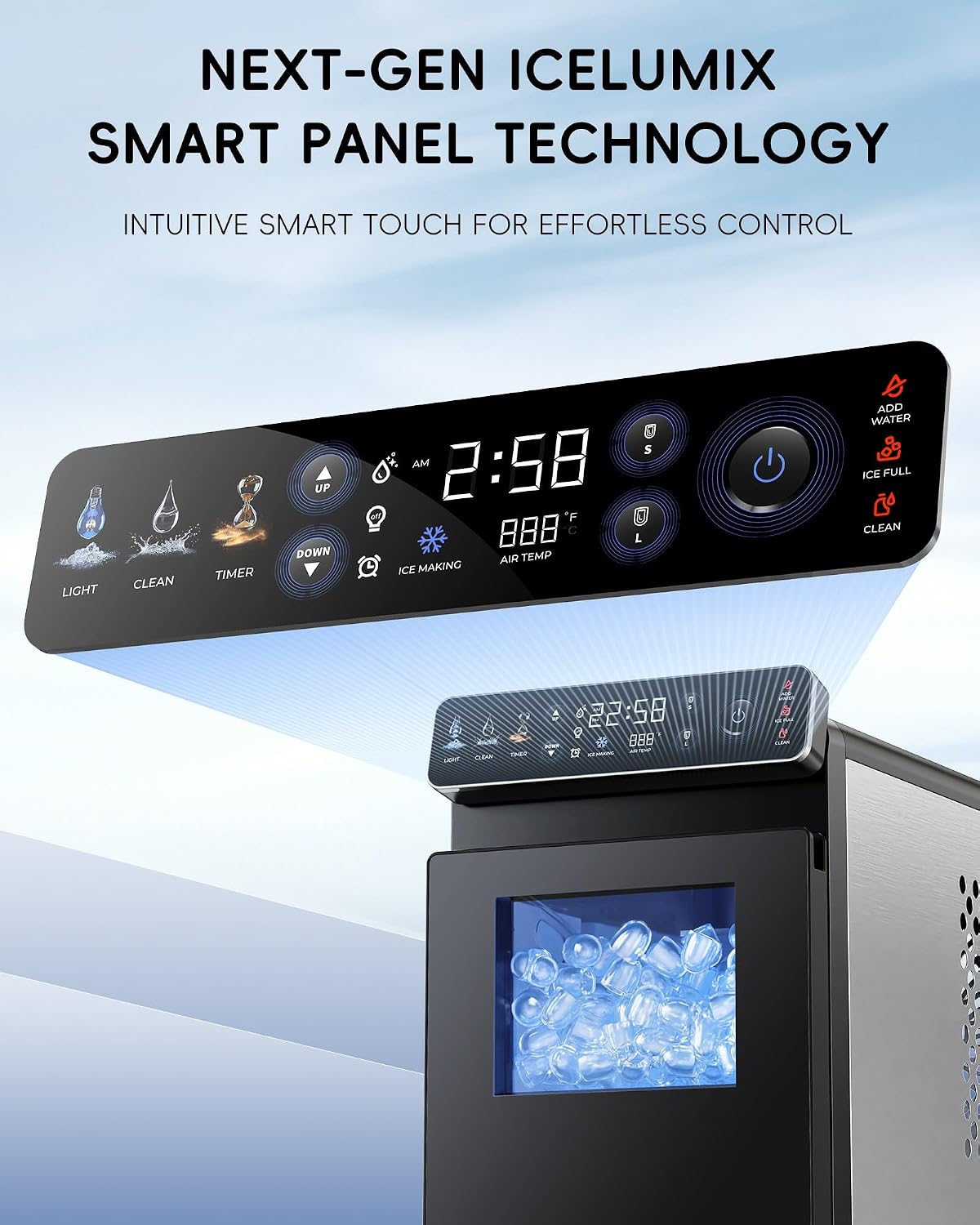
Design also extends to control panels and alerts, which strongly influence day to day usability. Clear icons, a visible water level indicator, and separate lights for “add water” and “ice full” reduce user errors, especially when several people share the same machine in an office or rental property. When you evaluate products, imagine how a first time user would operate the ice maker, and favour machines that make correct use obvious through intuitive buttons and simple labelling.
Brand focus on euhomy and similar bullet ice machines
Among mainstream brands, Euhomy has built a strong reputation for reliable bullet ice makers at an accessible price point in the home and light commercial segment. A typical Euhomy ice maker offers around 12 to 15 kg of daily capacity (26 to 33 lbs), a compact footprint, and a mix of stainless steel and plastic surfaces that suit most modern kitchens. Many buyers choose an Euhomy countertop model as their first dedicated ice machine, then later upgrade to a larger unit once they understand their real consumption and storage habits.
Euhomy products usually emphasise straightforward controls and simple maintenance routines. Most machines in this range include an automatic cleaning cycle, a removable ice basket, and a drain plug, which together reduce the time you spend on manual cleaning and descaling. When used with filtered water and cleaned on a regular schedule recommended in the user manual, an Euhomy ice machine can deliver consistent bullet ice for several years without major issues, according to long term owner reviews and retailer feedback.
Buyers should still compare Euhomy machines to competing products from brands such as Frigidaire, Igloo, and GE Profile to find the best fit. Some competitors specialise in nugget ice or sonic ice, offering soft chewable pellets that differ from classic bullet ice, while others focus on high capacity cube ice machines for under counter installation in permanent bars. If you value chewable texture over slow melt time, a dedicated nugget ice maker may suit you better than any bullet ice machine, regardless of brand or finish.
Colour options from Euhomy include silver, white, and black housings, with some models featuring black stainless accents and smoked lids. Matching the finish of your ice maker to nearby appliances creates a cohesive look, especially in compact kitchens where every product remains visible all the time and visual clutter is obvious. When you compare models, remember that darker colours can absorb more heat from sunlight, so avoid placing a black machine directly beside a bright window or under strong spotlights.
Warranty terms and support quality should influence your final decision just as much as headline capacity. Euhomy and similar brands typically offer one year of coverage on parts and labour, with extended protection available through retailers at an extra cost, while some premium commercial makers provide longer base warranties and on site service. Always read the fine print about limescale, cleaning, and water quality, because neglect in these areas can void coverage even on the best bullet ice makers and leave you paying for repairs yourself.
Cleaning, maintenance, and hygiene for long lasting bullet ice makers
Regular cleaning is essential if you want clear, odour free bullet ice from any machine, regardless of brand or price. Every ice maker circulates water across cold metal surfaces, and without proper hygiene, biofilm and mineral deposits will gradually affect both taste and performance. A disciplined cleaning routine protects your investment and keeps your ice safe for guests and customers, aligning with food safety guidance for beverage equipment and HACCP style checklists.
Most modern ice makers include a self cleaning cycle, but this feature does not replace manual care or periodic descaling. At least once a month, empty the bin, run a cleaning solution through the system, and wipe all interior surfaces with a soft cloth, paying special attention to the water reservoir and the underside of the lid where condensation collects over time. In hard water regions, you may need to descale more frequently, especially if you notice white residue on stainless steel parts or a drop in ice making speed compared with the original specification.
Between deep cleans, adopt simple daily habits that support hygiene and consistent flavour. Always empty unused ice at the end of the day in commercial settings, because partially melted cubes can refreeze into clumps and strain the mechanism, and never use the bin as a cooler for bottles or food. For home users, rinsing the reservoir and refilling with fresh water every few days will keep portable ice tasting neutral and pleasant, particularly if you avoid strongly flavoured liquids near the intake.
Ventilation and placement also influence maintenance needs and long term reliability. An ice maker squeezed into a tight corner without airflow will run hotter, accumulate dust on its condenser, and require more frequent cleaning to maintain output, while a machine with clear space around its vents will operate more efficiently. Leave at least several centimetres of clearance on all sides and avoid stacking other products on top of the housing so warm air can escape freely.
As you refine your setup, you may explore more advanced ice options for cocktails and presentation, such as clear cubes or spheres made with moulds. Many enthusiasts now bring craft bar standards into the home kitchen, pairing a bullet ice maker for everyday service with specialised tools for clear cubes or spheres, and this layered approach delivers both convenience and aesthetics. Whatever your configuration, consistent cleaning and thoughtful placement will keep your ice machines performing at their rated capacity for many years.
Key figures and performance benchmarks for bullet ice makers
- Typical countertop bullet ice makers for home use produce between 10 and 15 kg of ice per 24 hours (22 to 33 lbs), which comfortably supports a household of four with daily drinks and occasional guests, according to manufacturer specifications from major brands such as Euhomy, Frigidaire, and Igloo.
- Commercial style compact ice machines aimed at small cafés and bars often deliver 20 to 30 kg of ice per day (44 to 66 lbs), providing enough capacity for roughly 80 to 120 mixed drinks in a busy service window, based on average ice usage per cocktail reported by hospitality training bodies and bar management manuals.
- Energy efficient bullet ice makers can consume around 100 to 150 watts during active ice making, which translates to an estimated monthly electricity cost of 5 to 10 euros for typical home use, assuming standard European residential tariffs published by national energy regulators and four to six hours of operation per day.
- Industry hygiene guidelines recommend a full internal cleaning and descaling of commercial ice machines at least once every three months, with more frequent monthly cleaning in high volume venues, as outlined by food safety agencies in their equipment maintenance recommendations and HACCP style checklists.
- Field tests from independent appliance reviewers show that ambient room temperature can reduce real world ice output by 15 to 25 percent compared with laboratory ratings, especially when machines operate in kitchens above 26 degrees Celsius during summer or sit close to ovens and direct sunlight.