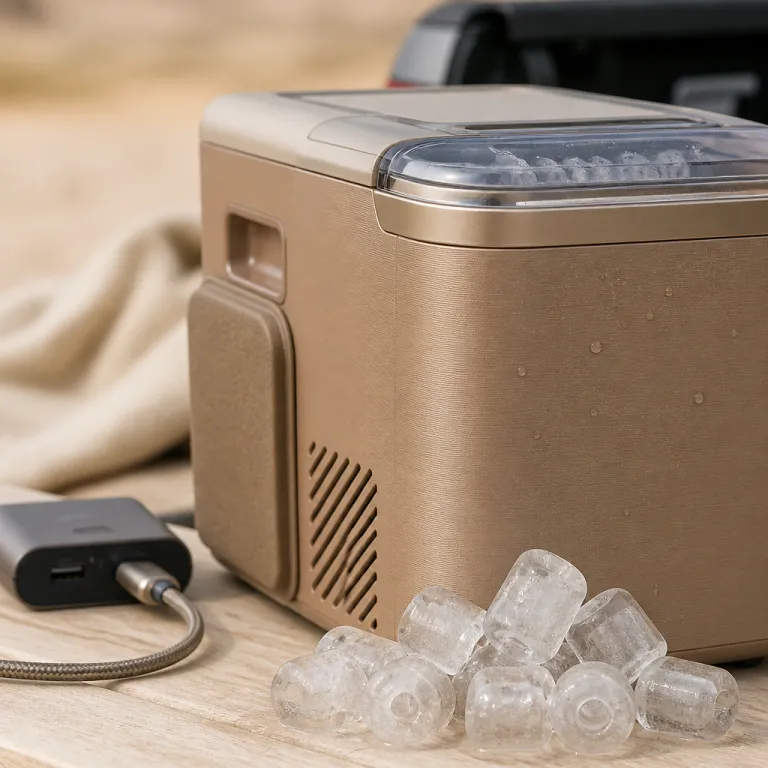
Powering a portable ice maker tailgate without tripping breakers
A well planned portable ice maker tailgate setup starts with reliable power and clear numbers. Most compact countertop units from brands such as GE Profile, Igloo and Frigidaire list running draws in the 100 to 150 watt range on their specification labels, with brief compressor start surges that can reach roughly 250 to 400 watts according to typical UL test notes. That means a 500 watt hour portable power station (for example, a 500 Wh lithium pack with a 300 to 500 watt pure sine inverter) can comfortably run a small ice maker for several hours of steady cube production if you size both the battery capacity and the inverter output correctly.
For a café owner hosting a Fourth of July tailgate, that power margin keeps your portable ice supply stable while blenders, speakers and lights also share the load. Vehicle power needs special care, because many factory car inverters are rated for roughly 120 to 150 watts continuous and cannot handle repeated start surges from heavier ice makers. Avoid cigarette lighter outlets for any serious ice production and instead rely on a hardwired or trunk mounted inverter that can feed a stainless steel countertop unit safely without nuisance shutdowns.
When you choose ice capacity, match watts to output in pounds of ice per day using the nameplate data for volts and amps. A compact portable model rated around 26 pounds of ice cubes per day usually weighs under 18 pounds (about 8 kilograms) and pairs well with a 500 watt hour station because its average draw stays close to 120 watts. As a rough example, a 120 watt machine running four hours uses about 480 watt hours of stored energy, so a 500 watt hour battery covers that window with a small buffer for inverter losses. Larger ice makers that promise 35 pounds of ice per day or more often need a stronger inverter and a bigger battery bank, so check the label for volts and amps rather than trusting broad marketing claims about “pro” portable performance.
Managing water, heat and real world ice production at summer tailgates
Every portable ice maker tailgate lives or dies on water logistics and realistic expectations. Most countertop machines carry between 1 and 3 litres of water in the internal reservoir, which typically supports 5 to 8 pounds of ice output before you need a refill once you account for recirculation. Because meltwater drains back into the tank and is frozen again, a single fill can pass through several freeze cycles, so the total ice produced over an hour is higher than the simple one litre to one kilogram conversion might suggest.
Heat quietly kills performance, because any ice maker sitting in direct sun can lose roughly 20 to 30 percent of its rated ice production compared with the 70 °F (21 °C) ambient conditions used in many manufacturer test procedures. Set your portable nugget or bullet style unit under a canopy, in a tent or against the shaded side of your van to protect both the compressor and the digital screen. A simple reflective cover over the stainless steel top of a countertop machine also slows melt, so finished cubes do not drip back into the water reservoir too quickly and overload the pump.
For event style planning, treat your tailgate like a small holiday barbecue and use a structured ice game plan similar to a Memorial Day cooler strategy you might read in a dedicated BBQ ice volume guide. Keep one insulated cooler for ready service ice, another for backup cubes and a third for bottled drinks, so your portable ice maker is not constantly opened and forced into inefficient short cycles. Never refill the reservoir with rinse water from melted ice, because that introduces food particles and makes later cleaning harder while also stressing the pump, the internal tubing and any built in filters.
Choosing the right portable and countertop kit for tailgates and beach days
A smart portable ice maker tailgate kit usually has two tiers that mirror common retail models. The first tier is a compact countertop unit rated around 26 pounds of ice per day, weighing under 18 pounds (about 8 kilograms) so one person can carry it easily from the shop to the car; examples in this class include many bullet ice machines with 1.5 to 2 litre reservoirs and roughly 120 watt compressors. This size suits groups of 10 to 15 people and works well as a small ice solution for a coffee cart that occasionally moves to a stadium parking lot.
The second tier is a mid sized ice maker that can produce about 35 pounds of cubes per day and weighs roughly 24 pounds (around 11 kilograms), which is still manageable for one strong person and similar to popular 150 watt nugget ice units. This mid tier machine becomes the workhorse for larger tailgates of 25 or more guests, especially when you serve nugget ice in tall drinks and need fast recovery times between rounds. When you compare daily ice ratings, remember that manufacturers often quote ideal lab conditions, so real world beach heat, warm inlet water and frequent lid openings will reduce the actual pounds of ice you see.
To narrow options, look at independent bullet and nugget ice maker testing that explains how different models handle continuous duty and extended summer use. Prioritise a stainless steel cabinet, a solid ice scoop and a clear digital screen that shows water alerts and cleaning reminders, because those features matter more than flashy colours at a tailgate or beach picnic. If you often move between café service and stadium parking, choose a countertop model that fits under standard shelves yet still offers at least 12 kilograms per day of ice production so you are not forced to buy bags at a premium price when demand spikes.
Setup, cleaning and safety rules for a reliable Fourth of July ice station
Once you own the right portable ice maker tailgate kit, disciplined setup keeps it alive and prevents mid event failures. Always place any ice machine on firm, level ground, because running a compressor based unit on uneven pavement can damage internal components over time and increase vibration noise. Transport the maker with the reservoir empty and the ice basket dry, then let it rest upright for at least thirty minutes before switching on power so the refrigerant settles back into the compressor sump.
Cleaning matters more in summer, when warm water and sugary spills encourage biofilm inside ice makers and along the lid gasket. Rinse the reservoir daily, run a dedicated cleaning cycle with food safe solution every few weekends and wipe the stainless steel exterior so dust does not clog vents or fans. A well maintained portable ice machine not only delivers better tasting cubes to customers but also protects your investment, especially when you rely on a single nugget unit for both weekday café service and weekend beach events.
For sizing and layout, treat your counter and vehicle space as a planning exercise and use a detailed countertop ice sizing guide to balance footprint against daily output and power draw. Keep the ice scoop in a clean container, never buried in ice cubes, and store spare water in food grade jugs rather than open buckets that collect debris. When you compare price and read reviews on platforms such as Amazon or from specialist shop owners, focus on long term reliability and warranty support, not just the lowest cost per pound of ice, because a failed unit on the Fourth can stall your entire service.
FAQ
How much power do I need for a portable ice maker at a tailgate ?
Most portable ice makers draw about 100 to 150 watts while running and can spike to roughly 250 to 400 watts at startup based on typical compressor specs published in user manuals. A 500 watt hour portable power station usually handles a small countertop ice maker for several hours with some safety margin, provided the built in inverter is rated above the surge requirement. For larger models, use a properly rated hardwired inverter rather than a cigarette lighter outlet to avoid overloads and nuisance tripping.
How much water should I bring for a full day tailgate or beach event ?
Typical countertop reservoirs hold between 1 and 3 litres of water, which supports roughly 5 to 8 pounds of ice before refilling under normal cycle times once you factor in recirculated meltwater. For a full day Fourth of July event, plan at least one complete refill per hour during peak demand so the machine never runs dry. Bringing 20 to 30 litres of clean water in sealed containers usually covers both ice production and basic rinsing for a small mobile café or food truck.
Is nugget ice or traditional cubes better for tailgates and mobile cafés ?
Nugget ice is softer and easier to chew, which customers enjoy in mixed drinks and sodas, but it melts faster in direct sun and can water down cocktails more quickly. Traditional cubes from many portable ice makers last longer in coolers and are better for chilling cans or bottles where dilution is less of a concern. If you run a small business, a machine that can produce both nugget ice and standard cubes offers the most flexibility for different events and drink menus.
Can I safely run a portable ice maker from my car battery ?
You can run a compact ice maker from a vehicle system if you use a quality inverter wired directly to the battery or mounted in the trunk with appropriate fusing. Many factory cigarette lighter outlets are limited to around 120 to 150 watts and are not suitable for repeated compressor starts or larger nugget units. To protect both the car and the ice machine, keep the engine running during heavy use, monitor voltage on the inverter display and follow the inverter manufacturer’s guidelines.
How often should I clean a portable ice maker used for summer events ?
For seasonal tailgates and beach days, rinse the reservoir and empty the ice basket after every event so no standing water remains. Run a full cleaning cycle with a food safe cleaner at least once a month during heavy use, or more often if you notice odours, slimy surfaces or cloudy ice that suggests mineral buildup. Regular cleaning protects taste, reduces breakdowns and keeps your portable ice maker ready for the next Fourth of July gathering or weekend market.