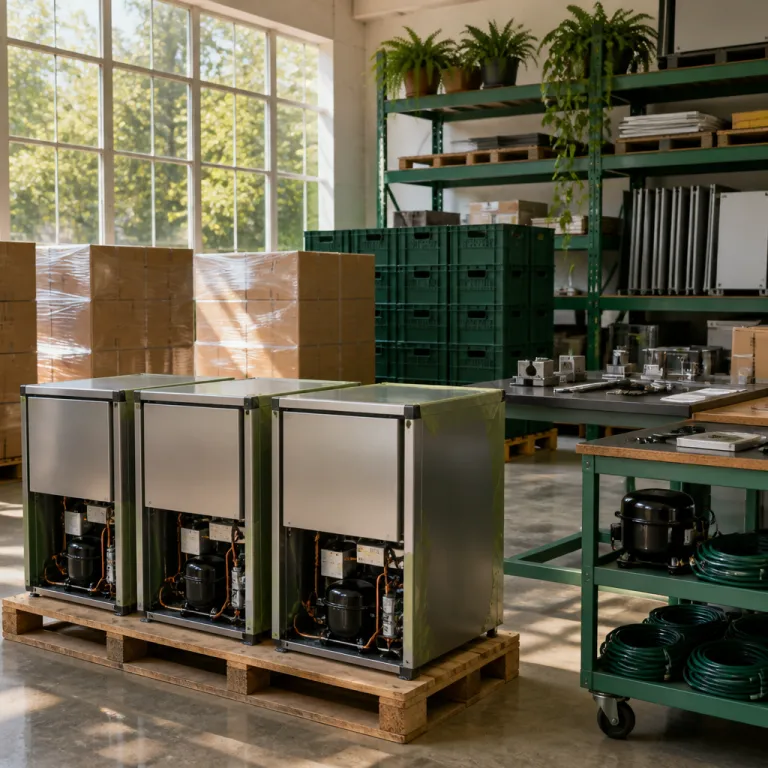
Why so many Amazon ice makers look the same
Walk through Amazon listings for any compact ice maker and you quickly notice a pattern. The same size, the same stainless finish, the same claim that the machine produces lbs of ice cubes per day, yet five different logos sit on what appears to be one identical maker machine. That is the starting point for any serious ice maker brands OEM comparison, because what looks like brand variety is often a single factory selling the same cube machine to multiple labels.
From a testing bench perspective, I often line up three ice machines that share the same dimensions, the same cube ice basket, and the same stated machine lbs of daily production. When they run side by side with the same water, the same air cooled ventilation clearance, and the same stainless steel cabinet, their ice type, noise level, and output curve match almost perfectly. In those cases, you are not comparing three different ice makers, you are comparing one OEM series that several brands offer with different marketing stories and slightly different prices.
For a family buyer, this matters because you might pay more for a logo while the internal ice machine parts, pump, and evaporator plate are identical. The commercial ice world has worked this way for decades, and the home segment is simply catching up with the same contract manufacturing logic. When you understand that many countertop machines and undercounter ice units are OEM siblings, you start asking better questions about warranty, storage bin design, and how much real ice production you get for every extra dollar.
Contract manufacturing in the ice maker space means a single large factory designs the chassis, refrigeration loop, and control board, then sells that platform to multiple clients. One client might request a stainless front, another a black plastic shell, but the cooled system that produces lbs of cube ice or crescent ice per day stays the same. For you, the buyer, the critical comparison is less about which brand claims the best nugget ice or cube output, and more about which partner supports that OEM machine with parts, service, and honest performance data.
On Amazon, this contract model explains why so many compact ice machines share identical manuals, down to the same typo in the cleaning section. I have tested ice makers where the quick start guide shows a different brand name than the logo printed on the stainless steel lid, a clear sign that the OEM documentation was reused. Once you see these patterns, you realize that a thoughtful ice maker brands OEM comparison is not a beauty contest, but a way to separate real engineering differences from simple rebranding.
Brand marketing often highlights lifestyle photos and glosses over the hard numbers that actually define an ice machine. That shift is analyzed in depth in this article on why ice maker brands stopped talking about specs and started talking about aesthetics, which shows how similar OEM platforms get dressed up differently. When you shop, keep your focus on measurable factors such as daily production in lbs, real world storage capacity, and whether the machine is air cooled or water cooled, because those elements affect both performance and running cost.
How to spot OEM siblings behind different brands
Once you know that many ice makers come from shared OEM lines, the next step is learning to spot those siblings. Start by comparing product dimensions down to the millimeter, because OEM cube machines and nugget ice machines rarely change their core chassis size between brands. If two ice makers share the same footprint, the same weight in lbs, and the same internal storage bin volume, you are probably looking at one OEM series sold under multiple names.
Specification sheets tell an even clearer story when you read them like a tester, not like a shopper skimming for the word best. Identical claims such as “produces lbs of ice cubes in 24 hours,” the same voltage, the same amperage, and the same ice type options usually indicate a shared ice machine platform. When three commercial style countertop machines all list the same crescent ice and cube ice cycle times, the same water consumption, and the same cooled condenser layout, you can safely treat them as variations of one maker machine rather than three independent designs.
Certification labels are another powerful clue that many buyers overlook. On the back of every ice maker, you will find UL, ETL, or similar safety marks with specific file numbers that link to a factory and a product family. If two different brand names share the same UL file number, the same serial number format, and the same stainless steel rear panel layout, they are OEM siblings even if one advertises itself as a premium ice machine and the other as a budget ice maker.
Packaging and manuals often reveal the OEM story even more bluntly than the hardware. I have unboxed ice machines where the cardboard shows a generic “ice maker machine” graphic with no brand, while a sticker with the retail logo is added later for each client. Inside, the manual may reference multiple ice types, including nugget ice, crescent ice, and standard ice cube shapes, even though the specific model you bought only makes one ice type, which suggests a shared booklet for an entire OEM series.
When you compare undercounter ice units or compact commercial ice machines for a home bar, look closely at the internal layout. OEM siblings usually share the same stainless steel liner, the same position of the water pump, and the same pattern of vents for the air cooled condenser. If you see two brands with matching bin rails, identical lbs storage ratings, and the same style of cube ice thickness adjustment, you can assume the differences lie in warranty terms and customer support rather than in the cooled hardware itself.
For buyers who care about specific ice cubes shapes, such as crescent ice for soft drinks or nugget ice for cocktails, OEM clues help you avoid paying twice for the same capability. A thoughtful ice maker brands OEM comparison means checking whether two cube machines that both claim 12 kg of production and similar machine lbs ratings are actually the same product with different badges. When that happens, choose the brand that offers clearer documentation, longer support for replacement parts, and transparent performance data instead of the one that simply shouts best in its listing.
Where brand really matters in a commoditized category
Not every ice maker is a generic OEM box with a different logo, and this is where brand still carries real weight. Some manufacturers invest in proprietary ice making technology, such as the GE Profile Opal system that produces soft, chewable nugget ice using a different evaporator and auger design than standard cube machines. In those cases, your ice maker brands OEM comparison should recognize that you are paying for unique engineering that no other brand or OEM series can legally copy.
For a family kitchen, the difference between basic cube ice and specialized nugget ice or crescent ice is not just about aesthetics. Nugget ice holds water differently inside its porous structure, which changes how quickly drinks dilute and how kids experience texture when they chew the ice cubes. Crescent ice, by contrast, stacks more efficiently in storage bins and undercounter ice drawers, which means a machine with the same lbs storage rating can feel more generous in daily use when it shapes ice cubes as slim crescents instead of chunky blocks.
Brand investment also shows up in long term reliability and service networks, especially when you treat a home ice machine more like a small commercial ice unit. Established brands often maintain parts pipelines for a decade, which means a failed pump or cracked stainless steel bin can be replaced instead of sending the entire maker machine to landfill. Budget labels that simply offer an OEM series for a few seasons may not stock spare parts at all, so a minor leak in the water circuit can end the life of an otherwise solid ice maker.
Another area where brand matters is noise and thermal management, which many listings hide behind vague language. Two air cooled ice machines built on the same OEM chassis can behave very differently if one brand specifies a quieter fan, better rubber feet, or a thicker stainless enclosure. When I test machines side by side, I often see a 3 to 5 dB difference in noise between OEM siblings, which is noticeable in an open plan kitchen where kids do homework near the ice maker.
Shape and behavior of ice types also deserve careful attention, and this is explored in detail in the guide on bullet ice versus crescent ice and how cube shape changes your drinks. When you compare brands, ask whether their machines give you control over ice type, cube thickness, or production schedule, because those features affect how well the machine fits your family’s rhythm. A thoughtful ice maker brands OEM comparison weighs these functional differences more heavily than cosmetic choices like handle style or LED color.
Finally, brand reputation for honest specifications is crucial in a category where many listings inflate production numbers. Some manufacturers quote the absolute best case scenario for commercial ice style testing, with low ambient temperatures and perfect ventilation, while others publish realistic output that matches what a family sees in a warm kitchen. When a brand consistently delivers machines that actually produce the advertised lbs of ice cubes and maintain their stated lbs storage without melting too quickly, that trust is worth paying for even if the OEM chassis looks similar to cheaper competitors.
How to compare similar looking machines and buy smart
When two ice makers on Amazon look suspiciously alike, treat the decision like a structured test rather than a coin toss. Start by writing down the key numbers for each ice machine, including daily production in lbs, usable storage capacity, and the type of ice cubes or nugget ice it produces. Then look beyond the headline claim of best performance and examine how those machines behave in real kitchens, not just in commercial ice lab conditions.
For a family household, the most practical question is how much ice the machine produces lbs during the hours you actually use it. A compact undercounter ice unit that claims 20 kg per day might only deliver half that during a summer afternoon if the air cooled condenser is starved for ventilation under a crowded counter. In contrast, a slightly smaller cube machine with better stainless steel venting and smarter water management can maintain steadier output, keeping the storage bin full of cube ice or crescent ice when kids and guests are constantly opening the lid.
Warranty and service should sit near the top of your comparison checklist, especially when OEM siblings compete on price. If one brand offers a one year warranty with no parts support and another offers two years plus a clear path to buy pumps, valves, and stainless liners, the second option usually wins even if it costs a little more. Over the life of the ice maker, that support can be the difference between a minor repair and a full replacement when the cooled system eventually needs attention.
Real user feedback also helps you separate solid OEM platforms from rushed rebrands that cut corners. Look for patterns in reviews about leaks, noisy fans, or inconsistent ice types, and pay attention when multiple buyers mention that the machine fails to reach its advertised machine lbs of production. When you see the same complaint across several different brand names that share an identical chassis, you can assume the issue lies in the shared OEM design rather than in one unlucky batch.
Hands on testing has shown me that some OEM based machines perform exceptionally well when paired with thoughtful brand level support. A good example is the way certain crescent ice countertop units combine a generic compressor with smart self cleaning cycles and clear maintenance instructions, such as the model reviewed in this detailed test of a crescent ice countertop maker with multiple cube sizes and auto cleaning. When a brand takes a solid OEM platform and adds better controls, safer water routing, and honest storage ratings, you get a machine that behaves more like a compact commercial ice unit while still fitting a family budget.
In the end, a smart ice maker brands OEM comparison is about aligning what the machine actually does with what your household truly needs. If your family hosts large gatherings, prioritize higher output, larger lbs storage, and robust stainless steel construction over fancy lighting or app control. If you mainly want quiet, reliable cube ice for daily drinks, choose the brand that offers stable performance, clear documentation, and responsive support, even if the box looks identical to three cheaper machines on the same page.
Key figures behind contract manufactured ice makers
- Market research from firms such as Grand View Research indicates that more than 60 % of small kitchen appliances sold online are produced through some form of contract manufacturing, which means many ice makers share OEM platforms even when the brand names differ.
- Industry teardown analyses of compact ice machines show that stainless steel cabinets and refrigeration components can account for over 70 % of the bill of materials, so brands that share an OEM chassis often have limited room to change core performance without redesigning the machine.
- Field testing in typical home kitchens regularly finds that real world ice production is 30 to 40 % lower than the maximum lbs per day advertised under ideal lab conditions, which makes honest specifications and transparent testing methods a critical factor when comparing brands.
- Warranty data from major appliance retailers suggests that machines with at least a two year parts and labor warranty experience up to 25 % fewer early replacements than similar OEM units sold with only a one year warranty, highlighting the value of stronger brand level support.
- Noise measurements on air cooled countertop ice makers commonly range between 45 and 55 dB at one meter, and a difference of just 3 dB is perceptible in a quiet kitchen, so brand choices around fans and insulation significantly affect daily comfort even on shared OEM platforms.
References
- Grand View Research – Global household appliances and contract manufacturing market reports.
- Consumer Reports – Ice maker reliability surveys and performance testing.
- UL Solutions – Public certification databases for small household refrigeration appliances.