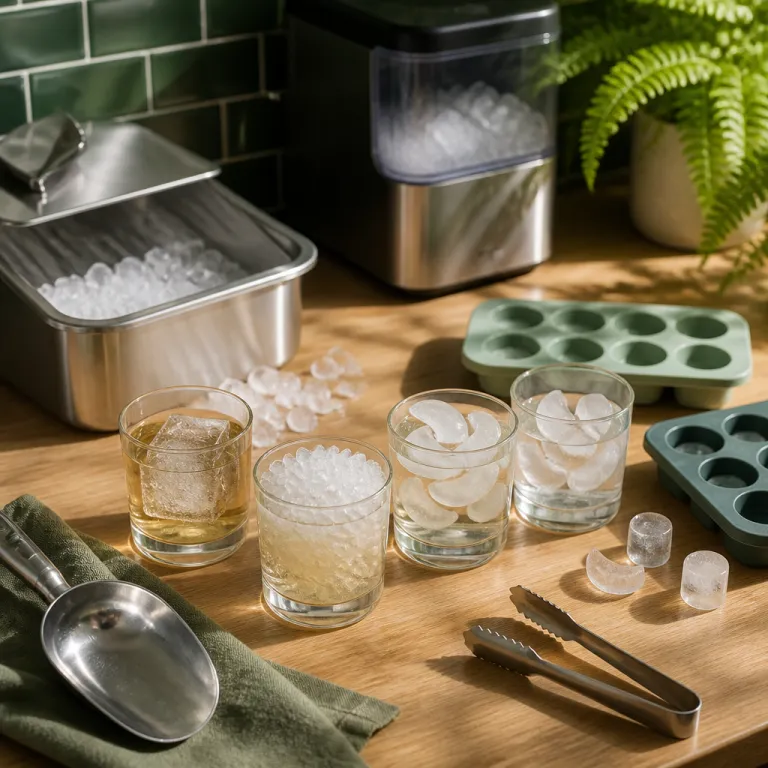
What ice shape for cocktails and why it changes every drink
When buyers ask what ice shape for cocktails they really need, I start with how they actually drink. The same cocktail poured over different ice cubes, from large cubes to small cube spheres, will taste and feel different because melt rate, surface area and temperature all shift together. If you care about cocktail ingredients and balanced dilution, your choice of cocktail ice should be as deliberate as your choice of spirits.
Think of each ice cube as a silent ingredient that will either keep drink structure tight or wash it out. Large ice and clear ice tend to melt slowly, so they protect aroma and texture in spirit forward cocktails, while standard cubes and crushed ice create faster dilution that softens strong flavors in long drinks. When ice melts too quickly in a glass, the drink loses both temperature control and flavor focus long before you finish it.
For an ice maker buyer, the real question is not only which ice shape works for cocktails, but which forms match your weekly drinks, from whiskey on the rocks to tall spritzes. A family that serves mostly water and soft drinks needs different shapes than a home bar focused on stirred drinks or whiskey cocktails, because the ideal surface area and melt profile change with each drink style. Before comparing machines, list your top five drinks and note whether they need large cubes, crushed ice, or something in between to keep drink quality high.
Cubed and large clear ice for whiskey and slow sipping
Classic cubes remain the reference point when people ask what ice shape for cocktails works in most situations. Standard ice cubes from many under counter makers are medium sized, so they chill a drink quickly but do not always melt slowly enough for high proof whiskey or spirit forward cocktails. If you mainly pour whiskey or stirred drinks like a Negroni, you will want either large cubes or even cube spheres that reduce surface area and slow dilution.
Large ice from a premium machine or mold gives you one or two big pieces per glass, which keep drink temperature low while limiting how fast the ice melts into the liquid. A two inch cube in a 3 ounce pour of 100 proof whiskey, for example, often stays solid for twenty to thirty minutes at room temperature in informal home tests, adding roughly 20 to 30 percent water over that time. This type of ice is ideal when you want to keep drink structure intact, especially with high quality whiskey where water should add nuance, not wash out the finish. Many buyers now look for clear ice capability, because clear ice cubes signal good water quality and directional freezing, which reduces trapped air and improves both appearance and melt behavior.
If your budget will not stretch to a dedicated clear ice maker, you can still improve cocktail ice by using filtered water and a directional freezing method in your freezer. A detailed guide on how to make clear ice at home with directional freezing explains how to push impurities downward so the top block stays clear and dense, which matters when you cut it into large cubes large enough for whiskey. In practice, this means insulating the sides and bottom of a small cooler or tray so ice freezes from the top down, then trimming away the cloudy portion once frozen. For mixed cocktails, you can combine one large ice cube with a few smaller cubes to fine tune dilution, because different shapes in the same glass change how quickly the drink warms and how the ice melts across the first sips.
Nugget, crescent and bullet ice for high volume cocktails and daily drinks
Nugget ice, sometimes called Sonic style ice, answers a different version of what ice shape for cocktails works best, focused on chewability and speed. These small, airy pieces of ice are perfect when you want crushed ice texture without running a separate crusher, because they pack tightly in a glass and create intense surface area for rapid chilling. Nugget ice cubes absorb flavors from cocktail ingredients and soft drinks, so they suit tiki cocktails, mint juleps and tall drinks where fast dilution is part of the design.
Crescent shapes, common in many fridge dispensers, behave like a flexible standard ice option for both water and cocktails. Their curved profile reduces clumping in the bin, and in a shaker they move smoothly around other cocktail ingredients, which helps chill drinks evenly without over bruising delicate spirits. If your household serves many water drinks and kid friendly beverages, crescent cocktail ice offers a practical balance between production speed, storage stability and acceptable dilution in most cocktails.
Bullet ice from portable machines focuses on speed of production, which will appeal if you host often and need many drinks quickly. Typical countertop units produce around 20 to 30 pounds of bullet ice per day in manufacturer specifications, enough for a small party or steady family use. These hollow ice cubes freeze fast and cool a drink rapidly, but because each piece has relatively high surface area, the ice melts faster than large cubes or clear ice blocks. When local tap water becomes harder during drought restrictions, as explained in analyses of what water restrictions mean for your filter cycle, you should pay attention to filter maintenance, because water quality directly affects bullet ice clarity, taste and how well it keeps drink flavor clean.
Matching grid: shape, drink style and serving moment
Once you understand what ice shape for cocktails does in the glass, you can map shapes to real serving moments. For slow sipping whiskey or spirit forward cocktails, choose one large ice cube or a pair of cubes large enough to touch but not crowd the glass, because this setup keeps drink temperature low while letting the melt rate stay gentle. When you want a showpiece, cube spheres or other rounded shapes reduce surface area even more, so they melt slowly and highlight premium spirits.
For shaken cocktails and tall drinks, standard ice cubes or crescent shapes work well because they chill quickly and create controlled dilution during shaking. In the finished drink, you can strain onto fresh standard ice or a single large ice cube, depending on whether you want the drink to stay strong or gradually soften as the ice melts into the mix. Highball cocktails, such as gin and tonic or Paloma, benefit from tall glasses filled with clear ice cubes or large cubes, which keep drink carbonation lively while limiting water uptake.
Crushed ice or nugget ice belongs with tropical cocktails, juleps and low alcohol spritzes where heavy dilution is part of the recipe. These shapes create massive surface area, so they will melt quickly and keep drink texture light, which suits hot weather and outdoor parties. If you are planning a large event and need to estimate how much ice for 80 guests or more, a dedicated backyard wedding ice plan can help you balance bagged crushed ice, machine made cocktail ice and perhaps some dry ice for safe transport, though dry ice should never go directly into a drink.
| Ice shape | Best for | Typical melt behavior | Example daily production |
|---|---|---|---|
| Large clear cubes / spheres | Whiskey, spirit forward cocktails | Slow melt, low dilution over 20–30 minutes | 20–40 lb from dedicated clear ice units |
| Standard cubes / crescents | Shaken drinks, highballs, water | Moderate melt, balanced chilling and dilution | 50–80 lb from under counter machines |
| Nugget or crushed | Tiki, juleps, spritzes | Very fast melt, high surface area | 60–90 lb from nugget style makers |
| Bullet | Parties, casual mixed drinks | Fast melt, quick chilling | 20–30 lb from portable units |
Water quality, storage and why two ice makers are becoming common
Even the best answer to what ice shape for cocktails you prefer will fall short if water quality is poor. Off flavors in water travel straight into every ice cube, and as the ice melts into your drink, those flavors become more noticeable, especially in clear spirits and delicate cocktails. A good filter and regular cleaning schedule protect both taste and machine longevity, because mineral buildup changes how standard ice forms and can reduce clarity in clear ice.
Storage matters almost as much as shape, because different forms survive time in the bin differently. Large ice and clear ice blocks handle a 12 hour insulated bin well, while crushed ice and nugget ice tend to fuse into a solid mass if left untouched, which changes how the ice melts later in the glass. Crescent and bullet shapes sit between these extremes, staying loose longer but slowly rounding off as surface area shrinks, which slightly improves how they keep drink temperature stable over time.
Many serious home bartenders now buy two machines, pairing a clear ice or large cubes maker with a fast bullet or nugget unit for parties. This combination lets you serve whiskey on pristine large ice while also turning out tall cocktails and soft drinks on demand, without compromising either drink style. When you evaluate any type of ice maker, look at production rate, bin insulation, filter design and how well the chosen shapes match your real drinks, because that alignment will decide whether every glass feels perfect or just acceptable.
FAQ
What ice shape for cocktails gives the best overall versatility at home ?
For most home bars, standard ice cubes or crescent shapes offer the best balance between versatility and simplicity. They work in shaken cocktails, stirred drinks, water and soft drinks, and they keep drink temperature acceptable without extreme dilution. If you later add a second machine for large ice or nugget ice, you can reserve those specialty shapes for whiskey or tiki cocktails while still relying on standard ice for daily use.
Is large clear ice really worth it for whiskey and spirit forward cocktails ?
Large clear ice cubes or spheres make a noticeable difference in whiskey and other spirit forward cocktails because they melt slowly and introduce water more gently. Clear ice has fewer air bubbles and impurities, so it keeps drink flavor cleaner and the visual effect in the glass is elegant. If you regularly serve premium spirits, investing in a clear ice capable maker or using a directional freezing method at home is usually worthwhile.
When should I choose crushed or nugget ice instead of cubes ?
Crushed ice and nugget ice are ideal when you want fast chilling and intentional dilution, such as in tiki cocktails, mint juleps and low alcohol spritzes. These shapes create high surface area, so the ice melts quickly and keeps drink texture light and refreshing, especially in hot weather. If you enjoy chewing ice or serving tall, fruity cocktails, a nugget ice maker can be a smart second machine alongside a standard cube unit.
Does water quality really change how my cocktail ice tastes ?
Water quality directly affects ice taste, clarity and how the ice melts into your drink. Minerals, chlorine and off odors in tap water become more concentrated as ice cubes freeze, then release into cocktails as the ice melts, which can flatten delicate flavors. Using filtered water and maintaining your ice maker according to the manufacturer’s schedule helps keep drink quality high and protects the machine from scale buildup.
How do I stop ice from clumping in the storage bin ?
Ice clumps when surface moisture refreezes, which happens more often with crushed ice, nugget ice and small bullet shapes. To reduce clumping, avoid opening the bin unnecessarily, break up fresh batches gently before they refreeze together, and choose a well insulated bin that limits temperature swings. If you need ice to stay loose for many hours, larger cubes and crescent shapes usually hold their form better than very small pieces.
Editorial note: Melt time ranges, dilution percentages and daily production figures in this guide are based on a mix of manufacturer specifications and small scale home tests in typical kitchen conditions, so your exact results may vary with room temperature, glassware and recipe.