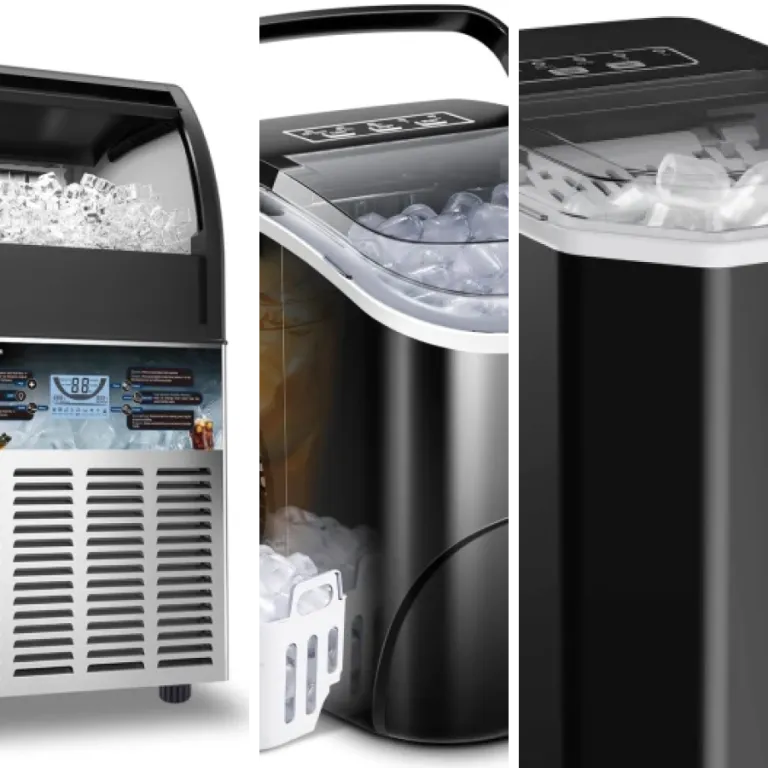
Comparing bullet ice, nugget ice, and clear ice in compact machines
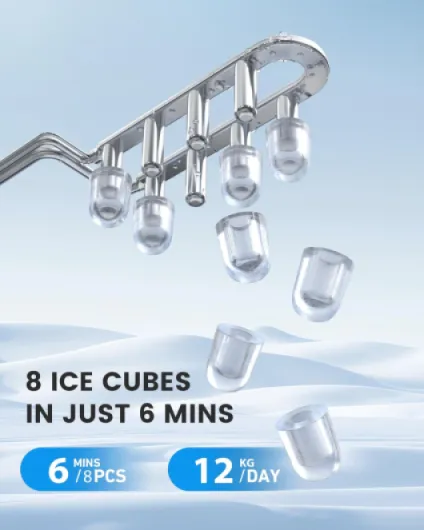
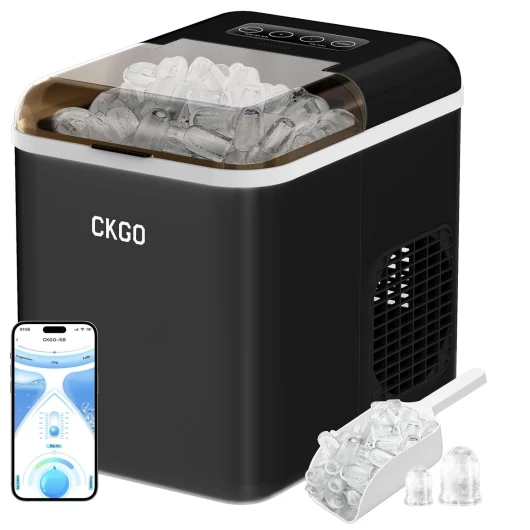
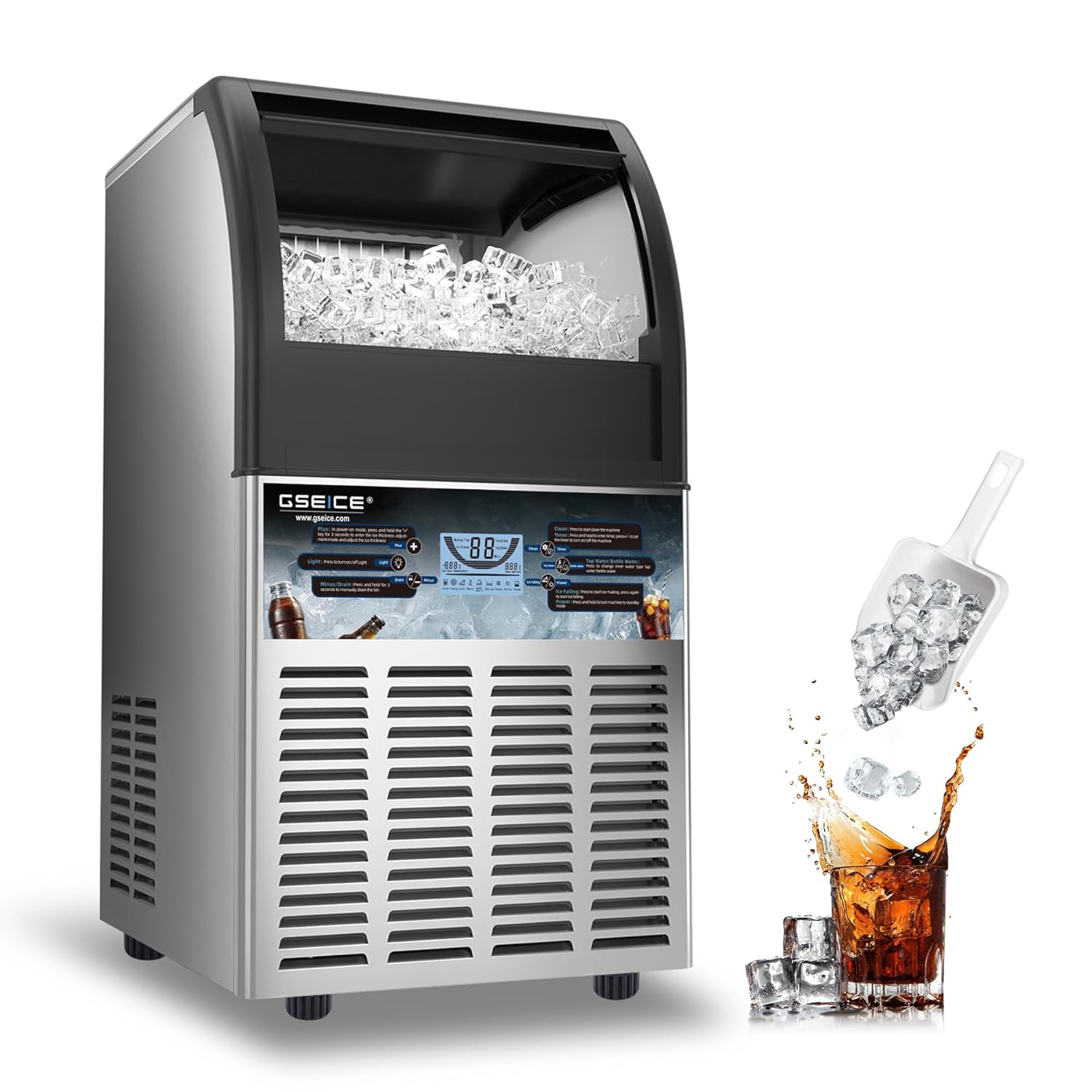
Choosing between bullet ice, nugget ice, and clear ice is the deepest decision when evaluating the best compact ice makers. Bullet ice makers freeze water around metal prongs, creating hollow cylinders that drop into the bin quickly and stack efficiently in 5 pound ice bags for later use. Nugget ice makers compress flaked ice into soft chewable pellets, while clear ice machines freeze water slowly to push out air and create dense transparent cubes.
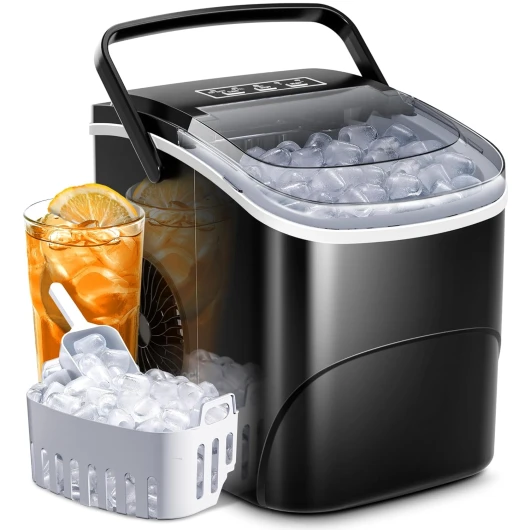
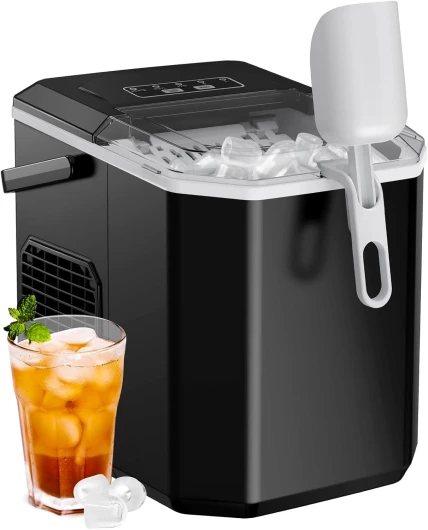
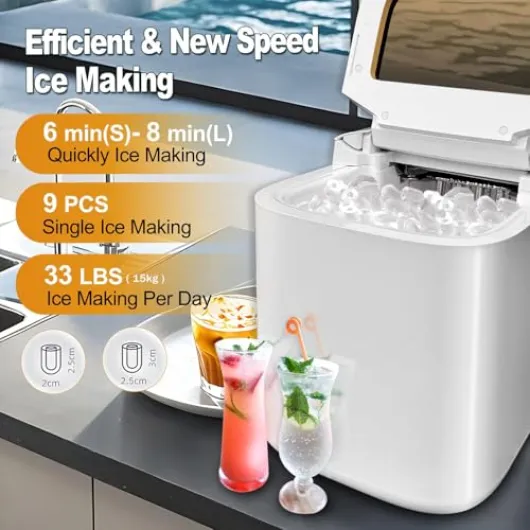
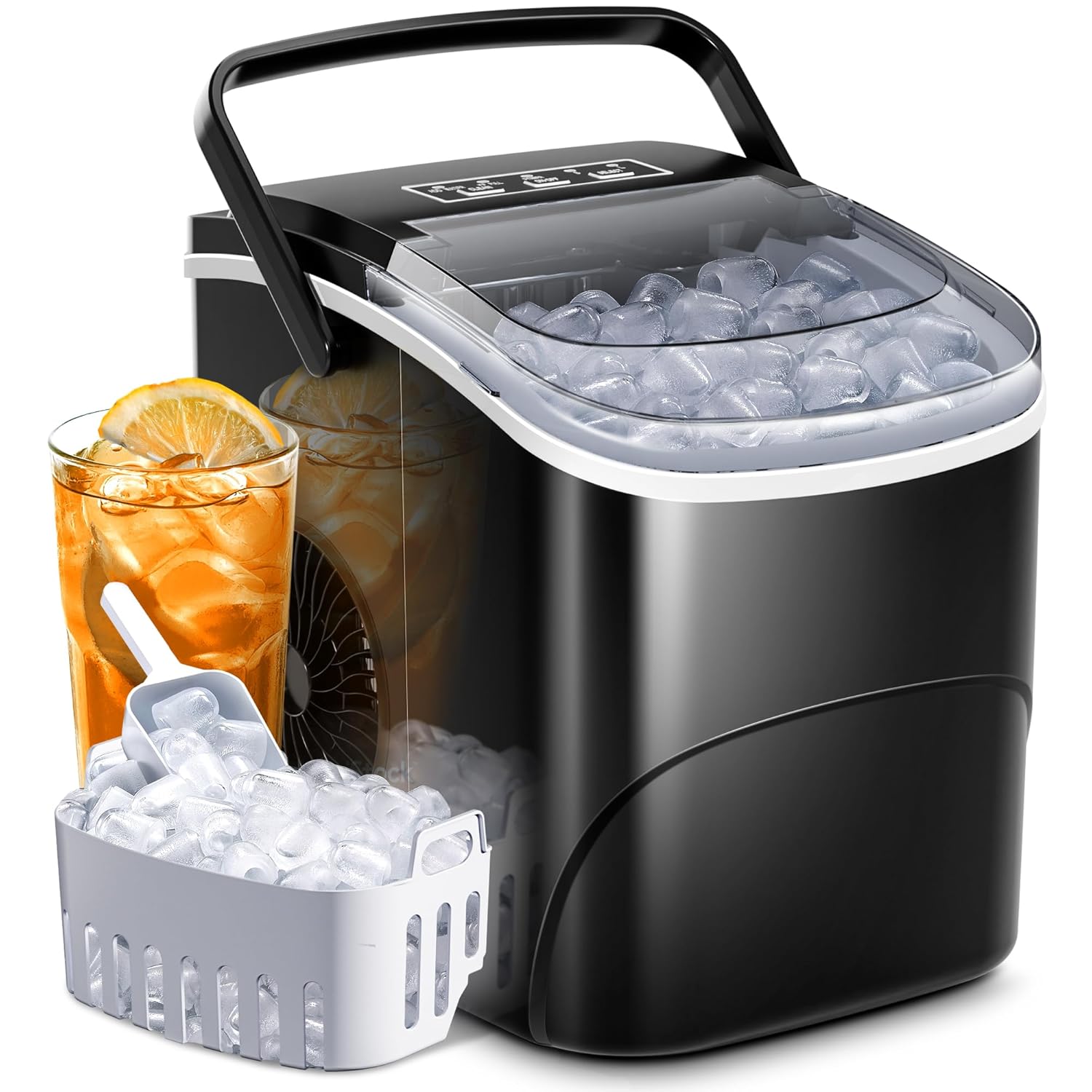
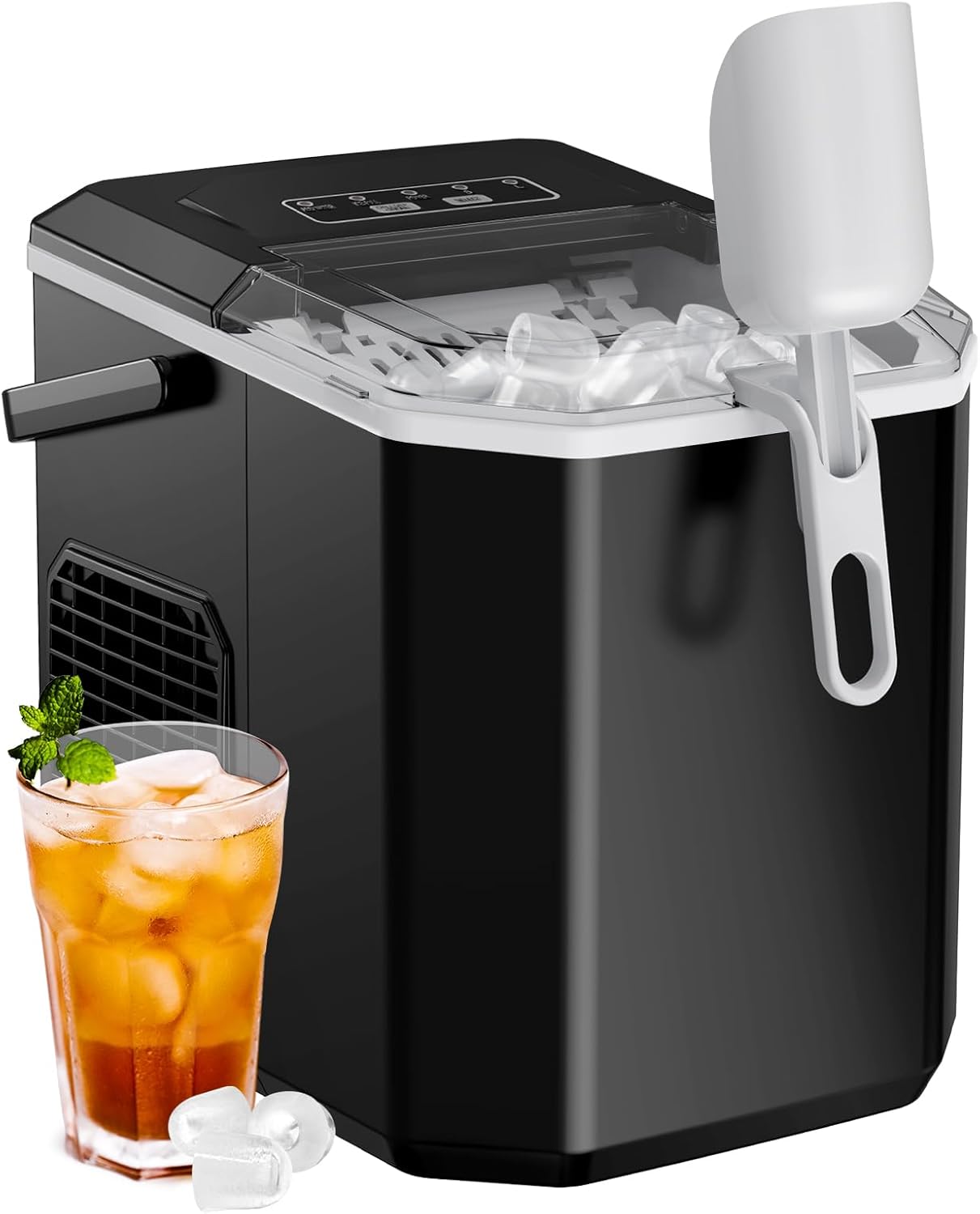
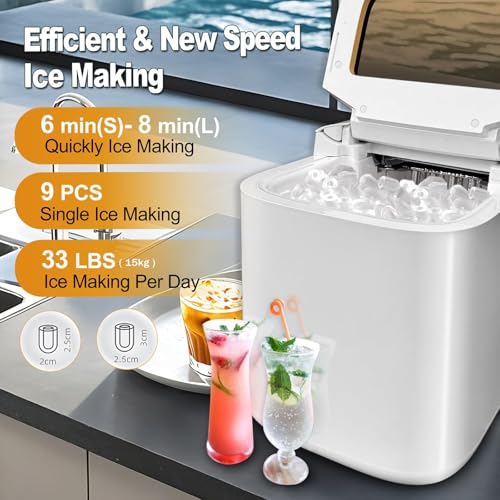
Bullet ice is ideal if you want fast cycles and a lower purchase price without sacrificing cooling performance. A compact bullet ice maker machine such as a typical countertop ice model can reach about 26 lbs of ice per day, which suits most family kitchens and small snack bars. These machines usually offer two ice cubes sizes, and the bullet shape works well with a standard ice scoop and most ice bucket sizes.
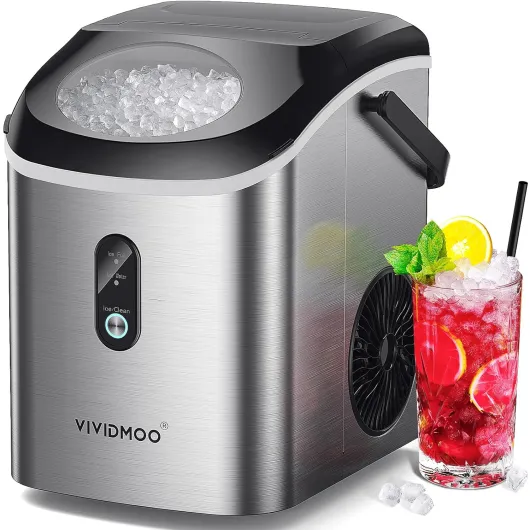
Nugget ice, sometimes called sonic ice, feels softer and more porous, so it absorbs drink flavors and stays pleasantly chewable. This style of nugget ice is popular for cold brew coffee, mocktails, and soft drinks, and many buyers now rank nugget ice higher than traditional cubes. However, a nugget ice maker often costs more, uses a larger water tank, and may require more frequent cleaning to keep the internal machine parts free of scale.
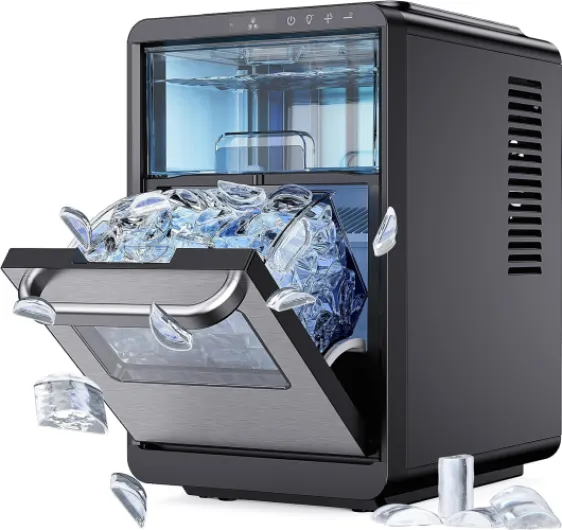
Clear ice cubes melt slowly and look elegant in cocktails or spirits, but compact clear ice makers tend to produce fewer cubes per day. If you mainly fill 5 pound ice bags for parties, bullet ice or nugget ice machines are usually more practical than clear ice models. For detailed storage planning, you can also review guidance on choosing the right 5 pound ice bags for your ice maker needs so your countertop ice production matches your serving habits.
Key specifications that define a high performing compact ice maker
Once you know your preferred ice style, compare specifications to narrow down the best compact ice makers for your space. Look at daily capacity in kg or lbs, first batch time, bin volume, and whether the ice maker uses a removable water tank or direct fill reservoir. A typical compact machine offers around 2.5 kg per day in basic tests, while stronger bullet or nugget models reach 11 to 17 kg.
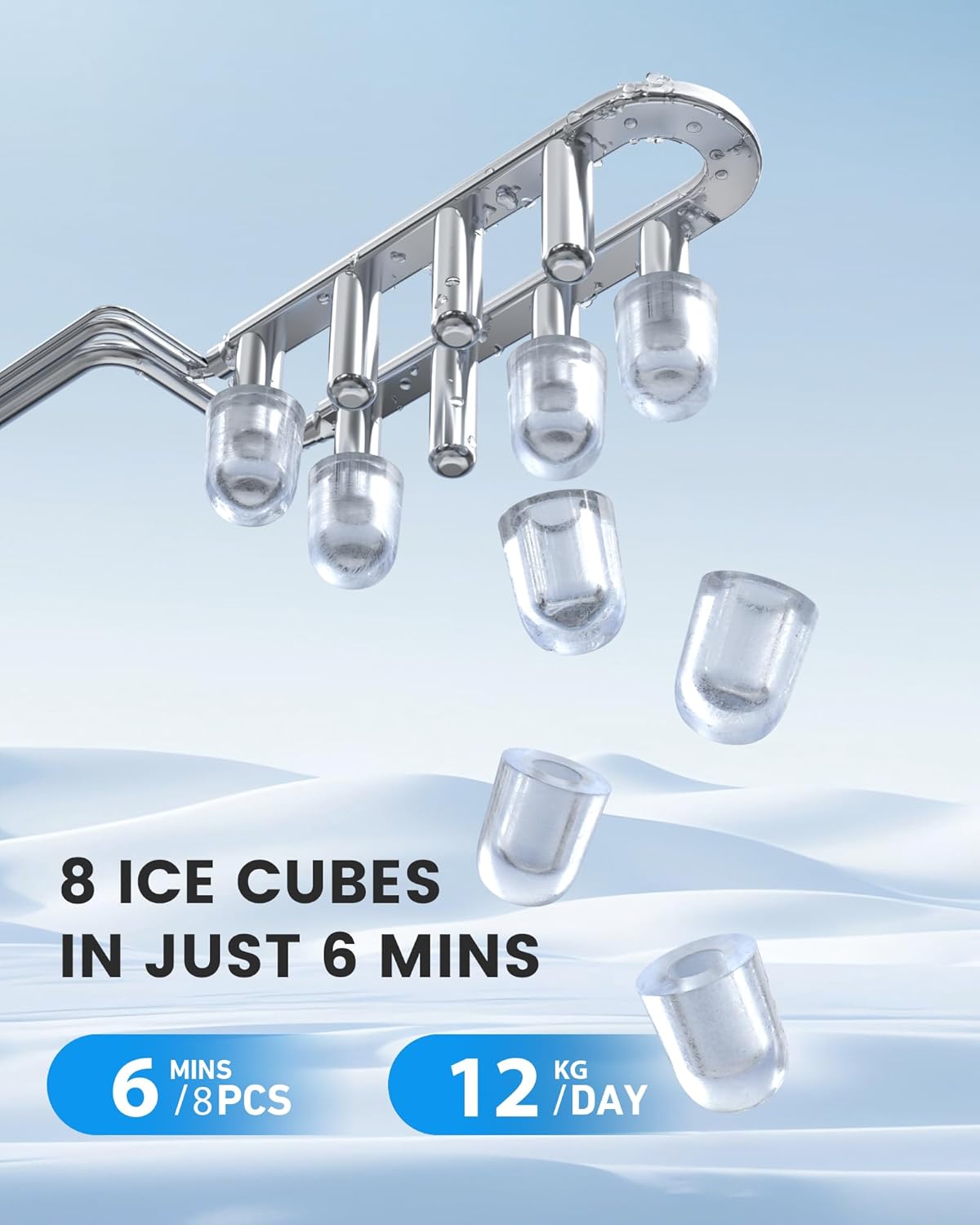
Cycle time is crucial, because a fast bullet ice maker can deliver the first cubes in about six minutes. Nugget ice machines often need eight to ten minutes before the first soft chewable pellets appear, but then they maintain a steady flow of chewable ice for hours. Models like premium countertop nugget machines can reach more than 17 kg or 38 lbs per day, which suits frequent entertainers and home bar owners.
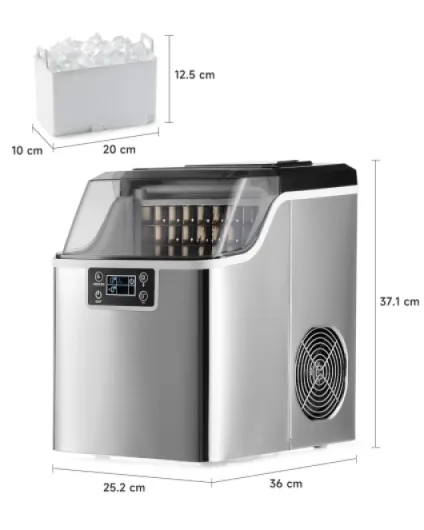
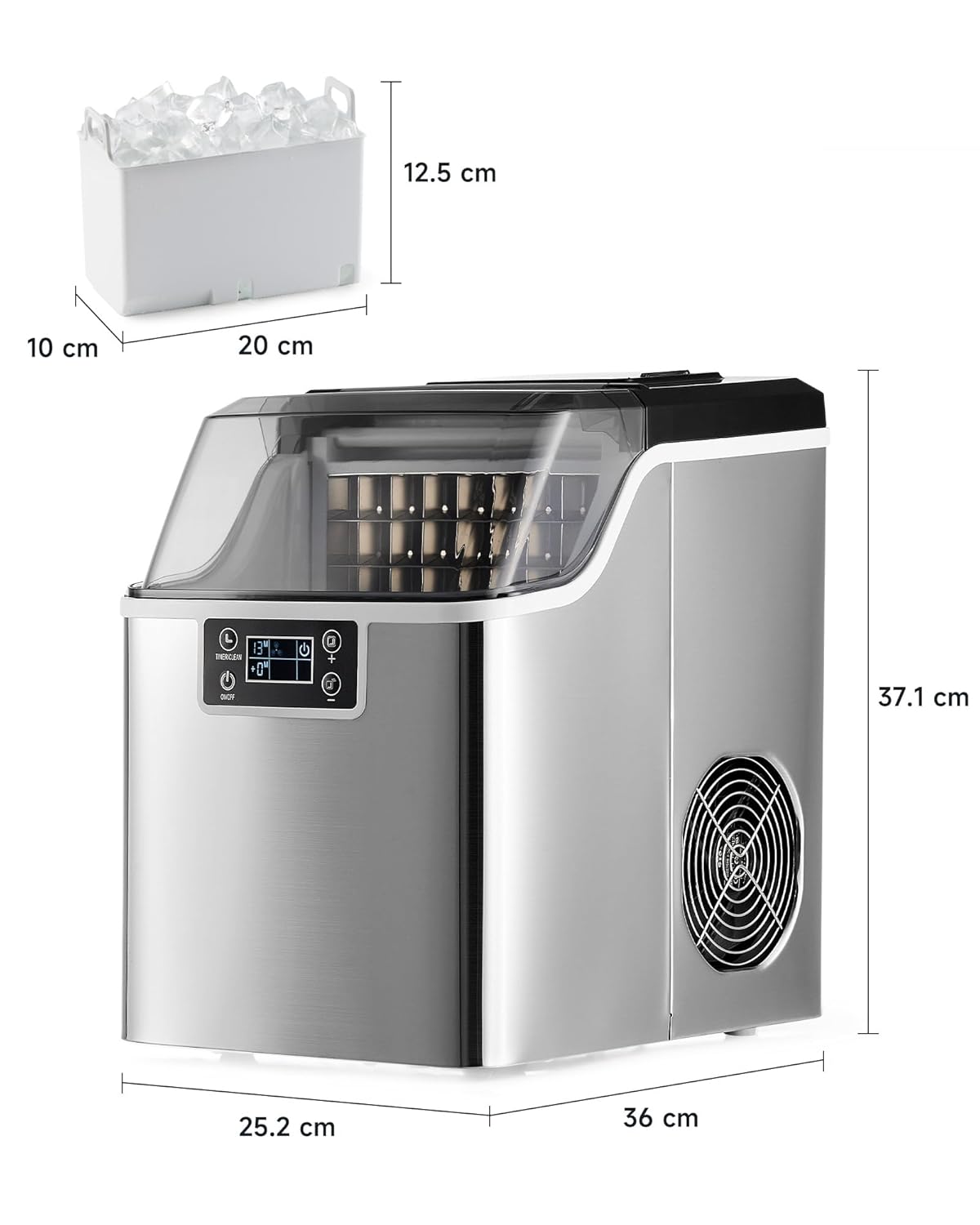
Check the dimensions carefully so the machine fits under cabinets and still allows the lid to open fully. Many countertop ice makers measure between 280 and 420 mm wide, with depths around 200 to 350 mm and heights up to 450 mm, so even a portable ice unit needs thoughtful placement. Leave at least 5 cm around the stainless steel or plastic housing for ventilation, and confirm the handle position will not collide with shelves.
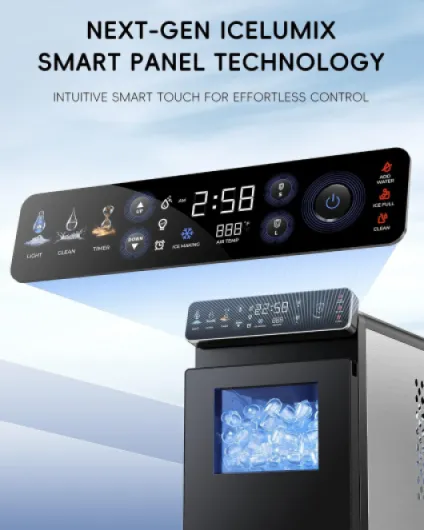
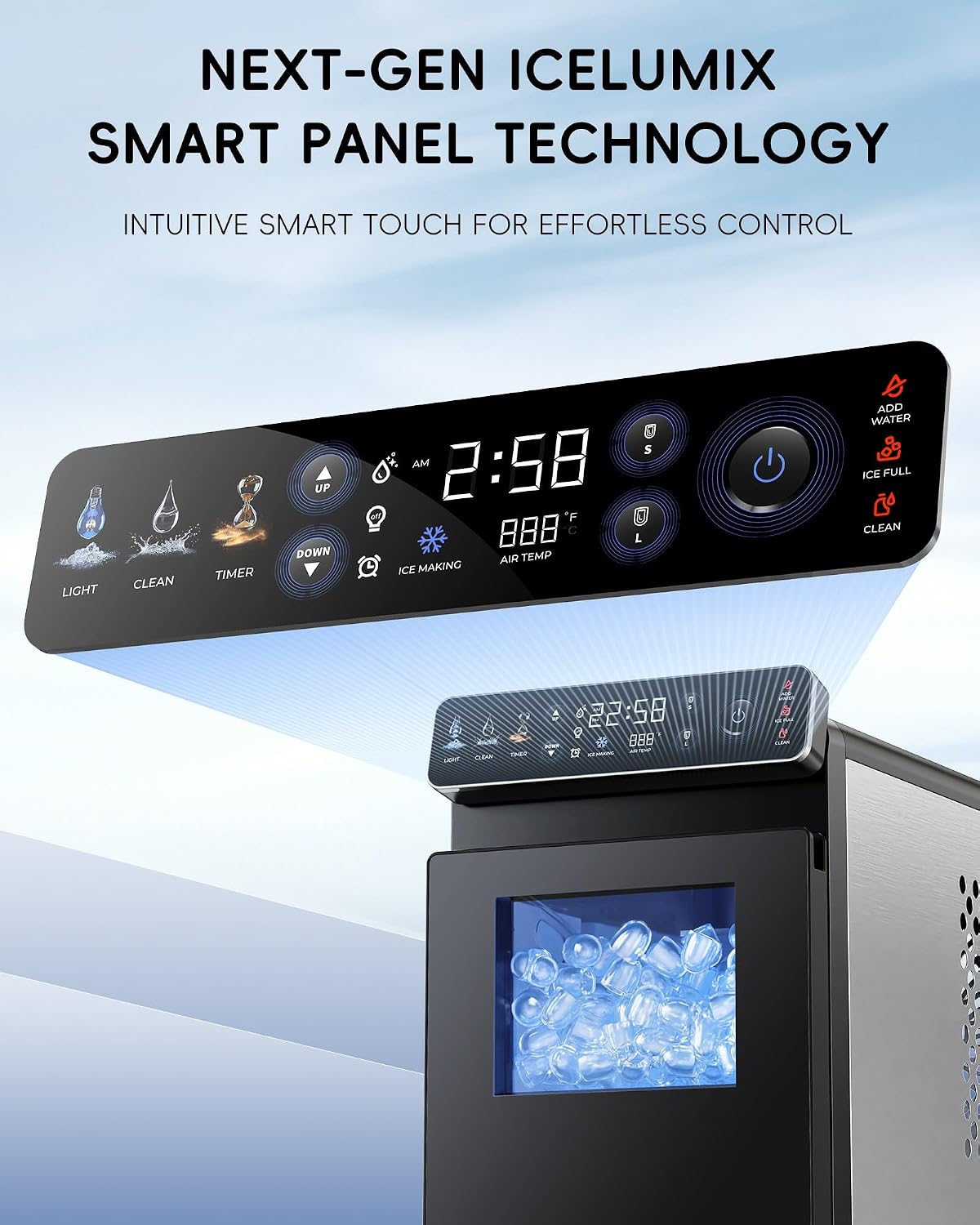
Smart features and cleaning options also influence long term satisfaction and maintenance costs. Some maker machine designs include self cleaning cycles, water filter compatibility, and alerts when cleaning is due, which protect internal parts and keep ice cubes tasting fresh. If filtration matters to you, review advice on choosing the right ice maker with water filter compatibility before committing to a specific ice machine model.
Real world examples of compact bullet and nugget ice makers in use
Looking at specific compact ice makers helps translate specifications into everyday performance in a kitchen or bar. A popular bullet ice maker such as the Frigidaire EFIC189 offers around 26 lbs of bullet ice per day, with a first batch in roughly six minutes and two bullet sizes for different glasses. This kind of maker countertop unit suits small households that want reliable bullet ice without paying a premium price for nugget ice.
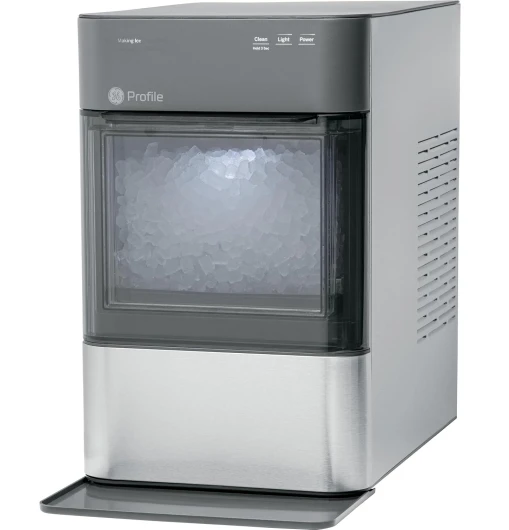
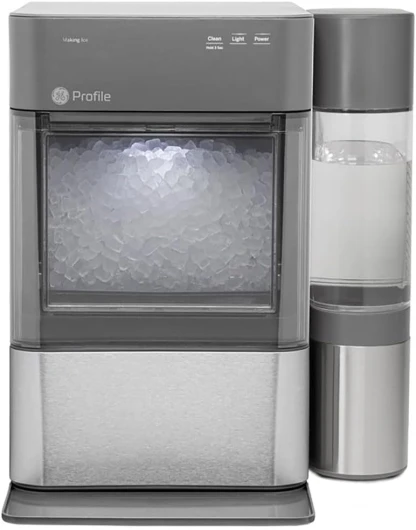
For nugget ice enthusiasts, the GE Profile Opal 2.0 XL stands out among the best compact ice makers despite its larger footprint. It delivers authentic nugget ice with a soft chewable texture, uses a sizeable water tank, and adds WiFi plus app control for scheduling and monitoring. As one expert notes, “If you’re willing to spend a little more, the Profile Opal 2.0 gives you a continual supply of the opal-shaped nuggets … produces 38 pounds of it within 24 hours. ([popularmechanics.com](https://www.popularmechanics.com/home/g37285918/best-countertop-ice-makers/)).”
Buyers who want chewable ice at a more moderate price often consider an Ecozy nugget ice maker. This type of countertop nugget machine focuses on soft chewable pellets, relatively quiet operation, and a self cleaning mode that simplifies routine maintenance. It still uses a compact water tank and portable design, so you can move the machine between the kitchen and a terrace bar when entertaining.
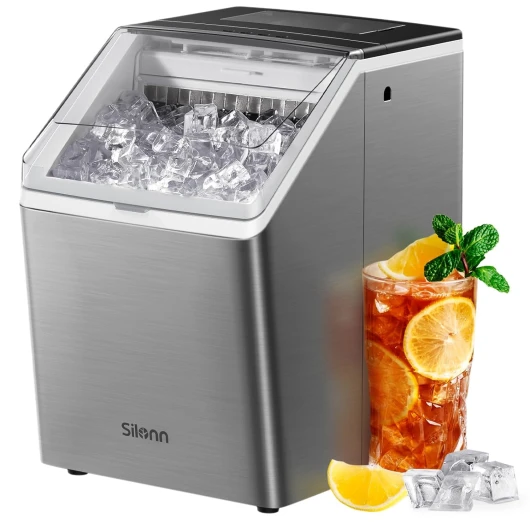
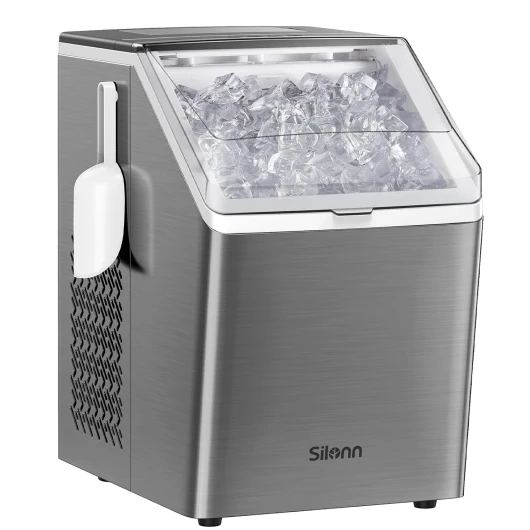
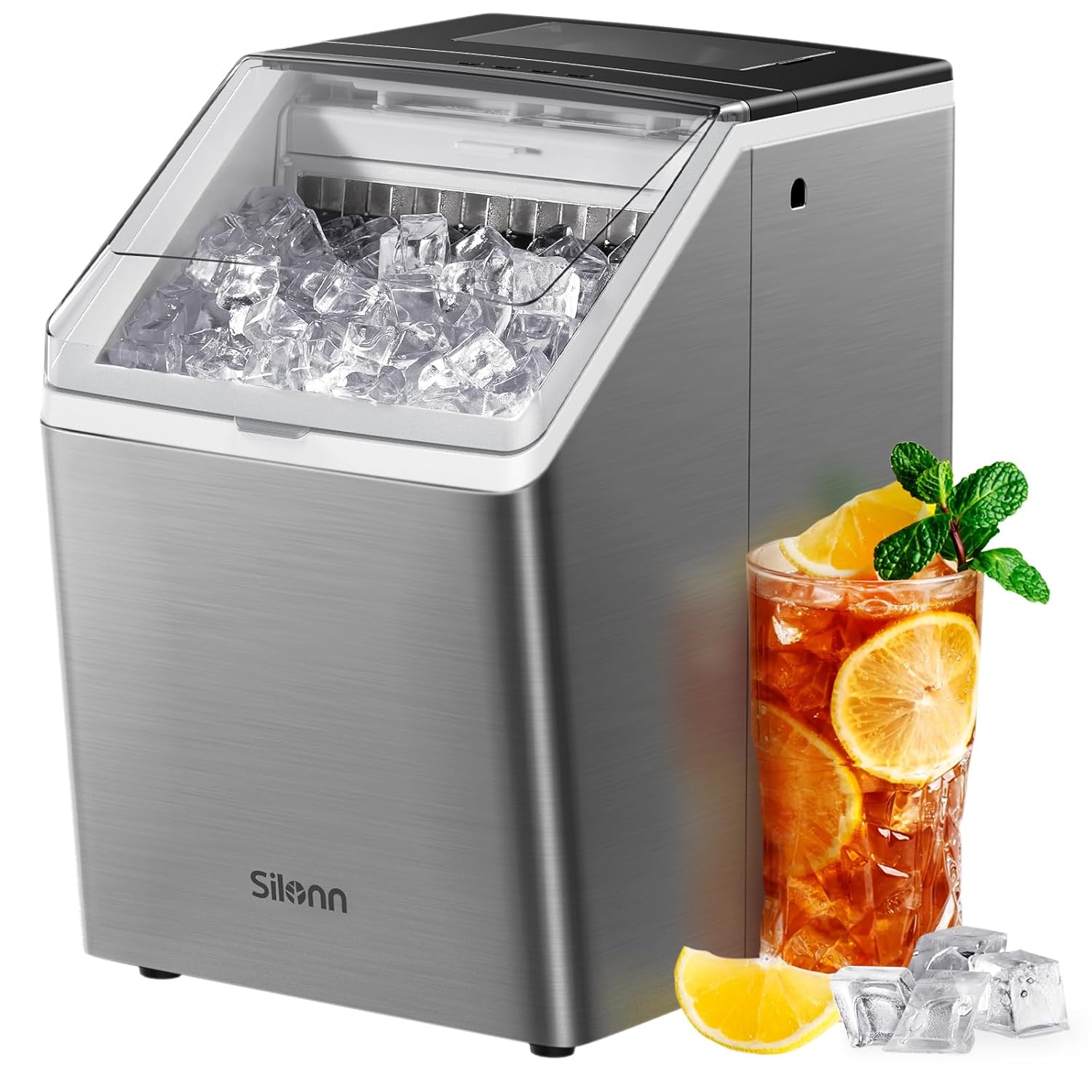
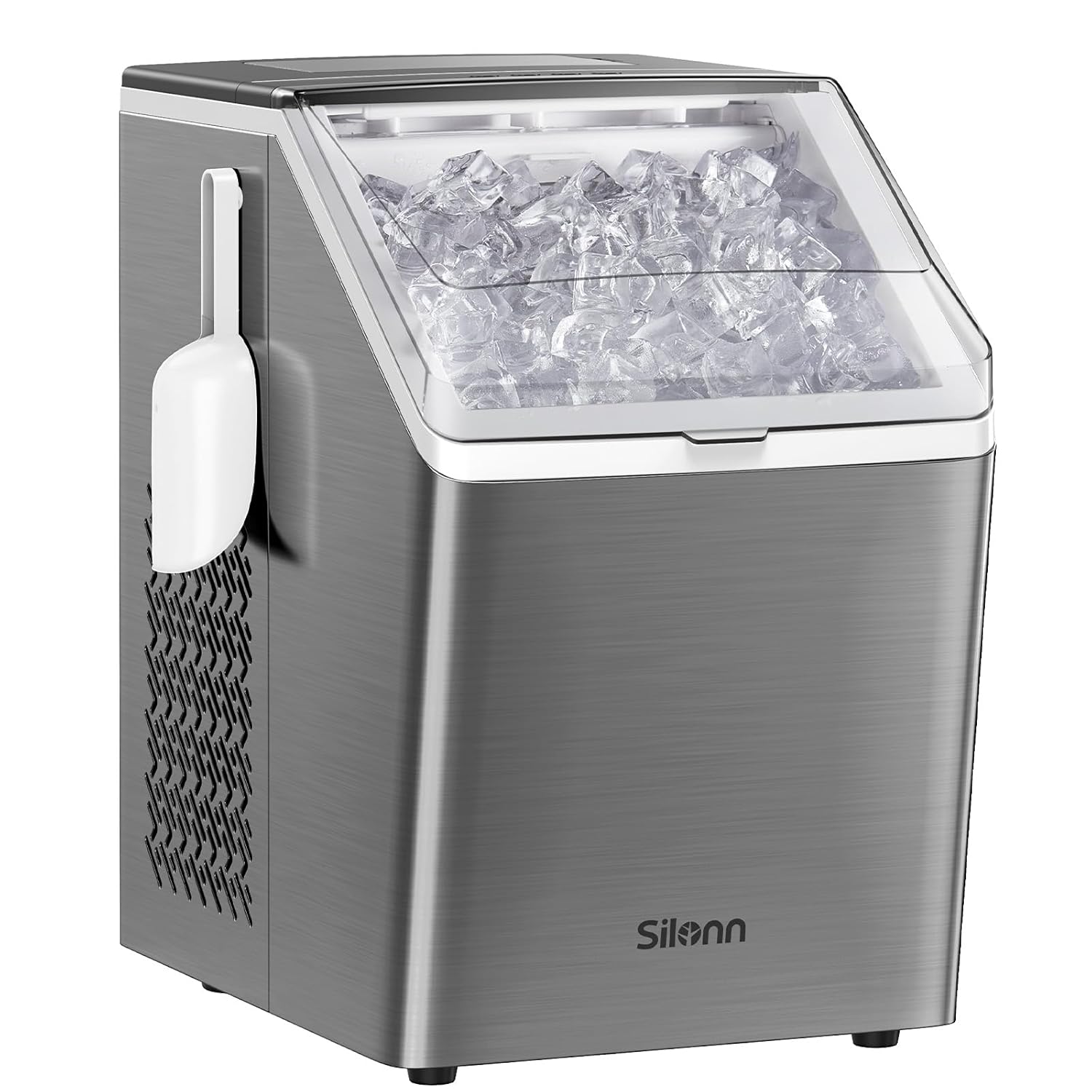
Budget focused shoppers may choose a Silonn countertop ice maker that prioritizes portability and low price over advanced smart features. These bullet ice machines typically offer around 24 lbs per day, two cube sizes, and a simple control panel that anyone can operate. Whatever model you select, remember to match your ice cubes output to your storage accessories, including the right ice bucket size in centimetres, which you can refine using this guide on choosing the right ice bucket size in cm for your ice maker.
Maintenance, cleaning, and hygiene for compact countertop ice machines
Even the best compact ice makers will disappoint if you neglect cleaning and basic care. Ice absorbs odours easily, so a dirty water tank or bin quickly leads to off flavours, cloudy cubes, and wasted lbs of ice. Plan to clean the reservoir, bin, and removable parts every two to four weeks, and always unplug the machine before you start.
Most modern ice makers include a self cleaning mode that circulates water and cleaner through the internal machine components. Use food safe cleaning solutions, rinse thoroughly, and run one full batch of ice to discard after each deep cleaning session, especially with nugget ice machines that handle more internal friction. Regular cleaning prevents mineral scale from building up on the evaporator and helps bullet ice and nugget ice release cleanly into the bin.
If you live in a hard water area, filtered water significantly extends the life of your portable ice maker. Hard water deposits can clog narrow channels in a maker machine, reduce ice cubes size, and force the compressor to work harder, which raises energy use and long term price. Using filtered water in the water tank also keeps chewable ice and clear ice tasting neutral, which matters for cocktails and cold brew coffee.
Pay attention to small accessories such as the ice scoop, removable basket, and handle, because they contact ice directly. Wash these parts with mild detergent, rinse well, and let them air dry before returning them to the countertop ice maker, so no soap residue reaches the cubes. With this routine, your stainless steel or plastic ice machine will maintain performance, and both bullet ice and nugget ice will stay fresh and hygienic for every guest.
Matching compact ice makers to your lifestyle, budget, and space
To choose confidently among the best compact ice makers, align three elements : lifestyle, budget, and available space. Start by estimating how many lbs of ice you use on a busy day, including drinks, ice buckets, and any 5 pound ice bags you store for later. Small households may be satisfied with around 12 kg per day from a bullet ice maker, while frequent entertainers or chewable ice fans might need a higher capacity nugget ice machine.
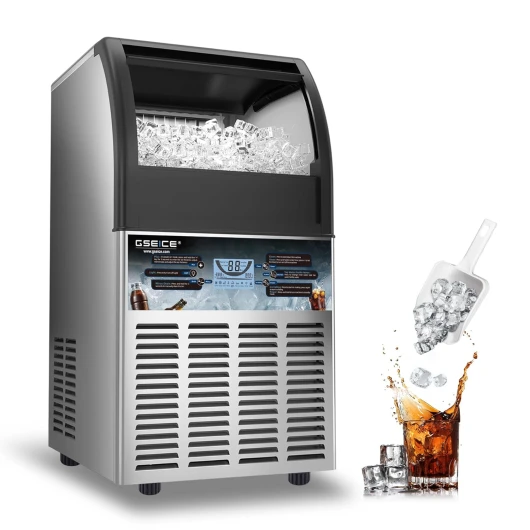
Next, decide how much you are willing to pay for texture, speed, and smart features. Bullet ice makers usually offer the lowest price for a given daily output, whereas countertop nugget machines and clear ice units cost more but deliver premium ice cubes. Consider whether you truly need WiFi, app control, and advanced maker machine diagnostics, or whether a simple portable ice model with a clear control panel is sufficient.
Space planning is equally important, especially in compact kitchens or RVs where every centimetre counts. Measure your countertop depth, height under cabinets, and clearance behind the machine for ventilation, then compare these numbers with the dimensions of each ice maker. Remember that you also need room to lift the lid, remove the basket, and operate the handle and ice scoop comfortably.
Finally, think about how you will move, store, and maintain the machine over time. A lighter portable ice maker with a sturdy handle and removable water tank is easier to carry to outdoor events or clean at a sink. By weighing types ice, cleaning needs, machine capacity, and long term operating costs together, you can select an ice maker or ice makers collection that fits your kitchen, your guests, and your budget with elegant precision.
Key statistics about compact ice makers and user needs
- Average daily ice capacity of leading compact bullet ice models in independent tests is about 2.5 kg per day, which suits light household use but may be low for frequent entertainers.
- Typical compact bullet ice machines marketed for home use often advertise around 26 lbs of bullet ice per day, aligning with the needs of many small families and casual hosts.
- Premium countertop nugget ice makers can reach daily outputs near 38 lbs, providing enough soft chewable ice for home bars, cocktail parties, and heavy soft drink consumption.
- Consumer surveys indicate that roughly 35 % of typical users report needing several pounds of ice per day, highlighting the importance of matching machine capacity to real habits.
- When asked whether shape or speed matters more, about 70 % of respondents prioritise ice cube shape, confirming the growing appeal of nugget ice and other specialised textures.
Common questions about compact ice makers
Do countertop ice makers require a permanent water connection ?
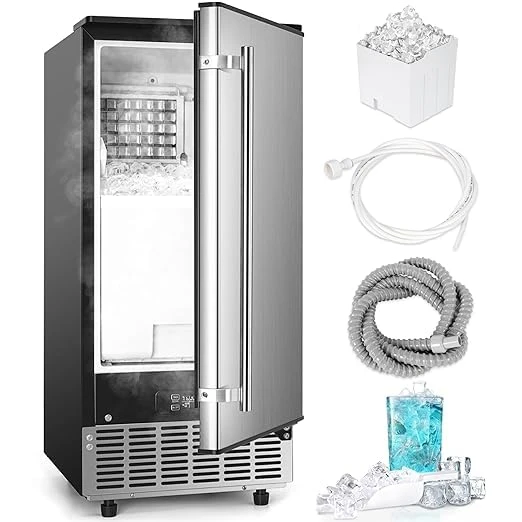
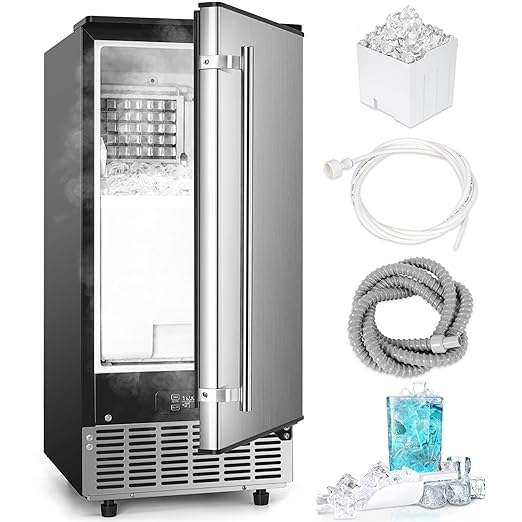
Most compact countertop ice makers use an integrated water tank that you fill manually with potable water. This design keeps the machine portable and easy to place on any suitable countertop or bar surface. Only larger built in or under counter ice machines typically require a fixed plumbing connection.
How noisy are compact bullet and nugget ice machines during operation ?
Bullet ice makers usually produce moderate compressor and fan noise, often in the 40 to 50 dB range during freezing cycles. Nugget ice machines can be slightly louder because they use additional motors to scrape or compress ice into chewable pellets. If noise is a concern, look for models with good insulation, clear decibel ratings, and user reviews that mention quiet performance.
How often should I clean a compact ice maker to keep ice tasting fresh ?
Plan to clean the water tank, bin, and removable parts every two to four weeks, depending on usage and water quality. Many modern machines include a self cleaning cycle that you should run at least once a month with a suitable food safe cleaner. Regular cleaning prevents mineral buildup, removes odours, and keeps both bullet ice and nugget ice tasting neutral.
Do compact ice makers recycle melted ice water automatically ?
Many countertop ice makers are designed so that melted ice drains back into the internal water tank, where it can be frozen again. This feature reduces water waste and ensures the machine can keep producing ice cubes without constant refilling. Always check the product description to confirm whether a specific ice machine includes this water reuse design.
What factors should I prioritise when buying my first compact ice maker ?
Focus first on ice style, daily capacity, and available countertop space, because these determine whether the machine fits your lifestyle. Then compare price, noise level, cleaning requirements, and any smart features such as WiFi or app alerts. Finally, review warranty terms and user feedback to ensure the ice maker you choose offers reliable performance and straightforward maintenance over time.