Normal ice maker sounds every café owner should expect
Every icemaker in a busy café or food truck makes some noise. When you understand which ice maker noise is normal, you can focus your ice maker noise troubleshooting on the real problems instead of chasing harmless sounds. That clarity saves time, protects your appliance, and keeps your ice supply stable.
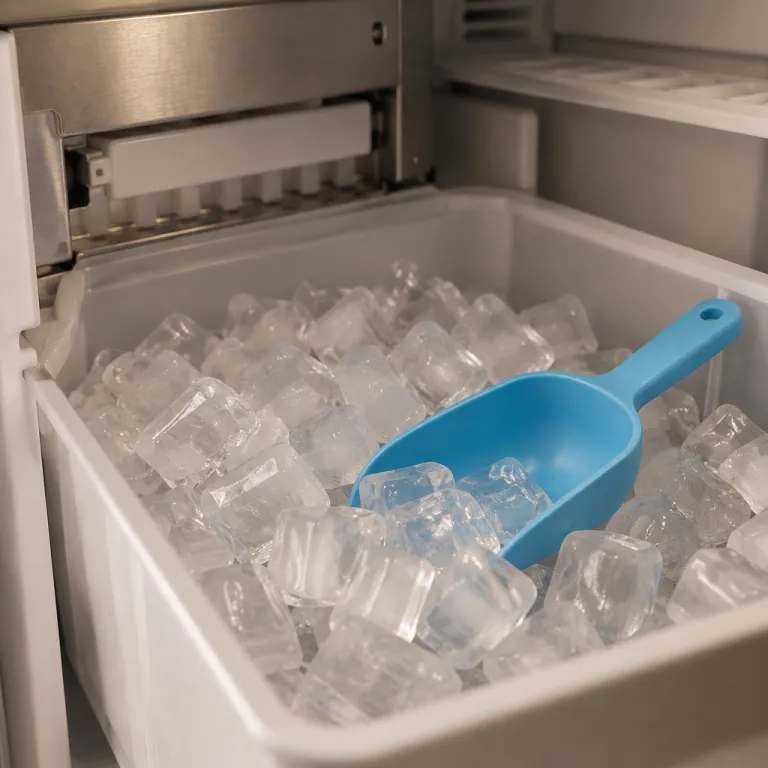
During normal operation you will hear a low compressor hum and gentle water sounds while the machine is making ice. The compressor noise should not be loud or harsh, more like a refrigerator in a quiet prep area than a power tool in a workshop. When a batch finishes you will hear ice dropping into the bin, which can sound sharp but should be brief and consistent every time ice is released.
Expect occasional clicks as thermostats cycle and relays switch power to different parts of the appliance. These clicking sounds are part of the design and do not usually signal an issue unless they become rapid, irregular, or very loud compared with the usual background noise. If you notice a new sound while the icemaker is making ice, pause and check whether the machine is level, the cabinet panels are tight, and nothing is touching or vibrating against the housing.
Water flowing into the icemaker should sound like a soft trickle, not a hammering pipe or buzzing valve. When frost melts during a defrost cycle you may hear faint hissing or dripping, which is normal as long as the frost does not build into thick sheets around the evaporator. For small businesses where the ice bin is near customers, choosing an appliance with a rated noise level around 40 dB helps keep the service area comfortable while still delivering enough ice.
To put decibels into context, 35 dB is similar to a quiet library while 40 dB matches a calm residential kitchen during light prep. Around 45 dB you reach the level of a normal conversation, which is usually acceptable in a back room but can feel loud at a front counter where guests sit close to the icemaker. When you compare models, ask for the noise rating in dB and check whether that level fits your specific service area layout and customer expectations.
Clicks, pops and the silence problem
Clicking is often the first sound that makes an owner worry about appliance repair. In many compact icemaker models a single click simply means the thermostat or control board has cycled, which is part of normal ice maker noise troubleshooting. The key is to listen for changes in rhythm, volume, and whether the clicks are followed by the usual compressor hum and water sounds.
Rapid or repeated clicking without the compressor starting can indicate a control problem or a failing start relay. When that happens the icemaker may stop making ice even though the lights are on and the fan still moves air through the rear area. If you hear this pattern, limit power cycling, check the power supply, and schedule service before the problem damages the compressor windings.
Occasional pops can come from plastic panels expanding and contracting as frost melts and refreezes. These pops should be soft and infrequent, especially in a stable room temperature service area where the ambient conditions do not swing wildly. If the pops become loud or you see panels shifting, check for heavy frost buildup that might be pushing against the cabinet and plan a thorough defrost to remove ice safely.
Silence can be more worrying than noise when you rely on steady time ice production for your drinks menu. If the machine should be running but you hear nothing at all, start with a basic check of power, water supply, and bin sensor position. Many icemaker designs pause when the bin is full, so remove ice from the bin, close the door firmly, and wait a full cycle before assuming a serious issue.
When silence continues after these steps, look for warning lights or error codes on the control panel. A repeated attempt to start followed by silence often points to a safety shutdown, which is a clear sign to call an appliance repair service rather than keep resetting the unit. In that situation a prompt service visit usually costs less than running the appliance into a major repair by ignoring the underlying issue.
For bar programs that rely on crystal clear spheres or specialty cubes, a quiet but reliable unit matters as much as ice clarity. If you are exploring premium options, review how a dedicated copper ice ball maker balances mechanical noise with high end results for whiskey service. Whatever format you choose, treat new or changing clicks as early warning signals rather than sounds to skip content in your daily checks.
Buzzing, humming and when loud becomes a warning
Buzzing is one of the most common complaints I hear during on site ice maker noise troubleshooting. A steady low hum from the compressor is normal, but a sharp buzzing noise from the back of the appliance or the base of the icemaker usually signals vibration or a struggling component. The sooner you identify which type of buzzing you have, the easier and cheaper the repair tends to be.
Start by checking whether the icemaker is level on all four feet, because an uneven level can turn normal vibration into a loud, irritating buzz that carries through counters and metal shelving. Place a small spirit level on top of the appliance, adjust the feet until the bubble is centered, then run a full time ice cycle to confirm the noise has softened. While you are there, check that no hoses, boxes, or walls are touching the cabinet, since contact points often amplify noise into the surrounding area.
A different kind of buzzing comes from the water inlet valve when it is partially blocked or when water pressure is too low. In that case the noise often appears only while the machine is making ice and drawing water, then stops between cycles. Cleaning the inlet screen, confirming adequate water pressure, and flushing the line are practical steps you can take before you call for appliance repair service.
If the buzzing is electrical in tone and comes with a hot smell or frequent tripping of breakers, shut the appliance off and schedule service immediately. Electrical buzzing is not a sound to ignore or skip content over, because it can indicate a failing transformer or contactor that may damage other parts. A qualified technician can check the control board, wiring, and compressor safely during a planned service visit.
For high volume cafés choosing a larger unit, compare both production capacity and rated sound levels. A big undercounter model that produces more ice per hour can still be acceptable in a small service area if its noise rating stays near 40 to 45 dB. When you evaluate options, use a detailed guide on how to choose the biggest ice maker for high volume production to balance output, footprint, and acoustic comfort.
Remember that a new loud buzzing noise is always a sign to investigate, even if the icemaker is still making ice for now. Early attention keeps a minor issue from turning into a full compressor replacement or extended downtime. In a small business where every shift counts, that is a very practical way to protect both your appliance and your revenue.
Grinding, scraping and frost related problems
Grinding or scraping sounds from an icemaker are never part of normal operation. When you hear grinding noise during ice maker noise troubleshooting, assume that moving parts are meeting resistance from frost, misaligned gears, or foreign objects. Continuing to run the appliance in this state can quickly turn a small obstruction into a major mechanical repair.
One frequent cause is ice cubes jammed in the ejection mechanism or auger, especially in compact countertop models that sit near a busy service area. If cubes bridge together with frost, the motor may keep making loud efforts to turn, producing a harsh grinding noise. Power the appliance off, open the bin, and gently remove ice that is stuck rather than forcing the mechanism to break it apart.
Heavy frost on the evaporator plate or around the fan shroud can also create scraping sounds. As the fan blades hit frost, they make a rhythmic tick or grind that grows louder as the frost thickens and the problem worsens. In this case you need to defrost the appliance fully, remove ice buildup by hand once it has softened, and then check door gaskets and ambient humidity to prevent rapid frost return.
Sometimes debris such as labels, twist ties, or cardboard scraps fall into the bin and migrate toward pumps or augers. When that happens the icemaker may start making irregular grinding or squealing noises as the foreign object drags across plastic or metal parts. A careful visual check and a methodical clean out of the bin and internal area can often resolve the issue without a costly service visit.
If grinding persists after you remove ice jams and clear debris, the problem may lie in worn gears or a failing motor. These parts are not user serviceable on most modern appliances, so this is the right moment to call a professional appliance repair company. Describe the exact noise, when it occurs in the cycle, and any recent changes in frost patterns to help the technician bring the correct parts on the first schedule service slot.
For operations that serve premium cocktails or whiskey flights, grinding noises are especially unwelcome near guests. A well maintained icemaker or specialty copper ice ball maker should run with only soft background sounds, preserving the atmosphere you work hard to create. Treat any new mechanical noise as a prompt to pause, check, and protect both your equipment and your customer experience.
Hissing, dripping and refrigerant related issues
Hissing is one of the trickier sounds in ice maker noise troubleshooting because some hisses are normal while others signal serious problems. A gentle, steady hiss from inside the cabinet can simply be refrigerant flowing through the expansion device as the appliance cools the evaporator. You may also hear soft dripping as frost melts during defrost, especially in self defrosting icemaker models.
Normal hissing should be quiet enough that it blends into the background noise of your café or food truck. If you need to lean close to the appliance to hear it, the level is usually acceptable and not a sign of an issue. Combine this listening test with a quick visual check for even frost patterns on the evaporator and stable ice production over time.
By contrast, a sudden loud hiss accompanied by a sharp chemical smell or visible mist can indicate a refrigerant leak. In that situation switch the icemaker off, ventilate the area, and call a licensed refrigeration service provider rather than attempting any repair yourself. Refrigerant handling requires certification, and a professional service visit protects both your staff and the environment.
Another warning sign is hissing combined with poor cooling, thin or hollow cubes, or wet slushy ice in the bin. When the refrigeration system struggles, the appliance may keep making noise without producing enough usable ice for your drinks or food safety needs. Track how much time ice takes to form and whether the bin fills as expected, because production changes often appear before complete failure.
Water related hissing or sizzling can occur if hot components meet dripping water, for example when a drain line backs up and leaks onto electrical parts. This is both a performance problem and a safety risk, so shut the unit down and check for clogs, kinks, or frozen sections in the drain area. Once the water path is clear and any standing water is removed, restart the appliance and listen for a return to soft, stable operating sounds.
During heat waves your icemaker works harder, which can make normal hissing and dripping more frequent as the system cycles faster. To keep up with demand without overstressing the appliance, follow guidance on managing your ice maker in extreme kitchen temperatures so you balance production, ventilation, and maintenance. That approach reduces the chance that a minor refrigerant or drainage issue will escalate into a full breakdown during your busiest service.
DIY fixes versus professional service calls
Not every strange ice maker noise requires an immediate service visit, but guessing wrong can be costly. The most practical approach is to separate simple DIY checks from situations where professional appliance repair is the safest choice. As a product tester I always advise café owners to start with low risk steps, then move quickly to expert help when warning signs stack up.
DIY actions include leveling the appliance, tightening loose panels, and clearing space around the cabinet so vibrations do not echo through counters or walls. You can also safely remove ice from a jammed bin, clean air filters, wipe gaskets, and check that the water supply valve is fully open. These steps often soften loud buzzing or rattling noises and restore normal time ice cycles without any parts replacement.
Cleaning is another powerful tool for noise control and long term reliability. Dust clogged condenser coils force the compressor and fan to work harder, which raises both noise and energy use in a small service area. A soft brush and vacuum, used with the appliance unplugged, can bring sound levels back to the gentle hum you expect from a healthy icemaker.
On the other hand, grinding, electrical buzzing, burning smells, or repeated tripping of breakers are clear signals to stop DIY efforts. In these cases you should call a qualified appliance repair technician and describe the exact noise, the moment in the cycle when it appears, and any visible frost or leak problems. Providing this detail helps the service équipe prepare properly and often shortens the duration and cost of the repair.
When you schedule service, ask whether the visit includes a full operational check, cleaning of critical components, and verification of refrigerant charge. A thorough service visit turns a single issue fix into a complete health check for your appliance, which is especially valuable before peak seasons or large events. Keeping records of each problem, issue, and solution also helps you decide when an aging icemaker has reached the end of its practical life.
For multi site operators, standardizing how staff log noise problems and when they call for help creates consistent results. Train your team not to skip content in the maintenance log, but to note every new sound, frost pattern, or change in ice quality. Over time these notes form a powerful dataset that guides smarter purchasing, better maintenance schedules, and fewer surprises during busy shifts.
Designing a quieter ice program for your space
Sound is now a key specification when I test icemaker models for cafés, food trucks, and small event venues. A machine can hit its rated kilograms of ice per day yet still feel wrong for a tight service area if the noise profile is harsh or loud. Thinking about acoustics early helps you choose the right appliance and position it for both performance and comfort.
Start by mapping where staff and guests stand relative to the icemaker during peak hours. If the appliance sits within a few meters of seated customers, prioritize models with lower noise ratings and soft compressor mounts that reduce vibration transfer. In back of house areas you can accept slightly higher sound levels in exchange for more aggressive time ice production, as long as staff can still communicate clearly.
Placement and surroundings matter almost as much as the appliance itself. A unit tucked into a rigid cabinet can amplify noise, while one with a small air gap and soft pads under the feet often sounds quieter even at the same dB level. Avoid corners where sound reflects and check that vents are not blocked, because restricted airflow makes fans work harder and increases both noise and frost related problems.
When planning upgrades, consider how your menu and ice style affect perceived noise. Nugget ice machines, cube makers, and specialty sphere units all have different sound signatures as they are making ice and dropping it into bins. Matching the appliance type to your service style, from fast casual drinks to refined whiskey service, keeps both sound and workflow aligned with your brand.
Operational habits also shape the acoustic experience over time. Regular cleaning, prompt attention to new noises, and scheduled maintenance help keep the appliance running at its original soft hum rather than drifting into a constant background problem. Building these tasks into your opening and closing checklists ensures no one is tempted to skip content when shifts get busy.
Finally, remember that a quiet, reliable icemaker is part of your overall guest experience, not just a back room appliance. Customers notice when loud grinding or buzzing interrupts conversation, just as they notice when drinks arrive with plenty of clear, fresh ice. By treating ice maker noise troubleshooting as a routine management task, you protect both your equipment investment and the calm, professional atmosphere of your business.
Key figures on ice maker noise and performance
- Many undercounter icemakers for small businesses operate between 35 and 45 dB, which is comparable to a quiet office or normal kitchen conversation according to typical manufacturer specifications.
- Field surveys from service companies often show that more than half of ice maker repair calls start with a noise complaint, highlighting how sound changes are one of the earliest warning signs owners notice.
- Energy Star data indicates that well maintained commercial ice machines can use up to 15 percent less energy than neglected units, and quieter operation usually accompanies this improved efficiency.
- Industry maintenance guidelines commonly recommend at least two professional service visits per year for commercial icemakers in daily use, which significantly reduces unexpected breakdowns during peak seasons.
- Some manufacturers report that improper leveling and poor ventilation account for a large share of early life noise problems, even in brand new appliances installed within the first months of purchase.
FAQ about ice maker sounds and troubleshooting
Why is my ice maker suddenly louder than before ?
A sudden increase in noise often points to vibration from poor leveling, loose panels, or new contact points with surrounding furniture. It can also signal a failing fan motor or dust clogged condenser that forces the compressor to work harder. Start with cleaning and leveling, then call for service if the sound remains loud or harsh.
Is a clicking ice maker dangerous to use ?
Occasional clicks from relays and thermostats are normal and safe. Rapid, repeated clicking without the compressor starting can indicate an electrical or control issue that may damage components if ignored. In that case limit use and arrange a professional inspection.
What does a grinding noise in my ice maker usually mean ?
Grinding almost always means moving parts are hitting resistance from jammed ice, frost buildup, or foreign objects in the mechanism. Continuing to run the machine can strip gears or burn out motors. Power the unit off, clear any visible obstruction, and seek service if the grinding returns.
How can I tell if a hissing sound is a refrigerant leak ?
Normal refrigerant flow is a soft, steady hiss without strong odor and with stable cooling performance. A leak often comes with a sudden loud hiss, chemical smell, visible mist, or rapid loss of ice production. If you suspect a leak, shut the unit down and contact a certified refrigeration technician.
How often should I schedule maintenance to prevent noise problems ?
For daily use in a café or bar, plan at least one thorough cleaning per month and professional maintenance once or twice per year. Regular attention to coils, fans, and water systems keeps operating sounds low and extends the life of the appliance. Always arrange an extra service visit before peak seasons if you rely heavily on ice sales.