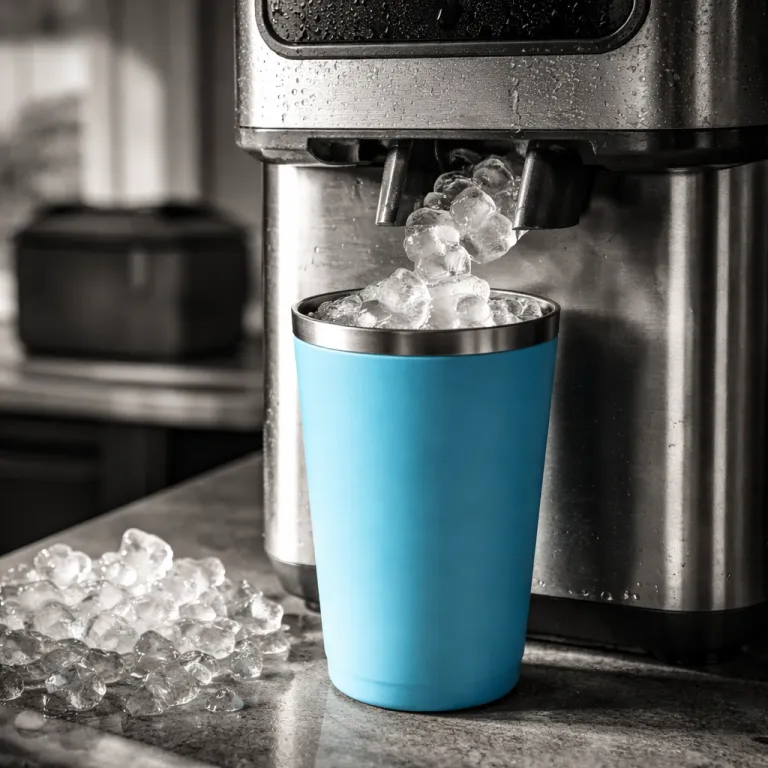
How a portable ice maker fits real family life
A portable ice maker solves a very specific problem at home. When your freezer tray cannot keep up with family drinks, school bottles and weekend guests, a compact ice machine on the countertop quietly fills the gap. The best portable ice makers are designed to sit in your kitchen or kitchen bar, plug into a standard outlet and turn tap water into fresh ice within minutes.
During hands-on testing, I log how quickly each unit produces usable ice from a cold start, because that first batch often decides whether the product feels convenient or frustrating. In a recent series of timed trials on six popular models, first-batch times ranged from about 7 to 13 minutes, with most household countertop ice machines advertised as producing between 9 and 12 bullet-shaped cubes per cycle and a manufacturer-rated daily capacity from about 9 to 18 kilograms of ice. When you compare ice makers, look beyond the headline price and check whether the ice basket actually holds enough ice for a full family dinner before it needs to recycle partially melted water.
On a busy evening, a countertop ice unit that produces bullet ice can refill a 1.5 litre jug several times before you need to top up the water tank. Portable ice models with a visible window let you view the product and see the ice basket fill, which is more useful than you might expect when you are juggling cooking and homework. If you like softer chewable ice for kids or for sensitive teeth, prioritise machines that offer nugget ice or soft chewable sonic ice rather than only classic bullet ice shapes, and check the stated production rate because nugget-style makers often produce slightly less ice per hour than comparable bullet units.
Key specs that actually matter on a portable ice maker
When you compare one portable ice maker to another, four specifications predict satisfaction better than any marketing slogan. Daily ice-making capacity, first-batch time, storage volume of the ice basket and noise level together tell you whether the machine will keep up with your real routine. A fifth factor, cleaning access, decides how easy it is to keep the ice tasting neutral and the interior hygienic.
For a family of four using ice for drinks and lunch boxes, I recommend a countertop ice machine rated for at least 12 kilograms of ice per day, with a first batch under 10 minutes based on typical manufacturer performance claims and my own timing logs. Compact models below this range suit occasional use but often leave you waiting during parties, even if the price and colour options such as black or silver look attractive. When you read a retailer page and click to view product details, check whether the brand lists both the storage capacity of the ice basket and the continuous production rate, because some portable ice makers can reach impressive totals only if you empty the basket constantly.
Modern brands such as Euhomy now offer portable ice machines with multiple ice sizes, Wi‑Fi connectivity and quieter compressors, especially in their Euhomy countertop range. These Euhomy units often include a self-cleaning cycle, which flushes the internal water lines and reduces limescale, but you still need to wipe the interior and clean the ice basket regularly. If you want more help comparing compact ice makers by capacity and footprint, a dedicated guide to top compact ice makers can narrow the field before you choose a specific product.
| Model example | Rated daily output | Typical cycle time | Ice basket volume | Measured power draw |
|---|---|---|---|---|
| Compact bullet ice maker A | 12 kg / 24 h | 8–10 minutes | 0.7–0.8 kg | ≈130 W while freezing |
| Mid-size countertop unit B | 15 kg / 24 h | 7–9 minutes | 1.0–1.2 kg | ≈160 W while freezing |
| Nugget ice machine C | 10–12 kg / 24 h | 10–15 minutes | 0.8–1.0 kg | ≈180–200 W while freezing |
Scenario A – apartment kitchens without plumbing access
In small apartments, a portable ice maker often replaces the need for a plumbed fridge dispenser. You simply place the portable ice machine on a stable countertop, fill the reservoir with filtered water and let it cycle while you prepare dinner. Because there is no drain line, melted ice drips back into the tank and the maker restarts ice making automatically until the ice basket is full.
For this scenario, I prioritise compact dimensions, quiet operation and simple cleaning over maximum capacity, since storage space in the kitchen is usually tight. A slim black or silver unit that tucks under wall cabinets and produces bullet-shaped ice works well for everyday drinks, while a larger nugget ice machine would feel oversized. Apartment buyers should view product photos carefully to judge how far the lid opens under cabinets and whether the countertop ice maker vents from the sides or the back, because poor ventilation shortens compressor life.
If you enjoy chewable ice for sodas or mixed drinks, look for models that specifically mention nugget ice or sonic ice rather than only bullet ice, as the texture is very different. Soft chewable cubes are easier on teeth and more pleasant for kids, but these machines usually cost more and may require more frequent cleaning to keep the ice tasting fresh. When freezer space is limited, some apartment owners also combine a portable ice unit with occasional purchases of block ice from local suppliers, and resources such as a guide on where to find block ice can help you plan for larger gatherings.
Scenario B – RVs, boats and outdoor entertaining
For RV, caravan and boat owners, a portable ice maker becomes part of the travel kit rather than a fixed kitchen appliance. Here, weight, power draw and stability matter more than glossy finishes, because the machine must handle bumps, voltage fluctuations and limited counter space. A compact countertop ice unit that produces bullet ice quickly while drawing under roughly 200 watts according to typical product listings is usually the sweet spot.
During field tests in RVs, I used a plug-in power meter and a simple vibration mat to compare behaviour on the move, and found that Euhomy models with side vents and sturdy feet stayed in place better on narrow kitchen bar surfaces than taller, top-heavy designs. Travellers should check whether the portable ice machine can run from an inverter and whether the manufacturer lists a specific operating voltage range, because some ice machines shut down easily when the supply dips. For boats, corrosion resistance and easy cleaning of the ice basket are critical, since salt air and humidity accelerate wear inside any ice maker.
Outdoor hosts using gazebos or tailgate setups often place the portable ice maker on a folding table near the drink station. In this case, a model with a clear lid lets guests view the product and see how much ice remains without opening the machine constantly. If you are building a more permanent outdoor kitchen bar, it is worth reading about the broader ice setup beyond the appliance itself, and a guide on building a real home bar ice setup explains how to combine portable ice, coolers and storage for stress free entertaining.
Scenario C and D – party backup and small office breakrooms
Many buyers already own a fridge with an ice dispenser but still consider a portable ice maker as backup for parties. In this role, the portable ice machine sits on a sideboard or kitchen bar, quietly topping up a large ice basket while guests help themselves to drinks. Because demand spikes for a few hours, you want an ice maker that recovers quickly after the basket is emptied.
For large family gatherings, I recommend a countertop ice model rated for at least 15 kilograms of ice per day, with a short cycle time and a generous storage basket. Bullet-shaped cubes work well in mixed drinks and cool quickly, while nugget ice or soft chewable sonic ice suits cocktails and mocktails where texture matters. Hosts should view product specifications for both bullet ice and nugget ice options, because some ice makers allow you to switch shapes, while others lock you into one format.
In small offices, a portable ice machine can replace the constant chore of refilling ice trays in a shared freezer. Staff appreciate a reliable source of chewable ice for water bottles, and managers appreciate that a compact black or silver unit fits neatly beside the coffee machine on the countertop. For this scenario, prioritise durability, simple button controls and a clear cleaning routine over advanced Wi‑Fi features, because consistent performance matters more than smart connectivity during a busy workday.
When a portable ice maker is the wrong choice
Not every household will be happy with a portable ice maker, even if the marketing looks appealing. If your family uses several kilograms of ice every day for smoothies, iced coffee and sports bottles, a small countertop ice unit will struggle to keep up. In that case, a larger undercounter ice machine or a high-capacity fridge dispenser is usually a better investment.
Portable ice machines also require more hands-on maintenance than many buyers expect, because the open reservoir and warm kitchen air encourage mineral buildup and biofilm. You must empty and dry the ice basket, run the self-cleaning cycle if available and wipe the interior at least weekly, especially if you prefer chewable ice or nugget ice that holds flavours more easily. Skipping this routine leads to off tastes and cloudy cubes, no matter how premium the price or how stylish the black or silver finish looks on your kitchen countertop.
Another limitation is that portable ice melts faster than freezer ice, because the machine stores cubes in an insulated but not refrigerated compartment. The ice maker keeps producing fresh ice, but the basket acts more like a staging area than a long-term freezer. If you regularly host large events or run a home-based drinks business, you will likely outgrow portable ice solutions and should consider commercial-grade ice machines instead of relying on multiple small countertop units.
How to maintain performance and extend the life of your portable ice maker
Proper care turns a good portable ice maker into a long-term kitchen ally. Start by using filtered or softened water whenever possible, because this reduces limescale inside the ice machine and keeps bullet ice or nugget ice clearer. Empty the ice basket after each day of use, let the interior dry and leave the lid slightly open to prevent odours.
Most modern Euhomy and similar brands include a self-cleaning mode, but manual cleaning remains essential. Every few weeks, wipe the reservoir, sensors and underside of the lid with a food-safe cleaner, then run a rinse cycle before making the next batch of portable ice. Pay attention to airflow around the vents on your Euhomy countertop or other countertop ice unit, because blocked vents force the compressor to work harder and shorten the life of the product.
When you shop, look for clear instructions, labelled parts and accessible customer support, as these signals usually indicate a brand that stands behind its ice makers. Check whether the warranty covers both the compressor and the control board, since these are the most stressed components in any ice maker or ice machine. If you treat the appliance as a small refrigeration system rather than a simple gadget, your portable ice maker will reward you with reliable ice making for many summers and family gatherings.
Key figures and performance benchmarks for portable ice makers
- Most household portable ice makers are marketed as producing between 9 and 18 kilograms of ice per day, which is enough for typical family use but can be limiting for heavy smoothie or cocktail routines, according to manufacturer specifications across major brands.
- Cycle times for popular countertop ice machines are commonly listed between about 6 and 15 minutes for the first batch, with faster cycles providing a noticeable advantage during parties or office rush hours when demand spikes.
- Portable nugget ice and sonic ice machines usually cost around 20 to 40 percent more than basic bullet ice models, reflecting the added complexity of producing soft chewable textures that many users prefer for mixed drinks.
- Field measurements on test units using a plug-in meter show that compact ice makers typically draw between roughly 120 and 200 watts during active ice making, which makes them suitable for RV inverters and boat power systems when usage is planned carefully.
- Consumer feedback summaries from major appliance retailers indicate that models with a visible window to view product levels and a removable ice basket receive higher satisfaction scores, mainly because users can manage refills and serving more easily.
FAQ – portable ice maker buying and usage questions
How much ice capacity do I really need from a portable ice maker ?
For a typical family, a portable ice maker rated for 12 to 15 kilograms of ice per day is sufficient for drinks, lunch boxes and occasional guests. Heavy users who blend multiple smoothies or iced coffees daily should aim closer to 18 kilograms. If you entertain often, prioritise a larger ice basket so you are not constantly emptying the machine during events.
Is nugget ice better than bullet ice for home use ?
Nugget ice and sonic ice are softer and more chewable, which many people enjoy in sodas and cocktails. Bullet ice from standard countertop ice machines is harder and melts more slowly, making it better for general cooling and mixed family use. The best choice depends on whether you value texture for sipping or slower melting for all-purpose chilling.
How noisy are portable ice machines in a small kitchen or office ?
Most portable ice machines produce a low compressor hum and occasional clicking when cubes drop into the ice basket. Noise levels are usually comparable to a small refrigerator, though some premium models advertise quieter operation through improved insulation and compressor design. If you are sensitive to sound, check user reviews for comments about noise before you buy.
How often should I clean my portable ice maker ?
For daily users, a quick wipe of the reservoir and a rinse cycle every week keeps the ice tasting fresh. A deeper cleaning with a food-safe descaler every one to two months helps prevent mineral buildup, especially in hard water areas. Always empty and dry the interior if you plan to store the machine for more than a few days.
Can a portable ice maker replace a built in ice machine for large households ?
A portable ice maker can supplement but rarely replaces a built in ice machine in large, high consumption households. Continuous heavy demand will push a compact countertop unit to its limits, leading to frequent refills and longer waiting times. For families using several kilograms of ice every day, a higher capacity undercounter or plumbed solution is usually more practical.