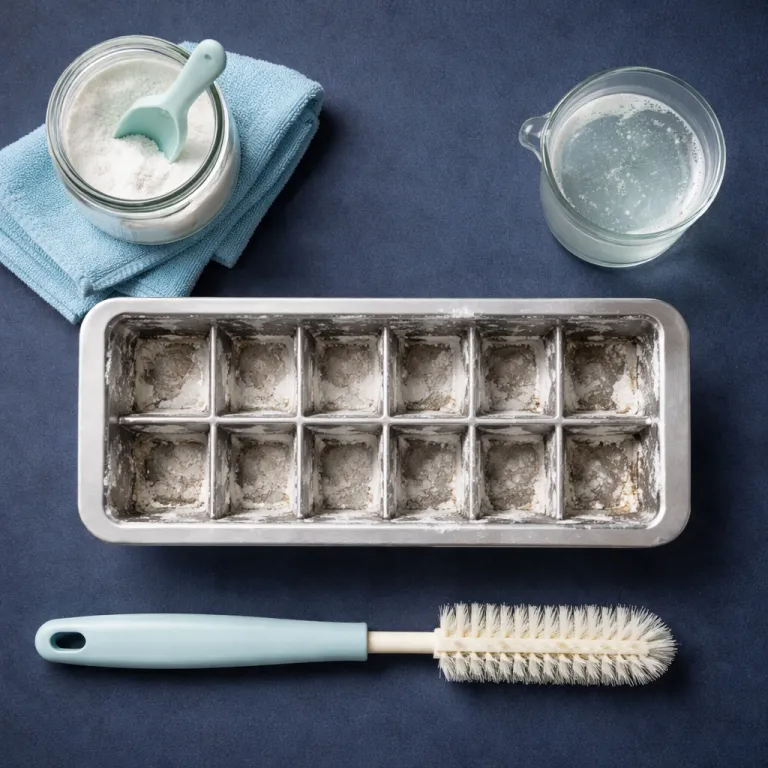
Understanding scale before you descale an ice maker
Scale is not ordinary dirt; it is crystallized mineral rock growing inside your ice maker. When hard water flows across the evaporator plate and through the water reservoir, calcium carbonate and other dissolved minerals slowly attach to cold metal surfaces. Over time those deposits thicken, choke the water lines, and stop the machine from making ice reliably.
On a countertop ice unit or a larger undercounter machine, scale usually starts where water meets cold metal during each freezing cycle. The evaporator grid, the pump, and the tubing that feeds fresh water to the maker are prime targets, especially when you never use filtered water or distilled water. That is why Culligan and other water treatment companies report that a limescale clogged filter is the number one cause of no ice service calls, because mineral buildup starves the unit of flow and reduces overall ice production.
When you want to descale ice safely, you are really dissolving those mineral deposits without attacking gaskets, coatings, or stainless steel. Light scale on plastic parts inside a small countertop nugget ice maker responds well to gentle cleaning and careful descaling, while heavy crust on a commercial style evaporator plate often needs a stronger descaling solution. Understanding where the scale sits in your specific machine helps you choose the right cleaning descaling method, the right contact time, and the right balance between vinegar, citric acid, or a nickel safe cleaner recommended in the manufacturer’s instructions.
When vinegar is the right way to descale an ice maker
White vinegar can be an effective way to descale an ice maker when the scale layer is thin and the interior is mostly plastic. In my testing on compact countertop ice makers with plastic water reservoirs and simple pumps, a 1 to 1 mix of vinegar and fresh water cleared light mineral film in a single cleaning cycle. The key is limiting contact time to about 15 to 20 minutes per pass and always planning enough rinses with clean water so your tasting ice does not pick up lingering acidity.
Vinegar works best for maker cleaning on small nugget ice machines and portable countertop ice units where the manufacturer explicitly approves it in the manual. Many owners of the GE Profile Opal nugget ice maker, for example, run a gentle vinegar solution through the water reservoir to keep the opal style nugget ice soft and clean between deeper descaling sessions, following GE’s guidance to avoid harsh chemicals. In these cases you fill the reservoir with a diluted solution, run a full cleaning cycle, then drain and rinse thoroughly with filtered water or distilled water until the water runs clear and the interior surfaces feel dry and neutral.
For a café or food truck that depends on consistent countertop nugget production, vinegar can be a low cost maintenance tool between full descaling solution treatments. Use it to descale ice lightly every one or two months if your tap water is only moderately hard water and your unit has mostly plastic internal parts. If you care about crystal clear cubes for cocktails as well as clean tasting ice for service, pair this routine with good ice handling practices from a dedicated guide on how to make perfectly clear ice cubes at home, then your overall water and cleaning strategy will stay aligned and your customers will notice the difference.
When vinegar fails or damages the ice maker
Vinegar is not a universal answer for how to descale an ice maker, and using it blindly can shorten the life of your machine. On some stainless steel evaporator plates and nickel coated grids, especially in certain Frigidaire and GE Profile units, repeated vinegar exposure can etch the surface and make future mineral deposits cling even faster. I have opened machines after a year of heavy vinegar use and found pitted metal, swollen rubber gaskets, and a stubborn white crust that simple cleaning could no longer remove, which aligns with cautions in several service bulletins.
Undiluted vinegar is especially risky for any ice makers that rely on multiple rubber seals around the water reservoir, pump, and drain fittings. Full strength acid can harden or crack those seals over time, leading to slow leaks inside the unit and eventually to electrical failures that no amount of maker cleaning will fix. Bleach is even worse, because chlorine aggressively attacks the evaporator metal and can leave you with a corroded machine that never produces safe countertop ice again, a point repeated in many manufacturer manuals and food safety guidelines.
Vinegar also struggles when the scale layer is thick, chalky, and years old, as often happens in busy small business machines fed by very hard water. In those cases you can run cycle after cycle with a vinegar solution and still see mineral deposits clinging to the evaporator and water lines, while the unit keeps making ice slowly and the tasting ice remains off. For complex systems with bin sensors and control switches, it is safer to follow the manufacturer’s service bulletin and use a compatible cleaner, just as you would follow a dedicated guide when you choose and install the Hoshizaki 2A8598G01 bin control switch mount for your ice maker so that every component stays protected and operates within specification.
Approved alternatives to vinegar for descaling
When vinegar is not appropriate, nickel safe descalers and food grade citric acid give you a controlled way to descale an ice maker. Products such as Affresh ice machine cleaner or Nu Calgon nickel safe descaler are formulated to dissolve mineral deposits without attacking sensitive coatings on the evaporator plate. I have used these solutions on both compact countertop ice makers and larger undercounter units, and they consistently restore normal making ice performance after one or two cleaning cycles when mixed and timed according to the label.
Citric acid is another reliable option, especially for café owners who prefer a food related ingredient in their cleaning descaling routine. A typical working mix is about 30 grams of citric acid per liter of warm water, which you pour into the water reservoir before you fill the reservoir completely with more fresh water. This descaling solution is strong enough to descale ice surfaces and water lines in most nugget ice and countertop nugget machines, yet gentle enough to protect rubber parts when you limit the contact time to the recommended cycle and wear basic protective gloves and eye protection.
Many manufacturers now sell their own branded descaling solution, and using that product keeps your warranty safe while simplifying maker cleaning decisions. Whether you choose a nickel safe chemical, a citric acid mix, or a branded cleaner, always drain the unit fully after the cleaning cycle, then rinse thoroughly with filtered water or distilled water until the interior runs clear and the surfaces air dry. For high volume operations planning big service days such as a Memorial Day barbecue, pairing this deeper maintenance with a smart ice game plan for volumes, timing, and cooler hierarchy helps ensure your machine and your ice supply both stay ahead of demand and meet food safety expectations.
Step by step: how to descale an ice maker safely
A structured process keeps every ice maker safer during descaling, whether you use vinegar, citric acid, or a commercial solution. Start by turning the machine off, unplugging it, and letting any remaining ice melt so you can drain the unit completely. Remove the ice bin, empty the water reservoir, open any drain plugs, and wipe loose debris so the cleaning solution can reach the mineral deposits directly without being blocked by sludge or food particles.
Next, prepare your chosen descaling solution according to the label or your citric acid ratio, then fill the reservoir to the indicated line and reinstall it in the machine. Restore power, select the dedicated cleaning cycle if your model offers one, or run a normal making ice cycle while the solution circulates through the water lines and over the evaporator. When the cycle ends, power the unit down again, open the drain, and let every drop of used solution leave the system before you start rinsing, keeping the area ventilated and avoiding skin or eye contact with the spent liquid.
Now refill the water reservoir with fresh water, preferably filtered water or distilled water, and run at least two full rinse cycles to flush any remaining cleaner from the machine. After each rinse, drain the unit and inspect the interior surfaces, then wipe them gently and let everything air dry before you resume normal making ice operations. This five step rhythm of drain, fill reservoir, run cleaning cycle, rinse thoroughly, and restart works for most countertop ice makers, nugget ice machines, and small commercial units when you adjust the contact time to match your water hardness and scale level and follow the safety notes in the owner’s manual.
Setting a descaling schedule by water hardness
How often you descale an ice maker should never be a guess, because water hardness and usage patterns drive scale growth. In very hard water above about 180 parts per million, scale can start forming visible mineral deposits on the evaporator and inside the water reservoir within a few weeks. For a busy café or food truck running a compact countertop nugget machine all day, that means a full cleaning descaling session every one to three months is a realistic baseline, which matches the three month interval many commercial manuals recommend for severe conditions.
In softer water regions or when you always feed the unit with filtered water or distilled water, you can usually stretch the descaling interval to every six months without risking performance. I recommend keeping a simple log near the machine that records each cleaning cycle, the descaling solution used, and any changes in making ice speed or tasting ice quality. When you notice slower production, hollow cubes, or noisy pumps between scheduled sessions, treat that as a sign that scale or trapped air is affecting the unit and move your next descale ice session forward in time before customers feel the impact.
Two habits do more damage than any missed schedule, and both are easy to avoid once you understand them. Never pour bleach into the water reservoir or run it through the machine, because it corrodes metal surfaces and leaves unsafe residues that no quick rinse can remove. Never use undiluted vinegar for maker cleaning either, since full strength acid can attack gaskets, cloud plastic, and shorten the life of both small countertop ice makers and larger nugget ice machines that your business depends on for daily beverage service.
Key statistics about scale, water, and ice maker performance
- In many municipal systems, hard water above 180 ppm of calcium carbonate can cut ice maker efficiency by up to 20 percent within a year if no descaling is performed, because mineral deposits insulate the evaporator and reduce heat transfer; this estimate comes from field observations and manufacturer guidance for commercial ice equipment.
- Field service data from major service networks show that limescale and other mineral buildup account for a large share of no ice or low ice calls on small commercial machines, especially in cafés and food trucks that run continuous making ice cycles, a trend echoed in service bulletins from leading brands.
- Manufacturers that specify a three month descaling interval for hard water regions often see warranty claim rates drop significantly, since regular cleaning cycles prevent pump strain, clogged water lines, and sensor failures caused by scale, according to internal warranty summaries and dealer reports.
- Switching from untreated tap water to filtered water or distilled water can reduce the rate of scale formation dramatically, which in turn extends the time between full cleaning descaling sessions and lowers total maintenance costs for small businesses, as documented in case studies from water treatment vendors.
FAQ about how to descale an ice maker
How do I know it is time to descale my ice maker ?
Common signs include slower ice production, smaller or misshapen cubes, and louder pump noise during the cycle. You may also see white or chalky mineral deposits on the evaporator, in the water reservoir, or around the drain area. If your tasting ice seems flat or slightly off even after normal cleaning, schedule a full descaling session and compare results to the performance notes in your owner’s manual.
Is vinegar or a commercial descaling solution better for my machine ?
For light scale in a mostly plastic countertop unit, diluted vinegar can work well when the manufacturer approves it. For stainless or nickel coated evaporators, or for heavy scale from very hard water, a nickel safe commercial descaling solution or a measured citric acid mix is usually safer and more effective. Always follow the manual first, then choose the gentlest product that still removes visible mineral deposits within the recommended contact time.
Can I use distilled water to avoid descaling altogether ?
Using distilled water or well filtered water greatly slows scale formation, but it does not eliminate the need for cleaning. Dust, biofilm, and small amounts of mineral residue can still build up in the water lines, reservoir, and bin over time. Even with distilled water, plan a full cleaning cycle and descaling check at least once or twice a year, and adjust if your manufacturer suggests a different interval.
How many rinse cycles do I need after descaling ?
Most small ice makers need at least two full rinse cycles with fresh water after any descaling treatment. If you used a strong commercial cleaner or notice any lingering smell, run a third rinse and drain the unit completely before making ice for customers. Always taste the first batch of ice yourself and discard it if any off flavors remain or if the manual calls for additional flushing.
Is it safe to run my ice maker while the interior is still wet after cleaning ?
Yes, the interior surfaces will always be wet when you restart after a rinse, and the machine is designed for that. What matters is that you have drained all cleaning solution, refilled with clean water, and completed at least one full rinse cycle. Letting removable parts air dry between sessions helps hygiene, but the internal water path can remain wet without harming the unit as long as electrical components stay protected.