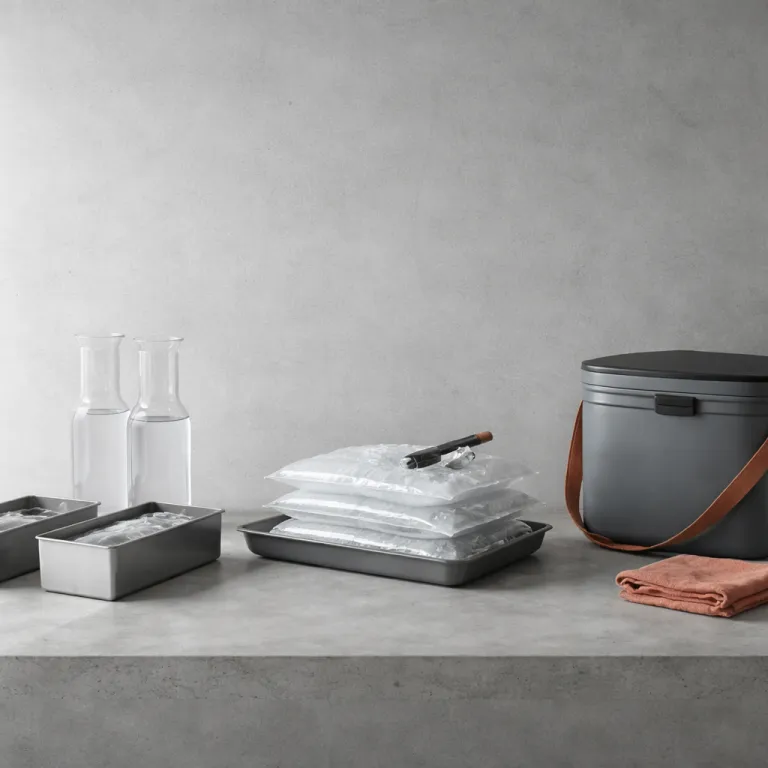
Phase 1 – Two days before: production math for a real cold party
When you plan ice for hosting guests, the first mistake is trusting a freezer tray. A modern countertop ice maker that produces about 12 kilograms of ice per day sounds generous, yet a 30 person party with cocktails and water typically needs around 0.7 kilograms of ice per guest over six hours. That 0.7 kilogram rule of thumb comes from assuming 4 to 6 cubes per drink, one drink per hour and roughly 12 to 15 grams per cube, which quietly adds up to about 21 kilograms of ice cubes for the whole group and already pushes a single compact unit close to its real world limit.
Think about how your guests actually drink during a summer party, not how you wish they would sip. Each mixed drink, soft drink or sparkling water usually takes 4 to 6 ice cubes, and people often top up their drinks every 45 minutes when the music, food and conversation are flowing. If you plan one drink per hour per guest, you quickly see why a casual gathering can drain a small machine before the first platter of cold snacks even leaves the kitchen.
For a long Saturday outdoor party, treat your ice maker like a small production line rather than a last minute gadget. Start running it at least 48 hours before the event, emptying each fresh batch into a dedicated storage container rather than leaving it in the machine. This early phase is where you quietly build a reserve that will keep drinks chilled, keep food safe and let you serve every cocktail without rationing cubes or apologizing for lukewarm soda.
Use simple math to match production to your cold party plan. If your unit makes 12 kilograms per day and you need 21 kilograms, you must run it for roughly two full days, assuming you regularly store ice instead of letting it melt in the bin. If you prefer to think in pounds, that is about 26 pounds of ice needed and a machine that produces around 26 pounds per day, and this is also the right moment to test different cube sizes, because smaller cocktail ice chills a drink faster while larger cubes melt more slowly and keep drinks cold for longer stretches.
Do not forget non drink uses when you calculate how much ice for hosting guests you need. A large salad bowl, a shrimp platter or a fruit and yogurt bar all require a shallow tray filled with cubes underneath to keep food cold and safe. If you plan to keep food on display for several hours, allocate at least 20 to 30 percent of your total ice budget just for food service and not for glasses, and adjust upward if you are serving a lot of seafood or dairy based dishes.
Families often underestimate how much ice storage they need for a summer party. A single ice bucket on the bar looks generous, yet it empties quickly when kids fill water bottles and adults mix a second round of drinks. Plan for at least one large cooler or insulated box dedicated to storing ice only, separate from the cooler that holds bottled drinks or extra food, so you are not digging through melting cubes every time someone wants a soda.
Phase 2 – The night before: smarter ice storage than your kitchen freezer
The night before your outdoor party is when storage decisions make or break your plan. A standard kitchen freezer is designed for frozen food, not for rapid ice storage turnover, so stacking fresh cubes there often leads to clumping, freezer burn and slow access during a busy party. Instead, move your growing stock of ice into insulated containers that keep it solid while still letting you scoop quickly.
For most homes, a sturdy cooler with a tight gasket lid is the best way to keep ice for hosting guests ready for service. Fill it with pre frozen ice cube bags or loose cubes from your machine, then top with a thin towel to reduce air pockets that melt ice faster. If you expect a long Saturday with back to back events, consider two coolers so you can keep one sealed as reserve storage while the other handles active party serving duties.
Metal hotel pans nested inside a larger cooler create a flexible serving system. You can keep food trays like sushi, fruit platters or cheese boards sitting on a shallow bed of cubes while the deeper section of the cooler holds bulk ice for drinks. This approach keeps food cold and safe while also letting you rotate fresh cocktail ice to the bar without dragging the entire cooler across the patio.
Never rely on the ice bucket that came with your bar set as your only buffer. That small container is perfect for table side elegance, but it cannot keep drinks cold for 30 guests over six hours without constant refills. Treat it as the final serving vessel in a chain that starts with your ice maker, moves through bulk storage in a cooler and ends at the bar where you actually serve drinks.
Warm ambient temperatures are your main enemy during a summer party. Store ice in the coolest indoor spot you have, such as a shaded laundry room or a basement corner, then shuttle smaller loads to the outdoor bar as needed. If you live in a region with water restrictions or harder tap water, review guidance on how drought and mineral heavy water affect ice maker filters before a big event, because poor filtration can reduce output and leave off flavors in every drink.
Clean equipment is part of reliable ice for hosting guests, especially when you run your machine nonstop for two days. Mineral buildup and biofilm can insulate the evaporator and quietly cut production just when your cold party starts. A quick maintenance routine, such as the method described in many professional cleaning guides, helps your unit keep ice flowing so you can keep drinks cold without worrying about strange tastes.
Phase 3 – Live service: rotation, hygiene and keeping every drink cold
Once guests arrive, your focus shifts from production to flow, and this is where a two bin rotation shines. Keep one working bin or ice bucket at the bar for immediate serving, while a second bin or cooler stays closed as reserve party ice until the first runs low. This simple system keeps cubes consistently solid, because you avoid constantly opening your main storage and letting warm air rush in.
Set up your bar so that every step to serve drinks cold is efficient. Place the ice bucket, tongs and scoop on one side, glassware in the middle and mixers or fruit garnishes on the other side, which reduces cross traffic and keeps the cube area cleaner. When you run a long Saturday event, small layout choices like this prevent spills, shorten lines and help you keep drinks moving without frantic dashes back to the kitchen.
Glass pre chill is a powerful but often ignored trick for a summer party. Ten minutes before guests arrive, fill several glasses with ice cubes, let them sit, then dump the melt water and return the glasses to the fridge so the next round of drinks starts already cold. This reduces the amount of cocktail ice needed per drink and keeps beverages cold longer, which is especially helpful when people wander between indoor rooms and the outdoor party area.
Think beyond cocktails when you plan serving details. Kids will raid the cooler for juice boxes, and older relatives may prefer plain water or low sugar drinks, so dedicate one small tray of cubes just for non alcoholic options. That way you can keep drinks cold for everyone without worrying that a round of strong cocktails will empty the only ice bucket on the table.
Food safety matters as much as drink quality when you host a long cold party. Use shallow pans or platters nested in a larger tray of ice to keep food cold, especially for dairy based dips, seafood or cut fruit that sits out for hours. Rotate fresh cubes under these trays every 60 to 90 minutes, and remember that it is better to keep food in the fridge and bring out smaller portions than to risk lukewarm dishes on a hot patio.
When your guest list climbs past 50 people, one countertop machine usually cannot keep ice for hosting guests flowing all day. At that scale, either rent a larger commercial unit, add a second countertop maker or arrange a bulk ice delivery, especially if you are planning something like a backyard wedding. For detailed quantity planning at that level, resources such as a backyard wedding ice calculator can help you translate guest counts into kilograms of ice, coolers and serving stations.
Failure modes, quick fixes and choosing the right ice maker
Even with careful planning, real parties create surprises, so it helps to know the common failure modes. Warm bins, partial melt and sweating on a wood bar are the three issues I see most often during a long summer party. Each one can be managed if you understand how ice, air temperature and surface materials interact over several hours.
Warm bins usually happen when the cooler or ice storage box sits in direct sun or near a grill. Move the container to a shaded spot, elevate it on a small stand to improve airflow and drape a light colored towel over the lid to reflect heat, which will help keep ice solid for the rest of the day. If you notice a lot of melt water, drain it promptly, because water conducts heat faster than air and will melt the remaining cubes more quickly.
Partial melt in your serving bucket is inevitable during a busy ice party, but you can slow it. Use a double walled ice bucket or place a smaller bucket inside a larger one filled with a little cold water, which creates a temperature buffer around the inner container. Rotate fresh party ice from your main storage every 30 minutes, and never top warm, wet cubes with new ones, because that accelerates melting and can dilute every drink you serve.
Sweating on a wood bar is both a cosmetic and safety issue. Place a rubber bar mat or an absorbent towel under the ice bucket and any drink tray so condensation does not pool on the surface, then swap the towel for a dry one halfway through the event. This simple habit keeps your serving area tidy, protects the wood finish and reduces the risk of guests slipping on stray drips.
Hygiene deserves as much attention as capacity when you evaluate ice for hosting guests. Always use a dedicated scoop rather than glasses to serve ice, and keep that scoop in a clean holder between uses so it does not sit in melt water. A quick cleaning routine for your ice maker, such as the steps outlined in many guides to clean an ice maker in 15 minutes, helps prevent scale, off odors and cloudy cubes that can spoil the look of a carefully mixed cocktail.
Finally, match the machine to your hosting style and climate. If you regularly host a large outdoor party in hot weather, prioritize an ice maker with strong daily output, good insulation around the internal bin and easy access for cleaning, because those features directly affect how well you can keep drinks cold for hours. For smaller family gatherings, a quieter unit with moderate capacity and a reliable storage strategy will serve you better than an oversized model that takes up precious counter space.
FAQ
How much ice do I need for 30 guests at a summer party ?
For a six hour summer party with mixed drinks and water, plan about 0.7 kilograms of ice per guest. That means roughly 21 kilograms of ice cubes for 30 people, plus an extra 20 percent if you are also using ice to keep food cold on trays. If your ice maker produces around 12 kilograms per day, start running it two days before and store ice in insulated containers.
Is a countertop ice maker enough for a long Saturday event ?
A single countertop unit that makes about 12 kilograms per day is usually enough for 20 to 30 guests if you start production 48 hours early and use proper ice storage. For larger groups or very hot weather, you may need either a second machine or a backup plan such as buying bagged ice. Once your guest list passes 50 people, one small unit rarely keeps up without careful rationing.
What is the best way to store ice before guests arrive ?
The most effective method is to move fresh ice from your maker into a well insulated cooler or lidded box kept in a cool indoor space. Avoid relying on the kitchen freezer, because it encourages clumping and makes it harder to access ice quickly during service. Use one container as reserve storage and a smaller ice bucket or bin at the bar for active serving.
How can I keep ice from melting too fast during an outdoor party ?
Keep your main ice storage in the shade, minimize how often you open the lid and drain melt water regularly so remaining cubes do not sit in warm water. Use a double walled ice bucket or nested containers at the bar, and rotate smaller batches of fresh ice from your cooler every 30 minutes. Pre chilling glasses and keeping drinks in the fridge until serving time also reduces the amount of ice each drink needs.
How often should I clean my ice maker if I host frequently ?
If you host several times each month, clean your ice maker at least once every four to six weeks, and always run a quick rinse cycle before a major event. Regular cleaning removes mineral scale and biofilm that can reduce output and affect taste, especially in areas with hard water. Follow the manufacturer’s instructions and use food safe cleaners so your ice stays clear, neutral tasting and safe for guests.