How federal ice maker energy efficiency standards work today
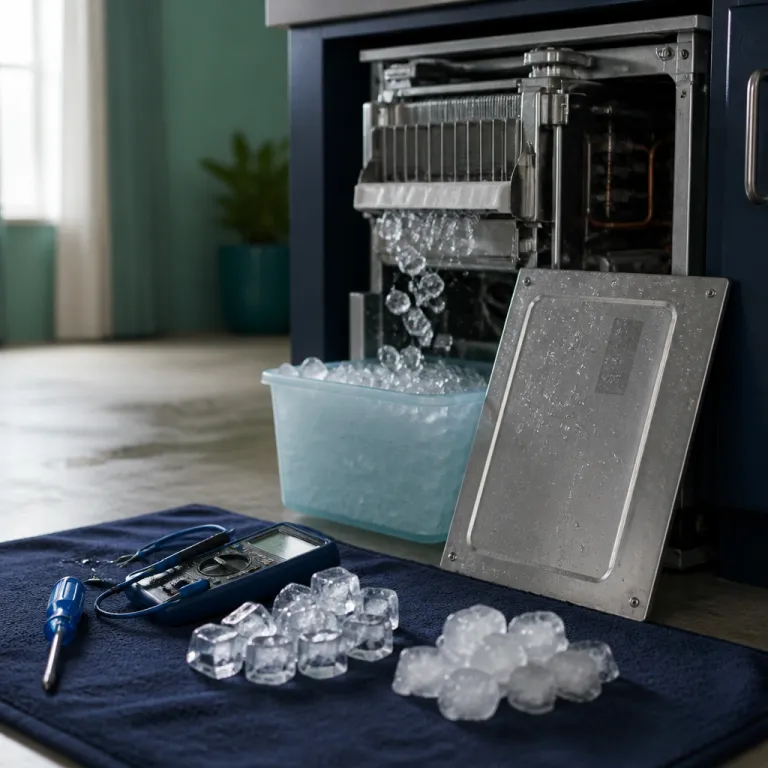
Federal rules already shape how much energy commercial ice machines may use. Under current federal regulations from the Department of Energy (DOE), automatic commercial ice makers must meet specific ice maker energy efficiency standards that cap electricity and water use per kilogram of ice. These standards apply to a wide range of ice makers and ice machines, including self contained air cooled ice makers, remote condensing remote compressor systems, and water cooled ice making heads used in cafés and small restaurants.
For a buyer, this means every covered product on the market has already passed a DOE test procedure that measures energy, water, and ice output under controlled air and water conditions. The federal appliance standards program, coordinated by multiple federal agencies, sets maximum energy consumption for each ice making equipment class, such as a self contained water cooled unit or a remote compressor air cooled head, and manufacturers must certify compliance before selling. These federal ice maker energy efficiency standards sit alongside Environmental Protection Agency Energy Star criteria, which go further by rewarding the most efficient commercial ice makers and ice machines with an Energy Star certified label.
Energy Star ice makers and ice machines must beat the baseline DOE energy efficiency requirements by a significant margin, so an Energy Star product usually uses less energy and less water per kilogram of cooled ice produced. In practice, an Energy Star certified self contained air cooled head or a remote condensing water cooled ice maker can cut energy conservation costs for a small café by reducing both electricity and water bills over the life of the product. When you compare contained air cooled units, contained water cooled units, and remote condensing remote compressor systems, the Energy Star database lets you review detailed performance data before you commit to a purchase.
What the DOE’s proposed overhaul could change for ice makers
The DOE has issued a Notice of Proposed Rulemaking that would overhaul how it sets appliance and equipment standards, including future ice maker energy efficiency standards. Under the proposed framework, new or updated standards for ice makers and other appliances could only move forward if a DOE document shows at least a 10 percent reduction in national energy use over 30 years or savings of at least two quadrillion BTUs. Critics argue this threshold, combined with complex federal review steps, could make it harder for federal agencies to tighten regulations on commercial ice machines and related ice making equipment.
For ice maker buyers, the concern is that fewer future updates to federal standards might slow innovation in energy efficiency for both self contained air cooled heads and remote condensing water cooled systems. If manufacturers know that stricter federal regulations are unlikely, they may prioritize aesthetics, footprint, or short term product cost over long term energy conservation in their ice makers and ice machines. This shift is already visible in some marketing trends, where brands emphasize design over detailed performance data, a change explored in depth in this analysis of how ice maker brands moved from specs to aesthetics at why ice maker brands stopped talking about specs.
The DOE proposal also formalizes how public comment works, with a 30 day period after publication in the Federal Register and 60 days for methodology requests for information, which affects how quickly new ice maker energy efficiency standards can be adopted. During these public review windows, manufacturers, small business owners, and state level regulators can argue for or against stricter energy efficiency rules for ice makers, including specific classes like making head units with remote compressor air cooled condensers or self contained water cooled heads. If the proposed process makes it harder to justify new standards, the practical result could be that today’s baseline for energy and water use in commercial ice makers remains frozen for many years.
What this means for your running costs and buying decisions
Even if federal ice maker energy efficiency standards become harder to update, your electricity and water bills will still respond directly to the efficiency of the ice machines you choose. State level rules, such as appliance efficiency standards in Maryland and several Western states, can continue to push for better energy conservation from commercial ice makers regardless of federal regulations. In drier regions where water is scarce and expensive, the quiet energy and water cost of always on cooled ice production has become a major concern, as highlighted in this discussion of the hidden operating cost of continuous ice production at the quiet energy cost of always on ice.
When you shop for a new ice maker, focus first on verified performance labels and test data rather than marketing claims. Look for Energy Star certified commercial ice makers, and compare both energy use and water consumption across self contained air cooled units, self contained water cooled units, and remote condensing systems with a remote compressor, because each configuration handles heat and air differently. A head only ice making unit paired with a remote condensing remote compressor on the roof may cut compressor air heat in your kitchen, while a compact contained air cooled machine under the counter might be easier to install but slightly less efficient in real world ice making duty cycles.
Pay close attention to how much ice the product makes per day, how much energy it uses per kilogram of ice, and whether it relies on head air cooling, head water cooling, or a hybrid design with both contained air and contained water circuits. For a small café or food truck, the sweet spot often lies in a modest capacity Energy Star ice maker that balances energy efficiency, water use, and noise, rather than the largest commercial ice machine on the market. To go deeper into how specific brands handle these trade offs in both singular and plural product lines, you can study independent testing of Uline ice makers and other models in this detailed review of ice maker efficiency at exploring the efficiency of Uline ice makers.